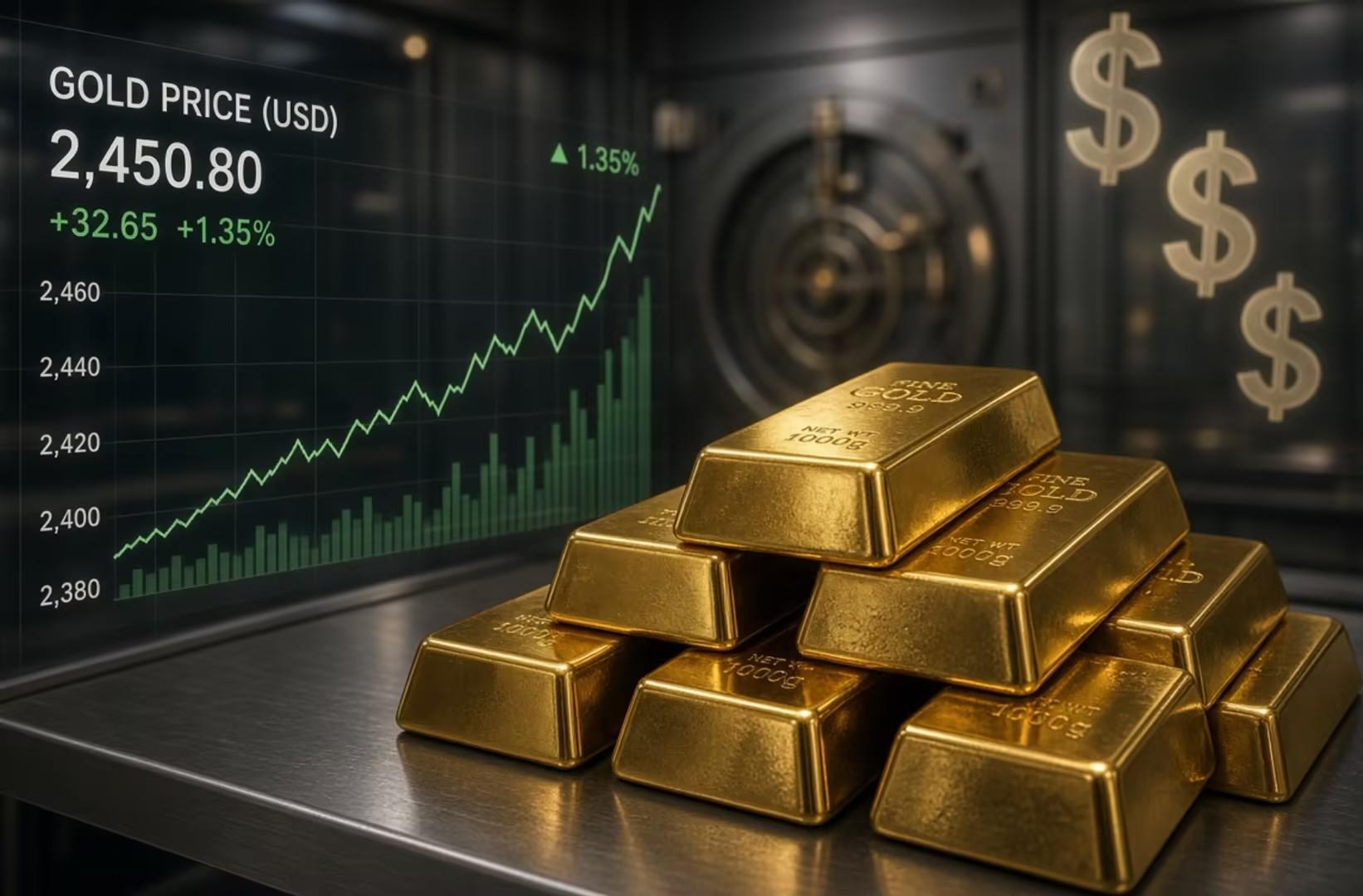
As of October 20, spot gold fluctuated around $4,120 per ounce, down about 26% from the historical high of approximately $5,590 on January 28. Central bank purchases of gold, geopolitical risks, and diversification of reserves remain the main reasons institutions are optimistic about the medium to long term, but in the short term, gold is suppressed by high interest rates.
For ordinary investors, the most challenging aspect now is not determining whether "it will rise or fall," but patience and accurately calculating the holding costs. This article sorts out the current macro logic and compares the costs of several ways of holding gold, including tokenized gold (PAXG, XAUT).
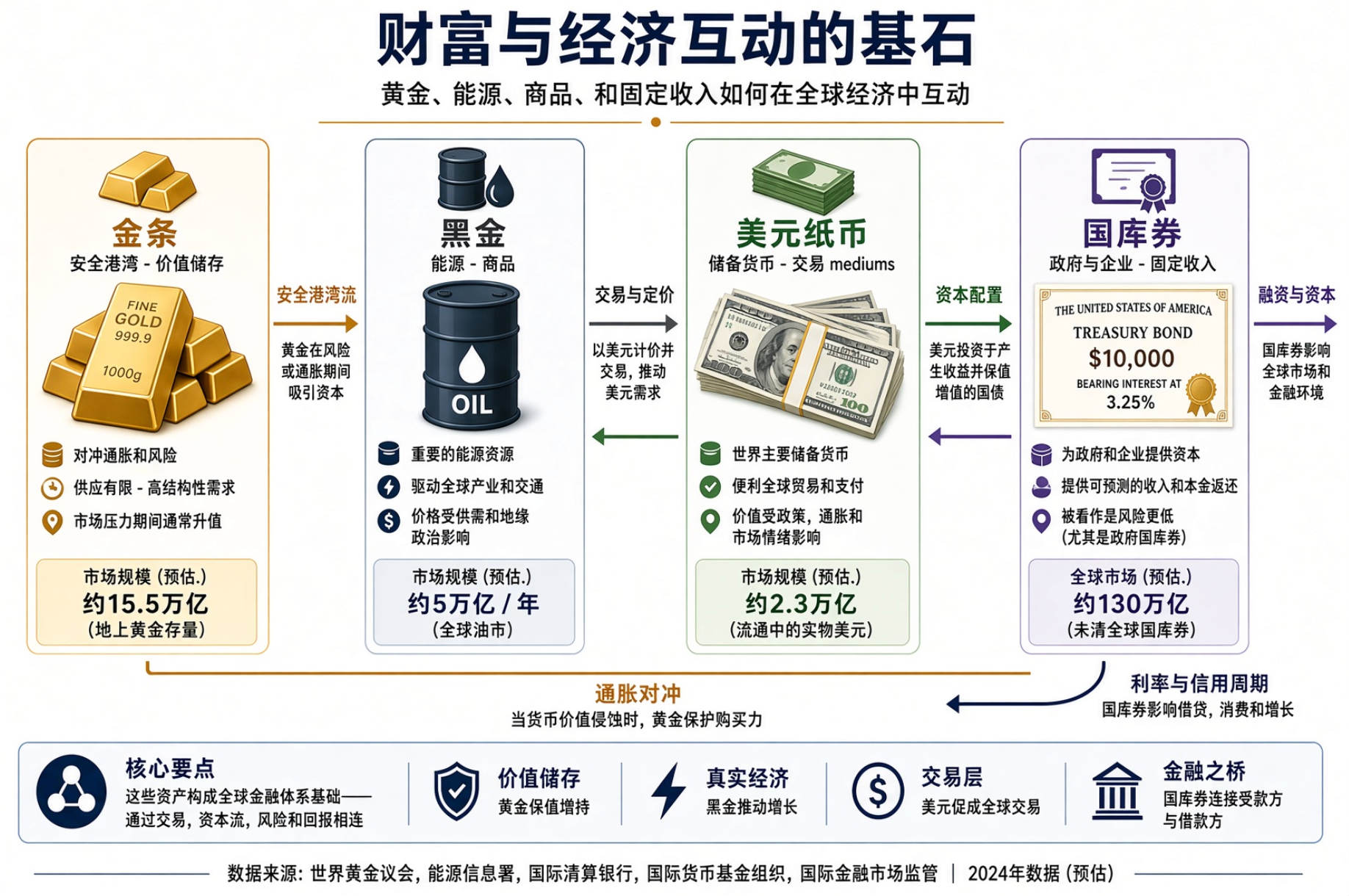
The relationship between gold, oil, the US dollar, US Treasury bonds, and interest rate hikes
Gold is a zero-yield asset, and its price is mainly driven by "opportunity cost" and "hedging against risk/inflation." The current logical chain is clear:
- Rising oil prices → Increase inflation expectations (September CPI reached 3.7%, oil prices approach or exceed $110 due to the situation in the Middle East).
- High inflation → Market expects the Federal Reserve to continue raising rates or "higher for longer" → US Treasury yields rise (the 10-year yield nearly reached or exceeded 5%, with real rates around 2.9%).
- High yields → Strengthening of the US dollar (because high interest rates attract inflows into US Treasury bonds) → Increased opportunity costs for gold, putting pressure on its price.
- Conversely, if the FOMC signals "end of rate hikes nearing," oil prices fall, or yields decline, gold will receive direct support.
Geopolitical conflicts (such as risks related to Iran) should theoretically promote safe-haven buying, but when they simultaneously push up oil prices and interest rate expectations, gold's safe-haven properties are often overshadowed by "opportunity costs." This is the core reason why gold prices "fall dramatically despite war" in 2026.
1. Why is gold "risky yet falling"
Gold is a zero-yield asset, and its price is mainly determined by two forces: "the opportunity cost of holding" and "hedging against risk/inflation." Currently, the former is dominant:
- The US September CPI increased by 3.7% year-on-year, higher than expected, with core CPI at 2.6%, indicating that inflation pressure mainly comes from energy.
- With rising inflation, market expectations for the Fed's "higher for longer" increase. After the CPI is released, the 10-year US Treasury yield rose to 5.304%. The real yield of 10-year Treasury Inflation-Protected Securities (TIPS) is around 2.9%.
- The higher the real yield, the larger the opportunity cost of holding non-yielding gold.
Additionally, safe-haven demand is also cooling. Some analysts believe that signals of a peace agreement with Iran and a rebound in the stock market have weakened gold's safe-haven premium. Therefore, this decline is due to multiple factors overlapping, rather than a single reason.
2. Where is the "turning point"? Need to watch for these signals:
- FOMC meeting on October 27-28: The decision will be announced at 2 PM Eastern Time on the 28th. After the September CPI was released, the market estimated the probability of an interest rate hike in October to be between 28% and 50%, with large discrepancies across different sources and time points.
- December 8-9 meeting: The October meeting did not have new economic forecasts; new dot plots will come in December, and the market will focus more on whether it clarifies "rate hikes are nearing an end."
- Subsequent CPI, PPI, and PCE inflation data.
- Trends in oil prices and real yields on US Treasury bonds.
- Central bank gold purchase data and the situation in the Middle East.
The meaning of patience is: before data confirm that interest rates have peaked, do not chase highs, nor panic.
3. Comparison of net returns from different gold investment methods (data calculation)
Assuming an investment of $10,000 held for 5 years, with gold prices cumulatively rising by 30%. The table below only compares the impact of fees on holding returns (simplified to linear accumulation, not considering compound interest, taxes, and exchange rates), with the price increase of gold being hypothetical:
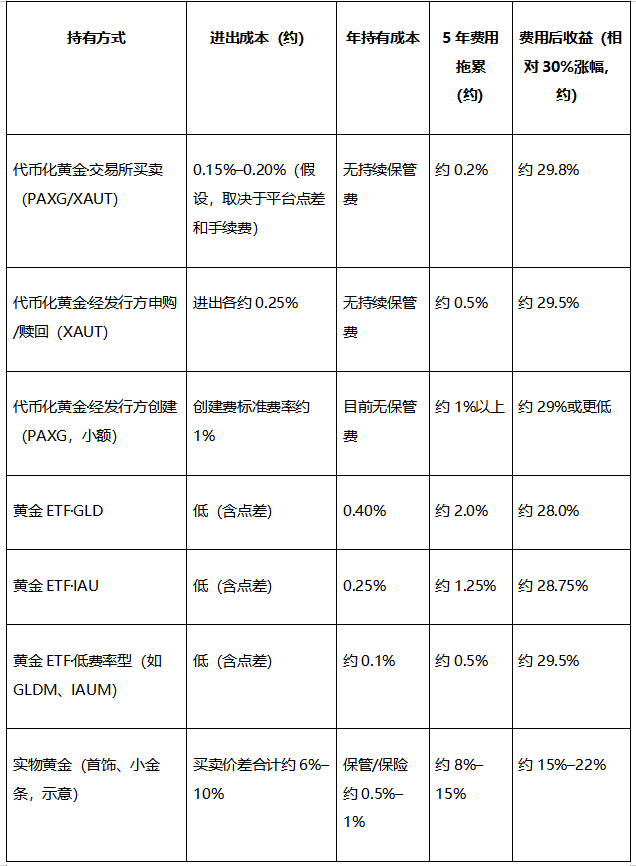
Tokenized gold has the least fee impact for long-term holding because the issuer currently does not charge ongoing custody fees (Paxos/Tether absorbs the custody costs). ETFs pay management fees annually by selling a small amount of gold, while physical gold incurs high premiums and storage costs. Frequent trading in the short term requires additional calculations for spreads and slippage.
Reasons to recommend Binance and OKX
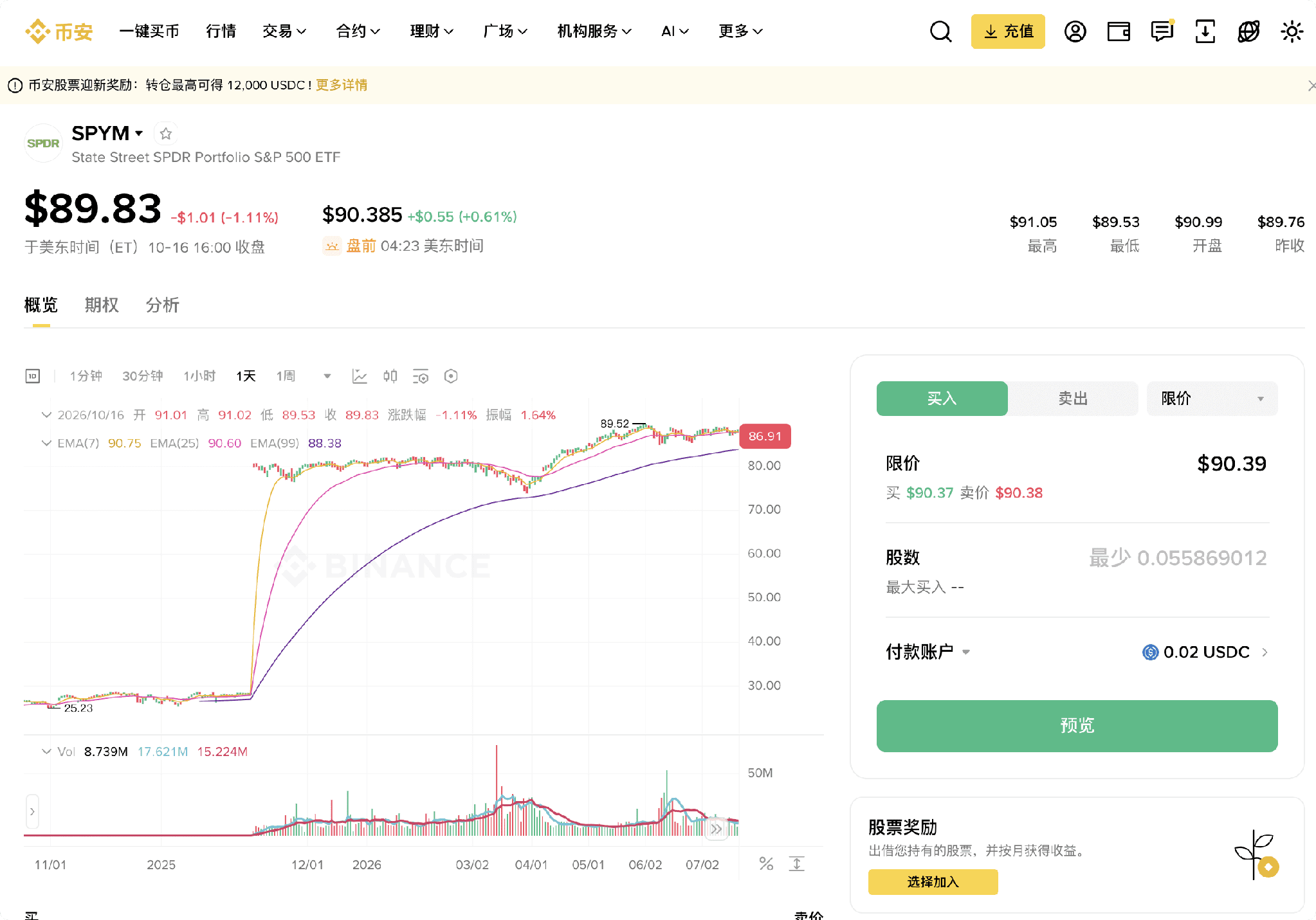
Both support PAXG and XAUT spot trading (against USDT), with good liquidity, suitable for beginners:
- Binance: One of the best in global depth, with a spot base rate of about 0.10%, which can be reduced to about 0.075% when paid with BNB; a complete product line (spot + related contracts), mature user interface, suitable from beginner to advanced.
- OKX: Spot maker fee rate around 0.08%, taker fee around 0.10%, with certain advantages in the maker scenario; also supports PAXG/XAUT and has a strong derivatives ecosystem, with a professional interface that is friendly for beginners.
The core reasons to recommend these two are: sufficient depth, transparent and low rates, support for mainstream gold tokens, 24/7 trading. Compared to smaller platforms, their liquidity and operational records better mitigate execution and platform risks. Actual rates are subject to what is displayed after logging into the account, with VIP levels and holding platform tokens further reducing costs.
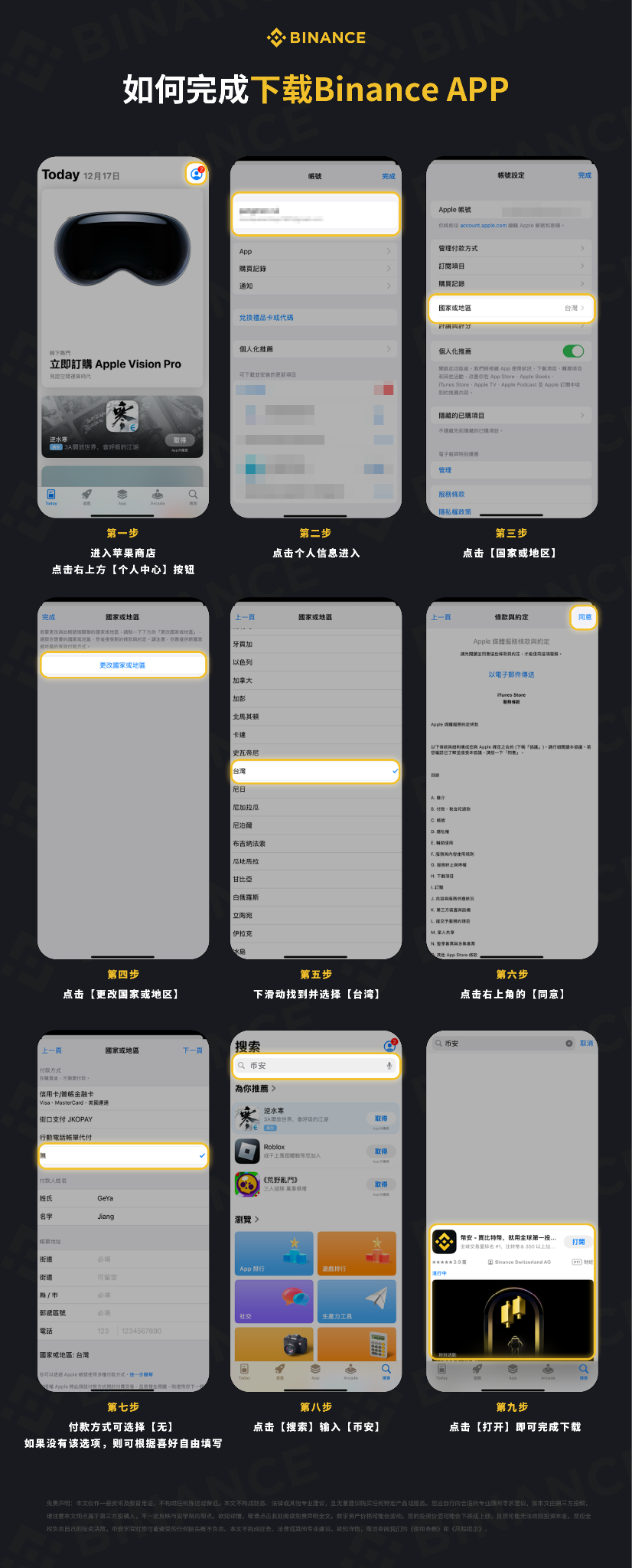
Purchase steps (similar for both): Complete KYC → Deposit USDT → Search for PAXG/USDT or XAUT/USDT in spot trading → Place an order to buy (supports fractional shares, with very low thresholds) → Choose to withdraw to a personal wallet or continue holding.
Binance referral link:
https://jump.do/zh-Hans/xlink-proxy?id=3
Or log into the Binance APP directly and fill in the invitation code aicoin668. Below are the exclusive generous registration benefits for AiCoin invitation codes:
Benefit one: Up to $440 for new customers
1. Deposit $100 + trade $100 → receive a $100 position voucher
2. Deposit $1,000 + trade $50,000 → receive an additional $300 position voucher
3. Deposit $3,000 + trade $200,000 → receive an additional $40 cash voucher
The three tiers are cumulative, and depositing $100 allows you to access the first tier
Benefit two: Blind box opening, up to 25 RE tokens
1. Register + deposit $50 + trade $100 + log into the App
2. After completion, one blind box will be opened, randomly drawing RE tokens, with a maximum of 25 tokens
This means that a new user completing tasks can receive two layers of benefits
OKX referral link
https://jump.do/zh-Hans/xlink-proxy?id=2
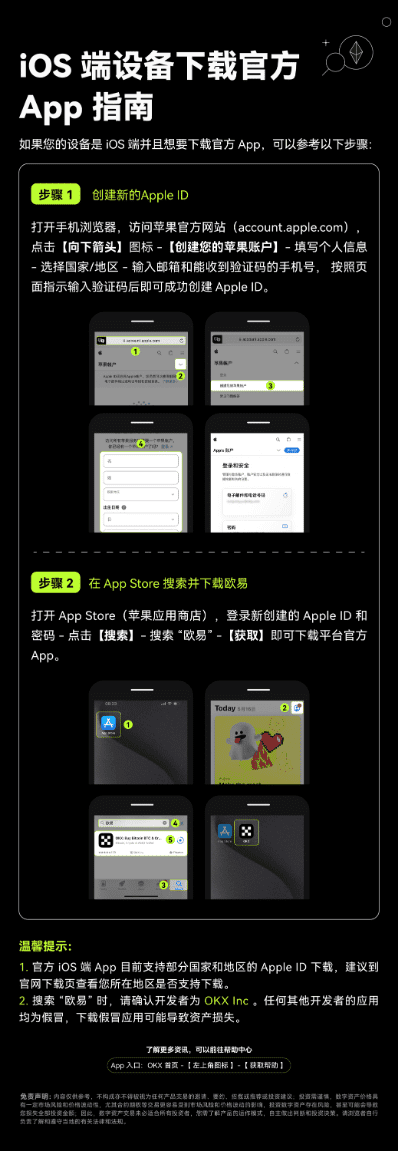
Or log into the OKX APP directly and fill in the invitation code aicoin20 for a permanent 20% fee rebate.
The medium to long-term logic of gold remains, but in the short term, it is dominated by interest rates and real yields. What is most needed now is patience: pay attention to the FOMC meetings at the end of October and in December, observe whether inflation and yields turn, while using the lower-cost tokenized method to position on Binance or OKX. Tokenized gold is not a "sure win"; it merely reduces holding costs and increases convenience, allowing you to wait more calmly for the turning point.
This article is for data and logic popularization only and does not constitute investment advice. The market has risks, and please conduct independent research on the issuer's reports, platform rules, and personal tax situations before making decisions.
免责声明:本文章仅代表作者个人观点,不代表本平台的立场和观点。本文章仅供信息分享,不构成对任何人的任何投资建议。用户与作者之间的任何争议,与本平台无关。如网页中刊载的文章或图片涉及侵权,请提供相关的权利证明和身份证明发送邮件到[email protected],本平台相关工作人员将会进行核查。