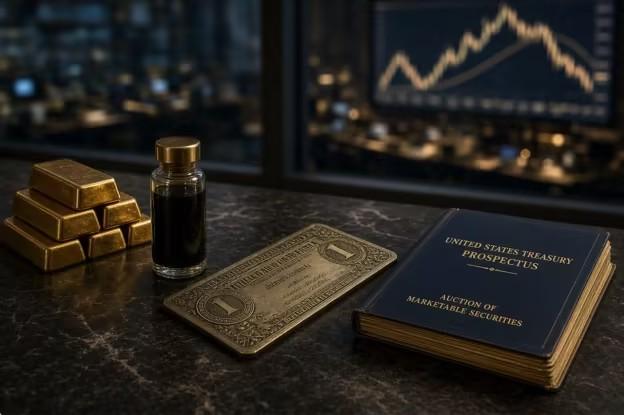
Those who are new to investing often encounter them repeatedly in the same news report: gold prices reach new highs, oil prices surge due to tensions in the Strait, the dollar index rebounds, and the yield on ten-year U.S. bonds surpasses a certain level. Viewed separately, they appear as four distinct varieties; when combined, they form four corners of a global balance sheet.
Gold: A monetary commodity with no interest income, priced in dollars, with its counterpart being real interest rates (nominal interest rates minus inflation expectations).
Oil: An input for industry and inflation, most trade is still priced in dollars, and supply shocks can rewrite central bank reaction functions.
The Dollar: A unit of reserve, trade, sanctions, and clearing, its strength or weakness determines the "dollar price" of other assets.
U.S. Bonds: The U.S. government's borrowing receipts, and the deepest global risk-free interest rate anchor. When the yield on ten-year bonds rises, the discount rates for stocks, mortgages, and emerging market debt increase simultaneously.
Studying the relationships is not about appearing professional; it’s to avoid making a foolish mistake: only looking at the rise and fall of one element and inferring how the other three must move. The four often move in the same direction but can also separate. When they separate, pricing is what speaks.
How They Are Connected
First, let's turn the gears with current numbers.
Around September 28, 2026: The yield on ten-year U.S. bonds is about 5.21%, having been around 5.00% a week earlier, with a 52-week low of about 3.94%; the thirty-year yield briefly reaches about 5.5%, a high not seen in twenty years. WTI is about $94 per barrel, Brent about $106–107; news of Trump rejecting Iran's reopening of the Strait rewrites the supply premium back into oil prices. Gold is about $4160–4260 per ounce, with a weekly decline of 2%–3% due to rising real yields. The dollar index is around 101.1. The S&P 500 is about 7700 points, moving sideways under high yields.
The reading can be brief: Strait risks → Oil prices → Sticky inflation expectations → The Fed finds it harder to ease or is still priced as tight → Bond yields rise → The cost of holding gold increases, the dollar is strong → The discount rate for risk assets becomes expensive. None of these steps are law, but this was the chain that played out in the week of September.
Next, let’s write the mechanisms as four verifiable connections.
Oil and the Dollar. Oil contracts and most cross-border oil payments are still settled in dollars. Importing countries must first obtain dollars, and exporting countries’ revenues also first convert to dollar assets. As oil prices rise, the short demand for dollar liquidity increases globally; if the increase in oil prices is due to supply disruptions instead of global overheating, the dollar might not necessarily surge concurrently, as growth expectations deteriorate. The 2026 Strait disturbances lean toward a supply shock: oil rises, concerns about growth and inflation coexist, and the bond market expresses "the central bank finds it harder to ease" through rising yields.
Oil and U.S. Bonds. Oil prices enter the CPI as an energy component and also affect inflation expectations. When expectations rise, nominal yields often increase. Conversely, if oil prices soar and push the economy into recession, long-end yields may fall due to safe-haven buying—during the early pandemic in 2020, oil prices crashed, and bond yields dropped sharply. The same pair of variables show opposing signs in "inflation shocks" and "demand collapses." When observing oil, first ask whether this time it is a supply issue or a demand issue.
U.S. Bonds and Gold. Gold does not pay interest. When real rates rise, the opportunity cost of holding gold increases, pressuring gold prices; when real rates fall, gold prices often receive support. In September 2026, gold prices retreated from high levels, and the public commentary directly pointed out "rising real yields." Exceptions are noteworthy: expectations of debt monetization, geopolitical risks, and central bank gold purchases can keep gold prices strong even when real rates are not low. These exceptions need separate explanations and cannot be taken as a default.
The Dollar and Gold, Oil. Both are priced in dollars. When the dollar index rises, the same ounce of gold or barrel of oil becomes more expensive for holders of euros or yen, putting downward pressure on the dollar-priced prices. During periods of a weak dollar, the dollar prices of gold and oil are more prone to rise. In the two weeks of a strengthening dollar in September 2026, gold was squeezed from both rising yields and the dollar.
The Dollar and U.S. Bonds. Foreign holdings of U.S. bonds are one of the main channels for dollar repatriation. If foreign officials reduce their holdings of U.S. bonds and switch to gold, they are changing the reserve structure; if they increase their holdings of U.S. bonds, the demand for dollar assets may strengthen amidst weak bond auctions and rising yields, which can cause the dollar to strengthen due to interest rate differentials or weaken due to "U.S. assets being sold off"—the key is to look at who is selling and what they are switching to.
Awakening Memory through History
August 15, 1971. Nixon closed the gold window, and the dollar was no longer redeemable for gold at a fixed official price. The Bretton Woods system ended. Since then, gold transitioned from an official price of $35 per ounce to free pricing, and the dollar became a pure fiat currency. Today, with gold prices over $4000, the starting point is this disconnection: gold is no longer the legal anchor of the dollar but has become a reference for the dollar's credibility.
1973–1974 Oil Crisis and "Petrodollars." After the October War, OPEC imposed an embargo, and oil prices rose from about $3 per barrel to around $12. Export revenues turned into vast amounts of dollars that needed to flow back to banks and U.S. assets. The binding of the dollar to oil became not just a pricing habit but also a cycle: selling oil yields dollars, which are used to buy U.S. bonds or stored in dollar banks. Oil is no longer just a commodity; it has become one of the engines driving dollar demand.
1979–1981 Volcker. The second oil shock pushed oil prices to approximately $37, and U.S. inflation reached double digits. Volcker raised policy rates close to 20%. The pain was a recession, but the effect was falling inflation and a strong dollar in the first half of the 1980s. This lesson remains jarring today: after an oil price shock, the bond market and gold listen to whether the central bank is willing to restore credibility through high interest rates. In September 2026, with ten-year yields returning to 5.2% and gold retreating from highs, this is a weak echo of the same logic, not a replication of a 20% federal fund rate.
2013 Taper Tantrum. Bernanke hinted at reducing bond purchases, and the ten-year yield rose sharply within months, emerging market currencies came under pressure, and gold confirmed its bear market after its high point in 2011. There was no new oil crisis, only the line that "dollar liquidity will decrease." U.S. bond yields could rewrite global risk appetite without going through oil prices.
2022. The Russia-Ukraine conflict drove up energy prices, the Fed entered aggressive rate hikes, the ten-year yield surged above 4%, the dollar rose significantly, and gold initially fell before recovering on expectations of peaked real interest rates. Once again: oil, bonds, and dollars moved first, with gold choosing a direction near the inflection point of real rates.
These four historical segments are not meant to require memorizing dates; they are to encourage reflexes: first ask "Is this time the shock affecting inflation, growth, or liquidity?" and then decide which among gold, oil, bonds, and currencies should lead.
How to Study and Observe Trends
You don't have to first build a macro model. A weekly table will suffice.
Column One: Ten-year U.S. bond yields, two-year yields, breakeven inflation (if available). Calculate rough real rates.
Column Two: WTI, Brent, Copper (Copper is more demand-oriented). Determine if oil is a supply or demand issue.
Column Three: Dollar index, Euro, Yen.
Column Four: London Gold, Silver.
Column Five: S&P, Nasdaq, Bitcoin—observe whether risk assets are digesting the same discount rate.
There are only three rules. When real interest rate trends are upward, gold needs stronger reasons to rise. If oil prices rise due to supply and the economy has not yet entered recession, the bond market will first guard against inflation. When dollar liquidity contracts (yields up, dollar strong), emerging markets and overvalued growth stocks come under pressure first. If all three break simultaneously, then go revisit the news for exceptions.
To see global trends, you can harvest one phrase: the September 2026 table indicates "energy supply premium + high nominal rates + a strong dollar." Before this table gets rewritten—say, the reopening of the Strait, a decline in inflation expectations, or a growth collapse forcing yields to reverse—the daily fluctuations of gold, oil, bonds, and currencies will mostly still be the same set of gears rubbing against each other, not four independent stories.
Understanding Channels and Assets for Global Pricing
The "original" versions of gold, oil, dollar, and U.S. bonds exist in London gold fixes, the New York Commodity Exchange, foreign exchange markets, and U.S. bond auctions. Binance and OKX are not substitutes for any of these four markets; they are entry points for individuals approaching partial exposure using stablecoins.
The Dollar. The most direct options on the two platforms are dollar stablecoins like USDT and USDC. They are close to "units of dollars in an account," not liabilities of the Federal Reserve, carrying issuance and decoupling risks. Fund deposits, pricing, buying other assets mostly start from here.
Gold. Some trading pairs offer tokenized gold or gold-related assets (subject to availability on the day listed, visibility may vary by region). They track gold prices but are not deliverable gold bars in a vault; you need to read the issuer, custody and redemption rules.
Oil. Retail users rarely find official contracts that equate to WTI futures on these two platforms. More likely are energy-related tokens, stock tokens, or more distant themes. Studying oil prices remains useful, but products should not be misrepresented.
U.S. Bonds. The original U.S. Treasury bonds and Treasury bond ETFs are found at brokerages and the U.S. market. Occasionally, tokenized short-term bonds or interest-themed products appear on crypto platforms, but their depth and legal structure are not at the same level as auction houses. If you want to buy U.S. bonds themselves, you should use a securities account; what’s more common on Binance and OKX is using an understanding of U.S. bond yields to decide positions in Bitcoin, gold tokens, or broad market stock tokens.
The rationale for choosing these two platforms is somewhat mundane; it’s not because they equate to Wall Street. Binance still leads in spot depth and variety coverage, with eligible regions extending to tokenized stocks; OKX's unified account and reserve disclosure is another common reason. Security emphasizes official domains, withdrawal whitelists, reserve proof, and whether your location allows that product.
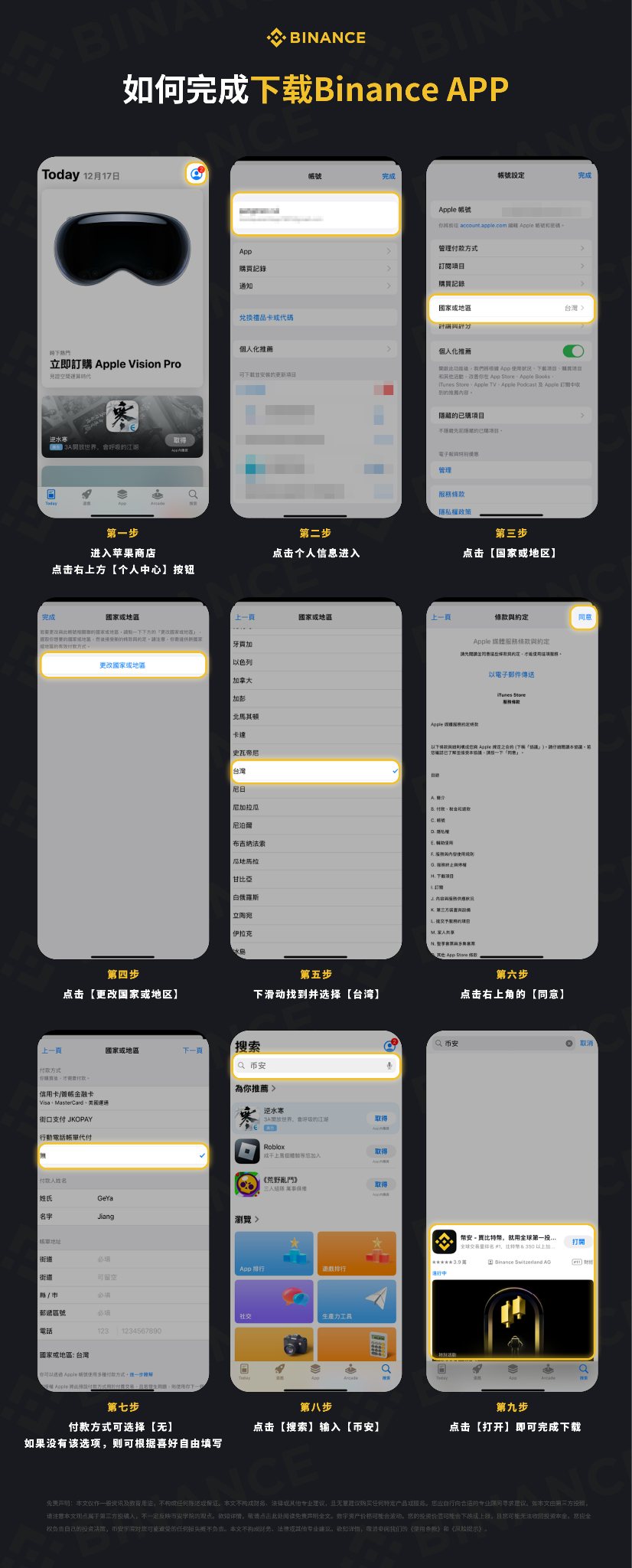
Binance Registration Link:
https://jump.do/zh-Hans/xlink-proxy?id=3
Or log in to Binance via the app and enter the invitation code aicoin668, and below are the exclusive registration benefits for AiCoin invitation code:
Benefit One: New users can receive up to 440U
1. Deposit 100U + trade 100U → receive a 100U position voucher
2. Deposit 1,000U + trade 50,000U → receive another 300U position voucher
3. Deposit 3,000U + trade 200,000U → receive another 40U cash voucher
The three tiers stack; deposit 100U to receive the first tier.
Benefit Two: Open a blind box, with a maximum of 25 RE
1. Register + deposit 50U + trade 100U + log in to the app
2. After completing the above steps, you will receive one blind box, which randomly draws RE tokens, up to 25.
This means a new user can receive double benefits after completing the tasks.
OKX Registration Link
https://jump.do/zh-Hans/xlink-proxy?id=2
Or log in to OKX via the app and enter invitation code aicoin20 for a permanent 20% fee rebate.
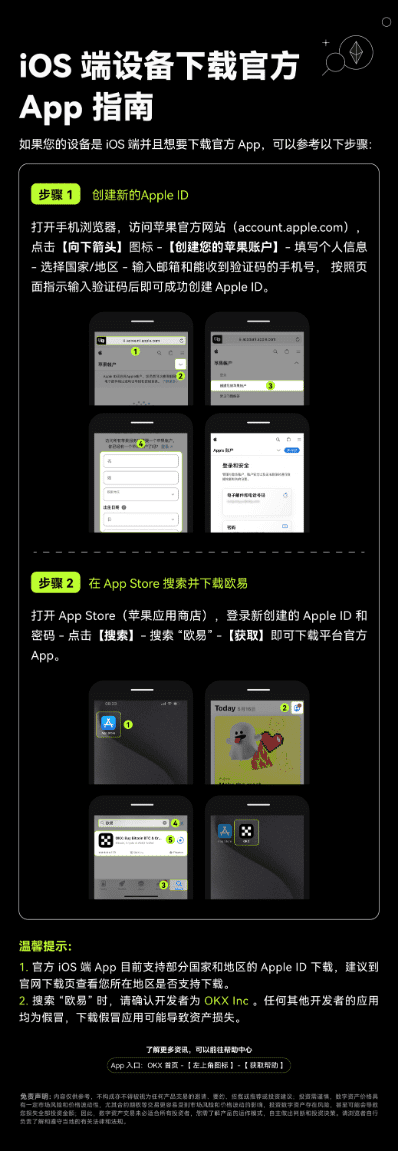
Register as needed: first fund stablecoins in small amounts, conduct spot trading, and ensure withdrawals are functioning before considering whether to use gold tokens or Bitcoin to express your views on real interest rates.
The relationships between these four elements are the grammar of global finance. Grammar will not tell you that gold prices will certainly rise next week, but it will inform you: when oil rises, bonds are sold off, and the dollar is strong, gold needs additional reasons to hit new highs. Familiarize yourself with the grammar, and then decide on which platform and with what type of receipts to express your judgment. Registration resolves the entry point. Judgments still need to be recorded in that five-column table.
At the end of the text, a risk reminder is reserved: it does not constitute investment advice; there is a risk of losing all capital; comply with local laws; do not use leverage, loans, or living expenses to participate.
免责声明:本文章仅代表作者个人观点,不代表本平台的立场和观点。本文章仅供信息分享,不构成对任何人的任何投资建议。用户与作者之间的任何争议,与本平台无关。如网页中刊载的文章或图片涉及侵权,请提供相关的权利证明和身份证明发送邮件到[email protected],本平台相关工作人员将会进行核查。