Trump Rejects Ceasefire Proposal, But US-Iran Talks Are Not Over
The situation between the US and Iran has seen new developments.
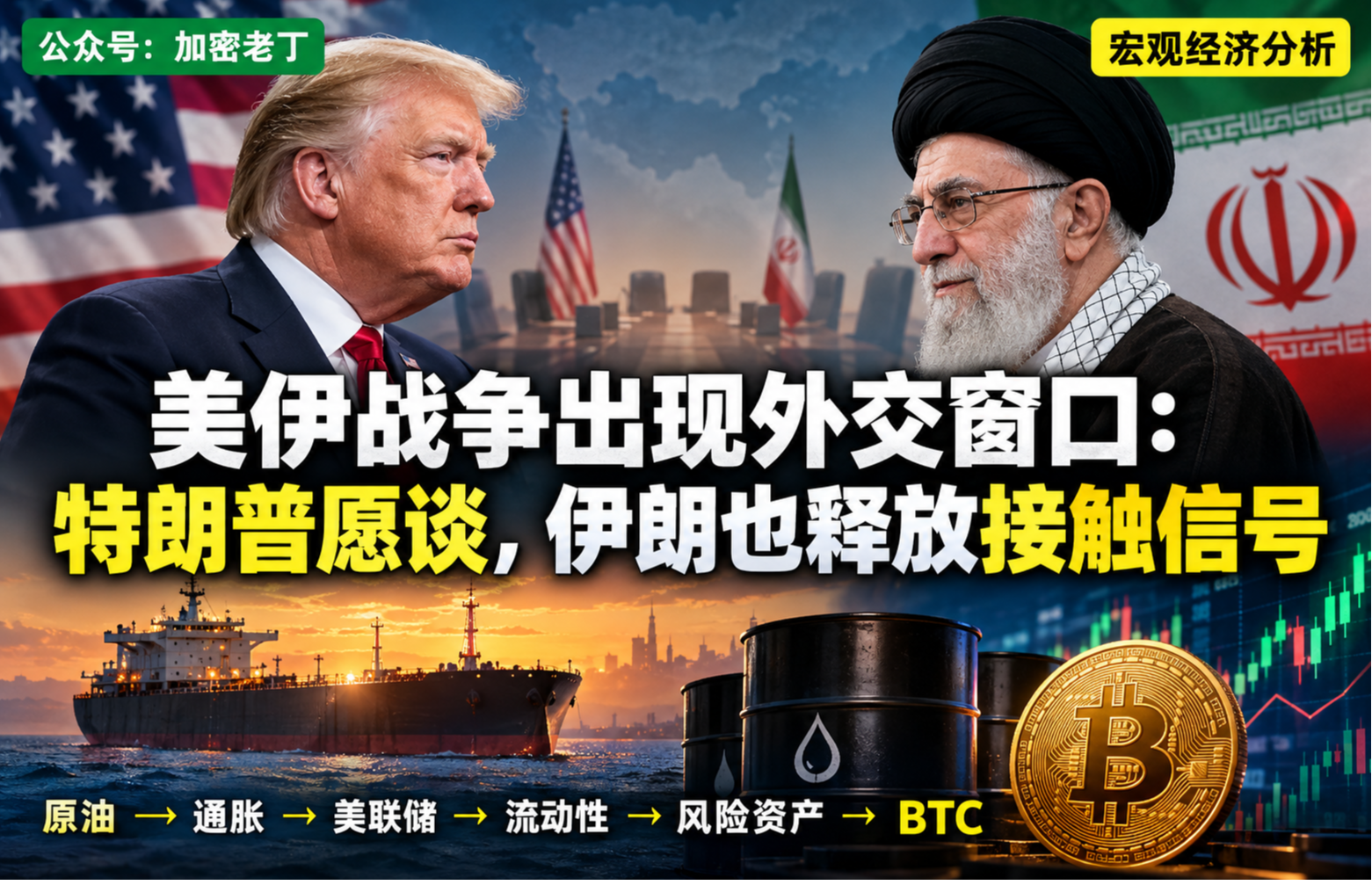
Trump rejected the ceasefire proposal put forward by Iran, but at the same time, he stated that discussions with Iran will continue this week.
From the current reports, it appears that neither side has completely closed diplomatic channels. Qatar is still playing a mediating role, relaying proposals and texts between the US and Iran, and there is a possibility for the new round of indirect negotiations to restart.
However, the issue at hand is that the biggest disagreement between the US and Iran right now is not whether to talk, but rather what to discuss first and who will make the first concession.
Iran hopes to first resolve the issues of US naval blockade, sanctions, and the Strait of Hormuz, wanting to advance subsequent negotiations only after these conditions are improved.
The US, on the other hand, is focusing on Iran's nuclear issues, hoping Iran will first make concessions regarding its nuclear activities.
Iran has expressed its willingness to negotiate but does not accept coercion, emphasizing its right to peacefully utilize nuclear technology.
So the current situation is quite subtle:
The negotiation window is still open, but there remain significant gaps in both sides' core positions.
Trump also mentioned that he does not rule out the possibility of resuming military strikes, which implies that even if the two sides continue to engage, the market should not simply interpret it as a relief from geopolitical risks.
Why is the Market Particularly Concerned about the Strait of Hormuz?
This issue is particularly noteworthy for the financial markets, largely due to the Strait of Hormuz.
It is a crucial energy transport route globally, with a significant amount of oil transportation passing through here.
If the Strait of Hormuz remains stable for transit, market concerns about interruptions to global oil supply will decrease.
However, if US-Iran conflicts escalate further, affecting transport through the strait, the market is likely to first trade on crude oil supply risks.
Currently, oil transportation through the Strait of Hormuz has become an important variable in the negotiations.
Trump stated that over 20 million barrels of oil were transported through the strait over the weekend, and US defense officials provided a figure of around 22 million barrels.
This indicates that the transportation situation in the strait is not only a geopolitical issue but also a variable that the global energy market needs to continuously observe.
For the financial market, changes in oil prices may even be more significant than news about war itself.
Because oil prices will ultimately affect a more critical factor:
Inflation.
📌 If you want to continuously track the impact of BTC, ETH, and macro data on the market, you can follow the public account "Crypto Lao Ding" which explains important market changes and the underlying logic every day.
Why Will Oil Prices Affect Bitcoin?
Many people may first react to the US-Iran conflict with:
“If the war escalates, won’t Bitcoin drop?”
But what really deserves attention is not the word war itself, but whether it will change the global macro environment through energy prices.
The logic isn't complicated.
If the situation between the US and Iran continues to deteriorate, and oil transport through the Strait of Hormuz is affected, market fears of decreased global energy supply will rise, potentially putting upward pressure on crude oil prices.
When oil prices rise, this will increase transportation, production, and residential living costs for businesses, thus putting pressure on overall inflation.
If inflation becomes stubborn again, the Federal Reserve’s options for interest rate policy may be impacted.
Thus, a complete transmission chain emerges:
US-Iran Situation Deteriorates → Rising Oil Supply Risks → Oil Prices Rise → Inflation Pressure Increases → Interest Rate Cut Expectations Are Affected → Risk Assets Come Under Pressure.
Bitcoin, as a highly volatile risk asset, may also be influenced by such changes in the macro environment.
Conversely, if US-Iran negotiations make progress and the Strait of Hormuz remains stable, lowering energy supply risks, market concerns about oil prices and inflation may also ease.
Thus, for BTC, what really matters is not “What did Trump say today?” so simply.
But rather:
Did these geopolitical events ultimately change the market's perception of oil prices, inflation, and interest rates?
What Should the Market Really Watch in This Negotiation?
Currently, three variables can be key to observe.
First, Can the US-Iran Negotiations Truly Restart?
Trump has signaled a willingness to continue negotiations, and Qatar is still mediating.
However, “continuing to talk” and “reaching an agreement” are two different matters.
The next thing to observe is whether both sides can find realistic negotiation space on nuclear issues.
If they only maintain contact without progress on core issues, then market pricing for a reduction in risk may be quite limited.
Second, Will Transportation Through the Strait of Hormuz Remain Stable?
This is one of the most direct variables affecting the crude oil market.
If transportation volumes remain stable, fears of supply interruption in the market may gradually reduce.
But if a new military conflict arises, affecting transportation, then oil prices may once again become the focus of the global market.
Third, Will Oil Prices Again Influence Inflation and Interest Rate Expectations?
This is a more important layer for BTC.
Because the crypto market is increasingly affected by macro liquidity.
If oil prices rise merely result in short-term volatility, the impact on BTC might be relatively limited.
However, if oil prices remain high and further affect inflation expectations, then market perceptions of the future interest rate path of the Federal Reserve might also change.
At that point, the flow of funds into the dollar, US Treasury yields, and risk assets would all be worthy of renewed observation.
📌 If you want to continuously track BTC, ETH, and the impact of macro data on the market, you can follow the public account "Crypto Lao Ding," which clarifies important market changes and the underlying logic every day.
📌Mr. Web3 X: Negotiation Signals Do Not Equate to Risk Removal
This time, Trump rejected Iran's ceasefire proposal but indicated that negotiations will continue this week, which shows that diplomatic channels between the US and Iran have not been completely closed.
However, there are still significant differences between the two sides on core issues such as nuclear matters, sanctions, and the Strait of Hormuz.
So it cannot simply be understood as "a cooling of US-Iran tensions" at this moment.
For the market, what is truly worth focusing on next is:
Whether negotiations can make substantial progress, whether the Strait of Hormuz can remain stable, and whether oil prices will further affect inflation and interest rate expectations.
And this logic that transmits from geopolitical events to energy, then to macro liquidity, ultimately conducing to BTC is what truly deserves attention in this matter.
—— I am Mr. Web3 X, with 6 years of growth in Web3, focusing on Bitcoin, crypto markets, macroeconomics, and industry trends. If you want to continuously track BTC, ETH, HYPE, and the impact of macro data on the market, you can follow the public account "Crypto Lao Ding". Understand the hot spots, gain insight into the logic, and build your own judgments, rather than just focusing on price fluctuations.

免责声明:本文章仅代表作者个人观点,不代表本平台的立场和观点。本文章仅供信息分享,不构成对任何人的任何投资建议。用户与作者之间的任何争议,与本平台无关。如网页中刊载的文章或图片涉及侵权,请提供相关的权利证明和身份证明发送邮件到support@aicoin.com,本平台相关工作人员将会进行核查。