Some time ago, I came across an article that said under the impact of AI, subtitle groups are doomed to die.
The article mentioned copyright, official subtitles, and the squeezing of survival space for subtitle groups due to AI, and after reading it, I became curious about one question.
When viewers open a video and can directly generate Chinese subtitles with one click of AI, or open a comic and AI can directly translate the images, how will those who do Chinese localization and subtitle groups view this issue?
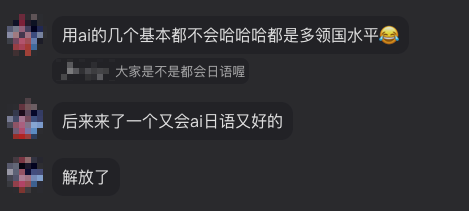
So I gradually talked to some friends who do localization, including those involved in subtitles and comic localization. I originally thought people would worry about being replaced, and there would be some resistance to AI tools.
But after the conversations, it was completely different from what I expected. I even feel that this group of people might be among the very few who are least afraid of the impact of AI in the world.
Let’s start with Eliza.
She likes Masato Sakai, who is the actor shown below, and many friends might have seen him starring in "Hanzawa Naoki" and "The Winner Takes It All."
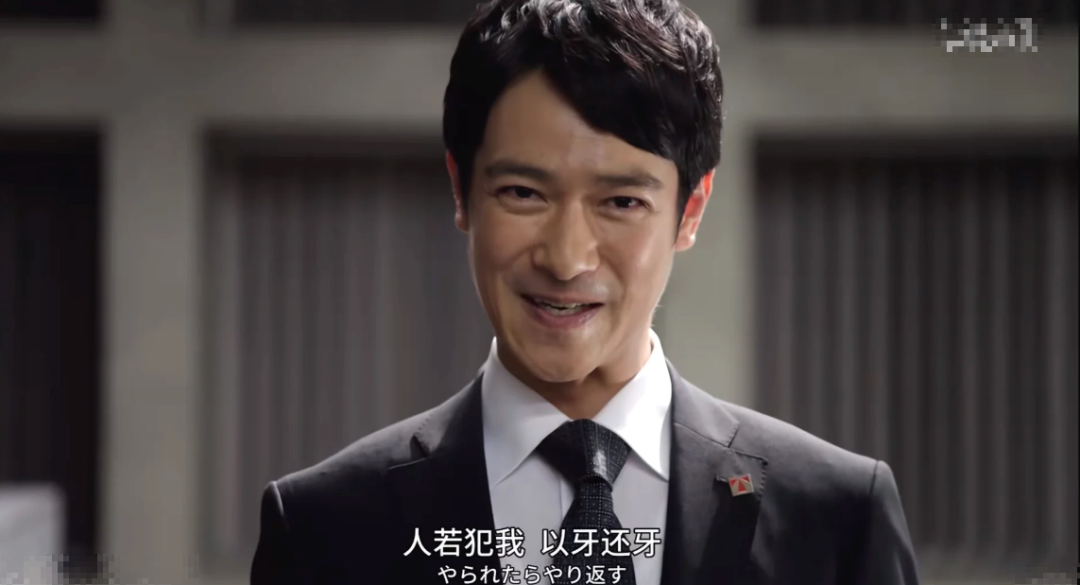
According to Eliza, Masato Sakai was at home taking care of children for two years and made very few public appearances.
With no new shows, the old fans who used to make variety show subtitles gradually dispersed. Later, when a new variety show came out, no one stepped up to take over.
As for Eliza's own Japanese skills, by her description, it is at a Duolingo level.
Unable to wait for new subtitles and unable to translate herself, she began to recruit volunteers, searching everywhere online and offline.
“Because I can't speak Japanese and really want to watch the new variety show, I started recruiting volunteers.”
Initially, there were only three people, but eventually, they gathered about 25.
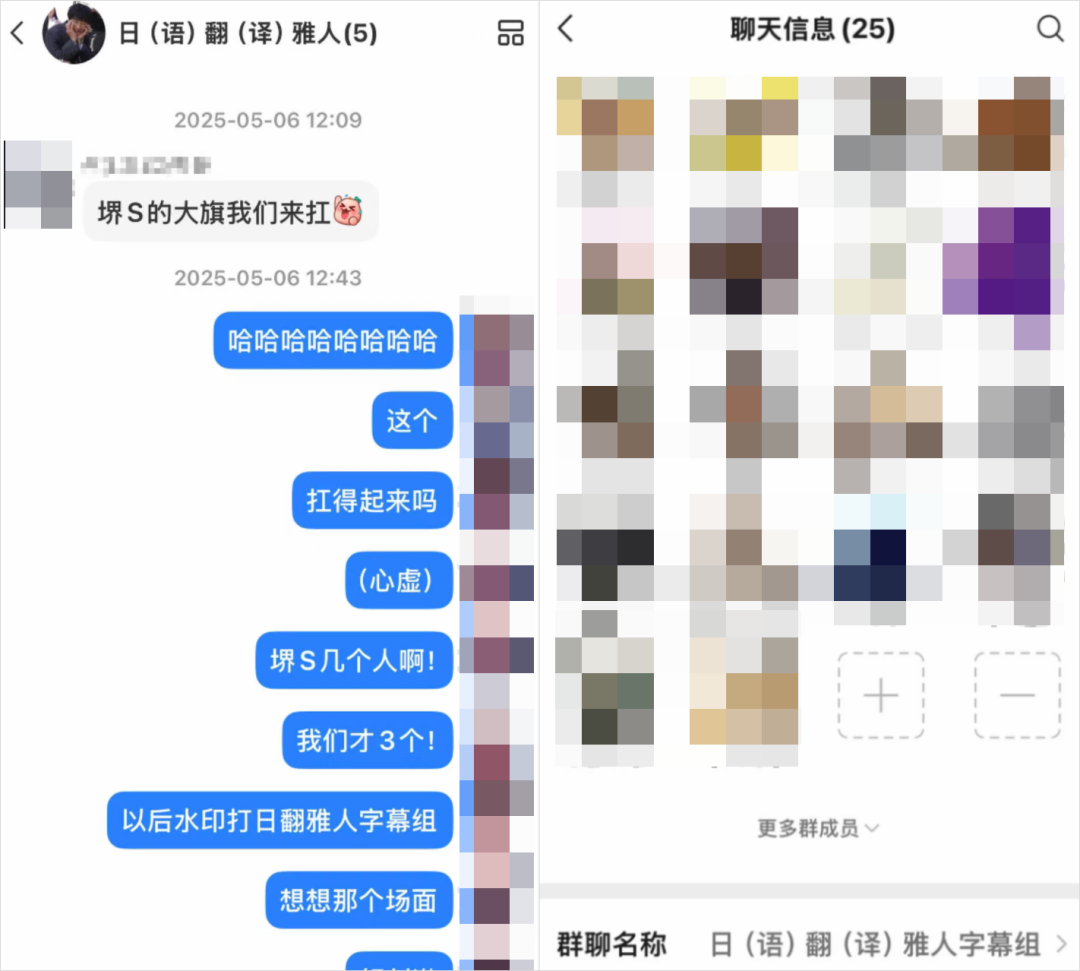
Gathering 25 people was not easy.
She said that sometimes it would take three months without anyone coming, while other times, three or four people would show up at once.
Finding people was difficult, and traditional manual subtitling was very time-consuming.
After translating the subtitles into Chinese, they also needed to mark the time each sentence appeared and disappeared to sync with the audio and visuals in the video. This step is called timing.
A 20-minute video could take three to five hours just to manually time it.
Moreover, among their team members, some are students and some are working professionals, each with their own commitments. This time has to be squeezed out of everyone's spare time.
So even if it were a skilled member doing it, it usually takes two days. If the translator also needs to time it themselves, it often requires three days to a week to complete.
Two months after the establishment of the subtitle group, a programmer joined and started delegating the most time-consuming aspects like dictation, timing, and initial translation to AI.
Eliza used three words to describe this.
“Liberated.”
Now, after they receive the original video, they can directly upload it to their own app, letting the AI model transcribe and generate Japanese subtitles with timestamps.
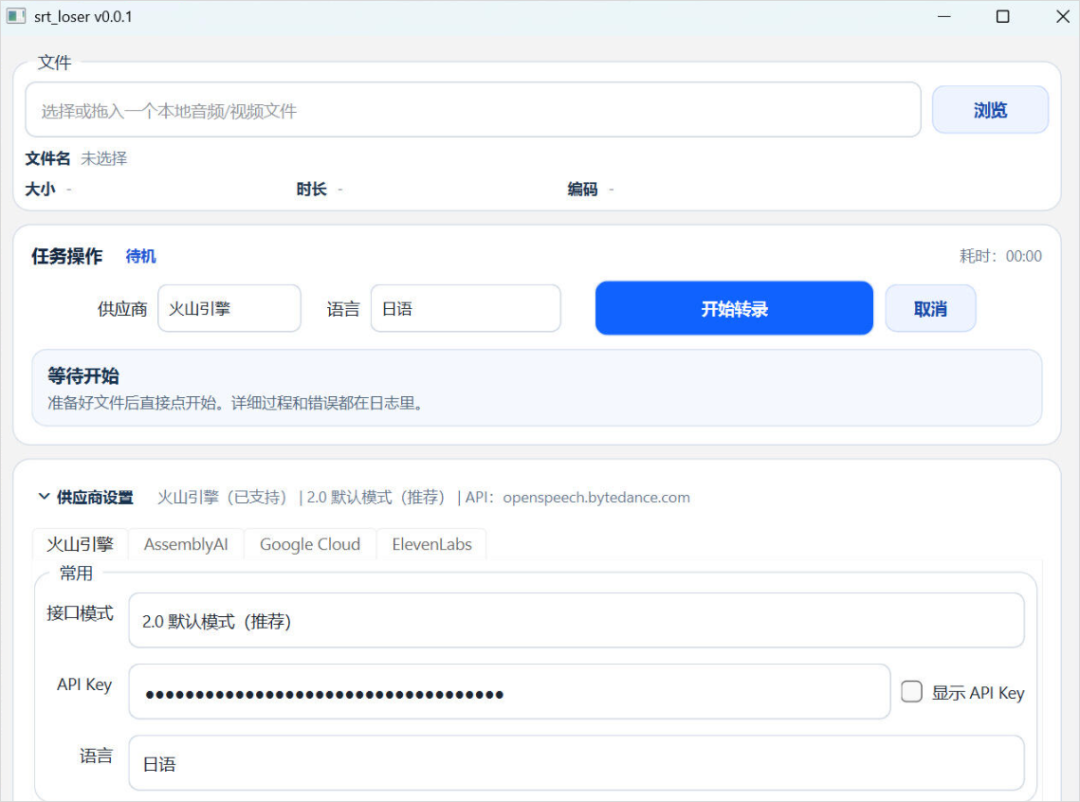
After proofreading the Japanese subtitles, they will use their own translation skills to generate Chinese subtitles.
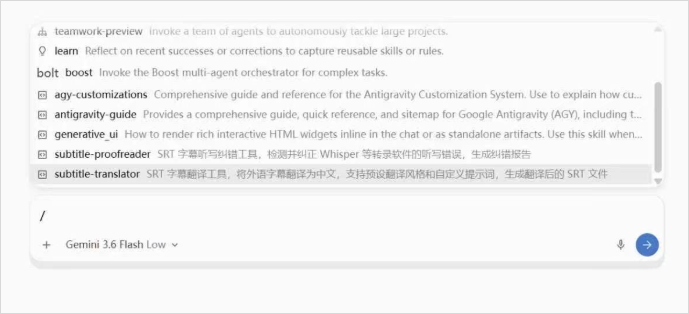
Then, they will manually proofread the Chinese subtitles and adjust the timings as necessary. Finally, they assemble all the video clips and publish them.

According to Eliza, the workload that previously required three to five hours of manual timing can now generally be completed by AI in 20 minutes to an hour. For videos with clear sound and under 20 minutes long, one or two people can work together to finish it in one or two days.
I asked Eliza, what are the members who originally handled translation and timing doing now?
She said that those who understand Japanese have all transitioned to proofreading. If someone doesn’t know Japanese, there isn’t much for them to do.
But a very important point is that not having much to do doesn’t mean they have left the group.
Eliza said that usually only about 10 people primarily participate in the localization.
This means that more than half of the group is essentially not working.
Moreover, Eliza's recruitment isn’t solely aimed at getting members to work; I asked her about her recruitment standards.
“Zero requirements, just get them in first.”
“Even if they can just provide emotional support, that's great.”
As long as they share a love for Masato Sakai, anyone interested can join.
She also showed me their group chat, which is very active. Everyone discusses plot points, not only about Masato Sakai but also about other actors from different regions. During lively times, they can produce 2000 messages in one night.
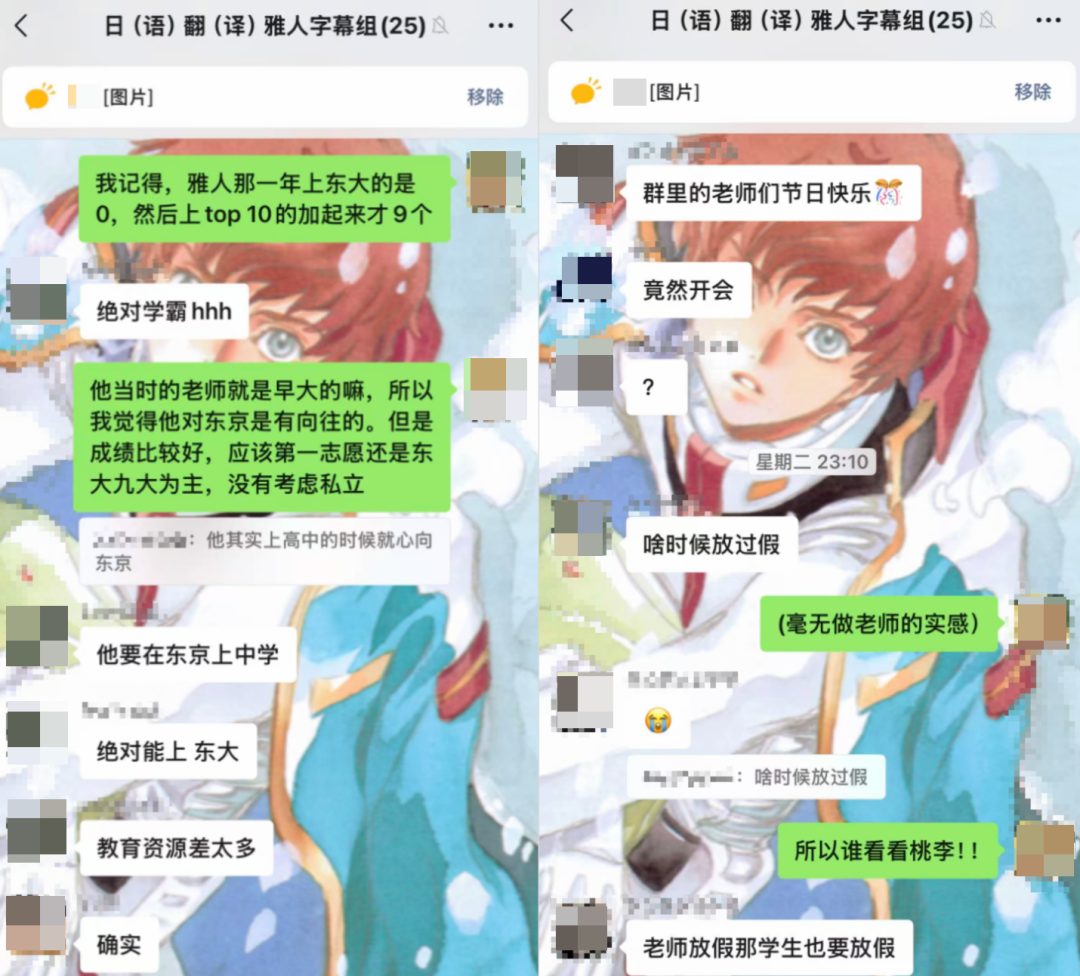
They don’t earn any income from making subtitles, and the expenses for any tools and AI memberships are covered by the members themselves.
I asked her why she was willing to pay to work.
She said that being a fan is enjoyable, and chatting and working together on something brings joy.

So, fundamentally, the subtitle group that Eliza is part of is also a fan group.
Everyone comes together because they love the same actor, enjoying the fun of chatting and hanging out. They leave the repetitive and laborious tasks to AI.
Compared to being impacted, this seems more like the right way to utilize AI = =
In addition to larger fan groups like the one above, there are also things that people like that are relatively niche, which makes it impossible to form such groups.
So some people go solo, starting their own efforts, which is also known as personal localization.
In the era of AI, personal localization is also on the rise. For example, another friend of mine, Zhenyu.
He is a programmer and also doesn’t know Japanese. When he started, he introduced himself like this.
“I’m not a member of a localization ‘group’, I’m a solo AI barbecue machine.”
In the community, videos without Chinese subtitles are called "raw meat," and once they have subtitles, they are called "cooked."
He is a fan of the streamer Nanahira, who doesn’t have a dedicated subtitle group.

So starting from mid-2024, during the day he writes code for his job, and at night he comes home to write code using AI to understand his favorite streamer.
He has developed his own tools for dictation, sentence splitting, and generating subtitle files with AI. He made his own translation skill for the translation step and used tools created by netizens for the subtitle alignment step.
For a two-hour live stream, if he rushes a bit, he can release the Chinese subtitle version by midnight.
I asked him if he was concerned about AI making mistakes since he doesn’t know Japanese.
He replied.
“Anyway, no one complains.”
Then he added.
“If there are complaints, artists would finally have a subtitle group.”
Moreover, Zhenyu does not rely entirely on AI and let it finish everything without his involvement; he manually checks for some timely background knowledge and accurate titles, and he also reviews the timing, font, and position of the subtitles himself.

If familiar fans from subtitle groups come to him, he will also create a basic draft for free, which he then hands over to Japanese-speaking members for proofreading, fine-tuning, and adjusting the timing.
For Zhenyu, AI gives the opportunity for someone who doesn’t know Japanese and can’t form a subtitle group to make subtitles.
In the past, he couldn’t wait for a subtitle group.
Now, he has become one himself.
Compared to the highly AI-driven subtitle localization above, the application of AI in comic localization is not as high as I had anticipated.
A comic localization group leader I know, Kishi, tried many AI tools with his members six months ago and also experimented with some open-source projects on GitHub.
Some tools can finish an entire chapter of a comic in just a few minutes.
But after going through them, they ultimately stopped using AI.
Let me first briefly discuss the comic localization process.
After acquiring images for a chapter, it has to go through translation, proofreading, embedding text, supervision, and publication.
The original text needs to be removed from the images, with any hidden backgrounds needing to be restored, and the Chinese text needs to be rearranged in the speech bubbles according to the characters' tones and the style of the artwork.
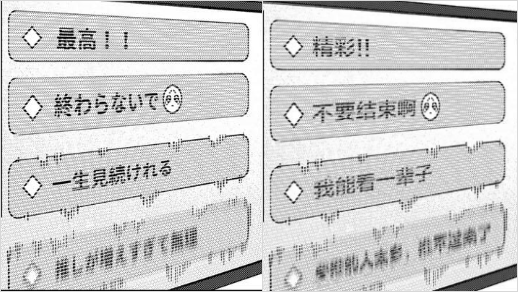
Some details can be quite exaggerated; even the blur effects of the fonts need to be created to match.

For the complex colored pages at the front of the comic, where the original text obscures patterns on clothing or backgrounds, the text embedding requires painstaking restoration of those obscured parts, so many comic groups have their own graphic designers.

Kishi showed me a comparison of AI text embedding versus manual text embedding.
It should be easy to guess, the left side is AI, and the right side is manual.
The right side clearly looks much better and has more attention to detail. For text outside the speech bubbles, a human would select corresponding Chinese fonts to recreate them based on the original image's feeling.
Moreover, the AI version on the left has already had some sentences manually interrupted.
Kishi mentioned that the AI direct output version would not even break lines according to pauses in Chinese speech. It only stuff text into defined boxes.
He gave me an example. The original layout for the AI direct output was in red text like this.

Another comic localizer, momo, also showed me a font reference chart.
When embedding text, different dialogues, narratives, emotions, and scenes all have corresponding font requirements.
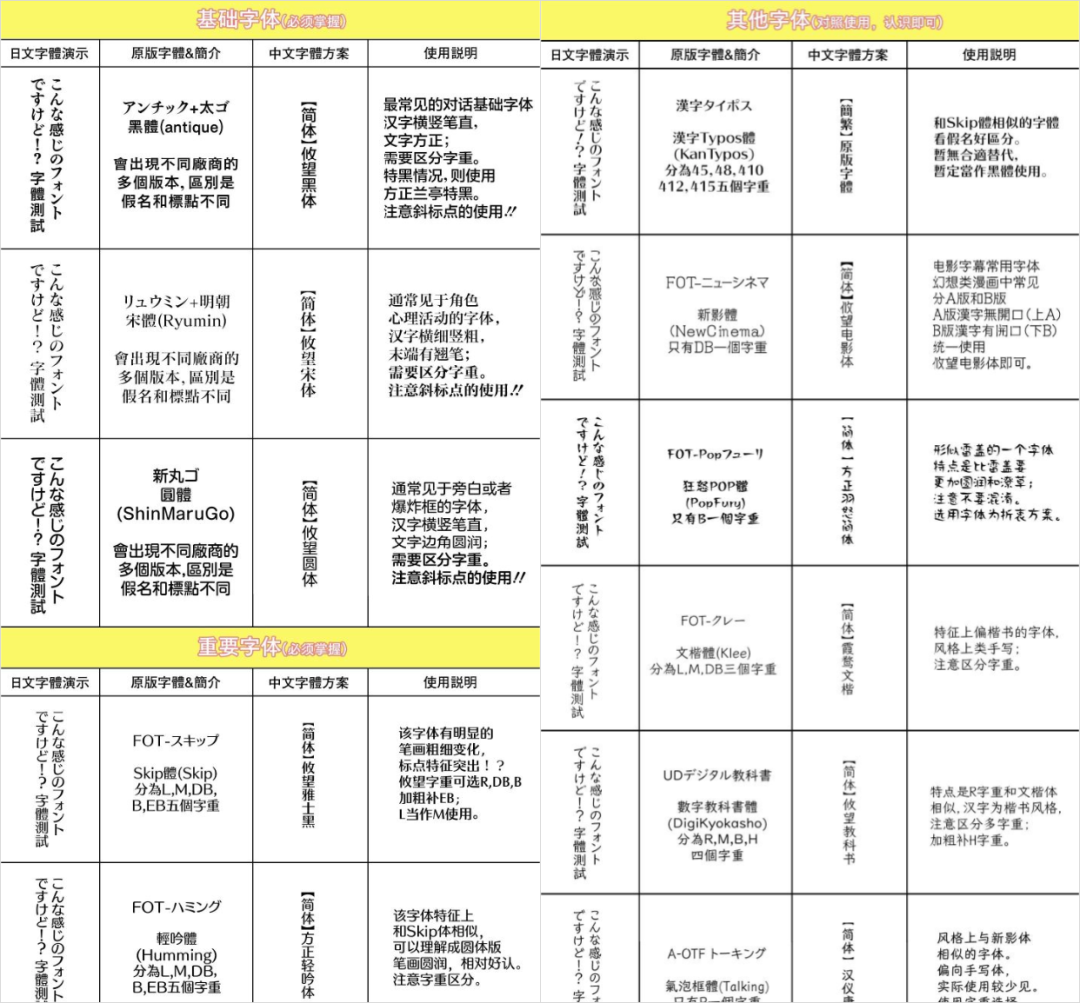
Experienced text embedders will search for fonts themselves. Momo’s computer already has 575 different fonts.
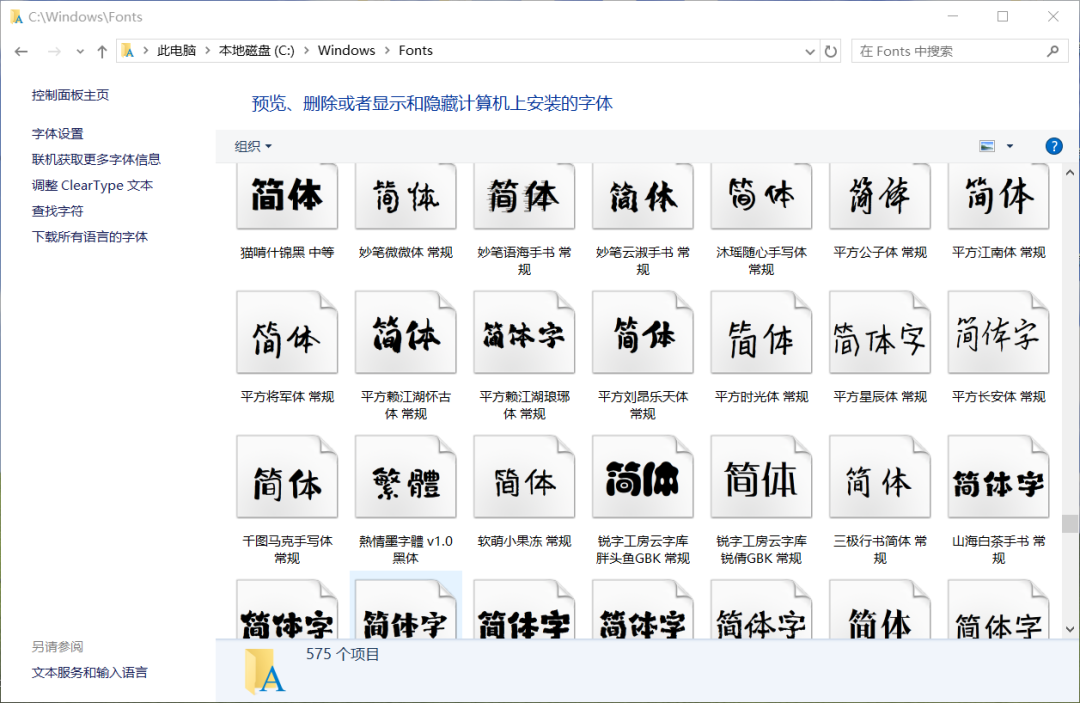
I was truly amazed when I saw it...
Then I recalled how I used to flip through comics in just seconds per page.
The details that made them enjoyable and smooth to read, I never paid attention to.
Kishi is actually quite optimistic about AI.
He believes that as long as there are developers willing to create specialized tools, issues like text recognition, proper nouns, narrative coherence, and layout will gradually be resolved.
But for now, they still prefer to do things slowly and manually according to their own standards and requirements.
In addition to quality reasons, he mentioned many translation buddies joined the localization group simply to practice Japanese while working on their favorite projects.
“Because for the vast majority of us, localization is just a hobby. Even if it greatly improves efficiency, we won't disregard our craft and just use AI to produce everything.”
“Many translators in the localization group originally joined with a learning attitude toward Japanese. If we just used AI to improve efficiency, it would be putting the cart before the horse.”
Whenever they encounter something they like, they work on it together. If there aren't any projects, it's just chatting; there are no forced tasks.
In Kishi's view.
“Network localization groups are essentially no different from college club activities. At its core, it's just a group of like-minded individuals gathering together purely for the love of a hobby.”
As for the future, he feels that since it resembles a college club, it implies that members will eventually leave.
Future members of localization groups might get used to AI translation from day one.
They may not specialize in learning how to time or embed text, nor will they necessarily form a complete localization group in the same way it is done today.
He said.
“We’ll just slowly wait for the day when we all graduate, and the newcomers are already accustomed to AI translation.”
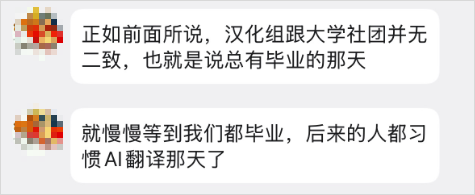
When I read these two sentences, I suddenly felt a bit sad.
It was as if a college club that had existed for many years had already written its farewell message ahead of its graduation.
But Kishi is willing to accept newcomers to approach this work in ways different from theirs. He is also open to the day when audiences get used to watching AI translations.
So far, I still can’t say they won’t be impacted by AI.
Because AI has indeed changed the traditional localization process and could really bring localization groups like today to their graduation day.
So I went to talk to Eliza again.
I asked her, if in the future when viewers open a video and can directly generate accurate and elegant Chinese subtitles with one click, what would she think of that situation.
She didn’t think long and replied almost instantly.
“That would be great, everyone can enjoy it easily.”
“Moreover, for fan communities, being able to easily access understandable resources without having to follow specific accounts is actually a good thing, after all, people can sometimes have ulterior motives, but AI doesn’t.”
This sentence was the most moving part of this interview for me.
It is also why I believe AI will never be able to impact localization groups.
Will AI make localization groups in today's sense disappear?
It’s quite possible.
But this group of people is not looking for money or traffic, not blindly efficient, and certainly not to avoid being replaced.
They simply wish for the things they love to be understood by more people.
If one day, localization groups really cease to exist, the ones who will be happiest about it might be the very members of those localization groups.
Because everyone can watch it.
That would be great.
免责声明:本文章仅代表作者个人观点,不代表本平台的立场和观点。本文章仅供信息分享,不构成对任何人的任何投资建议。用户与作者之间的任何争议,与本平台无关。如网页中刊载的文章或图片涉及侵权,请提供相关的权利证明和身份证明发送邮件到support@aicoin.com,本平台相关工作人员将会进行核查。


