In mid-September 2026, UNI suddenly surged nearly 20%. On the surface, it appears to be stimulated by the SEC's new policies, but in essence, it is the result of the Robinhood Chain's successful validation, which has led to a repricing of the entire on-chain financial infrastructure.
This is not merely a case of policy hype; a clear fundamental closed loop is forming.
1. The SEC did not name Uniswap, yet wrote the rules in a way that resembles Uniswap
The SEC's Innovation Exemption allows for limited tokenized stock trading on on-chain platforms, with core requirements that are very clear:
- Real U.S. stocks on-chain, with holders enjoying the same rights as original stocks;
- The underlying is running on a public, permissionless blockchain;
- Transactions must go through permissioned AMM Liquidity Pools, with access granted to approved participants.
Translated into crypto language, this means: public chain + KYC/allowlist + AMM.
Uniswap has already launched Permissioned Pools on July 23—every swap and LP operation checks wallet permissions beforehand, partnering directly with Securitize, Superstate, and Dowgo, targeting tokenized funds, securities, and equities.
The regulatory framework provided by the SEC two months later almost mirrors the product form that Uniswap has already implemented. The capital transaction path has become clear:
Real U.S. stocks on-chain → TSV → KYC users → Permissioned AMM → Uniswap v4
Although the final step has not been fully announced, the product, chain, and partners are all in place.
2. Robinhood is the first true building block to land
The entity that truly transformed this path from a PPT into reality is the Robinhood Chain.
When the Robinhood mainnet went live, it prompted Uniswap to deploy dedicated AMMs immediately, positioning it as one of the primary public liquidity protocols. This is not a simple "integration," but a formal shift of Uniswap from a "B2C DEX where users trade by themselves" to providing underlying liquidity infrastructure for platforms and public chains in a B2B2C manner.
In the past two months, this logic has accelerated:
- Robinhood Chain has verified real transaction volume and protocol revenue;
- Circle's Arc is following closely behind;
- Kraken's Ink is also making moves.
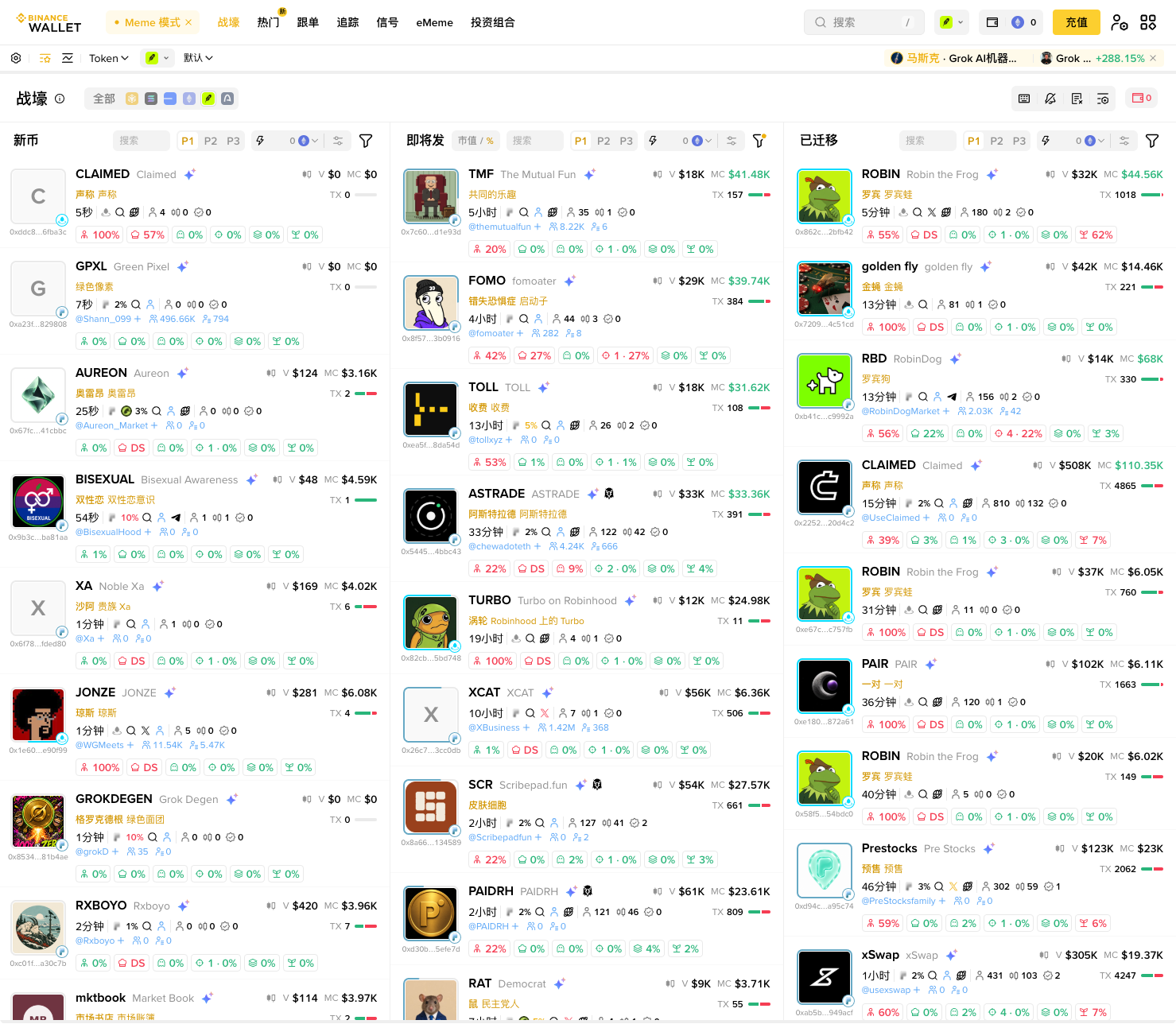
The investment process with Robinhood can start directly from the Binance Wallet Meme page.
Binance Wallet Meme trading entry:
https://web3.binance.com/zh-CN/memes?ref=SEPRFR9Q
Each new chain and every compliant platform connecting to Uniswap is expanding its coverage. More chains = more trading volume = more protocol revenue = more UNI buybacks and burns.
This is the real fundamental change for UNI in this round: changing from being user-facing to becoming the liquidity infrastructure of the on-chain financial world.
3. Once policies loosen, the on-chain world will become more lively
After the SEC’s new policies, related assets have collectively risen. From a weekly view, many are still in the lower range. The market focus has shifted from "simply issuing stock tokens" to who can give more financial utility to tokenized stocks:
- Yield splitting: Pendle has already experimented with Nvidia's dividend separation on the Robinhood Chain, while protocols like Pare Stocks support splits for AAPL, SPY, etc.;
- Credit and structuring: Morpho offers precise configuration of risk parameters for single stock tokens, while Gage and Note Systems are engaged in peer-to-peer lending and structured notes;
- Multi-chain traffic exits: PancakeSwap, Raydium, and others are accommodating traffic from other ecosystems;
- New paths for stock-token memes: company attitudes and on-chain equity control become new differentiation points.
Short-term speculation revolves around these four areas, while the long-term depends on whether listed companies accept it, whether off-chain rights genuinely correspond, and whether assets can be smoothly redeemed.
4. Opportunities belong to those who are prepared
What Robinhood brings is not only a revaluation of UNI but also the inception of the entire narrative of "compliant on-chain stocks + infrastructure."
The key to success in this new wave lies in who can swiftly enter the liquidity window of these new chains and new products. Whether it's Arc, the Robinhood Chain, or the upcoming Ink, **being prepared with the Binance wallet (or an equally fast and compatible wallet)**, configuring the network, and testing small cross-chain transactions and trading loops is still the core prerequisite for seizing early dividends.
When the moment of launch or the new policy takes effect comes, whether there is available USDC in the account, and whether it's possible to quickly complete “arrival → transaction → exit” often determines whether you are a spectator or a participant.
The rise of UNI fundamentally reflects the market pricing the prospect of "Uniswap becoming the default liquidity layer for compliant on-chain finance." Robinhood is merely the first successfully validated building block, with Arc and more public chains and real assets to follow.
The cycle is still early, but the direction is already clear. Preparing the entry point is what should truly be done in this round.
Exclusive benefits for AiCoin users
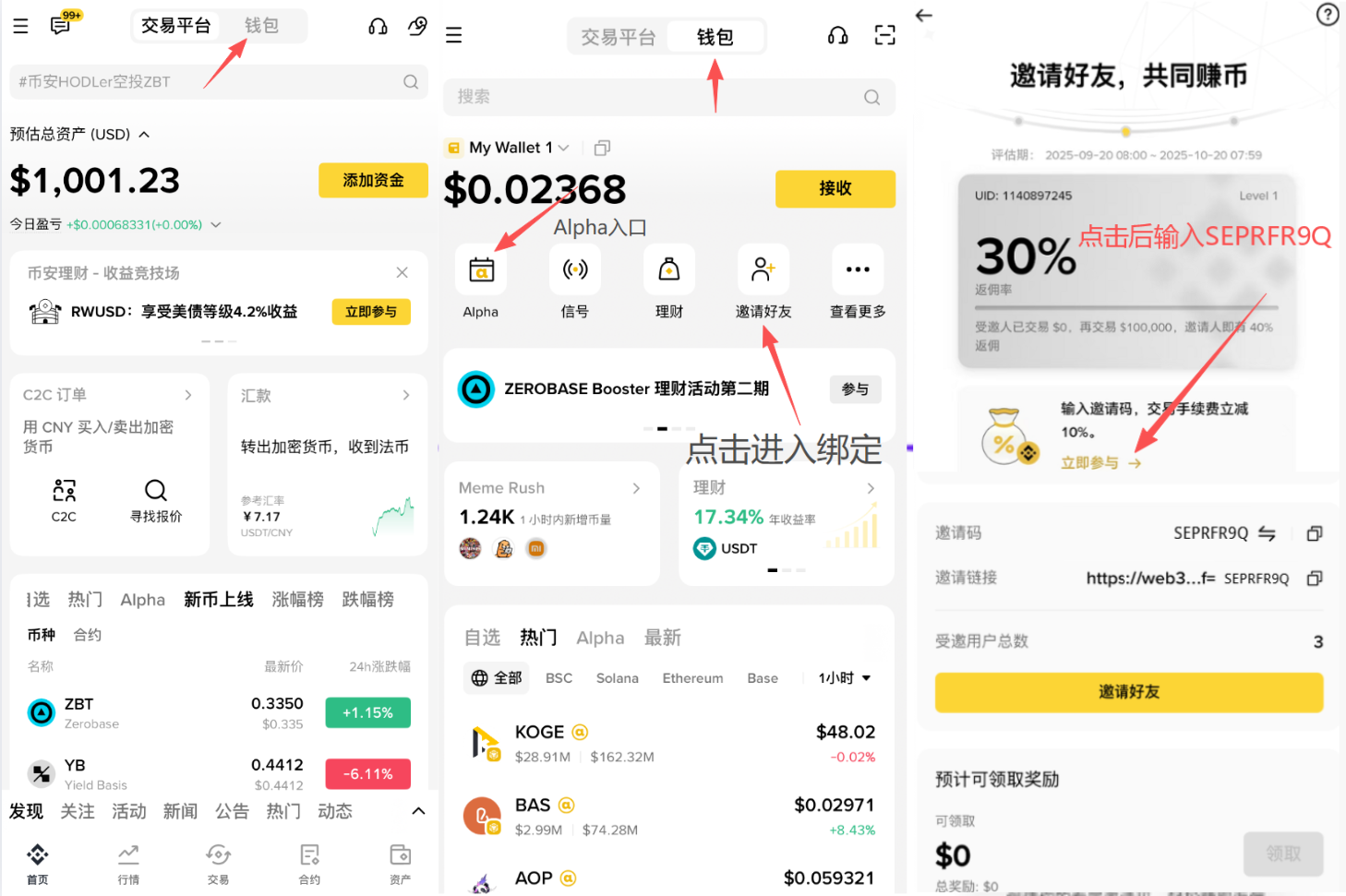
👉 Enter invitation code SEPRFR9Q while using the Binance wallet to enjoy a 10% rebate on transaction fees, making meme trading cheaper and more profitable
🔗 Exclusive link:
https://web3.binance.com/referral?ref=SEPRFR9Q
免责声明:本文章仅代表作者个人观点,不代表本平台的立场和观点。本文章仅供信息分享,不构成对任何人的任何投资建议。用户与作者之间的任何争议,与本平台无关。如网页中刊载的文章或图片涉及侵权,请提供相关的权利证明和身份证明发送邮件到support@aicoin.com,本平台相关工作人员将会进行核查。