Elon Musk's SpaceX has been talking, internally, about buying the leftover customer files of startups that already went under. Not licensing data from companies that are still operating and can say no. Buying the digital estate of companies that no longer exist to say anything at all.
The discussions are happening inside SpaceXAI, the artificial intelligence division born in February when SpaceX merged with xAI. People familiar with the talks told Bloomberg they're informal and might go nowhere. But the idea makes sense from the perspective of an AI lab racing for the frontier.
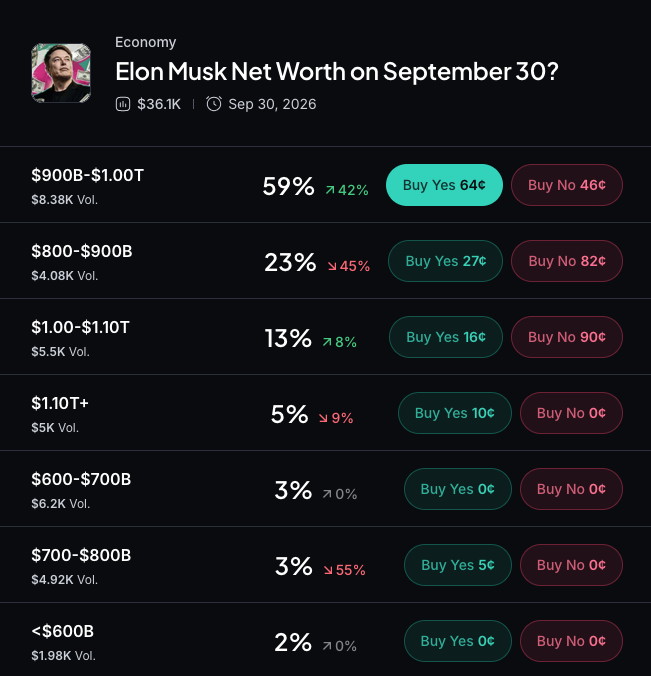
Myriad: How much will Elon Musk be worth? Click to make your prediction.
The goal is basically cheap fuel for Grok. AI models learn from training data—the text, code, and records an algorithm studies to get better at predicting what comes next—and the good stuff, real business records instead of scraped web pages, is getting expensive. A dead company's file cabinet is apparently a bargain by comparison.
Google already did the same. The search giant paid $10 million in a bankruptcy auction for the internal records of Spirit Airlines, the discount carrier that shut down for good this year. They got around 100 million emails, 500 million Microsoft Teams messages, decades of employee files, all headed into an AI training pipeline.
That data belonged to real employees who signed up for a job, not an AI experiment. A flight attendants' union objected in bankruptcy court, arguing that scrubbing names off records—what companies call "de-identifying" data—doesn't stop someone from piecing together who said what in a decade of internal chats. The court fight is still ongoing.
Chapter 11, the bankruptcy process that lets a failing company liquidate its assets to pay off debt, treats a customer database the same way it treats office furniture. It gets auctioned to the highest bidder. Nobody asks the customers, because by the time the gavel drops, there's no company left for them to complain to.
SpaceXAI wants operational data and customer information from startups in exactly that position, so it can keep training Grok on how real businesses actually run.
In August, Musk told a SpaceX all-hands meeting the company would go further than buying outside data and would mine its own. “It will inherit your thoughts,” Musk reportedly told employees.
Musk framed that as a feature, not a bug. He told staff to think of themselves as raising the model, since it would absorb their outlook along with their work, without specifying which categories of employee data would actually be used or how.
SpaceX released Grok 4.5 in July as its first model since the xAI merger closed, with a second Musk-owned deal, the $60 billion Cursor acquisition, and a delayed new version of Grok coming up in the immediate future.
免责声明:本文章仅代表作者个人观点,不代表本平台的立场和观点。本文章仅供信息分享,不构成对任何人的任何投资建议。用户与作者之间的任何争议,与本平台无关。如网页中刊载的文章或图片涉及侵权,请提供相关的权利证明和身份证明发送邮件到support@aicoin.com,本平台相关工作人员将会进行核查。


