The previously discussed issue of a publicly-listed company brutally terminating contracts with over 100 fresh graduates has made progress. The company issued an internal disciplinary decision yesterday, with the general manager (who is also the chairman) having his salary deducted for 12 months, the HR director dismissed, and others reassigned.
This reminds me of this image, in "Towards the Republic," Empress Dowager Cixi is brought to tears by the Eight-Nation Alliance, pleading with Ronglu to seek mercy from the foreigners, urging others to take more blame, as long as she can remove herself from the death list; paying a bit more money is also acceptable, measuring China's material strength, seeking the goodwill of the nation.

The chairman's stock value at the end of the half-year is over 10 billion, and the deducted annual salary is 1.1 million. Today, the stock price rebounded by 4 points, so the market value in the chairman's hands has almost regained 300 million. So, is this salary deduction really valuable?
In fact, the more concerning topic in this matter is: Next time, what should students do if they encounter a business that is not listed, has no overseas clients, and cannot trend on social media?
Now AI can encapsulate experience into skills, calling upon them when problems arise, and students should also have a set of such rights protection skill packages: what evidence to keep in different situations, whom to report to, how to fill out materials, and who to turn to when things can't be resolved, etc..
Government's unified guidance is one aspect;
Schools should also extend employment services to post-employment, such as teaching rights protection practices once before graduation, providing material templates, having designated contacts to assist with legal services, and more.
The current reality is that companies are familiar with the rules, while fresh graduates are like new leeks, each batch equating to starting from scratch; the labor-capital relationship is inherently asymmetrical in power. Therefore, the more standardized the path, the lower the cost for students to seek help, and the higher the probability that companies will be held accountable for their cunning tricks.
I hope that future student friends will be able to defend their rights without first needing to become news.
......
Returning to the market, there are several hot topics today.
1. First, it’s the first domestic GPU stock, Moore's X, which saw a dramatic drop of 20% today, marking the first time the stock price has halved from a high since the company went public.
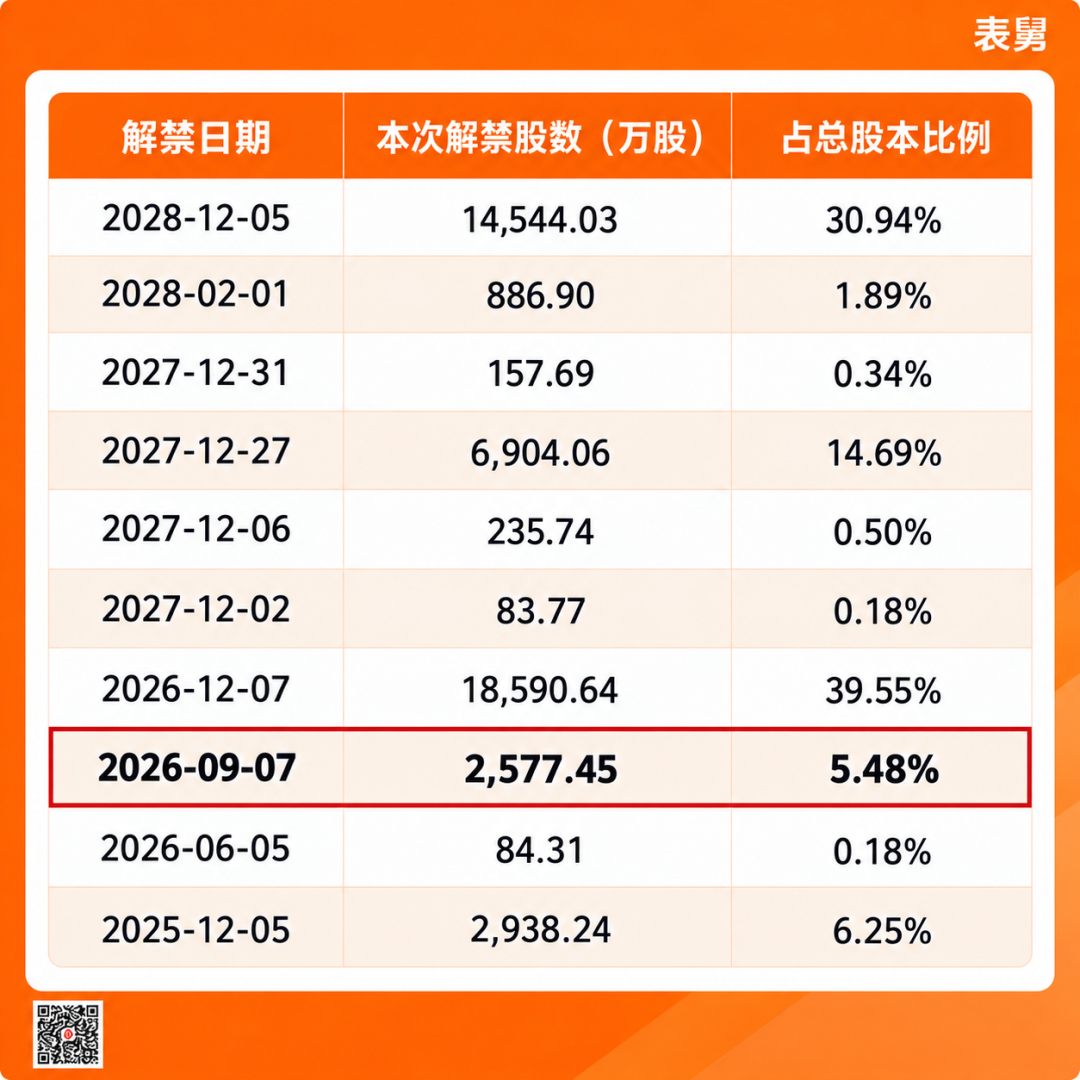
The reason is that after its IPO in early December 2025, it experienced its first large-scale unlocking of shares. Before the unlocking, Moore had slightly over 30 million traded shares, but this time over 25 million shares were unlocked at once, increasing the flow of shares by approximately 85%, as shown in the diagram below.
Of course, the larger sum will actually occur in early December.
To explain further, the shares that were unlocked this time were the restricted shares issued during the IPO's offline allocation, meaning those qualified for the initial offering, such as public funds, insurance, and wealth management funds, etc. These funds either sell on the first day of listing or sell as soon as the lock-up period is over—the common lower limit for offline allocation lock-up periods is six months, while Moore specifically set the lock-up period to nine months at the time of listing, which expires today.
Last time we mentioned that 70% of the funds from the institutions that subscribed to Changxin were under a lock-up period, so stay tuned.
2. The unlocking pressure will certainly be a risk point.
However, my personal view is that compared to the Hong Kong stock market, the unlocking pressure in the A-share market is actually (relatively) controllable.
We’ve previously discussed that, compared to past upward cycles, A-share IPOs in this round have been relatively restrained, thus the corresponding unlocking pressure is less than in previous periods.
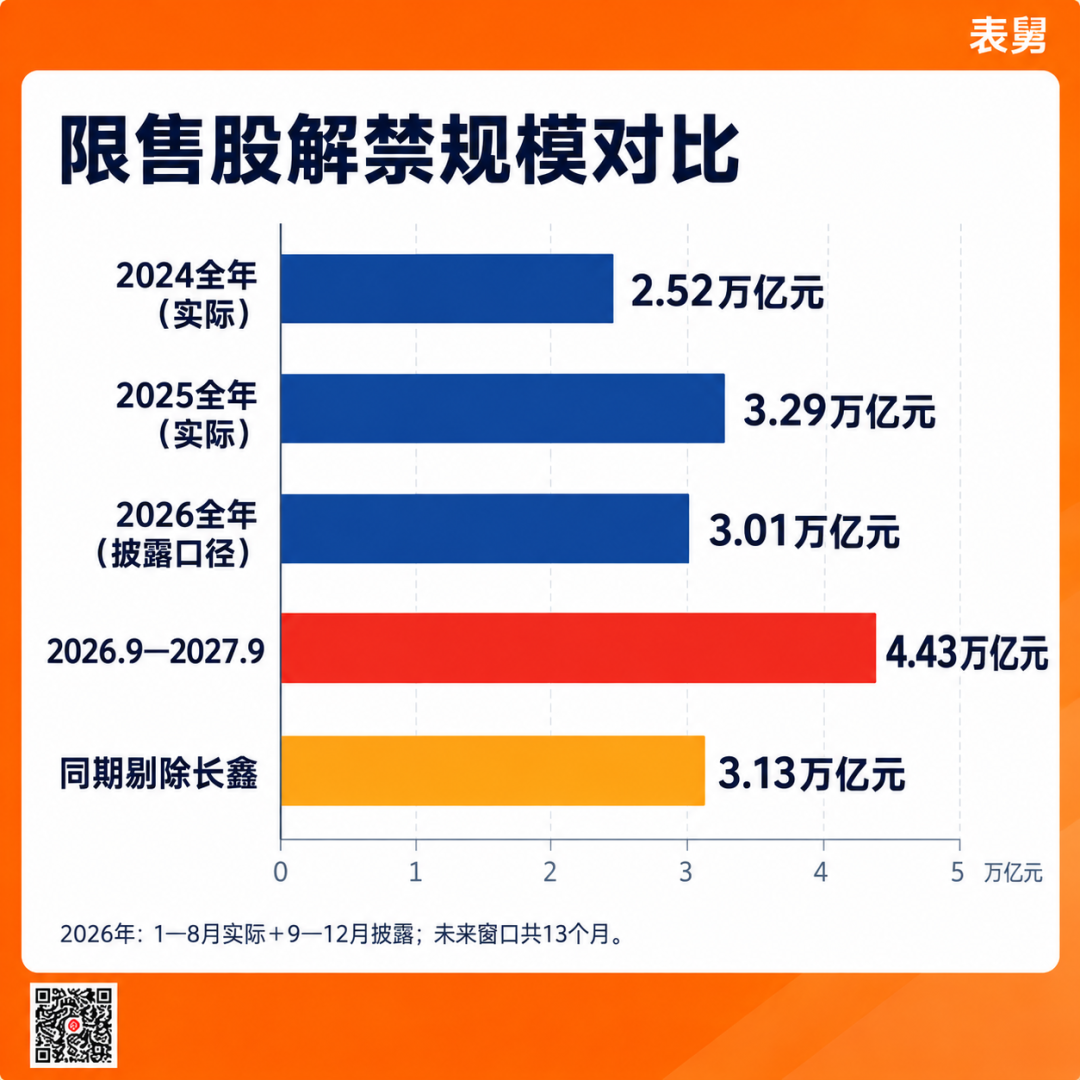
Let the pictures do the talking.
The following diagram shows the unlocking amount for each year since 2024, only about 20% higher than in 2026 (if you use the unlocking amount/total market value or daily average trades, the ratio actually decreases), and if we look at the upcoming year, due to the presence of Changxin, the amount will exceed 4 trillion, while excluding Changxin, it would still be around 3 trillion.
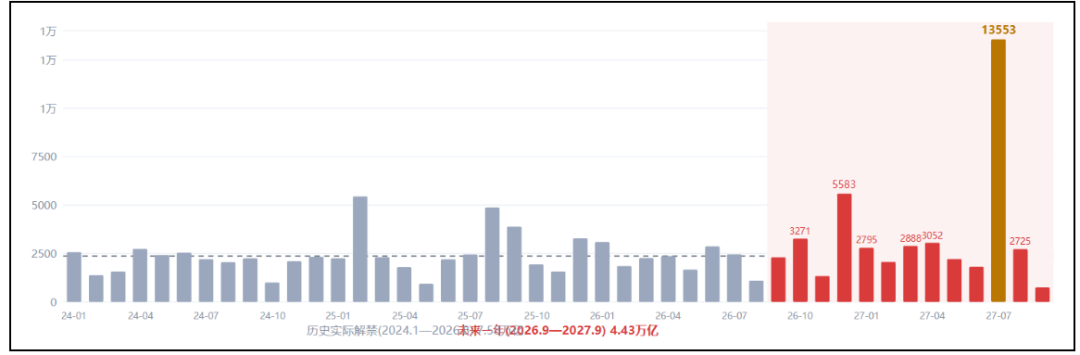
As shown in the next diagram, if we look at monthly data, it is quite similar; excluding the peak of Changxin (next July), the other months are roughly at the average level of the past two years.
3. Another hot topic is the overall surge of tech stocks.
The next diagram shows a broad increase across the board, from the Philadelphia Semiconductor index late Friday night to the growth sectors in both A-shares and Hong Kong stocks.
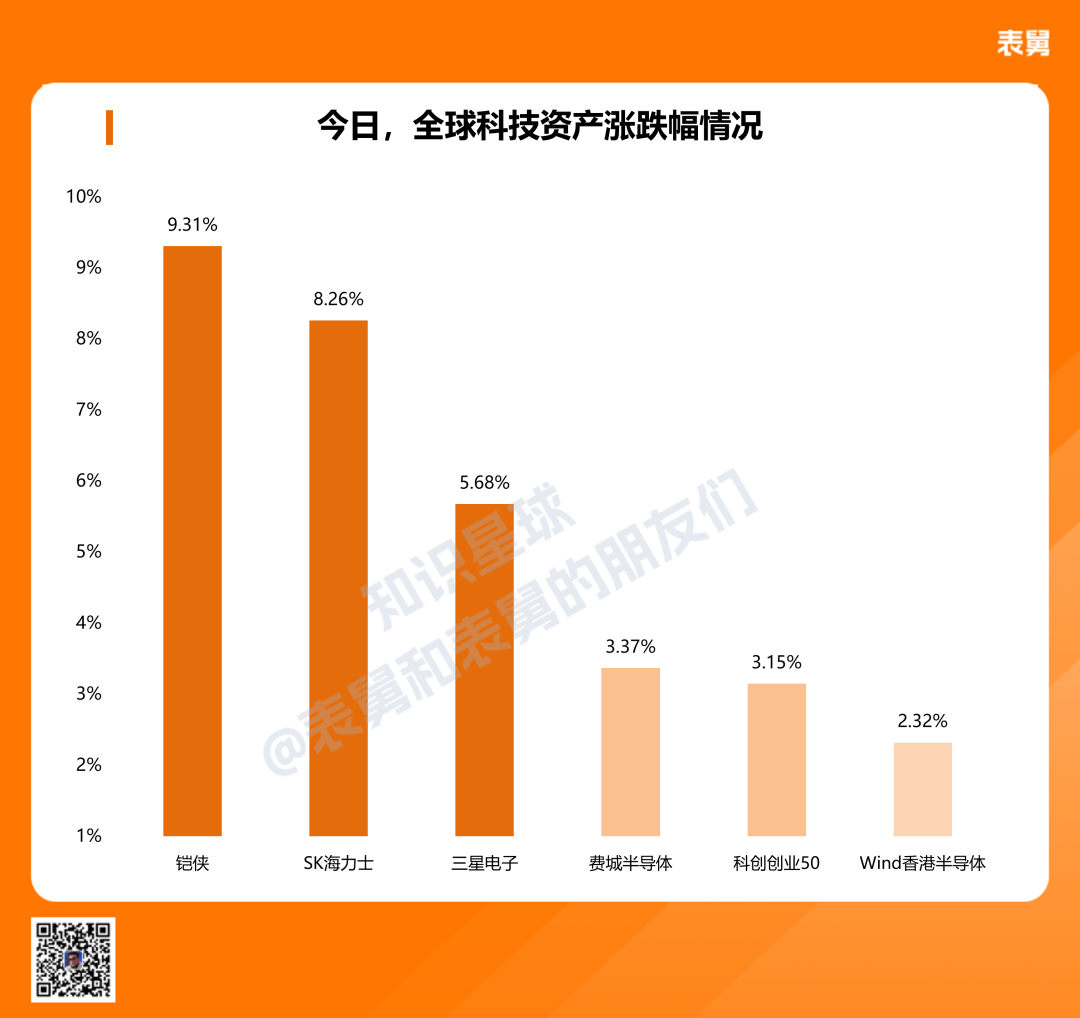
One reason here is the stimulation from the new model by OpenAI.
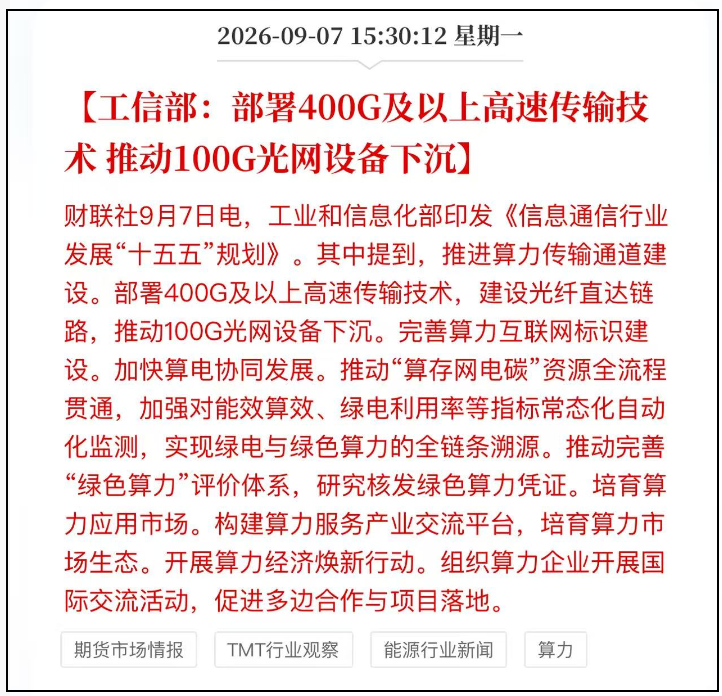
Additionally, over in A-shares, there was a positive announcement post-market related to computing power network construction, which could suggest that some funds may have raced ahead today.
4. However, there is a risk to be aware of in the tech sector.
The listing of Anthropic may be officially on a countdown now, currently pushing forward with a valuation of around 2 trillion USD.
According to reports from Road X over the weekend, the timeline is as follows:
Public offering documents by the end of September, the earliest IPO roadshow will begin in mid-October, and listing should be completed just days before the mid-term elections in November.
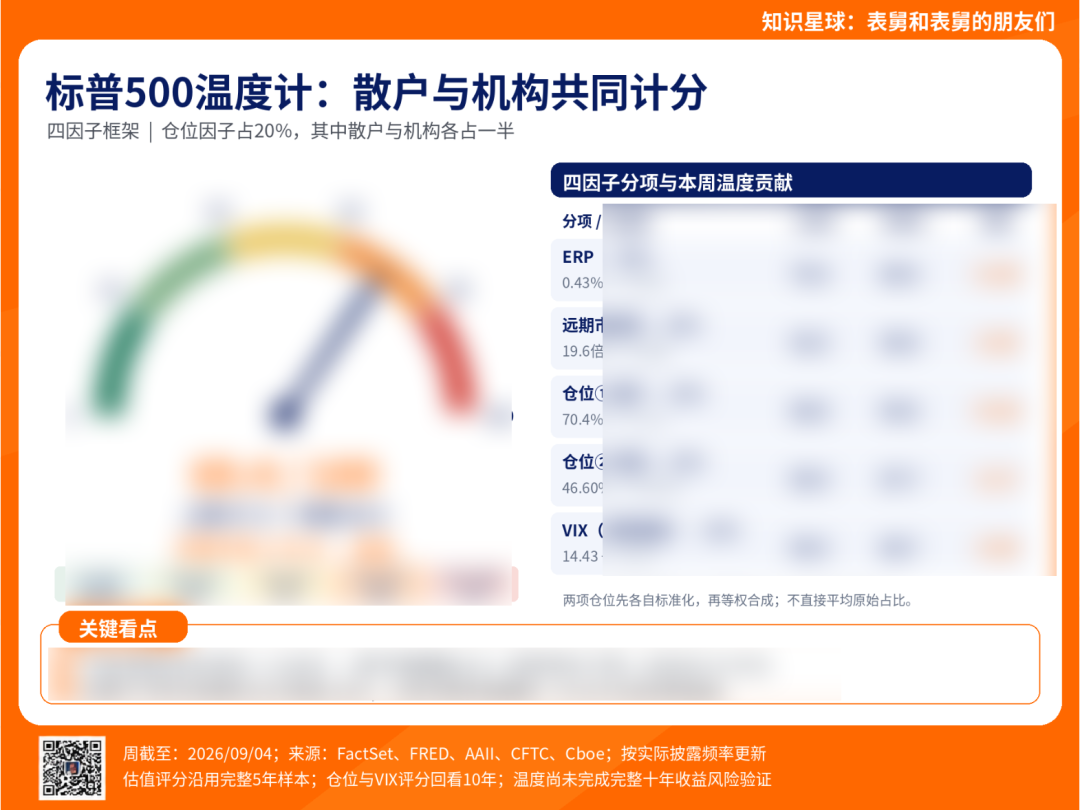
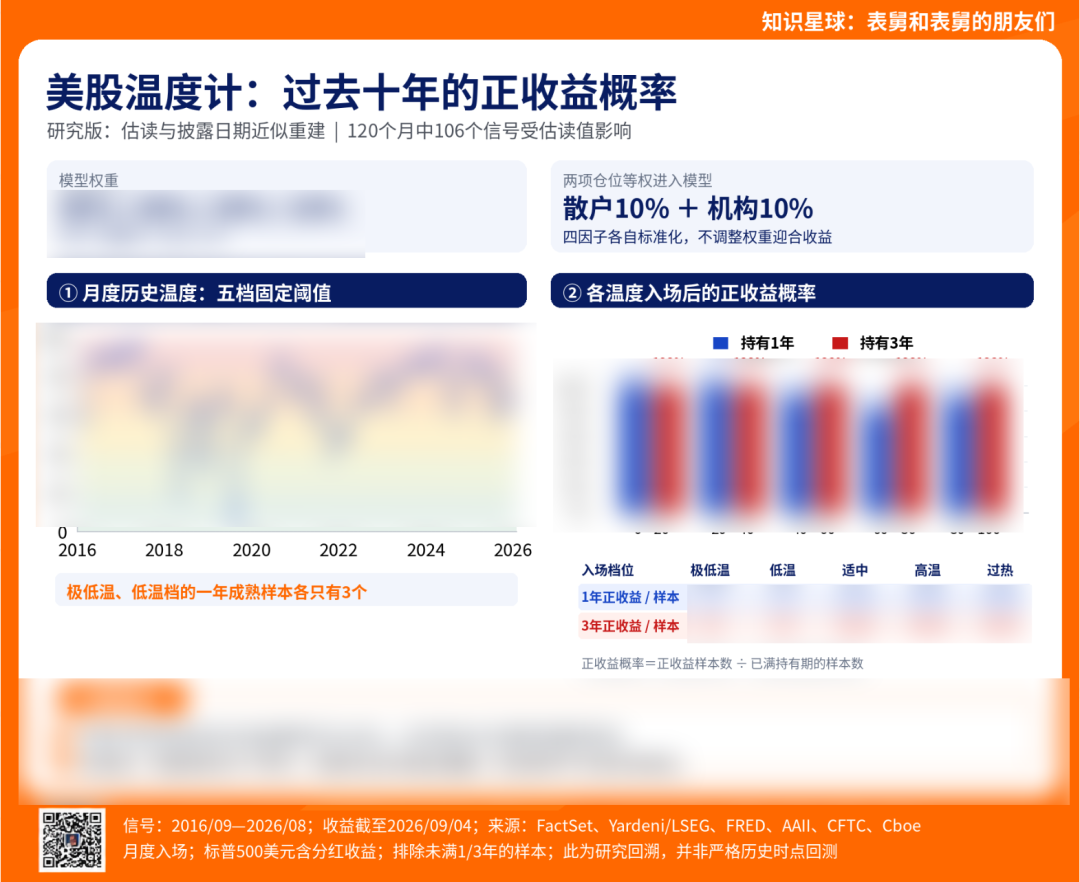
At present, the positions of institutional investors and retail investors in the U.S. market have reached historic highs, while volatility indicators are hovering near historical lows. Therefore, it is not excluded that various event-driven factors may disrupt the current calm.
5. Lastly, the dividend sector led the decline today.
In the diagram below, besides coal stocks at the bottom, the insurance and banking stocks that increased capital yesterday saw a widespread drop, continuing a seesaw between dividends and growth.
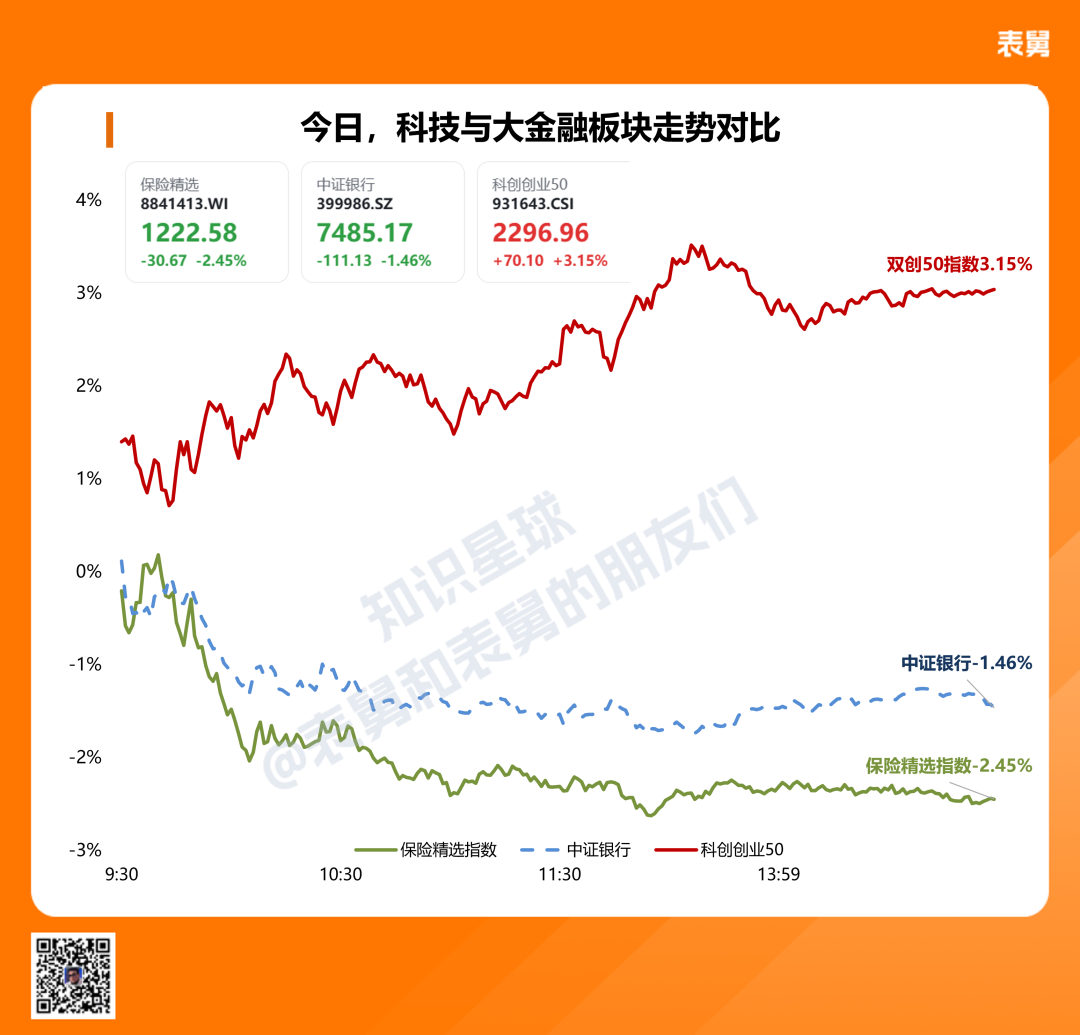
The logic for banks and insurance is actually covered in yesterday's article; new funds coming in will dilute ROE, which is a short-term shock to stock prices.
For coal, the logic is even simpler: it has risen too much previously, causing high crowding.
Last week, the dividend yield for coal stocks briefly fell below 3%, which is a dangerous sign.
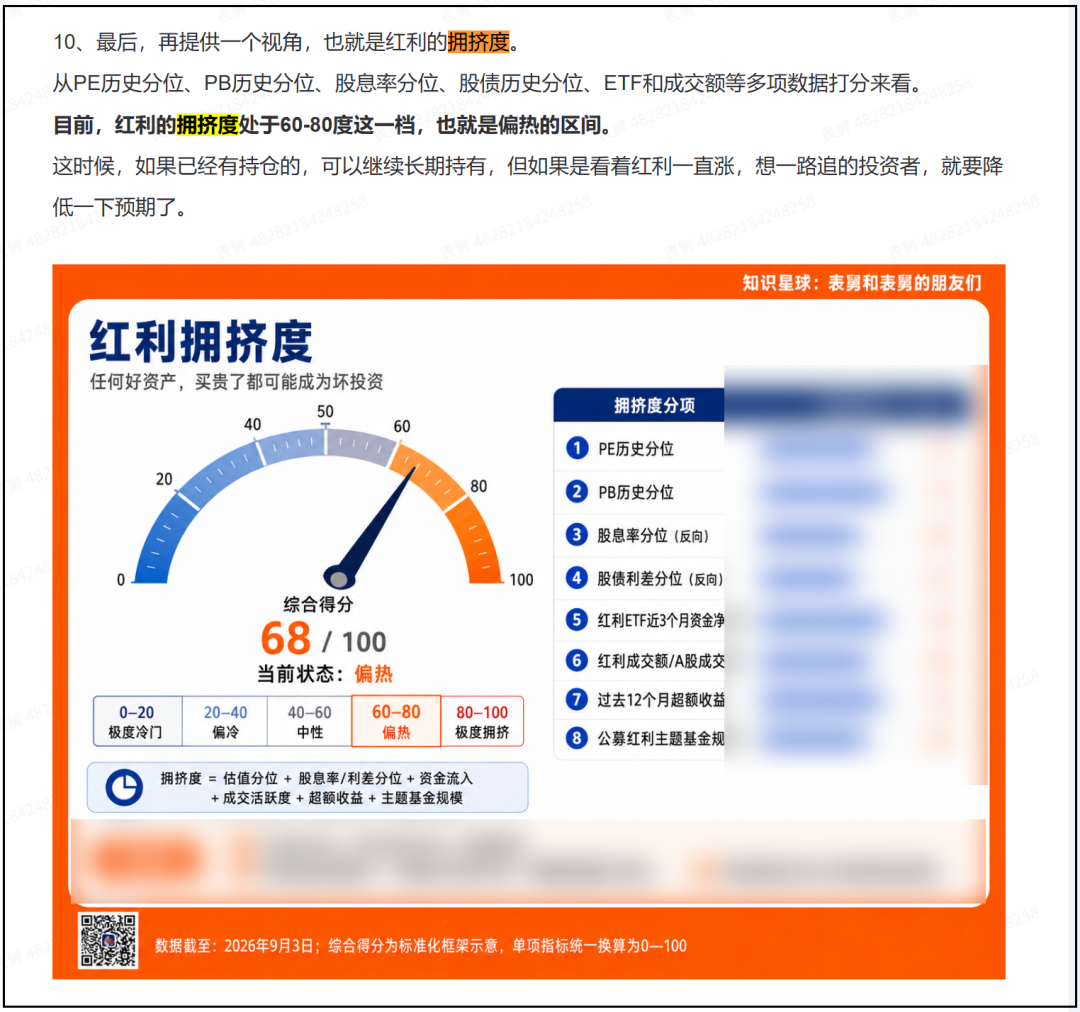
In the chart below, we also shared a dividend thermometer in last week’s community, with some dividend sectors currently in a relatively hot state, which is a moment for short-term investors wanting to chase gains to lower their expectations—including mentioning in last week’s public account that stocks like CCB and Bank of China have risen too much in the short term, which is actually overextending future gains; both have receded by 5 percentage points over the last three trading days.
6. Additionally, as mentioned last night, the deep tracking of seven major asset categories has released its first issue today:
About the thermometer for overseas assets.
The following diagram shows that I spent a day and a half from Sunday to daytime today writing this. I believe it should be one of the most comprehensive analyses combining quantitative analysis and plain language interpretation that most friends in the community can find online, hoping it helps.
Especially suitable for wealth managers and individual investors.
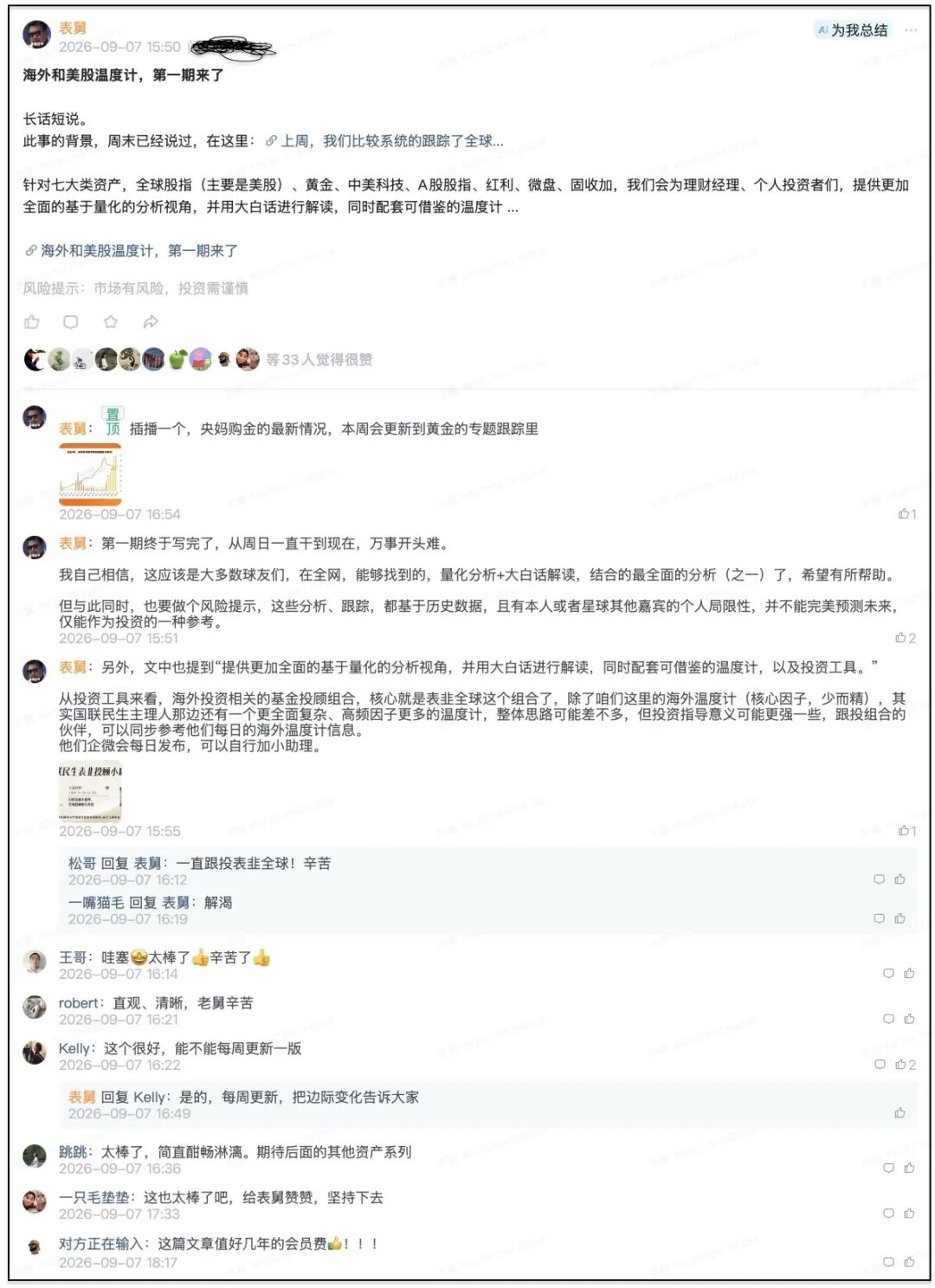
The final result presented is the thermometer, overlaid with historical backtracking.
免责声明:本文章仅代表作者个人观点,不代表本平台的立场和观点。本文章仅供信息分享,不构成对任何人的任何投资建议。用户与作者之间的任何争议,与本平台无关。如网页中刊载的文章或图片涉及侵权,请提供相关的权利证明和身份证明发送邮件到support@aicoin.com,本平台相关工作人员将会进行核查。


