The original text comes fromQuoth the Raven, authors: Peter Schiff, SchiffGold
Translated by | Odaily Planet Daily Qin Xiaofeng (@QinXiaofeng888)
The following analysis details the Federal Reserve's balance sheet, covering the various components of the balance sheet and their changes in amounts, along with historical interest rate trends.
Balance Sheet Breakdown
Since February this year, the Federal Reserve has been quietly conducting quantitative easing. In recent months, the pace of asset accumulation has slowed, and in August there was even negative growth. When this round of quantitative easing was restarted, its goal was to purchase treasury bills to maintain high liquidity. As shown in the figure below, this operation is still ongoing—the Federal Reserve net increased its holdings of treasury bills by $29 billion in August. The net decline in the balance sheet is mainly due to the maturity reduction of mortgage-backed securities (MBS) and 5-10 year treasury bonds.
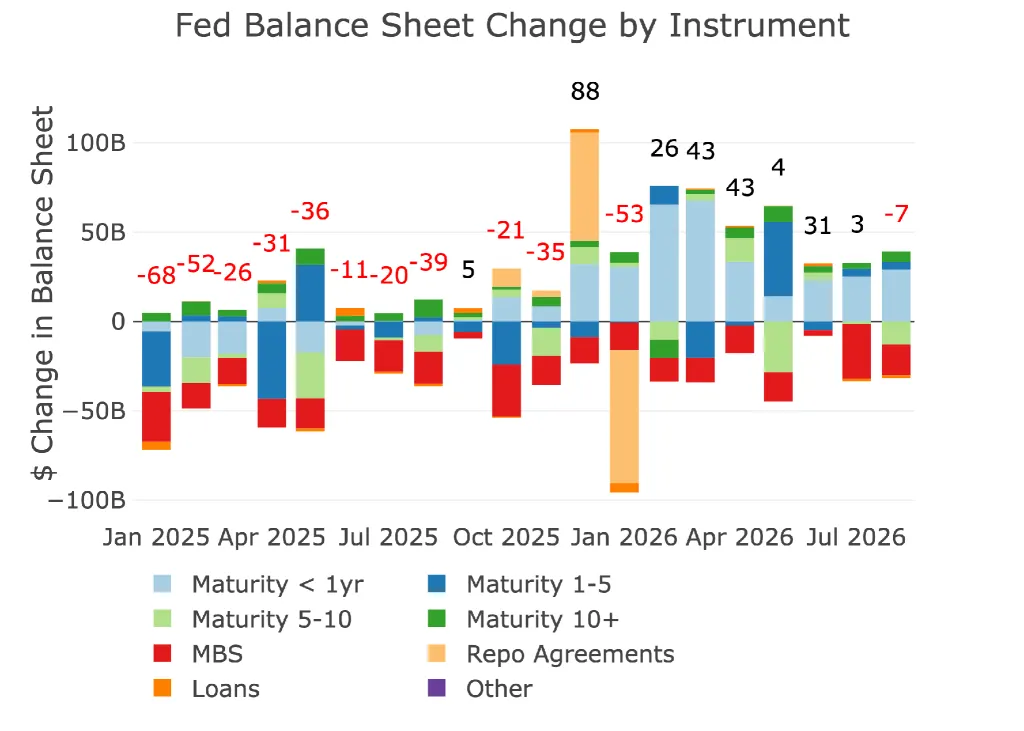
Figure 1: Monthly Changes by Tool
Extending the timeframe to ten years and summarizing the data annually results in the figure below. You should note how quickly the Federal Reserve will “erase” all the "hard work" of previously reducing the balance sheet when the next crisis arrives. It took four years to reduce the balance sheet by about $2.2 trillion. However, in 2020, it expanded by $3 trillion in just a few months, adding $4.5 trillion over two years.
So far this year, the Federal Reserve has expanded its balance sheet by $90 billion. Although this increase is not significant compared to previous years, it is noteworthy—the balance sheet is growing rather than contracting, making it harder for inflation to retreat.
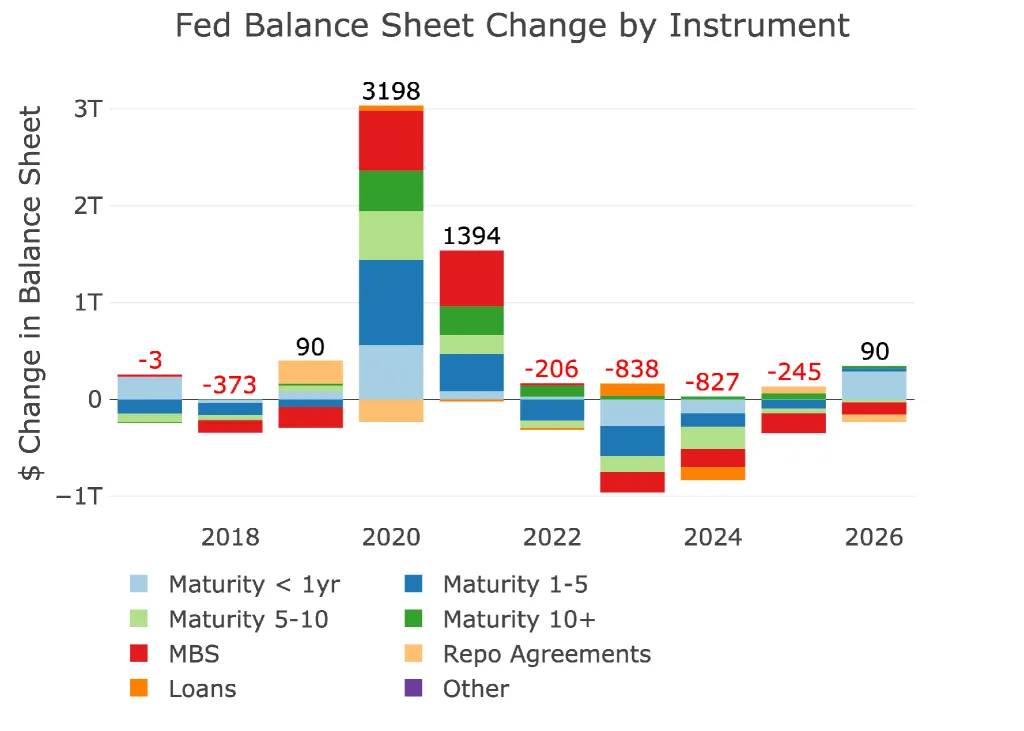
Figure 2: Monthly Changes by Tool
The table below lists the Federal Reserve's operations and recent efforts in managing the balance sheet in more detail.
One point of particular interest is that the Federal Reserve has increased its holdings of treasury bills by $344 billion over the past year! This increase cannot be overlooked. Why is the Federal Reserve focused on purchasing treasury bills? Treasury bills are typically the most liquid instruments in government bond issuance, so the Federal Reserve's intervention for liquidity reasons is puzzling.
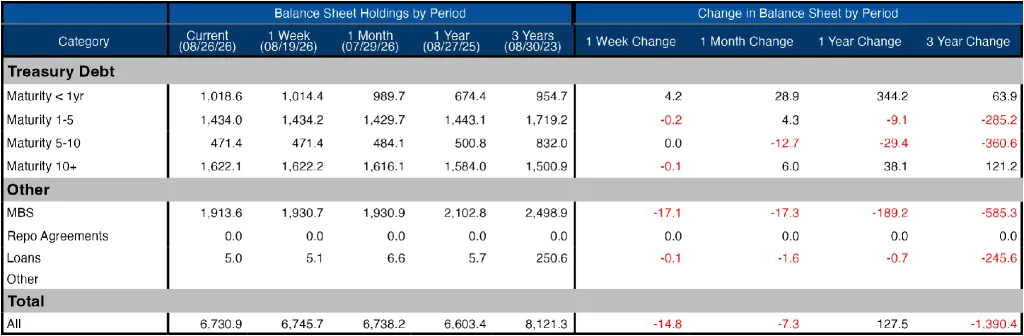
Figure 3: Breakdown of the Balance Sheet
Weekly operational details are shown in the figure below. It is clear to see the trajectory of continuous weekly purchases of treasury bills.
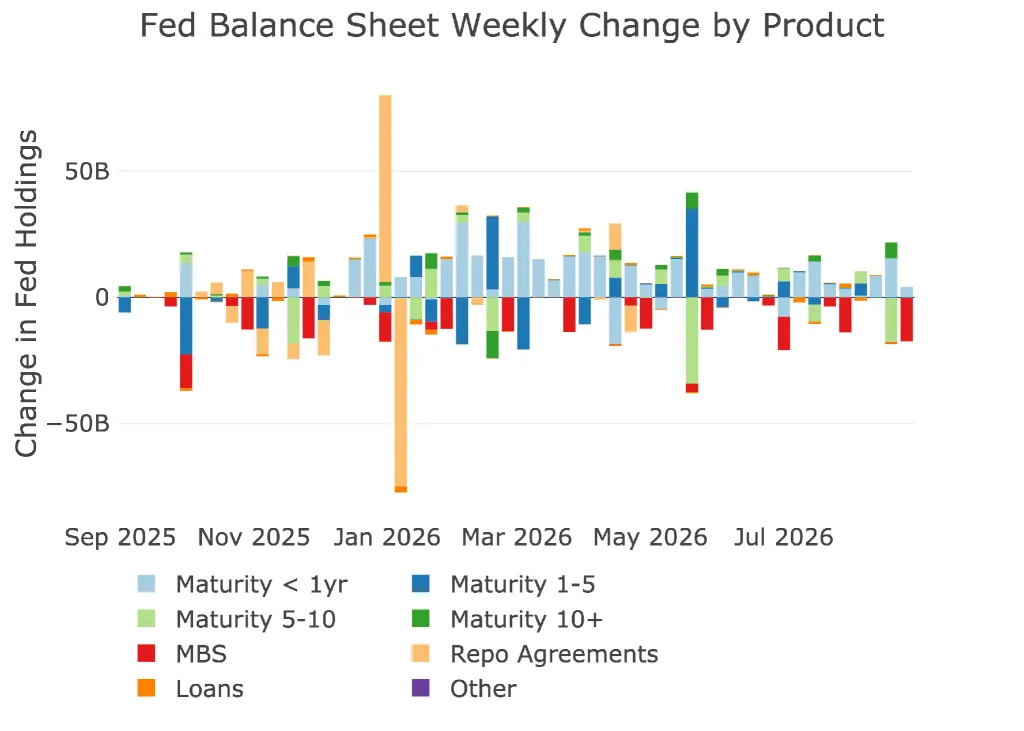
Figure 4: Weekly Changes in the Federal Reserve Balance Sheet
The following figure shows the details of balances for loans and repos. These are emergency tools established after the collapse of Silicon Valley Bank (SVB). Currently, all related tool balances have fallen to zero, but as mentioned above, the Federal Reserve wishes to see more use of the repo market (the standard repo tool, i.e., SRF).
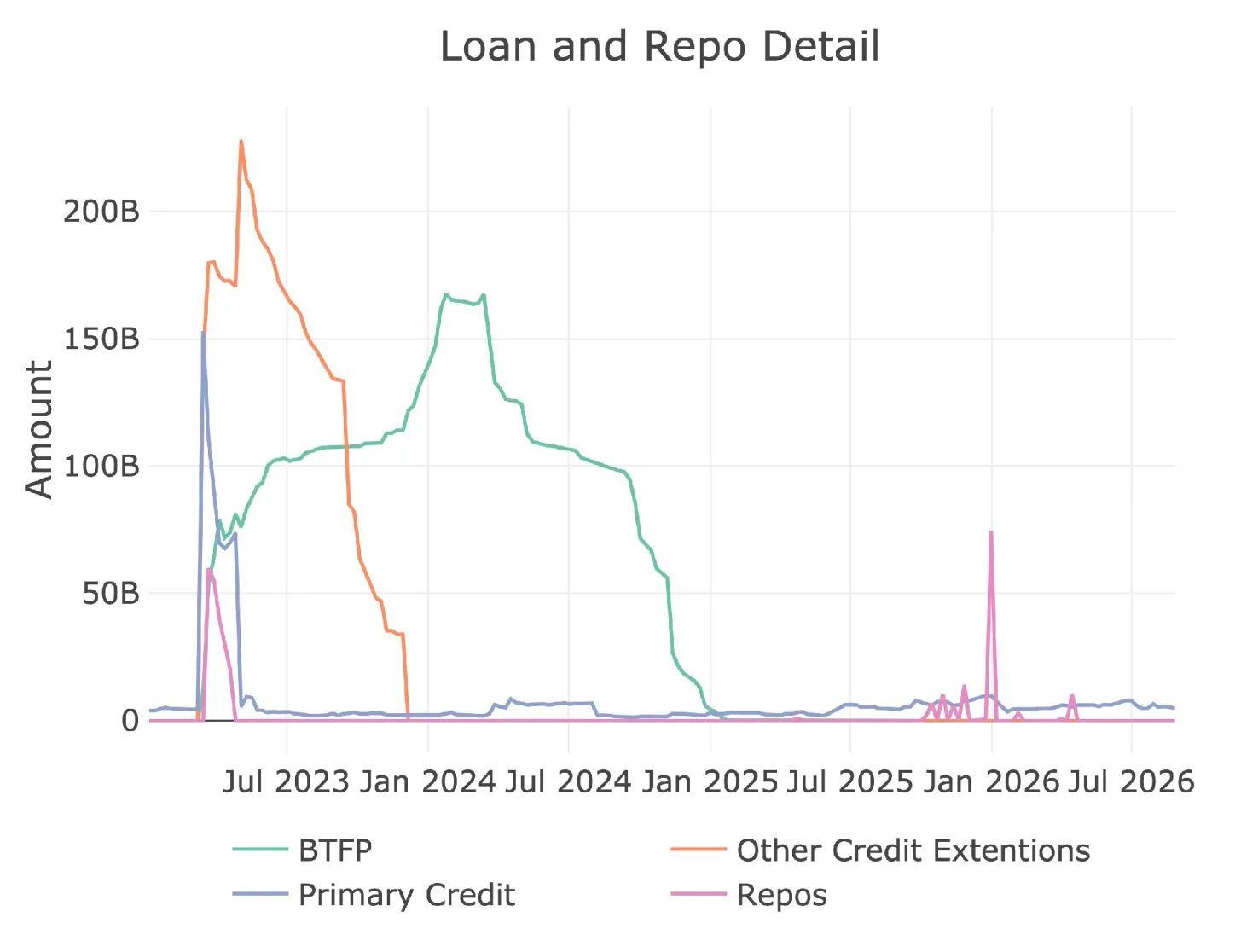
Figure 5: Details of Loan Items
Yield
Since September 2022, yields across various maturities have generally fluctuated within a range, roughly between 3.25% and 4.75%. This range was broken in June, when the 30-year yield decisively surpassed 5% and the 10-year exceeded 4.5%. This was the reason for the Treasury's intervention in the market. They saw fractures in the bond market that could have significant impacts.
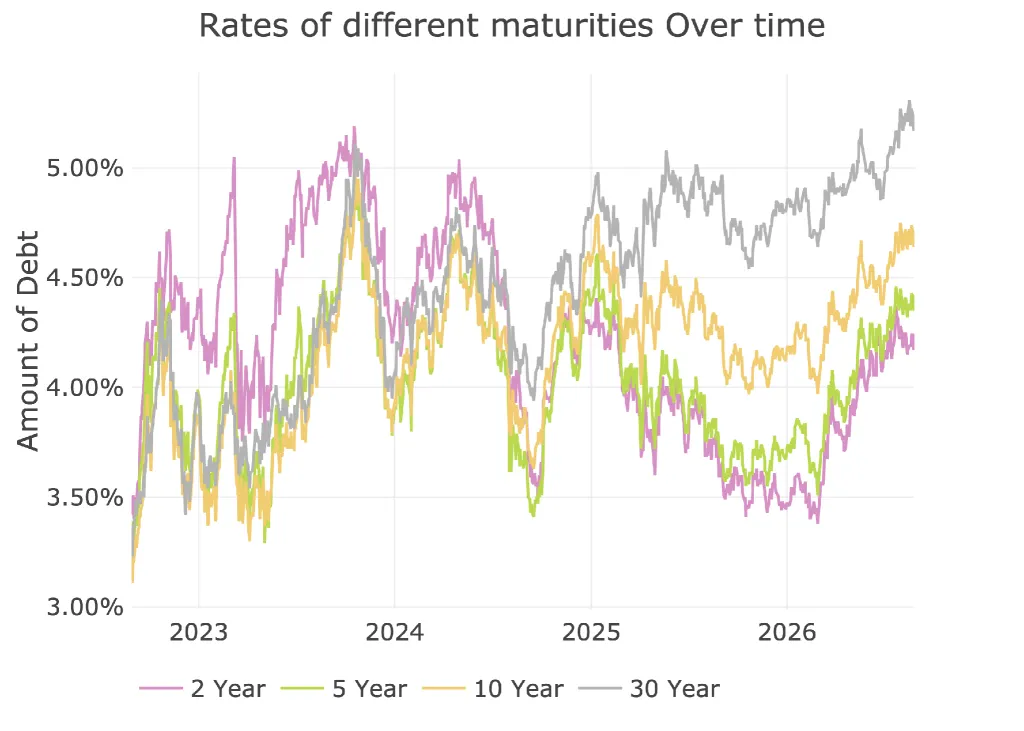
Figure 6: Yield Trends by Maturity
The yield curve spread has begun to widen again, meaning investors are demanding more compensation in exchange for locking up dollar funds for longer periods.
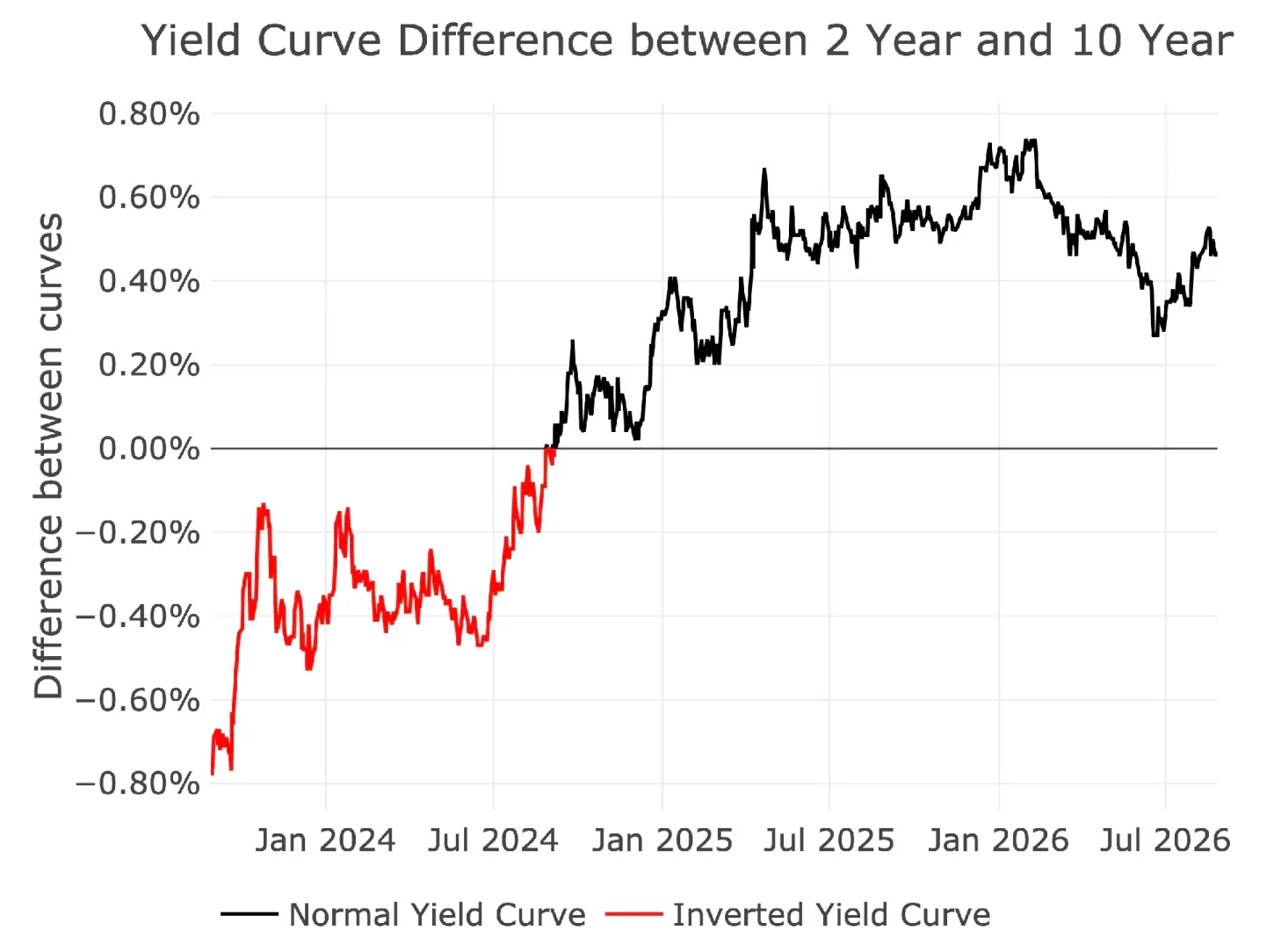
Figure 7: Tracking of Yield Curve Inversion
The next figure shows the current yield curve, as well as curves from one month ago and one year ago. It is again clear that the yield curve has begun to steepen, making the Treasury's operations more difficult.
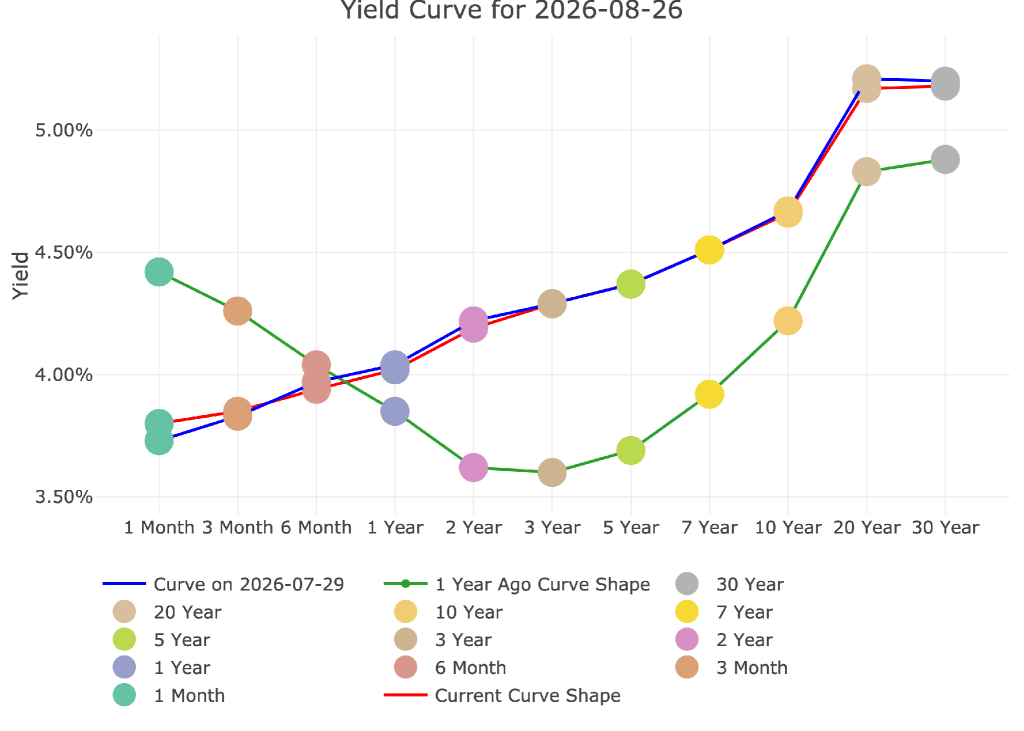
Figure 8: Tracking of Yield Curve Inversion
Decrease in Overseas Interest in U.S. Treasuries
Perhaps the most concerning aspect is the decline in international interest in U.S. Treasuries. The total amount of U.S. Treasuries held overseas has declined from the peak of $9.4 trillion in the first quarter. As the U.S. Treasury issues more and more debt, the lack of purchases from overseas holders is undoubtedly a very bad sign.
Note: Data updates are lagging, with the latest data up to June.
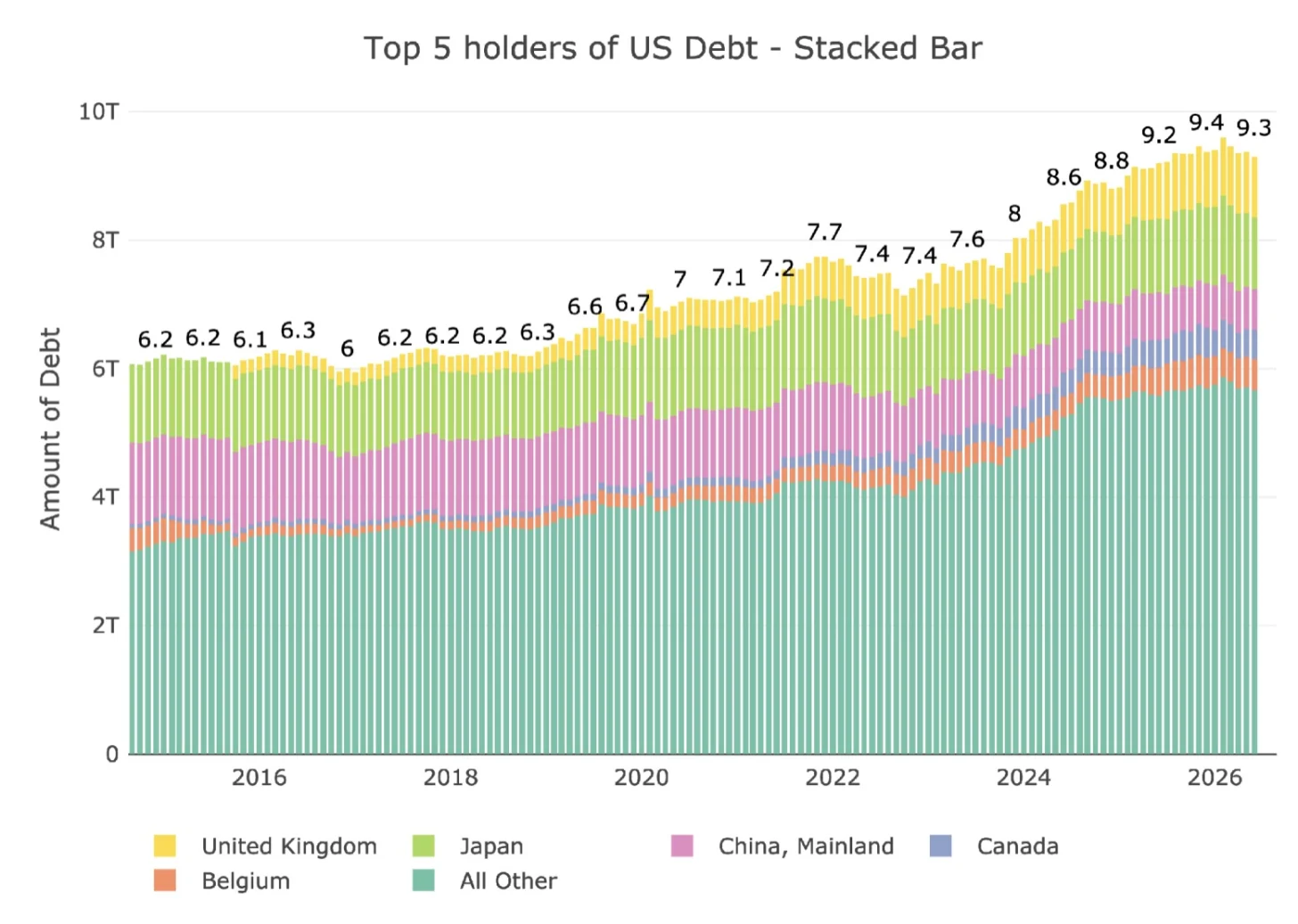
Figure 9: International Holders
The following figure lists the holdings of major countries. China’s holdings of U.S. Treasuries have dropped to $630 billion, a decrease of $100 billion from last year. The U.K. currently holds more U.S. Treasuries than China. Japan's holdings have remained basically flat over the past decade, fluctuating between $1 trillion and $1.25 trillion. Japan cannot switch to a selling side, or it will exacerbate the pain. This is also one reason for the U.S. intervention in the foreign exchange market.
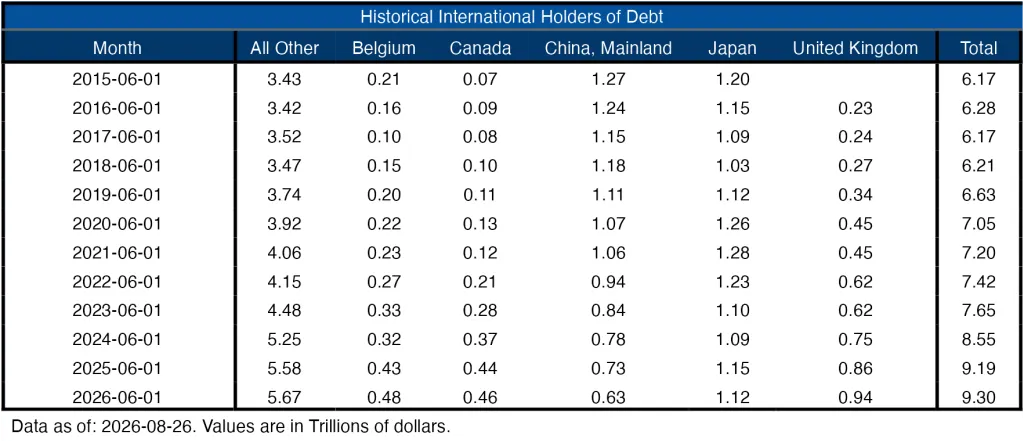
Figure 10: Weekly Average Changes in the Balance Sheet
Historical Perspective
The last figure examines the balance sheet from a macro perspective. It is clear that since the global financial crisis, the way the Federal Reserve has utilized the balance sheet has fundamentally changed. The figure also highlights the contrast between rapid expansion and slow reduction. The Federal Reserve effectively can never shrink the balance sheet back to previous levels but can only make slight reductions during quiet periods between crises, and then blow it up again during the next crisis. Based on the trend of the Federal Reserve's balance sheet, the next crisis may be closer than everyone thinks!
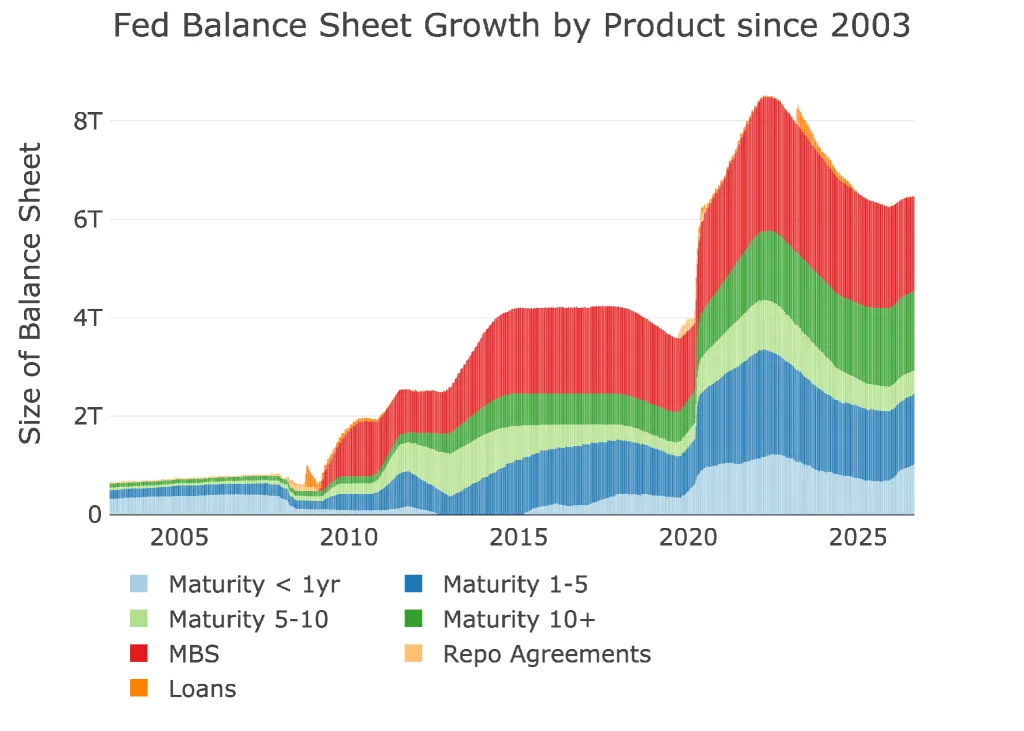
Figure 11: Historical Trends of the Federal Reserve Balance Sheet
Conclusion
After Warsh took office, he brought a new motto: after more than five years of effort, the Federal Reserve is ready to control inflation. It's easier said than done. This is actually more of a mathematical problem. If the Federal Reserve raises interest rates, the government's borrowing costs will continue to rise, which is unacceptable. The only choice is to keep rates unchanged or lower them—they just need a suitable excuse.
Warsh commits to not making excuses on the 2% inflation target
Federal Reserve Chairman Kevin Warsh clearly delineated the red line for the credibility of the central bank from the podium in Jackson Hole last Friday, declaring that the long-term committed personal consumption expenditures (PCE) price index 2% inflation target is a "firm, fixed goal." He stated that price stability "will not happen automatically... the Fed's duty is to achieve price stability without any excuses." Investors noted that gold reached a daily high of $4612 per ounce on Thursday, reminding the market that investors are still guarding against the possibility of inflation remaining significantly above the Fed's comfort zone.
PCE inflation is running at 3.7% year-on-year, with a six-month annualized growth rate exceeding 4%. Even though it has cooled from the post-pandemic peak, 54% of items in the PCE basket have risen more than 3% over the past year, whereas this percentage was only 32% before the pandemic. Warsh stated that the responsibility for "65 months of sustained high inflation" lies entirely with the central bank. Comparable consumer price index (CPI) data also shows the same stubborn pressures, indicating that there has been no substantial improvement in price growth.
Warsh described the labor market as "generally consistent with full employment." Investment in equipment and intangible assets is growing at a rate of 9%, with over half related to artificial intelligence projects. S&P 500 constituent company profits are growing over 20%, with profit margins "fairly high." Corporate bond spreads and leveraged loan spreads are trading near historical lows, while the Senior Loan Officer Survey in July indicated some loosening of lending standards for commercial and industrial loans.
Additionally, Warsh discussed the Federal Reserve's own communication practices. He warned that conventional forward guidance might trap policymakers and market participants in a "mirror palace"—both sides respond to each other's signals rather than reacting to the real economy. He believes that short-term interest rates should continue to be the primary tool of monetary policy, adding that balance sheet experiments and other unconventional measures "should be used sparingly, or not at all, in other circumstances." In mentioning the traditional monetary practices before quantitative easing, he stated that "money matters," urging the Federal Reserve to focus on the money created by the central bank and the broader financial system.
Warsh also views artificial intelligence as a potential "new variable" affecting productivity, pointing out that the annualized token sales of two leading AI labs have exceeded $100 billion, growing over 500% from a year ago. Faster productivity growth helps to suppress prices long-term, but the rapid pace of AI-related investments has raised concerns about overheating, which can also be seen in the recent rise in gold prices.
Whether the Federal Reserve can tame prices without launching a new round of unconventional policies remains to be seen. For now, investors seem to be hedging this uncertainty by continuing to hold and buy gold—gold is an asset that has stood firm through decades of inflation and recession.
免责声明:本文章仅代表作者个人观点,不代表本平台的立场和观点。本文章仅供信息分享,不构成对任何人的任何投资建议。用户与作者之间的任何争议,与本平台无关。如网页中刊载的文章或图片涉及侵权,请提供相关的权利证明和身份证明发送邮件到support@aicoin.com,本平台相关工作人员将会进行核查。


