This time, the reaction of oil prices to the renewed conflict between the U.S. and Iran is quite different from before.
The main reason for the rise in oil prices today is the continued military action between the U.S. and Iran. This is the first time in nearly a month that the U.S. military has targeted Iranian territory again, and Iran quickly retaliated. However, I have noticed some clues about this round of actions.
From the perspective of oil prices, previously during conflicts, WTI would often rise above $90, and Brent would be around $95. This time, WTI is still more than $3 away from $90, and Brent is also more than $3 away from $95. This indicates that the market has indeed added a war premium again, but it has not repriced in the same manner as previous rounds of conflict.
In my personal view, the arrangement being promoted by Iran and Oman regarding the Hormuz Strait, along with Iran allowing certain Iraqi tankers special passage, has already shown the market the possibility of reopening the Hormuz Strait at least to some countries. Although the actual passage volume is still very low, the market is trading on whether it can gradually resume in the future.
Especially as long as major Asian energy importers such as China, India, Japan, and South Korea can obtain relatively stable passage rights through special permission, fees, or new shipping arrangements in the future, the pressure on global crude oil supply will significantly decrease. It does not need to return to a 100% state prior to the war; as long as the passage capacity can return to about 60% or 70% of before, oil prices should comfortably fall back to around $70.
Beyond the U.S. and Israel, it is estimated that Europe, the UAE, and even others may have the opportunity to re-enter the list of those allowed passage. Ultimately, the only vessels that may remain permanently restricted will be those directly involved in military actions against Iran or deemed hostile by Iran.
This model is actually very cost-effective for Iran. The cost of completely blocking the Hormuz Strait is too high; Iraq, Qatar, the UAE, Saudi Arabia, and many Asian energy-importing countries would be affected, and the longer it lasts, the greater the international pressure Iran faces.
However, if Iran gradually restores commercial shipping passage while continuing to control the auditing, charging, and safety management, then the Hormuz card can be held over the long term.
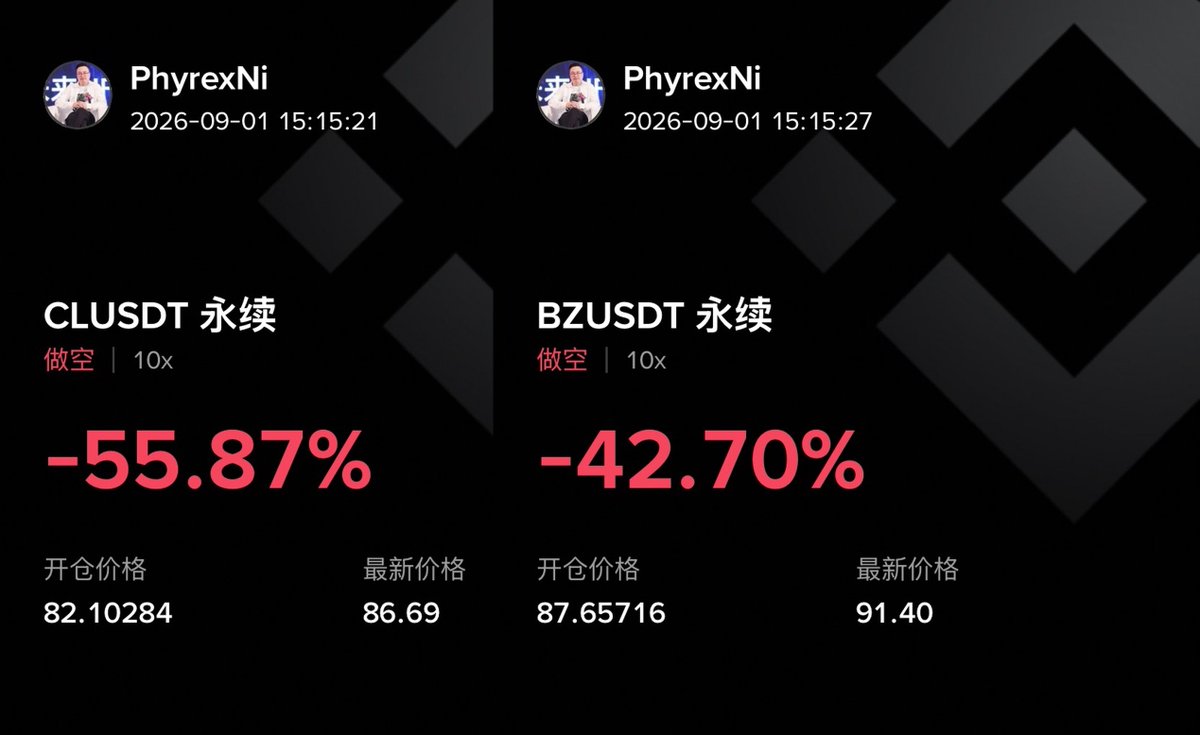
As for oil prices, they will naturally not spike excessively. In my latest adjustment, my next shorting point for WTI may be lowered from $88 to around $87, and Brent's next short position might be adjusted from $92.5 to around $92.
Shorting oil at highs remains a cost-effective trade.
@Gate Crypto, U.S. Stocks, Hong Kong Stocks, Korean Stocks, Gold, CFD, One-stop trading in the prediction market
免责声明:本文章仅代表作者个人观点,不代表本平台的立场和观点。本文章仅供信息分享,不构成对任何人的任何投资建议。用户与作者之间的任何争议,与本平台无关。如网页中刊载的文章或图片涉及侵权,请提供相关的权利证明和身份证明发送邮件到support@aicoin.com,本平台相关工作人员将会进行核查。


