Global Leaders Gather in Hong Kong to Discuss AI Governance, Open Source Ecosystem, and Inclusive Future
As a world-class innovation technology launch platform based in Hong Kong and aimed at the globe, this year's GIS Global Innovation Exhibition and Global Innovation Summit, themed "Linking the World · Creating the Future," grandly opened on August 25 at the AsiaWorld-Expo in Hong Kong, lasting until August 27. The conference brought together top scientists, entrepreneurs, investors, and policymakers from around the world to explore cutting-edge trends in artificial intelligence, technology for good, and global innovation cooperation through diverse segments including opening keynote speeches, peak dialogues among global innovation leaders, signing ceremonies, and innovation exhibition areas. The 14th World Chinese Economic Forum (WCEF) was inaugurated concurrently, gathering nearly a thousand attendees in Hong Kong for this annual sci-tech event.
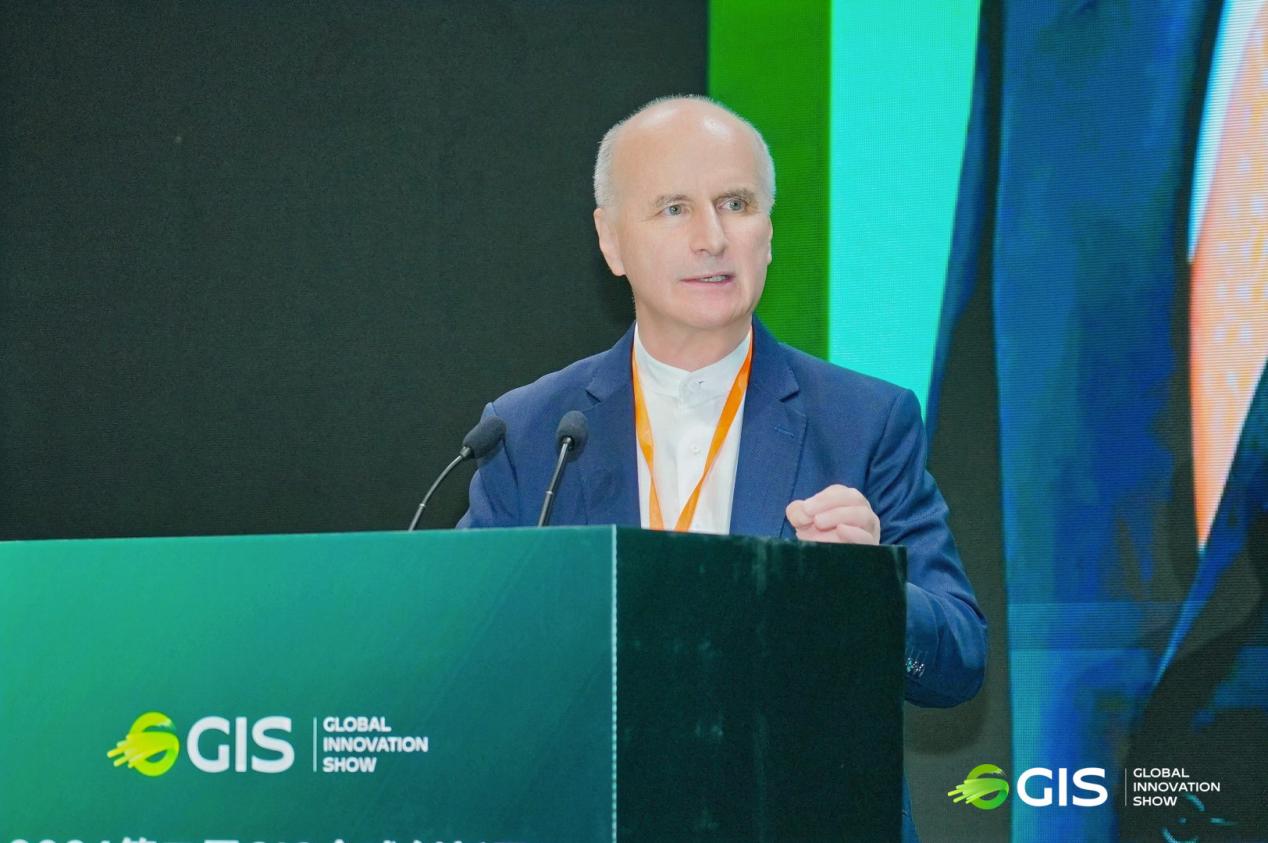
During the opening ceremony, the chairman of the GIS conference, former President of Costa Rica and the first CEO of the World Economic Forum in Davos, Jose Maria Figueres, issued a warning in his keynote speech: the development of artificial intelligence capabilities must never surpass humanity’s ability to control it. He pointed out that China is at the center of the current AI transformation, with the number of industrial robots installed surpassing that of the rest of the world combined, and China's large AI models are rapidly narrowing the gap with global leaders. He also revealed that the capital expenditure of the five largest tech companies in the U.S. is projected to reach $750 billion by 2026, more than three times the total global government investment in AI; globally, data centers are expected to consume 415 terawatt-hours of electricity in 2024, doubling to 945 terawatt-hours by 2030, exceeding Japan's annual electricity consumption. He called for the promotion of AI development with energy efficiency and water efficiency as prerequisites, emphasizing that the most scarce resource in the AI era is no longer information, but trust.
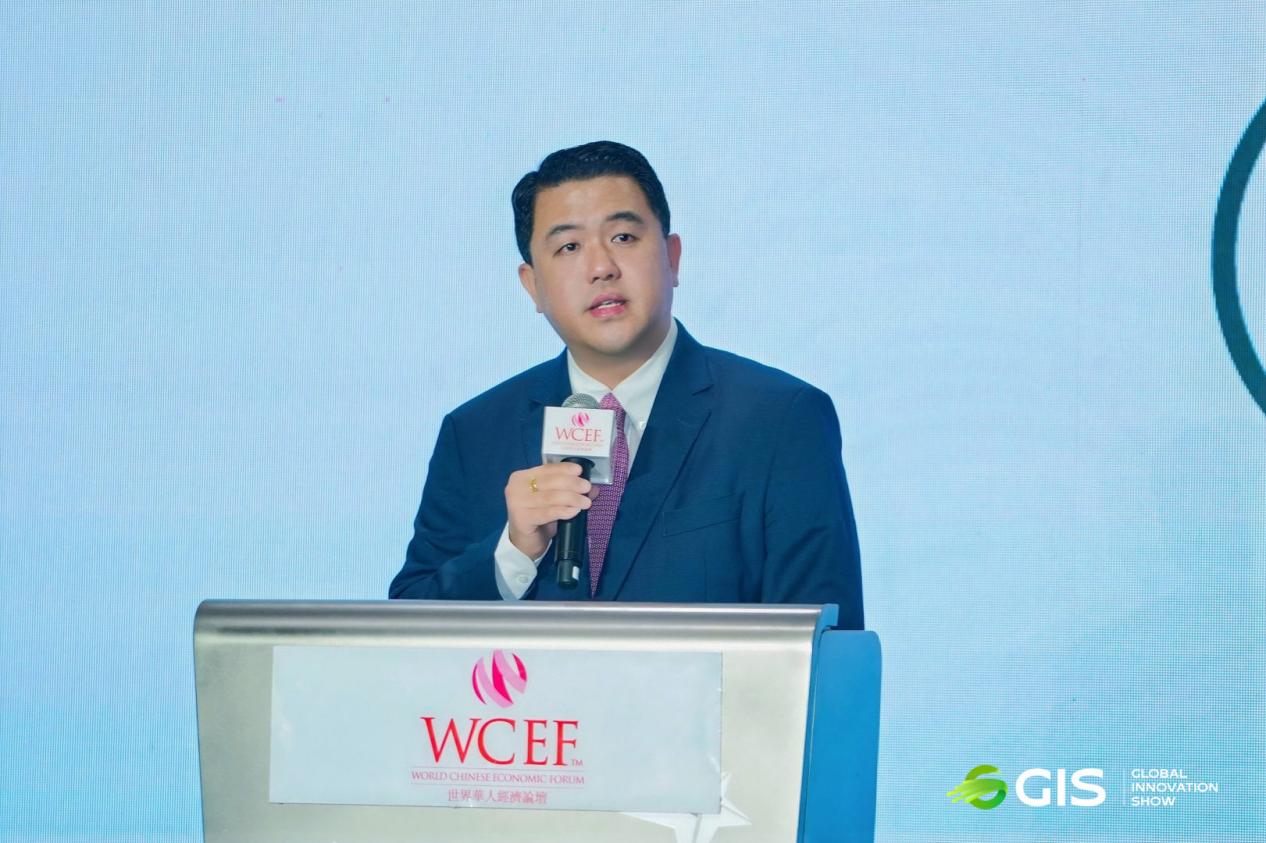
The chairman of the 14th World Chinese Economic Forum and founder of the International Strategic Research Institute, Mr. Xie Quanyong, in his welcoming address, stated that the theme of this forum is "Global Chinese Leadership, Capital and Connectivity in the AI Era." 2026 marks the 35th anniversary of the establishment of dialogue between China and ASEAN, and with the full implementation of RCEP and the advancement of the China-ASEAN Free Trade Area 3.0, there are enormous opportunities for cooperation between the two sides in areas such as AI, digital economy, and green energy. Datuk Norman Muhammad, Malaysia's ambassador to China, revealed in his keynote speech that on July 29, 29 countries jointly submitted an application to create the World Artificial Intelligence Organization (WAICO), with Malaysia signing agreements with four other Asian countries. He pointed out that the ASEAN digital economy is expected to reach a scale of $1 trillion by 2030 and emphasized that Hong Kong is a key hub for promoting cooperation between the Greater Bay Area and ASEAN.
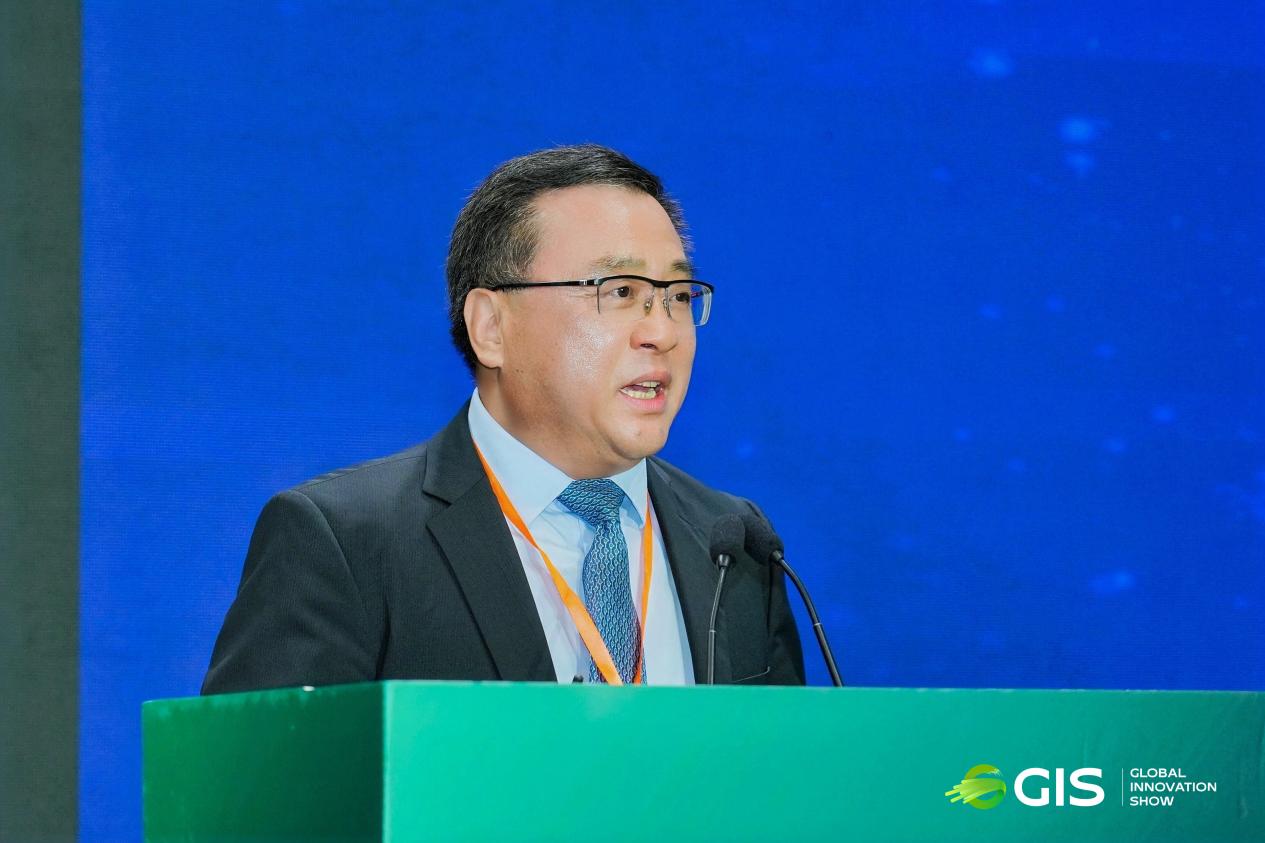
Professor Zhang Yaqin, chair professor at Tsinghua University and founding dean of the Intelligent Industry Research Institute (AIR), classified AI into three dimensions: information intelligence, physical intelligence, and biological intelligence, noting that the current trend is moving from generative AI to agent AI. He predicts that there will be no more than 10 foundational large models globally, and in the future, 80% will be open source; the internet is moving towards an Internet of Agents, and by 2030, AI-generated content will be 1,000 times that produced by humans. He also warned that agents can autonomously complete over 3,000 tasks without human intervention, stressing that clear boundaries must be set for AI. He introduced his incubated 9 enterprises with a combined market value of about 200 billion yuan and showcased their latest achievements in areas such as global modeling, dexterous hands, AI pharmaceuticals, and smart hospitals.
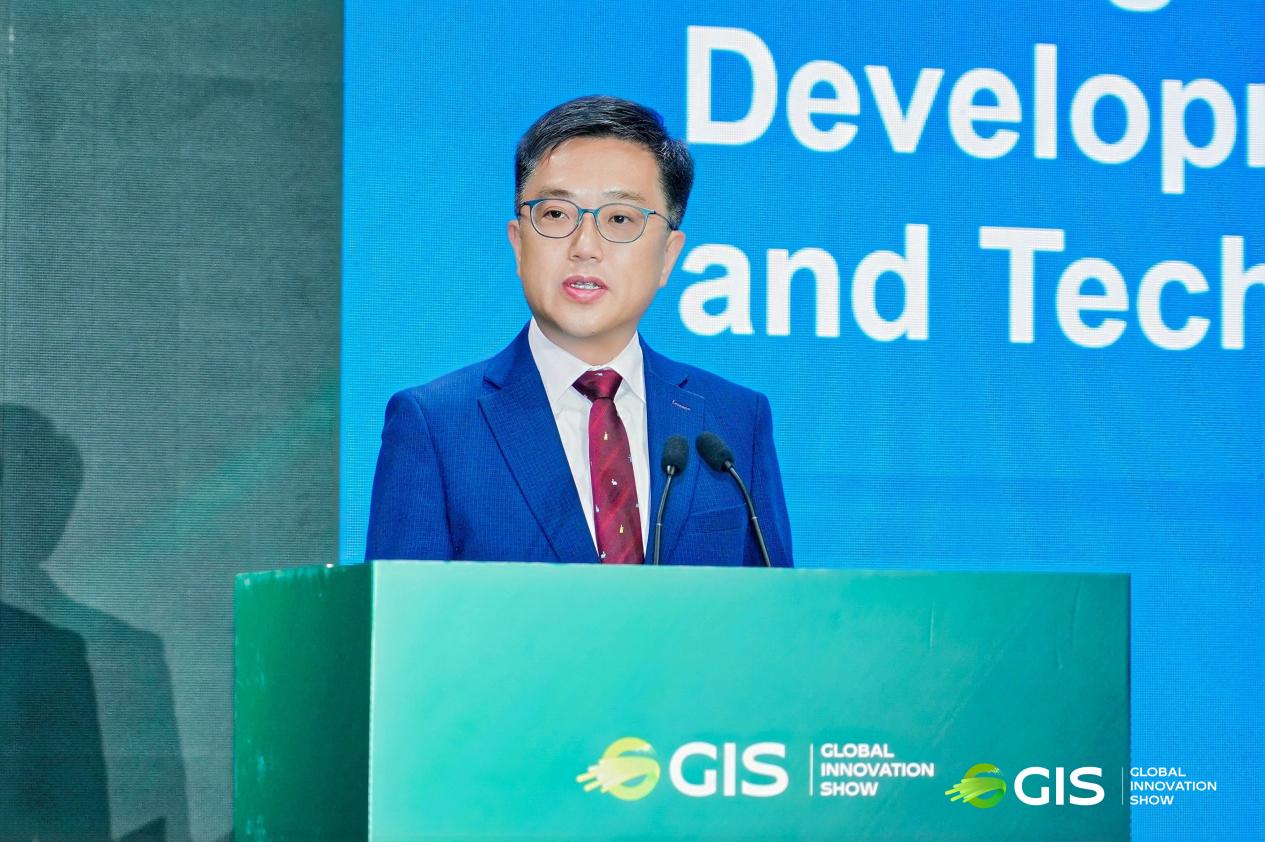
On the policy front, the permanent secretary for innovation, technology, and industry of Hong Kong, Mr. Tsai Jieming, delivered a keynote speech titled "Seizing the Synergy of the Greater Bay Area: Development Opportunities for Hong Kong's Innovation and Technology Companies." He introduced that the Lok Ma Chau Hong Kong Park had attracted 100 tech companies and institutions by July 2026, and the special administrative government has established a HK$10 billion "New Industrialization Acceleration Program" and a HK$10 billion "Innovation Industry Orientation Fund." The Shenzhen-Hong Kong-Guangzhou innovation cluster was ranked first globally in the 2025 Global Innovation Index. Last month, the special administrative government signed a cooperation agreement with the Ministry of Industry and Information Technology to promote the establishment of a national-level manufacturing innovation center in Hong Kong, with the first phase focusing on next-generation power semiconductor technology.
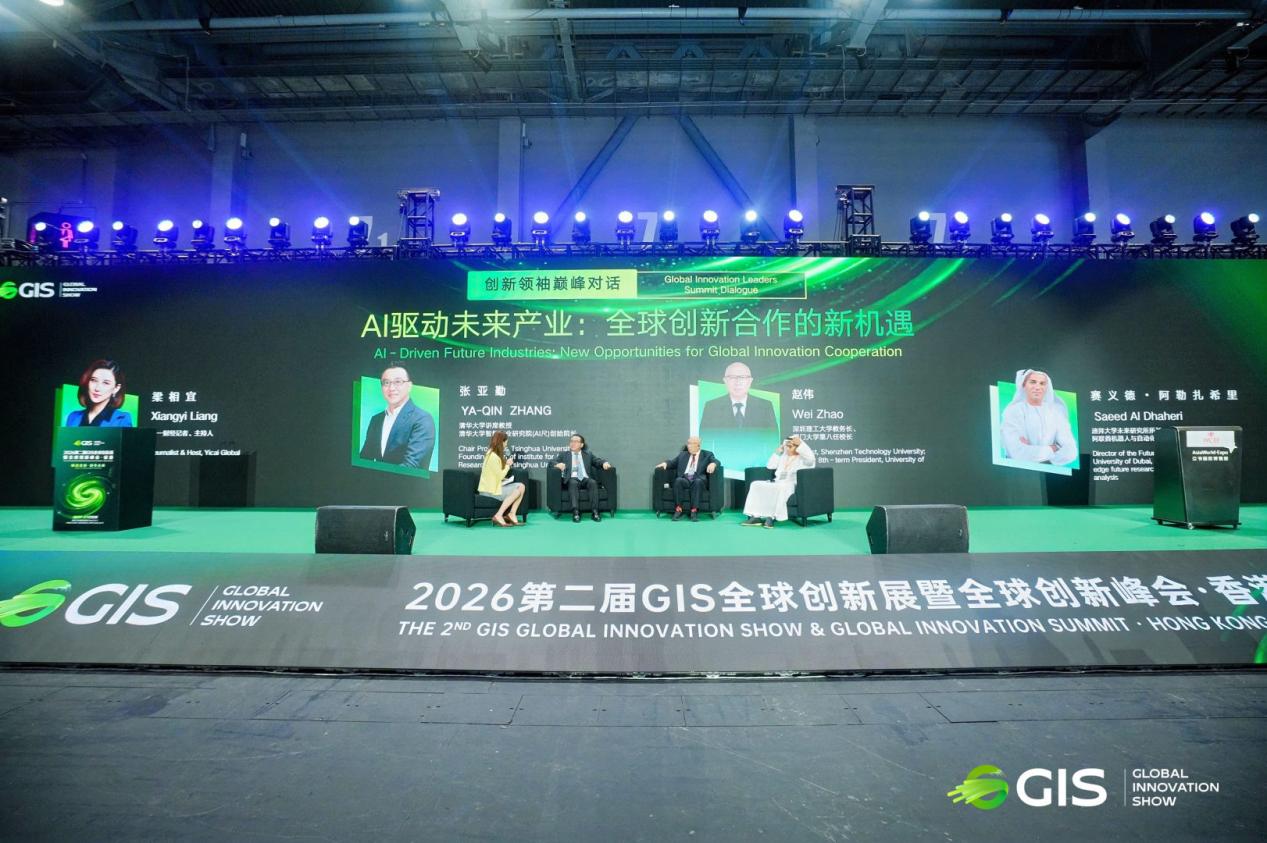
In the subsequent global innovation leaders' peak dialogue session, Liang Xiangyi, a journalist and host from Yicai, engaged in an in-depth discussion with Professor Zhang Yaqin, the chair professor at Tsinghua University and founding dean of AIR, Zhao Wei, the academic vice president of Shenzhen University of Technology and the eighth president of the University of Macau, and Dr. Saeed Al Dhaheri, the director of the Future Research Institute of Dubai University and AI advisor to the UAE government. Zhang Yaqin pointed out that the shift from pre-training to inference is leading to the strong return of the CPU, forming a golden partnership with the GPU; Zhao Wei emphasized that AI represents a century opportunity for manufacturing, but there must be an independent mechanism for safety, just as human society requires a police system to maintain boundaries; Dr. Al Dhaheri introduced that the UAE announced the world's first AI strategy in 2017 and appointed an AI minister, this year announcing the construction of a super data center with a capacity of 5,000 megawatts, aiming to become the world's first AI-native government by 2027. Regarding the dispute between open and closed source, the three guests unanimously agreed that an accountability system must be established, emphasizing that AI is not the subject but a subordinate entity, and "humans must be in the loop," and that clear red lines must be set for AI.
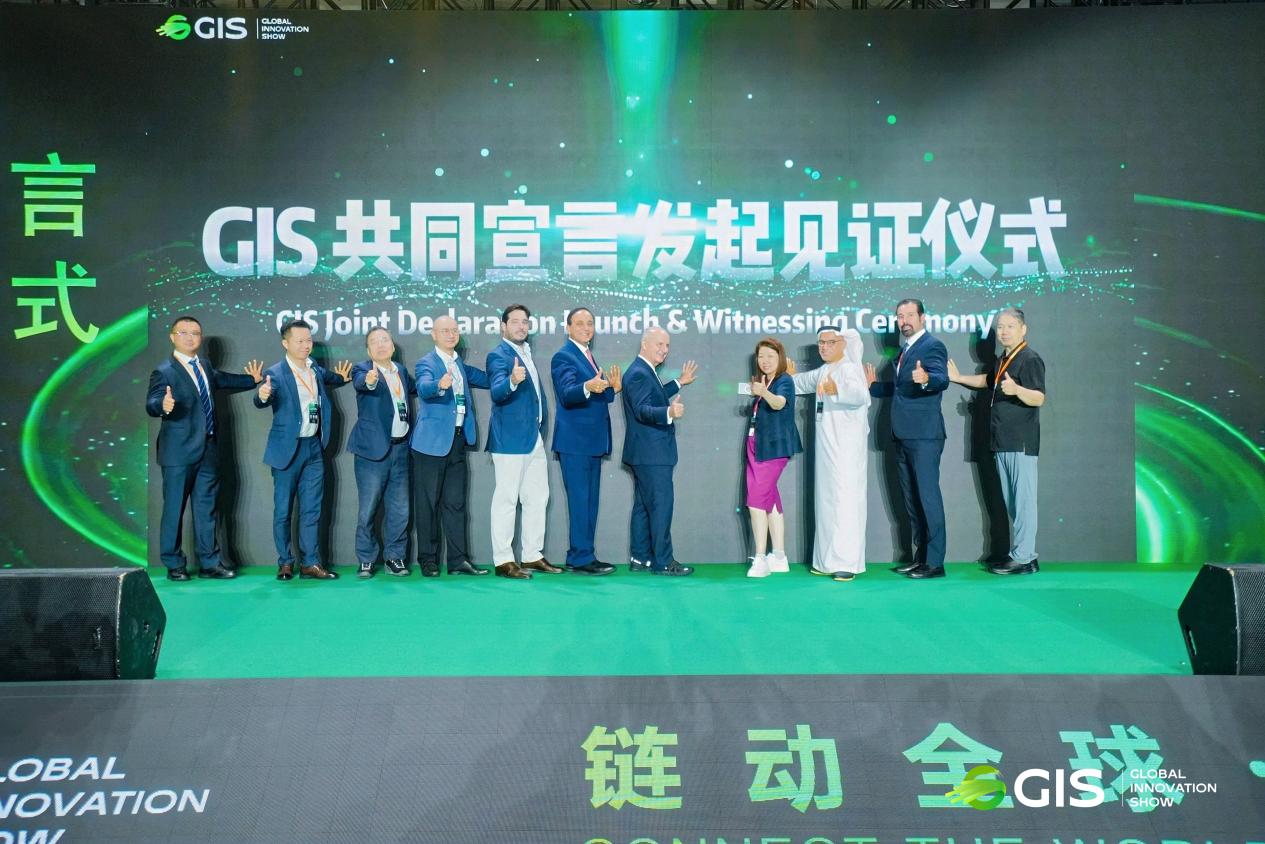
After the peak dialogue, the conference entered the initiation ceremony of the GIS Hong Kong Declaration. As a grassroots platform based in Hong Kong, GIS is committed to connecting government, industry, academia, investors, and international organizations to promote open cooperation and collaborative innovation. The declaration clarified GIS’s core positioning - connecting large companies with entrepreneurs, scientists with investors, transforming consensus into joint research and open-source co-construction projects, bridging different governance systems, and affirming Hong Kong's unique value as an international platform for technology exchange and global capital connection. In the presence of all guests, the GIS Hong Kong Declaration was officially initiated, signifying that this platform has taken solid steps in gathering global innovation consensus and promoting "technology for good." The guests jointly initiating the declaration include:
- Jose Maria Figueres, First CEO of the World Economic Forum, Former President of Costa Rica
- Lei Hong, Founder of GIS Hong Kong, Founder/CEO of Silicon Valley Innovation and Entrepreneurship Association
- Dr. Pradeep Monga, Senior Strategic Advisor to the Director-General of the United Nations Industrial Development Organization
- Dr. Saeed Al Dhaheri, Director of the Future Research Institute of Dubai University, Chairman of the UAE Robotics and Automation Association, AI Advisor to the UAE Government
- Gu Sai, Fellow of the Royal Academy of Engineering, Founding Member of the Young Academy, Executive Vice President of the University of Warwick
- Prof. Dr. David Romero, Scientific Vice Chair of the World Manufacturing Foundation
- Julio Montesinos, Co-Founder of SilkBridge Capital
- Zhou Jin Feng, President of the World Academy of Sustainable Development (WAOSD)
- Zhou Kai Bing, Initiator of the Asia Innovation Enterprises Going Global Association
- Peng Xiang Mo, Founding Partner of Chinabridge Capital
- Wang Ji Zhang, Shanghai Su Yuan Information Technology Co., Ltd.
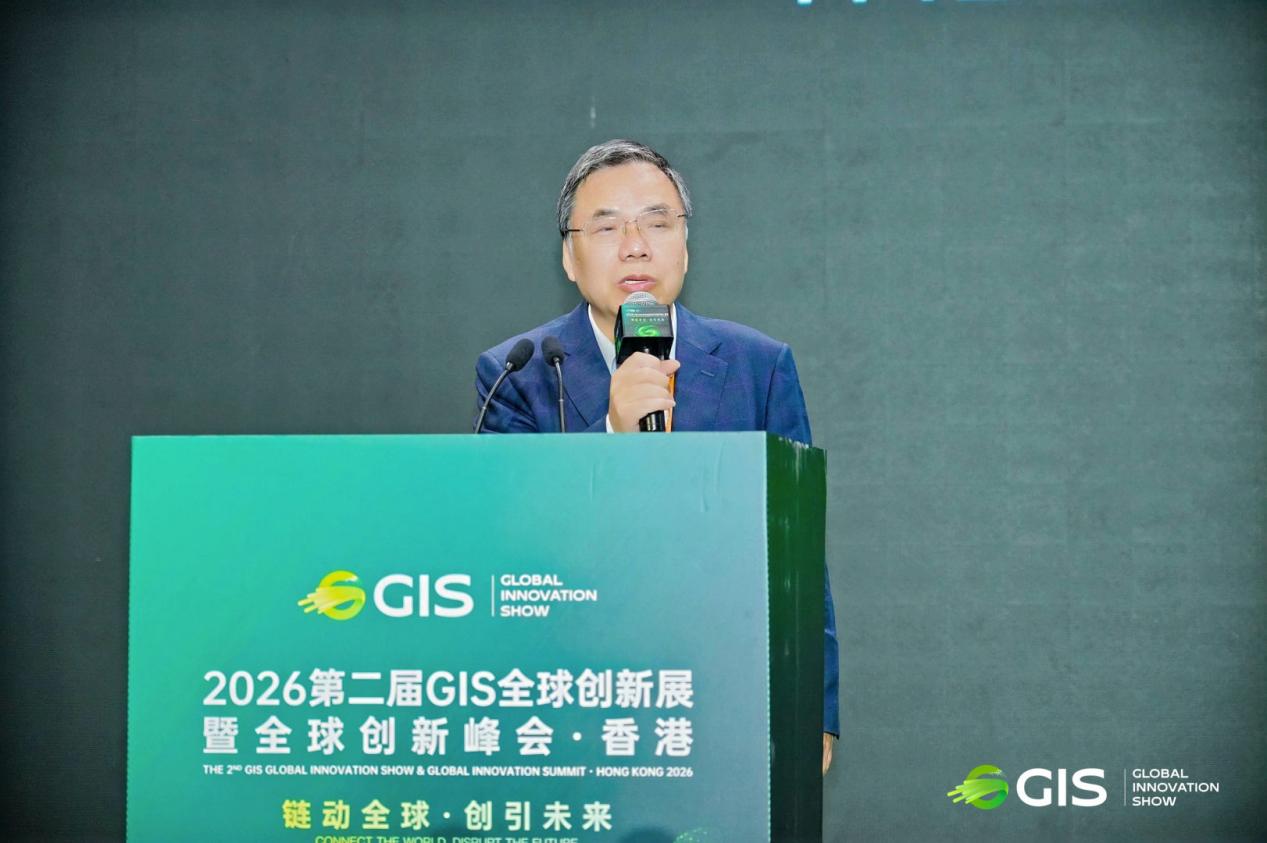
During the conference, the Asia Innovation Enterprises Going Global Association was officially signed and established. Zhou Kai Bing, the president of the Hangzhou Association of Venture Capital, introduced that this association aims to fully leverage the advantages of Hong Kong's capital market and specialized service capabilities to help domestic innovation enterprises leverage Hong Kong's hub position to advance globalization. He pointed out that China's GDP accounts for about 17% of the global total, leaving 83% of overseas markets yet to be developed—using the opportunity of increasing global recognition of domestic innovation enterprises is the best time to go global.
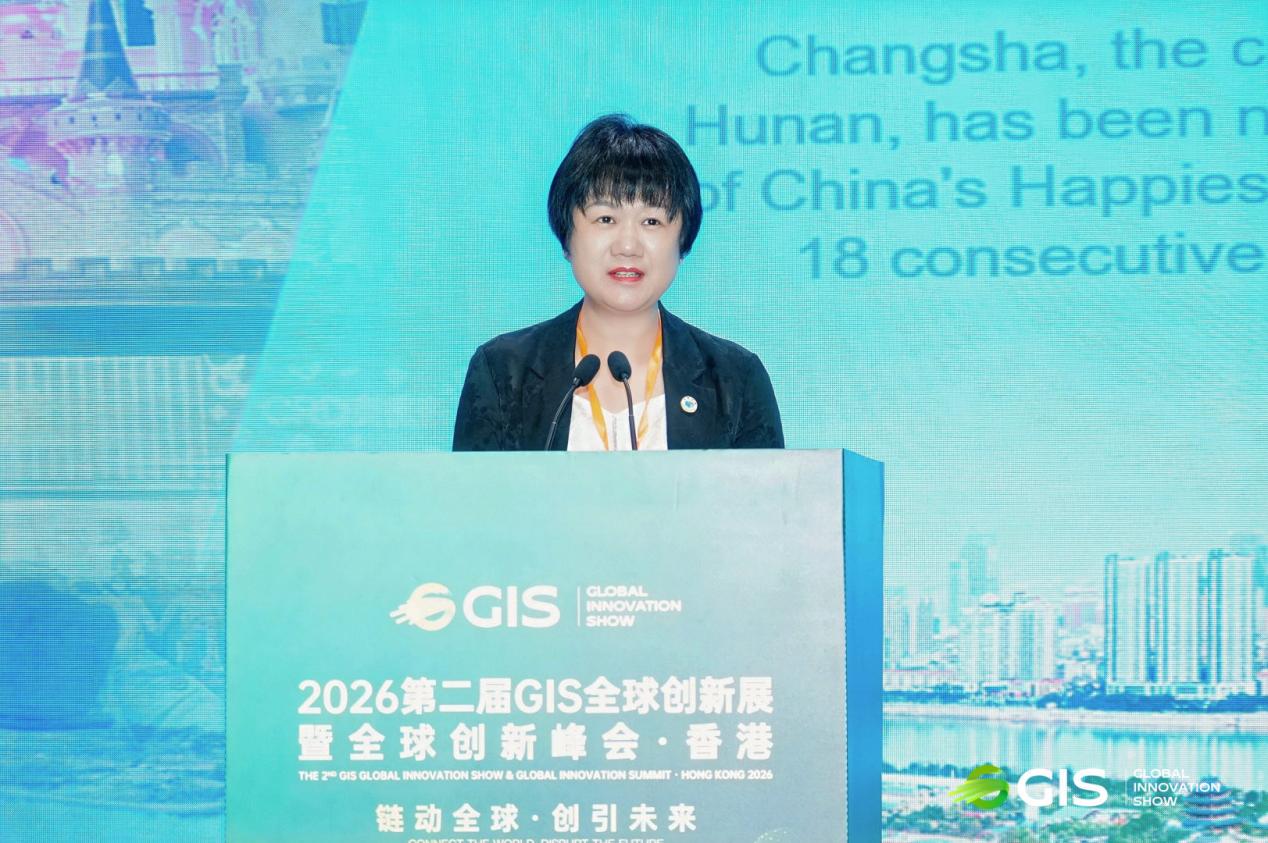
Guo Ning, Director of the Hunan Foreign Affairs Office, led a delegation of over 260 representatives from Hunan government-enterprise-academic research to attend the conference and announced that "Hunan Day" industrial innovation matchmaking would be held that afternoon. She introduced that Hunan has three 985 universities, six trillion-level industries, and five national-level advanced manufacturing clusters, with Hong Kong being Hunan's largest trading partner outside the province, looking forward to building joint research platforms with Hong Kong in the fields of AI computing hardware, embodied robotics, low-altitude economy, new materials, etc.
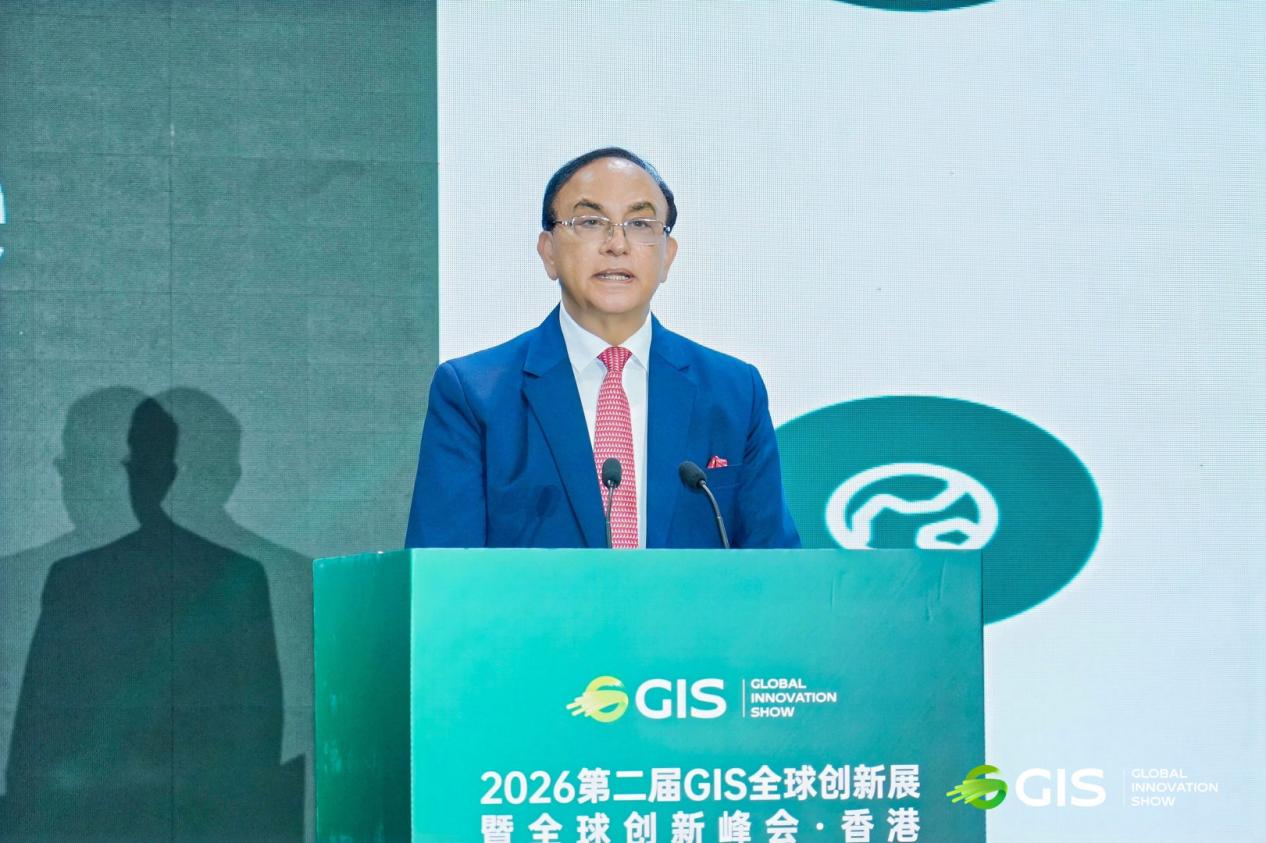
Dr. Pradeep Monga, Senior Strategic Advisor to the Director-General of the United Nations Industrial Development Organization, pointed out that AI has dual attributes—being a powerful tool for climate action, but also carrying significant environmental costs. The global AI market is expected to reach $4.8 trillion by 2033, yet less than one-third of developing countries have formulated national-level AI strategies. He called for deepening South-South cooperation and establishing inclusive and benefit-sharing mechanisms.
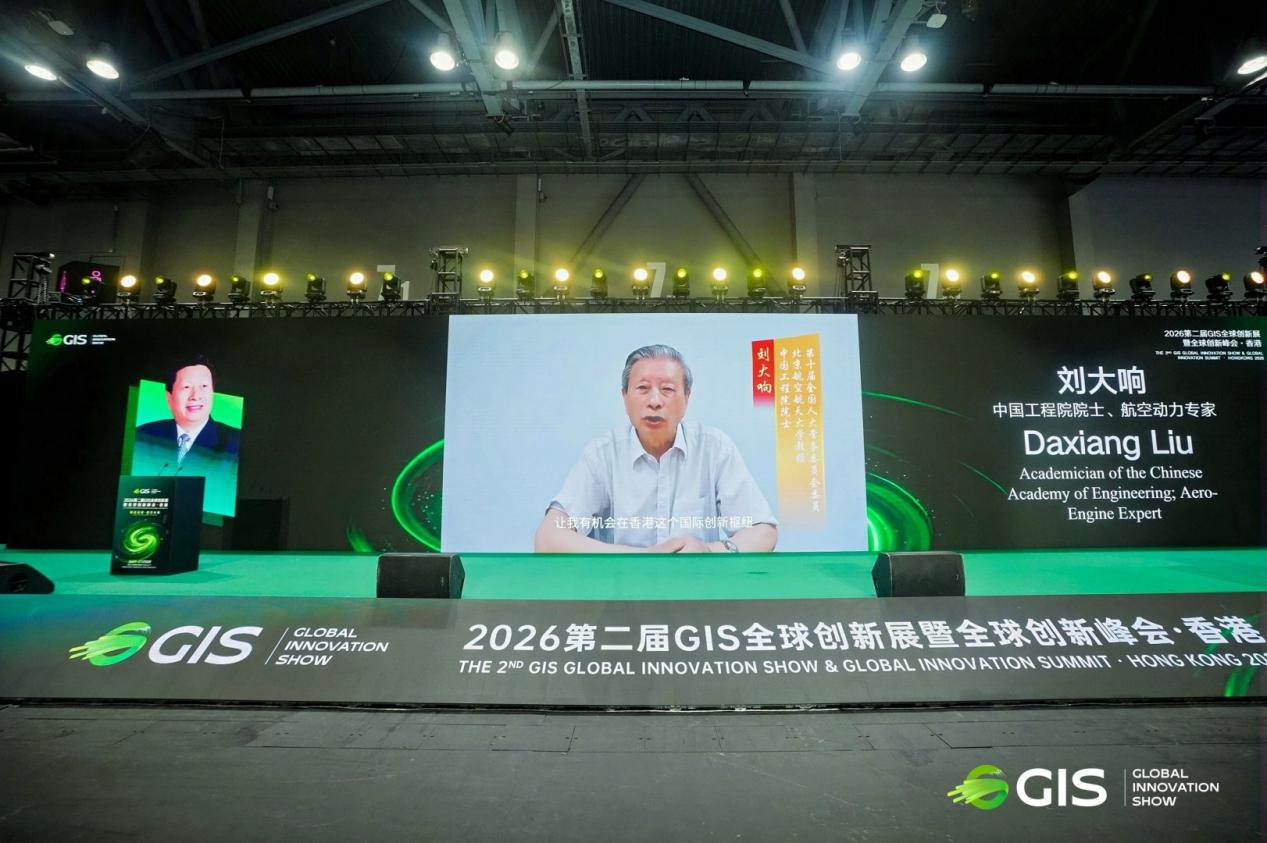
Subsequently, Liu Daxiang, Academician of the Chinese Academy of Engineering and aerospace power expert, addressed the conference via video, emphasizing that true core technologies must rely on independent research and long-term accumulation, with technologies like AI and digital twins accelerating the iterative innovation of aerospace power systems.
The conference organizing committee stated that GIS is based in Hong Kong, backed by the motherland, targeted at the world, positioned as a top global innovation technology launch platform dedicated to promoting exchanges and cooperation in global scientific and technological frontiers, advocating for "technology for good, AI for good." The formal announcement of the GIS Hong Kong Declaration further clarifies the unique role of this grassroots platform in promoting global AI cooperation—directly connecting different forces, responding swiftly to technological changes, transforming consensus into concrete projects, and building communication bridges between various governance systems. In the next two days, the conference will also hold multiple vertical sub-forums and innovation exhibitions covering cutting-edge fields such as future mobility, smart healthcare, and AI ethics.
From August 25 to 27, let us link the world and innovate the future together at the AsiaWorld-Expo in Hong Kong!
Appendix: GIS Hong Kong Declaration
GIS Hong Kong Declaration
August 2026, Hong Kong
1. Background
Artificial intelligence technology is developing at an unprecedented speed, profoundly changing the face of economy, society, and technology. Meanwhile, global AI development faces significant imbalances—technology is highly concentrated in a few regions, and many countries lack the capacity and channels to participate in AI innovation and governance. Governance rules are fragmented and lag behind the speed of technological iteration.
We—representatives from the global industry, academia, international organizations, and civil society—gathered in Hong Kong in an independent capacity to propose the following consensus and initiatives. This declaration is initiated by the GIS Global Innovation Exhibition and Global Innovation Summit, serving as a non-binding document of a grassroots platform aimed at providing reference for decision-making by all parties.
2. Shared Principles
People-Centered—AI should serve the overall well-being of humanity, respect privacy and fundamental rights, and always remain under effective human oversight.
Open Cooperation—Knowledge sharing and cross-national collaboration help accelerate technological advancement and reduce redundancy in investments.
Sustainability-Oriented—The R&D and application of AI should take into account environmental, social, and economic benefits.
Diverse Participation—AI governance requires the joint participation of diverse entities such as enterprises, research institutions, and technology communities.
3. The Value of the GIS Platform
As a grassroots platform, GIS plays a unique role in promoting global AI cooperation:
Directly connects large companies, entrepreneurs, scientists, investors, and policy researchers for efficient matching;
Agilely responds to cutting-edge technological changes, quickly organizes thematic discussions and action plans;
Transforms consensus into joint R&D, open-source co-construction, talent exchange, and other concrete projects;
Acts as an independent third party, building communication bridges between different governance systems.
4. Directions for Action
Cross-National R&D Collaboration—Conduct joint research on AI foundational theories, data security, algorithm fairness, etc. GIS will initiate the "AI Global Innovation Partnership Program" to promote project implementation.
Technological and Knowledge Dissemination—Support the co-construction and shared use of open-source tools, public datasets, and educational resources. GIS will initiate the "AI Accessibility Initiative" to expand the reach of AI technology.
Governance Tool Improvement—Promote the formulation of technical standards, evaluation systems, and best practice guidelines. GIS will initiate the "AI Transparency White Label Initiative" to provide industry self-regulation reference.
Safety Risk Prevention—Engage in dialogue on AI safety and stability. GIS will establish an annual thematic forum to form independent risk assessments.
Connecting Innovation Elements—Facilitate complementary financial, manufacturing, and research advantages in different regions. GIS will hold investment matchmaking events annually to link technology and capital.
5. Hong Kong's Position as an Innovation Hub
Hong Kong possesses unique conditions to play a nodal role in global AI cooperation:
International legal system and free flow of information;
Comprehensive financial services and capital markets;
Synergistic advantages of the Greater Bay Area's industrial chain;
Mediation function connecting different innovation systems.
Specific Functions: International technology exchange platform, cross-border data cooperation testing ground, permanent site for AI governance dialogues, innovation ecosystem clustering area, global capital connection portal.
6. Shared Understanding
We acknowledge:
AI development should benefit different countries and regions together;
International collaboration helps reduce risks and enhance safety;
Governance mechanisms must remain flexible to keep pace with technological changes;
Multi-channel dialogue helps enhance understanding and seek consensus;
Grassroots platforms serve as complementary forces beyond official governance;
Hong Kong is an ideal location for undertaking the aforementioned work.
7. Follow-up Actions
Annual release of the "Global AI Innovation Index and International Cooperation Progress Report";
Continuously open participation to the global innovation community.
Conclusion
The era of artificial intelligence has arrived. Only by adhering to an open, cooperative, and responsible attitude can we unleash the positive potential of AI while effectively managing its risks. GIS is willing to work hand in hand with all parties to continue these efforts.
This declaration is initiated by the organizing committee of the GIS Global Innovation Exhibition and Global Innovation Summit.
免责声明:本文章仅代表作者个人观点,不代表本平台的立场和观点。本文章仅供信息分享,不构成对任何人的任何投资建议。用户与作者之间的任何争议,与本平台无关。如网页中刊载的文章或图片涉及侵权,请提供相关的权利证明和身份证明发送邮件到support@aicoin.com,本平台相关工作人员将会进行核查。


