A while ago, I came across an interesting hypothesis: if someone bought 1 million worth of BNB in 2017, how much would it be worth today?
The answer is over 6 billion.
Honestly, I wouldn't dare to dream such a number; I've never seen this much money in my life.
Just like the saying in that chain message -- there are no ifs in life.
Even if we could start over, how many people could have pulled out 1 million in spare cash back then? If someone had 1 million, they might have already blown it; who knows if they could have held onto it.
To put it simply, whether in the past or present, the vast majority of ordinary people never have that much principal available.
A monthly salary over 10,000 is a pleasant surprise; a few thousand is the norm for living. After paying the rent and having three meals, the salary card is basically empty by the end of the month.
In this situation, how should regular people manage their finances to steadily save up their first pot of gold?
Today, let's briefly discuss it; if you break it down, it's actually three steps: first survive, then save, and finally let money generate more money.
Many people rush to buy coins as soon as they enter the market, and when they encounter urgent situations needing cash, they can only sell at a loss. Without any reserves, their mindset collapses with the slightest market fluctuation; how can they possibly hold on to returns?
Therefore, before contemplating how to let money generate more money, it's essential to leave enough for 3 to 6 months of living expenses as an emergency fund. This money is a life-saving fund that absolutely cannot be put into high-risk markets; it acts as a cushion for you to remain rational in the market.
The starting point of financial management is never about choosing which asset will rise; it’s first about managing your cash flow well.
Previously, our sequence of spending was mostly: salary arrives → eat → buy clothes → entertainment → save whatever is left at the end of the month.
And what was the result? Basically, there's not a single penny left by the end of the month.
It needs to be reversed.
When a salary of 5,000 arrives, first forcibly transfer 500 away, even if it's only 300, and then arrange living expenses with the remaining money.
First, set aside the money you want to save into an account that only allows deposits, and only spend what’s left. It must be unbreakable, even if you walk past a food street and want to invite a friend for a massage, that set-aside money cannot be touched.
The focus is never on the amount but on starting the automated habit of "saving for yourself first."
Once you have a surplus and set up a cushion, you can slowly think about how to let money generate more money.
Recently, the Binance Research Institute released a report stating that nearly 30% of young people start to get into investment right after graduating from university. It seems today's kids are indeed much more aware than we were; it's quite normal for everyone to have asset anxiety.
But for beginners, avoiding pitfalls is a hundred times more important than blindly chasing high returns.
For someone with a monthly salary of 5,000, the cost of trial and error is already low; don't go all in right away; start with "understanding the tools" and "small-scale experiences."
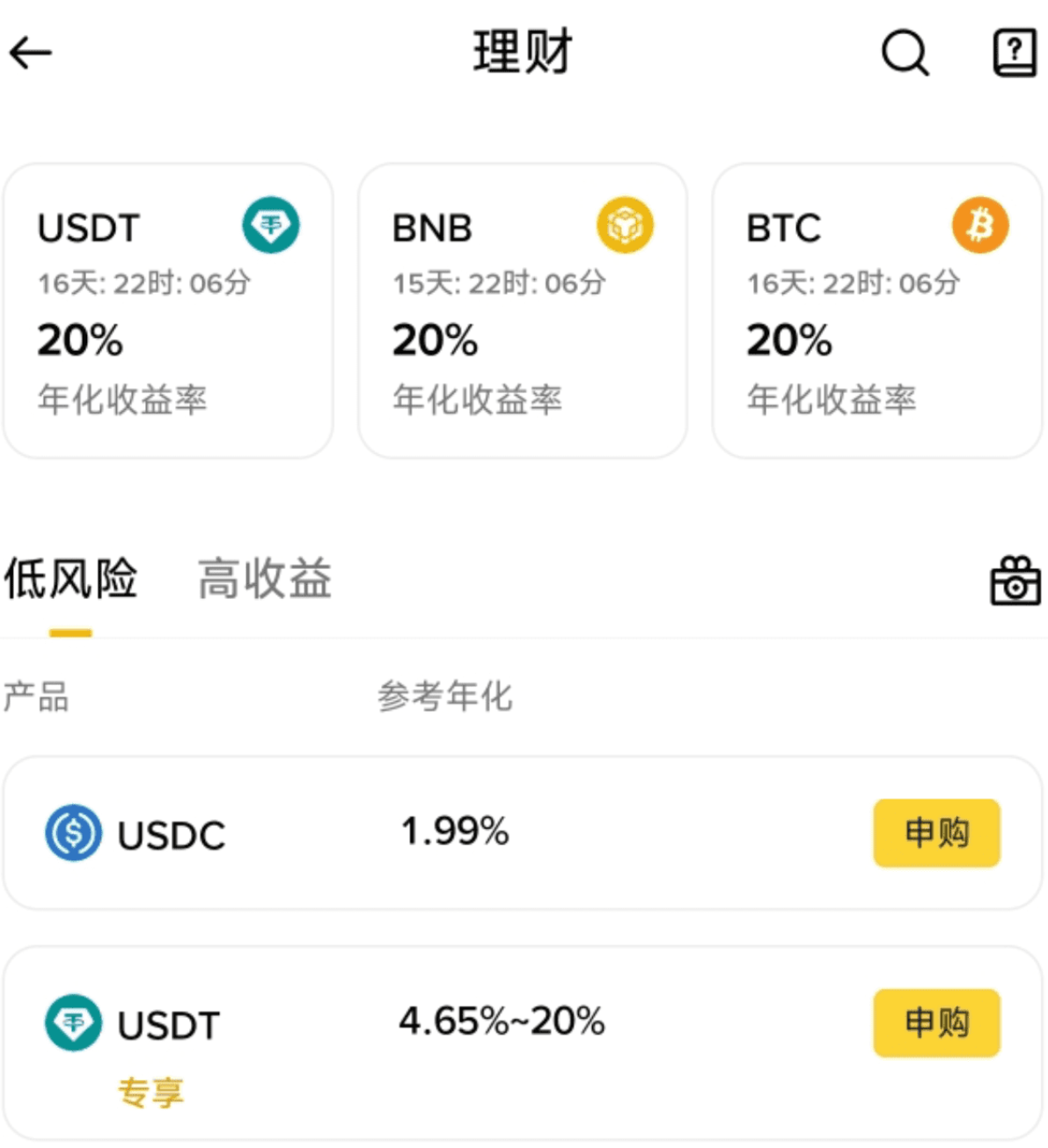
For instance, take a few hundred in spare cash to try out a regular financial product; something like Binance's regulars is quite stable; make sure to understand the processes, sources of returns, and rules first.
For friends without an account, the link is here:
Exclusive registration link: https://jump.do/zh-Hans/xlink-proxy?id=3
Invitation code: aicoin668, enjoy a 10% rebate
Newcomers wanting to try small-scale financial management can take a look, and remember to enable 2FA security verification after registration; safety is always the top priority.
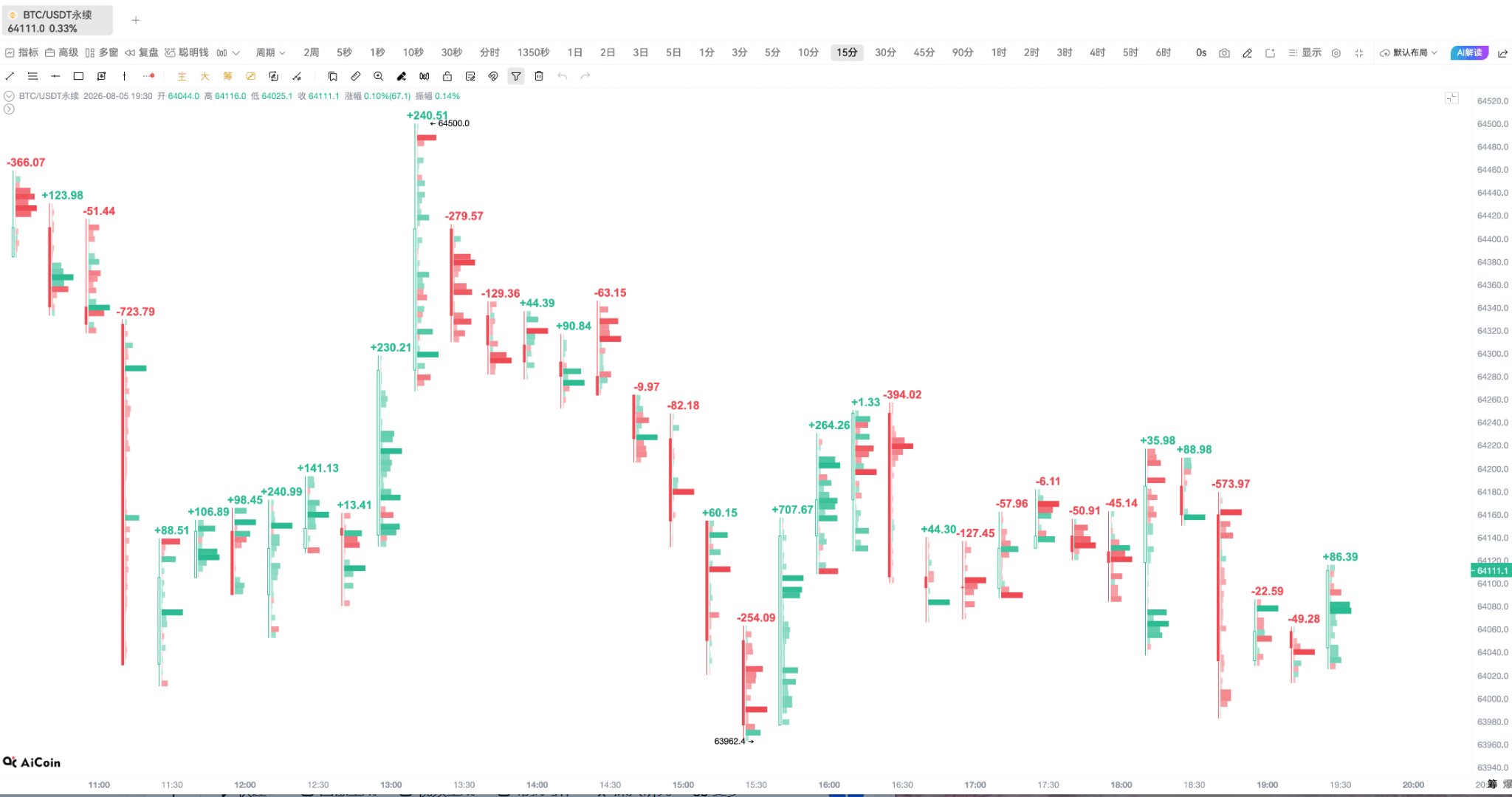
The recent market has been a bit frustrating, which is normal; a significant reason is that it is too tightly bound to the US stock market.
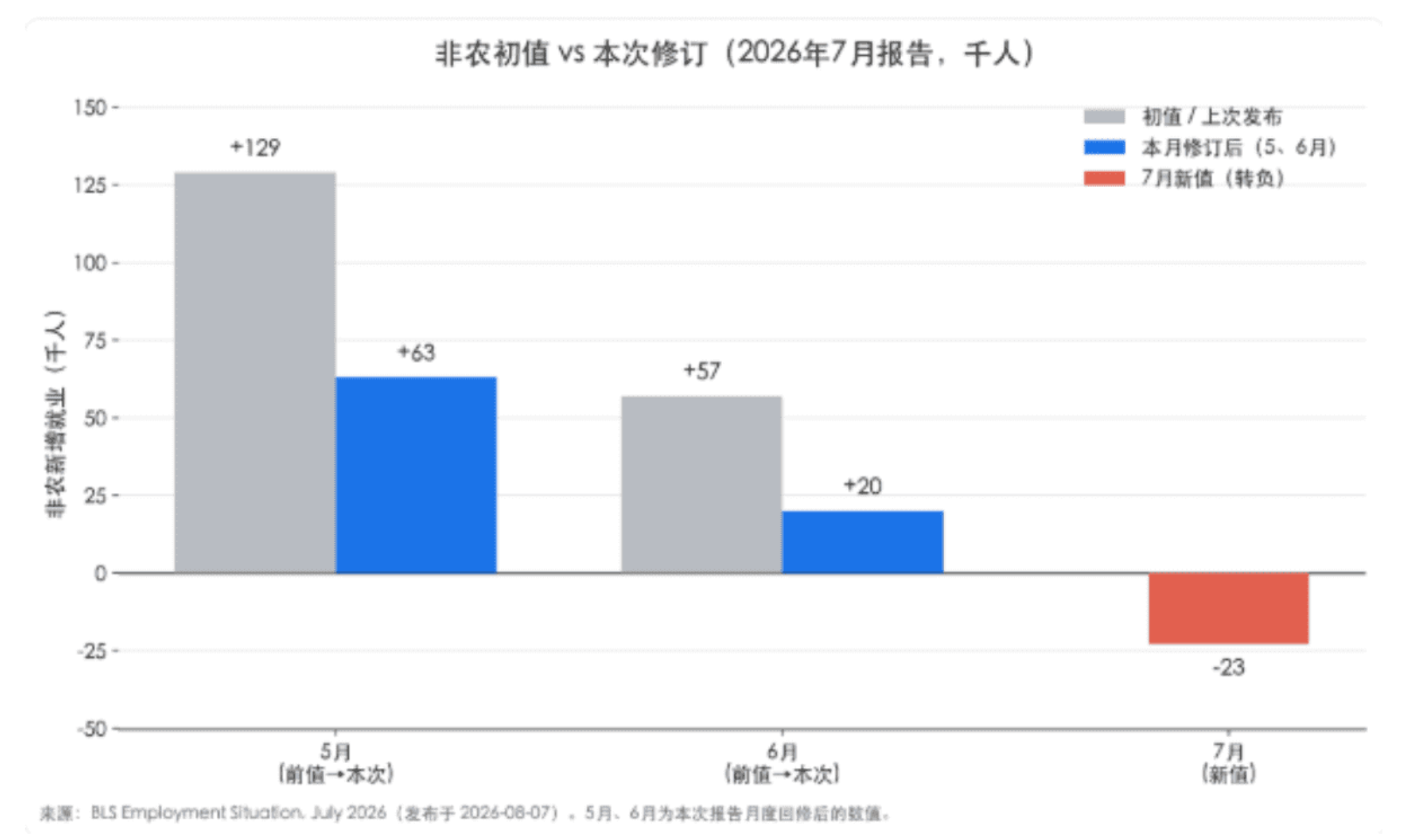
Everyone is watching for news of rate cuts in the US and the earnings reports of tech giants; when there’s the slightest disturbance outside, we immediately jump around here.
It’s interesting that every July and August seems to be this boring period. Looking at historical data, most of the time there are no major market movements; it's rarely a one-way surge; most of the time it just grinds back and forth, with occasional spikes up and down.
Speaking of financial reports, many friends who don’t follow stocks may wonder what corporate financial reports have to do with me?
Actually, it has a lot to do. Financial reports are directly linked to our jobs, wallets, and investments; just think of it as a company's "health check report" plus "bank flow statement."
For example, the recent financial report released by SpaceX showed rapid growth, with second-quarter revenue of 7.8 billion dollars, up 92% year-on-year; these fundamental changes will eventually be reflected in the market.
I’ve organized three "money-making" ideas that ordinary people can use; don’t let idle cash sit around:
First, if you don’t plan to buy coins, don’t just let USDT lie around; keep it in a regular savings account to earn some interest, allowing you to benefit while being able to withdraw at any time, and it helps you control your spending habit, preventing impulsive purchases.
Second, don’t leap into risking everything. If a widespread panic drop happens, divide the idle cash into four or five portions; with each portion, slowly buy into your position without leverage, and never fire all your bullets at once.
Third, true leverage is always off-site. Instead of risking zeroing out on-site to gamble for wealth, it’s better to put more effort into enhancing your main business or starting a side business. Earning consistently off-site to fund on-site investments rationally with spare cash is the most stable way to grow wealth.
In summary:
First survive and save enough for 3-6 months' worth of emergency funds;
Then save, starting with saving 10% as soon as the salary is deposited;
Finally, let your money work rationally for you; maintain off-site cash flow to support on-site investments, watch more and act less.
If you don't have a Binance account, or want to try financial management, the link is still this:
Exclusive registration link: https://jump.do/zh-Hans/xlink-proxy?id=3
Invitation code: aicoin668, enjoy a 10% rebate
If you encounter anything you don’t understand, feel free to tag customer service Yingying or KK in the group; they will guide you step by step.

Friends who often watch our live broadcasts can join the exclusive group "Live Room Q&A Growth Community"; feel free to chat whenever you have questions.

Currently, there are live broadcasts every day; welcome to keep following AiCoin friends! Book in advance 👇
https://www.aicoin.com/zh-Hans/live/list?tab=upcoming
Join our community, let’s discuss together and become stronger!
Official Telegram community: https://t.me/aicoincn
AiCoin Chinese Twitter: https://x.com/AiCoinzh
Aster rebate: https://www.asterdex.com/zh-CN/referral/9C50e2
Hype rebate: https://app.hyperliquid.xyz/join/AICOIN88
Binance rebate: https://jump.do/zh-Hans/xlink-proxy?id=3 Invitation code: aicoin668
Coinbase rebate: https://jump.do/xlink?checkProxy=true&proxyId=25 Invitation code: Y8L23JL
免责声明:本文章仅代表作者个人观点,不代表本平台的立场和观点。本文章仅供信息分享,不构成对任何人的任何投资建议。用户与作者之间的任何争议,与本平台无关。如网页中刊载的文章或图片涉及侵权,请提供相关的权利证明和身份证明发送邮件到support@aicoin.com,本平台相关工作人员将会进行核查。