The South Korean Stock Market's Surge to Plummet: How Leverage Trading Turned Young People's "Redemption" into a Nightmare
In Seoul, in a single apartment not much larger than a parking space, 24-year-old university student Lee Seung-ho sits in front of a computer, where red and green candlesticks dance on the screen.
Next to him is an empty Hibiki whisky bottle and an unopened fan—that was a "reward" given to him by a broker after he became a VIP client.
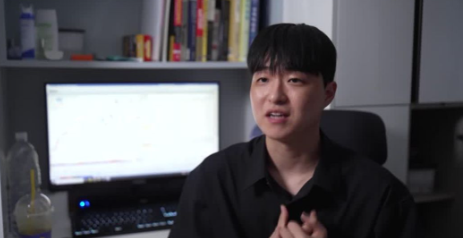
In May this year, he turned the 20 million won (about $13,500) he saved during his military service into about 300 million won (about $202,500) using a 5x leverage through a "small circle button" on a trading app, achieving an astonishing 15 times return.
But just four weeks later, extreme fluctuations in the South Korean stock market led to a chain of forced liquidations by brokerages, leaving his account nearly at zero, falling below his initial capital. "I could hardly breathe," Lee Seung-ho later described the pressure he felt at that moment to a Reuters reporter.
However, he did not give up. "But I still insisted on margin loans," he said firmly. A clear goal: to buy an apartment in Seoul and fulfill his dream before getting married and having children ("a son and a daughter").
For many South Korean youths like him, high-leverage stock trading has become the "only economic equalizer."
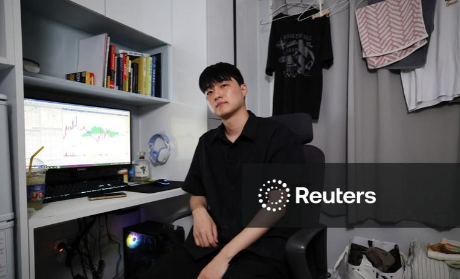
The Epic Surge of KOSPI and the Brutal Plunge in July
Lee Seung-ho's story is not an isolated case but a microcosm of the frenzy among South Korean retail investors. In the first half of 2026, driven by the AI boom, the KOSPI became one of the best-performing major stock indices globally.
In just six months, it more than doubled, reaching a high of about 9114 points, with semiconductor giants Samsung Electronics and SK Hynix (which together account for about 40-50% of the index's weight) being the main driving forces.
However, the good times did not last long. Entering July, the market turned on its head.
The KOSPI plunged about 23%-27% in just a month, falling more than 20%-25% from its peak, officially entering bear market territory, with multiple trading days triggering circuit breakers and trading halts.
This was one of the most severe monthly declines in recent years, surpassing the monthly performance during the financial crisis of 2008.
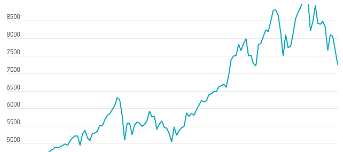
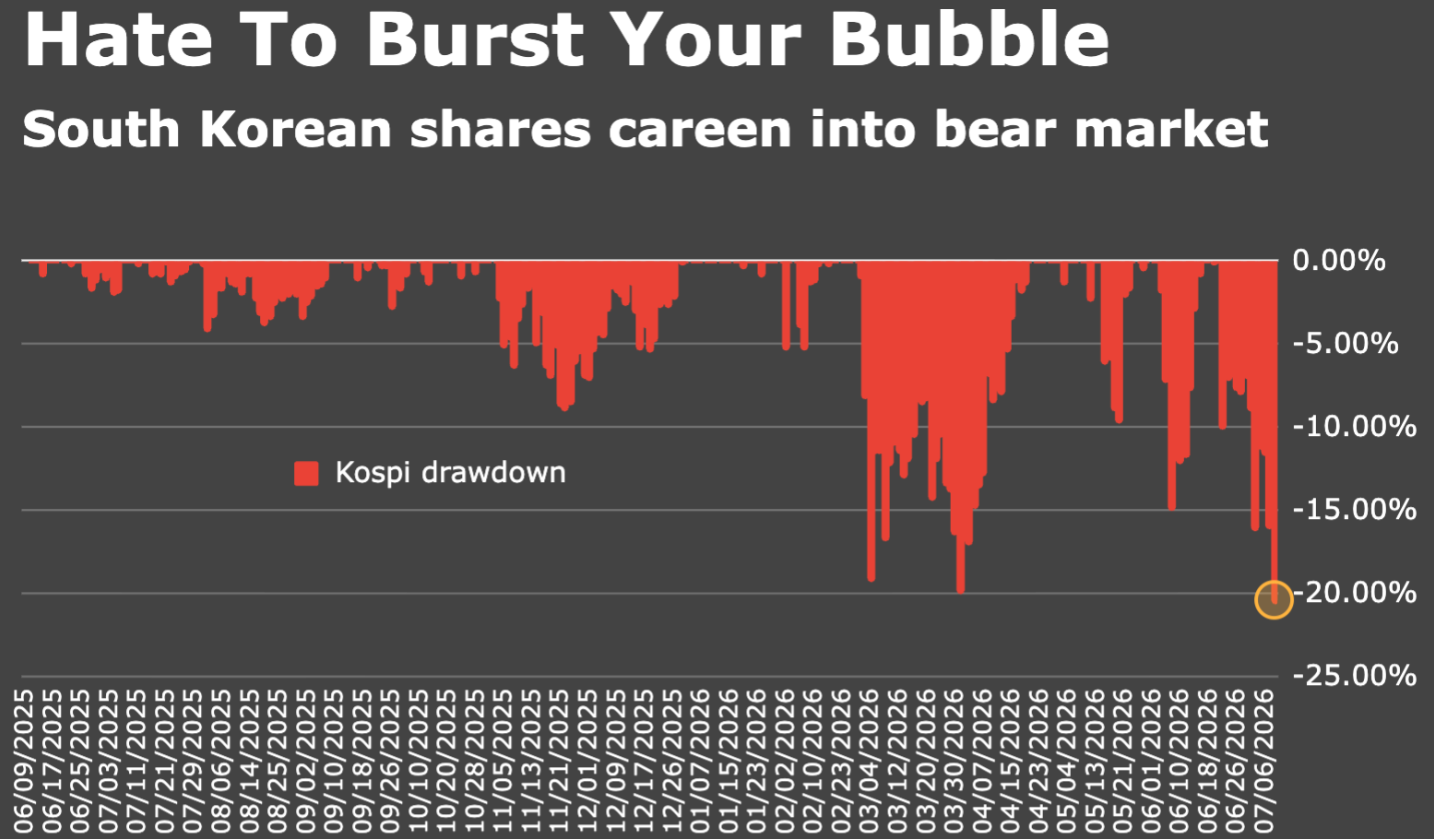
By mid to late July, the KOSPI had fallen below 7000 points. Although it still recorded an increase of about 60% for the year, the brutal correction in July erased a significant amount of unrealized gains. Cumulatively, the market value evaporated by hundreds of trillions of won, with retail investors, especially those using leverage, suffering the most.
The volatility index soared to a historical high of 97.99 (far above 28.85 at the end of 2025), with the market swinging violently like a roller coaster: down 8% one day, rebounding 8% the next, and then falling 4% again... This extreme market behavior became even more deadly under the magnification of leverage.
👉 Click to enter Bybit and explore a new world:
https://jump.do/zh-Hans/xlink-proxy?id=15
The "Double-Edged Sword" of Leverage: The Chain Reaction from Wealth to Forced Liquidation
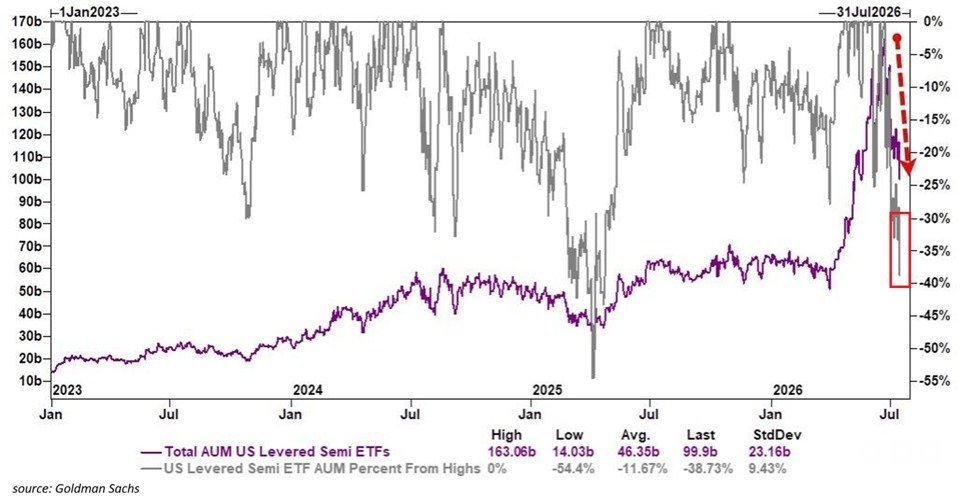
The obsession of South Korean retail investors with leverage is the core amplifier of this plunge. Data from the Korea Financial Investment Association shows that the balance of margin loans in the domestic stock market reached a historical high of 38.63 trillion won on June 24 and remained above 34 trillion won in mid-July. The broader debt data from the South Korean central bank (including other forms of borrowing) had already exceeded 60 trillion won by the end of May.
Lee Seung-ho is a typical case: he quickly amplified his returns using the convenient tool of "unlocking 5x leverage with just one button."
But when the market turned, violent fluctuations triggered a chain reaction of margin calls by brokerages, causing his enormous unrealized gains to evaporate instantly.
In the past month, South Korean retail investors are estimated to have lost tens of billions of dollars due to leveraged trading, with hundreds of thousands of accounts being forcefully liquidated and over a million leveraged accounts facing margin calls.
The Dilemma of the Younger Generation: Skyrocketing Housing Prices, Leverage Becomes a "Lifeline"
Why are South Korean youths so keen on high-risk leveraged trading?
The root lies in the harsh reality. The average price of a Seoul apartment is equivalent to 14 years of an average person's salary. The traditional path to wealth accumulation (stable job + saving to buy a house) is almost closed off to recent graduates. Many people feel that "stocks are volatile assets, and upward fluctuations can quickly create wealth," and leverage can speed that up fivefold.
Lee Seung-ho bluntly said, "If I use 5x leverage, my wealth accumulation speed will be five times that of others." He likened trading to poker: "It’s not always about going all-in; you only strike when the odds are heavily in your favor, making it hard to be wiped out in one go."
But reality is often harsh. The plunge in July left countless retail investors like him "unable to sleep." Retail investors continued to buy in June and July, but leverage amplified the losses. Foreign investors took the opportunity to pull out massively, setting annual record outflows.
Regulatory Action: From "Policy Missteps" to Urgent Brakes
In the face of an increasingly dangerous trading frenzy, South Korean regulators finally took action. On July 16, authorities announced a ban on the new listing of leveraged ETFs linked to individual stocks in an attempt to cool down speculative fervor. This measure came just two months after the initial approval of these products.
Despite experiencing "suffocating" pain, Lee Seung-ho still plans to "once I have enough capital, I will borrow again and return to the market."
His story reflects the risks and perseverance of the entire South Korean retail trading culture: the temptation of high risk and high returns, combined with the housing affordability crisis, has made leverage a tool for many people's "last gamble." Market participants, analysts, and regulators are all reflecting: the AI-driven semiconductor boom was originally supported by fundamentals, but a high concentration + leveraged amplifications + retail dominance created unprecedented volatility. Veteran investors like Jim Rogers have chosen to stay away and wait for a more depressed market.
The plunge in July serves as a wake-up call: leverage can make people wealthy quickly, but it can also bring them to zero in an instant. It amplifies the joy of rising and the pain of falling.
The dramatic shift of the South Korean stock market from "world's best performance" to "entering bear market" reminds global investors—that maintaining discipline in the frenzy is more important than any leverage. For Lee Seung-ho and millions of other South Korean retail investors, the future remains uncertain.
Will the dream of housing be realized at "five times the speed"? Or will it once again leave them "unable to breathe" in the next wave of volatility? The market will provide the answer, but the lessons have already been deeply etched. Data and facts source: Reuters, Korea Financial Investment Association, Bank of Korea, and other public reports.
The market changes rapidly; investment requires caution, and leveraged trading carries extremely high risks. This is a deep article based on real events, blending personal stories, macro market dynamics, and regulatory perspectives.
Official Telegram community:
AiCoin Chinese Twitter:
Bybit benefits group:
https://aicoin.com/link/chat?cid=7JmRjnl3w
Disclaimer: The above content is purely based on market observations and experience sharing and does not constitute any specific investment or trading advice. Stablecoins and various on-chain interactions still carry some risks of smart contracts and platform compliance; please make rational decisions based on your own risk tolerance.
免责声明:本文章仅代表作者个人观点,不代表本平台的立场和观点。本文章仅供信息分享,不构成对任何人的任何投资建议。用户与作者之间的任何争议,与本平台无关。如网页中刊载的文章或图片涉及侵权,请提供相关的权利证明和身份证明发送邮件到support@aicoin.com,本平台相关工作人员将会进行核查。