In July 2026, the U.S.-Iran relationship once again entered a sensitive period. Despite reaching a temporary memorandum of understanding (MoU) in mid-June to gradually reopen the Strait of Hormuz to alleviate the energy crisis, recent attacks by Iran on commercial vessels and the U.S. response have once again pushed this crucial global choke point into the spotlight. On July 6-7, Iran opened fire on three commercial ships near Oman’s territorial waters, prompting the U.S. to carry out strikes against Iranian targets, resulting in a situation characterized by a "fragile ceasefire that could break at any moment."
The Iranian side continues to emphasize its sovereignty claims over the Strait, demanding passing vessels adhere to designated routes and possibly pay fees. The U.S., on the other hand, insists on the principle of freedom of navigation in the Strait, rejecting any unilateral control. The USS Abraham Lincoln aircraft carrier strike group is currently positioned in the Arabian Sea, and the U.S. Central Command has deployed over 20 warships to enhance regional presence, serving both as a deterrent and preparation for potential escalation.
The Strait of Hormuz accounts for approximately 20-25% of global maritime oil transport and a significant amount of liquefied natural gas shipping. Should a large-scale blockade or sustained attacks drastically reduce traffic, the consequences would quickly ripple through the global energy supply chain. During the peak conflict period earlier (February-March), traffic through the Strait significantly decreased, leading to a temporary surge in oil prices; after the reopening agreement in June, traffic gradually recovered, prompting analysts to lower their oil price expectations for 2026, with Brent crude now hovering in the $70-80 range.
If the conflict further escalates leading to a real interruption of the Strait, the global energy supply would face significant shortages, and short-term oil prices could spike to $90-100 or even higher. This would directly exacerbate imported inflation pressures, particularly for Asian and European economies reliant on imports, potentially triggering a chain of stagflation risks: slowing economic growth combined with rising prices. Historical experience shows that such geopolitical shocks are often accompanied by heightened risk aversion, a stronger dollar, and pressure on Bitcoin.
Hawkish Signals Strengthen, Rate Hike Expectations Heat Up
Parallel to these geopolitical risks is the pressure for a shift in U.S. Federal Reserve monetary policy. The June FOMC meeting minutes released on July 8 revealed that decision-makers' concerns regarding inflation trajectories had intensified, with the median dot plot now indicating the possibility of at least one rate hike this year, contrary to earlier expectations of a rate cut. The market's pricing for a rate hike in September has significantly increased, and while it is not yet "set in stone," the probability has become hard to ignore in the current environment.
Upcoming June CPI data, scheduled for release on July 14, will serve as a crucial forward-looking indicator. This is the last major inflation reference before the July 28-29 FOMC meeting. If energy prices rise due to geopolitical factors and push CPI above expectations (especially if core inflation proves sticky), the likelihood of a rate hike could climb to even higher levels. Inflation expectations have already been influenced by oil price and supply chain disruptions, with the committee under Chairman Kevin Warsh emphasizing data dependence and a preference to maintain elevated rates to anchor expectations.
The enduring high interest rate environment will continue to suppress the financing costs and liquidity of overvalued risk assets. Expectations of a strengthening dollar will also amplify pressures on emerging markets and commodity currencies, creating a dual squeeze of "strong dollar + high rates."
Negative Feedback Loop Under Triple Resonance
Currently, the market is facing a closed-loop transmission of geopolitical conflict → rising oil prices → increasing inflation stickiness → the Federal Reserve maintaining or hiking rates → a stronger dollar and declining risk appetite → cryptocurrency pressure → further demand for safe havens. This loop will be significantly amplified during periods of weak liquidity.
As a high-beta asset, the cryptocurrency market continues to come under pressure in this environment, but it also harbors opportunities amid volatility. Many investors are choosing professional platforms to lower risks and seize opportunities during severe fluctuations. One-click registration to start your crypto journey on Gate.io:
https://jump.do/zh-Hans/xlink-proxy?id=5
Amid current macro uncertainties, savvy traders are turning to Gate.io—one of the world's leading compliant crypto exchanges. Here, trading depth is robust, fees are low, and it supports hundreds of quality assets, meeting both leverage and spot market needs in one stop. Whether you are looking to hedge with BTC or capture geopolitical rebound opportunities, Gate.io's secure risk control and professional tools can guide you safely through turbulent markets. A professional platform allows for more relaxed investments.
Recently, Bitcoin prices have fluctuated in the $60,000-$64,000 range, accompanied by over $1 billion in leveraged liquidations. A large number of traders facing liquidation has led to a liquidity vacuum, where minor large sell pressures can trigger significant volatility. If the July 14 CPI exceeds expectations alongside new geopolitical events, the risk of BTC rapidly retracing to the $60,000 support level or even lower is realistically present.
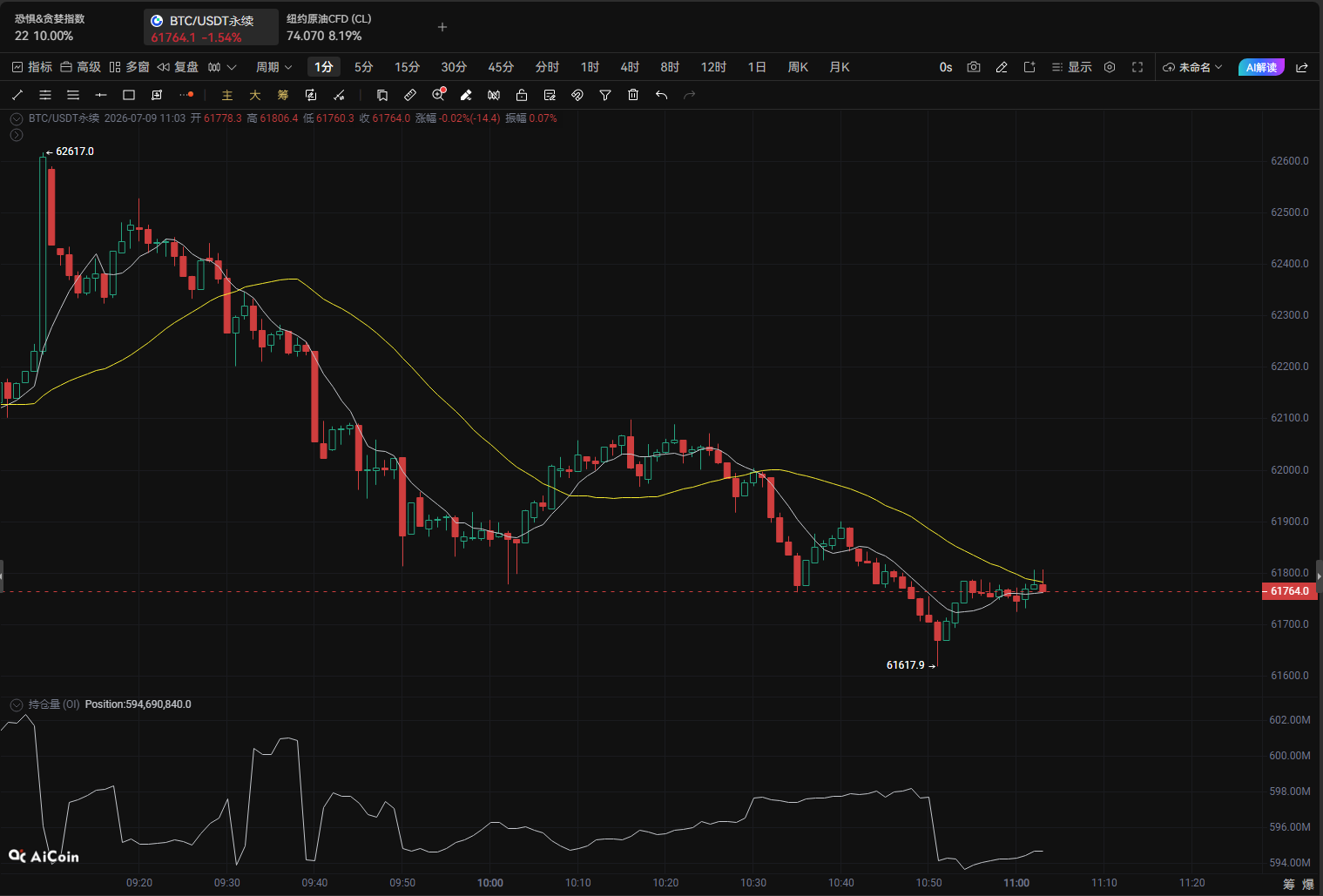
(AiCoin K-line chart, price alerts can be set)
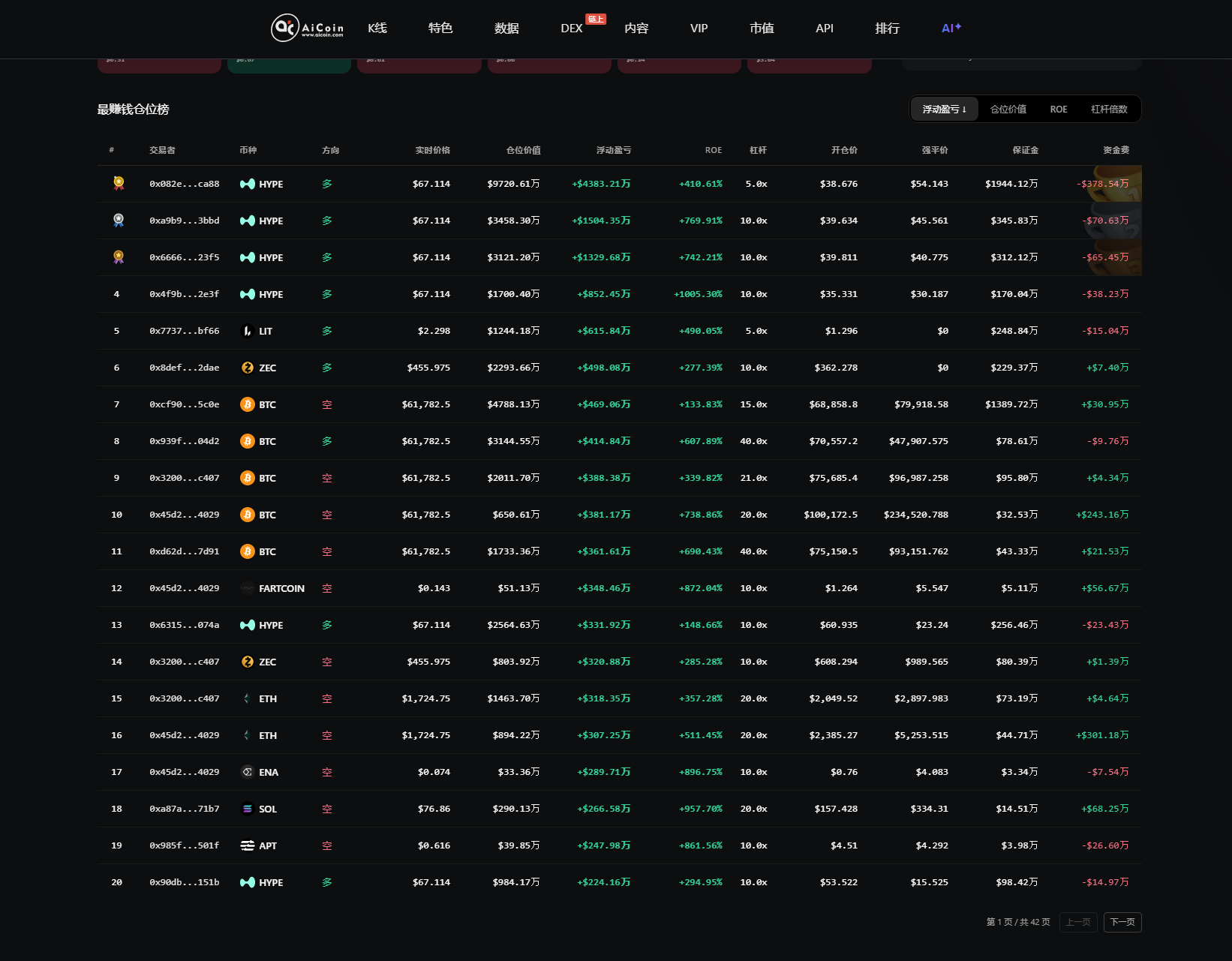
Clearing data from the past week indicate that long positions dominated losses, reflecting vulnerability under overheating leverage and macro uncertainties. Institutional or large trader reductions (such as early whale selling cases) further aggravated volatility. Although the cryptocurrency market has long benefited from narrative-driven trends, it is unlikely to detach from traditional financial macro anchoring in the short term, especially during periods of risk aversion, often resulting in amplified declines.
Market Outlook and Risk Management
In the short term, the July 14 CPI and the FOMC meeting at the end of July will be focal points. Geopolitically, if the U.S. and Iran can ease tensions in the Strait through diplomatic channels, oil prices may remain relatively tame; conversely, any new attacks or large-scale military responses could reignite supply concerns, pushing oil prices into a temporary rebound.
For investors, the current environment emphasizes risk management as a priority: diversifying allocations, reducing leverage, and monitoring the correlation between the dollar and oil prices. Holders of crypto assets need to be vigilant against liquidity black swans, while traditional markets must pay attention to the dual impact of stagflation signals on stocks and bonds. The global supply chain has shown resilience in earlier disruptions, but continued uncertainties will test corporate inventory strategies and consumer spending.
Overall, while U.S.-Iran tensions have not returned to the peaks of February-March, any miscalculation could quickly amplify macro consequences. The stability of the Strait of Hormuz is not just an energy issue, but a cornerstone of global economic stability. In the second half of 2026, where Federal Reserve policy shifts and geopolitical risks intertwine, market participants need to adopt a more cautious, data-driven perspective to navigate multiple uncertainties.
Risk Warning: Prices of digital assets are highly volatile; institutional cooperation and related business advancements should be based on official announcements. Please participate rationally and pay attention to risk control.
Join our community, let’s discuss together and become stronger together!
Official Telegram community:
AiCoin Chinese Twitter:
Gate Benefits Group:
https://aicoin.com/link/chat?cid=de0QGAe7W
免责声明:本文章仅代表作者个人观点,不代表本平台的立场和观点。本文章仅供信息分享,不构成对任何人的任何投资建议。用户与作者之间的任何争议,与本平台无关。如网页中刊载的文章或图片涉及侵权,请提供相关的权利证明和身份证明发送邮件到support@aicoin.com,本平台相关工作人员将会进行核查。