Just at the end of last month, I helped a friend handle a $13 million theft incident involving a major exchange. The claimed victim was in Singapore, and the victim's investors specifically flew over from Jakarta. My friend, who asked for my help, also came over from Kuala Lumpur. With the four of us discussing everything, after we organized all the issues, I went to speak with my contacts at the exchange.
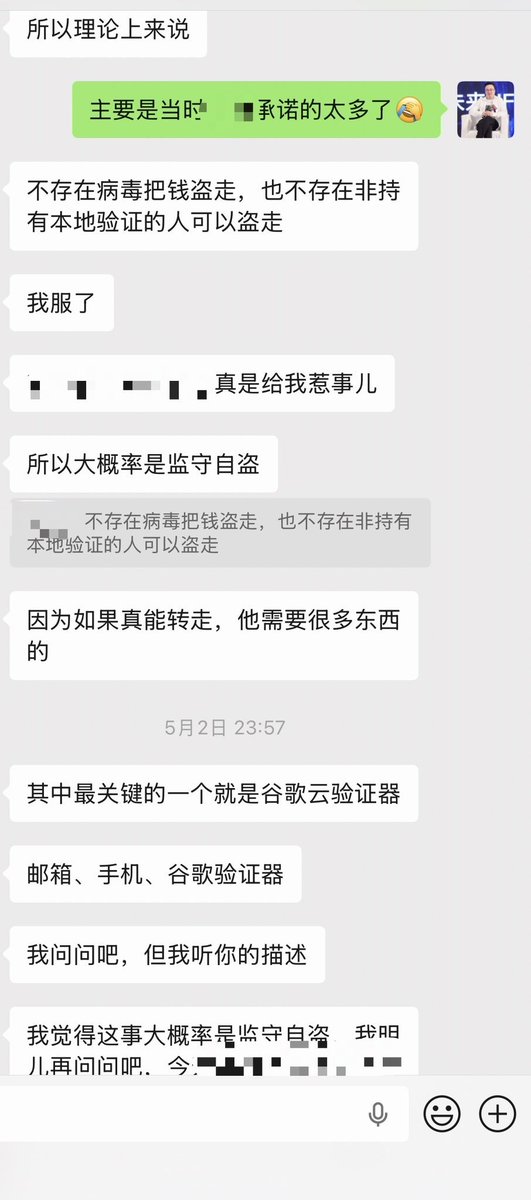
My contacts conducted an internal check and told me it would be best not to get involved, as all the verification processes were very thorough. They had access to the account password, facial recognition, the registered email, and Google verification codes.
I initially suspected that KYC was involved, but my friend clearly told me it was impossible. Nowadays, exchanges, especially top exchanges, have very careful preventive measures. Just like @Gate officially stated, when a request comes from an unfamiliar device, there will definitely be a verification process, and if these verifications pass, there is only one possibility.
It could either be the individual themselves or someone within their organization. Regardless of which scenario it is, reporting it to the exchange is the safest way. Why? Because it takes time. Last time I finished my investigation, I reported the results to the victim's investors, and they immediately sent a team to audit the victim’s company, which amounted to a total of $50 million. The investors had invested $50 million in this person who claimed to have been stolen from, and it was gone in less than two years.
During the audit, nothing was found. My friend later told me, even if a person receives a monthly salary of $300,000, I would believe it, but you need to provide me with proof of payment, right? There was nothing. When the investors were preparing to file a lawsuit, the victim ran away. They were originally from Singapore and fled through a third country.
I am not saying that this situation is the same, but for major exchanges, there really is no need to jeopardize their reputation over such a small amount of money. I have helped many friends defend their rights, among which 90% were issues with their own funds, while less than 10% were issues with communication with the exchange. In the end, at least they managed to get their principal back.
So now for anyone who comes to me claiming that exchanges are scamming them, I first privately ask friends for advice. Many of my partners hope to put pressure on the exchange through public opinion. There is one case of a friend that I followed for half a year; the exchange refused to cooperate because it was frozen by the US judicial system.
So what can be done? Today, I also saw overwhelming rights protection actions, but it is still important to be rational. It is best to verify with the official first. If the official truly does not take action, then there will still be time to defend their rights later.
免责声明:本文章仅代表作者个人观点,不代表本平台的立场和观点。本文章仅供信息分享,不构成对任何人的任何投资建议。用户与作者之间的任何争议,与本平台无关。如网页中刊载的文章或图片涉及侵权,请提供相关的权利证明和身份证明发送邮件到support@aicoin.com,本平台相关工作人员将会进行核查。


