On June 22, Zach Pandl, Head of Research at Grayscale, released the latest analysis. Since the outbreak of the conflict in Iran at the end of February, the U.S. stock market has risen about 9%, while Bitcoin has dropped 1% and gold has plummeted 20%. This divergence in asset performance has attracted market attention. The viewpoint suggests that spending related to artificial intelligence has supported the resilience of the stock market, while Bitcoin and gold's relative lag has partially stemmed from rising expectations among investors regarding potential interest rate hikes by the Federal Reserve. The Federal Reserve's baseline scenario is to maintain unchanged policy, and if this judgment is correct, Bitcoin prices are expected to gradually catch up with the stock market performance.
The current market has priced in a potential 50 basis point interest rate hike in 2026, which creates short-term pressure on non-yielding assets like Bitcoin. However, from a long-term perspective, Bitcoin combines characteristics of a scarce digital commodity and exposure to industry growth, making its current price attractive for long-term allocation.

This analysis is based on recent macro and asset price dynamics. Since the Iran conflict escalated at the end of February, oil prices have experienced significant fluctuations, and inflation expectations have risen, leading to a nearly 60 basis point increase in the one-year Federal Reserve interest rate expectations since the conflict began. The stock market has displayed resilience driven by AI capital expenditures, with major technology companies continuously increasing infrastructure investments, supporting positive performance in indices like the S&P 500. In contrast, gold, as a traditional safe-haven asset, has recorded a notable pullback during this period; Bitcoin has shown a slight decline, contrasting with its historical performance in certain geopolitical events. Grayscale points out that this divergence is not an isolated phenomenon but rather the result of changing interest rate expectations and the pricing mechanisms of risk assets acting together.
The Macro Logic Behind Asset Performance Divergence
Since the end of February, the market's repricing of the Federal Reserve's policy path has been the core variable. The inflationary pressures triggered by the conflict have led some investors to anticipate that the central bank may shift to tightening to curb price increases. Data shows that rising interest rate expectations directly suppress the attractiveness of non-yielding assets. Gold, due to its zero-yield feature, often faces selling pressure when interest rate hike expectations strengthen; Bitcoin similarly lacks an inherent yield, and its price is more dependent on risk appetite and liquidity conditions. Under the influence of AI spending, the stock market has demonstrated stronger resilience—capital expenditures in the technology sector have not only boosted corporate earnings expectations but also partially hedged against macroeconomic uncertainty.
However, Grayscale emphasizes that its baseline scenario is that the Federal Reserve will not initiate interest rate hikes. This judgment is based on a cautious assessment of inflation dynamics: although geopolitical factors bring short-term disturbances, the core inflation trend and labor market data do not necessarily support an immediate shift to tightening. If the Federal Reserve maintains the current policy range, the risk asset characteristics of Bitcoin will re-emerge, and its price may gradually repair the relative performance gap with the stock market. The current market pricing has reflected around a 50 basis point potential interest rate hike in 2026, which constitutes the main external pressure Bitcoin faces in the short term.
It is noteworthy that during the early stages of the conflict, Bitcoin exhibited some resilience, contrasting with gold and certain stock indices. However, over time, the sustained influence of interest rate expectations has dominated recent trends. This dynamic change highlights the amplifying effect of macro variables on the pricing of crypto assets.
Bitcoin's Dual Attributes and Long-Term Value
Grayscale's analysis further points out that Bitcoin is not an asset with a singular attribute but rather features dual characteristics of a scarce digital commodity and growth exposure. From a commodity perspective, its fixed supply limit (21 million coins) and decentralized network characteristics give it a scarcity value similar to gold. Against the backdrop of increasing uncertainty in the global monetary environment, this characteristic provides Bitcoin with a potential long-term value anchor.
From the standpoint of growth exposure, Bitcoin benefits from the continuous expansion of blockchain technology in areas like payments, DeFi, and institutional adoption. The intersection of artificial intelligence and cryptographic technology also provides new momentum for network effects. It believes that at current price levels, Bitcoin serves as a diversification tool within investment portfolios, with its appeal lying in capturing both the premium for scarcity and the dividends of industry growth. This differs from assets solely reliant on interest rate sensitivity.
Trends at the institutional level further reinforce this attribute. Bitcoin spot ETF fund flows, as well as cases of companies incorporating Bitcoin into balance sheet management, signify its evolution from a fringe asset to a mainstream allocation tool. Even in a macro-volatile environment, these structural factors provide support for long-term holders.
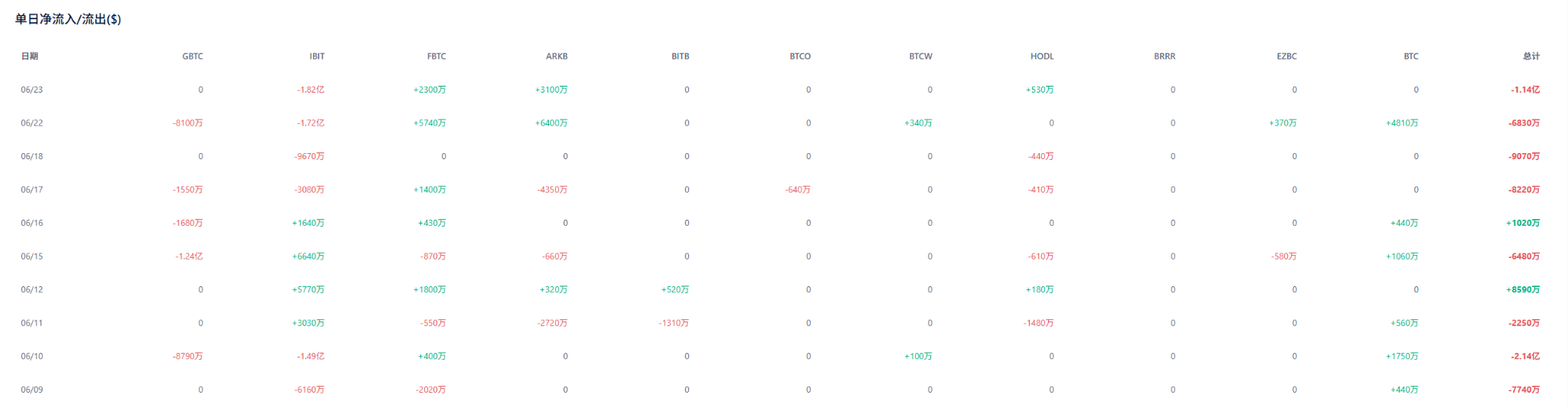
According to the 【Spot BTC ETF Tracking】 real-time strategy developed by AiCoin, there is a significant positive correlation between ETF fund inflows and BTC prices, allowing for subscription indicators that enable automated orders based on fund flows.
Current Pricing Environment and Potential Risks
The market's expectations regarding the Federal Reserve’s policy path for 2026 have already manifested in asset prices. The June Federal Reserve meeting maintained the interest rate range unchanged, but the dot plot showed that some officials leaned towards a potential interest rate hike within the year, contrasting with previous more dovish expectations. This pricing change directly impacts the performance of non-yielding assets. For Bitcoin, a stronger expectation of rate hikes means a higher opportunity cost, thereby suppressing short-term demand.
The core of Grayscale’s perspective lies in the notion that if the actual policy path diverges from the current market pricing, Bitcoin’s potential to catch up will become evident. Historical experience shows that reversals in interest rate expectations are often accompanied by a repricing of risk assets, especially when fundamental factors (such as network adoption and technological advancements) provide support. Currently, Bitcoin prices are in a relatively low range, offering potential entry opportunities for long-term allocators.
Risks also exist. If inflation pressures exceed expectations or the geopolitical situation worsens further, the Federal Reserve may be forced to adjust its stance, amplifying Bitcoin's volatility. Additionally, the inherent liquidity characteristics of the crypto market and regulatory uncertainties may still lead to short-term deviations from macro fundamentals.
The Significance of Allocation from a Broader Perspective
Putting Bitcoin within a broader asset allocation framework, its value lies not only in short-term price chasing but also in its cross-cycle diversification role. In an environment where stock market rises driven by AI coexist with pullbacks in traditional safe-haven assets, Bitcoin’s “dual attributes” make it a unique asset that connects growth and scarcity. Grayscale's analysis suggests that if the macro environment stabilizes (with the Federal Reserve pausing interest rate hikes), Bitcoin may more fully reflect its intrinsic value rather than merely following interest rate sensitivity fluctuations.
For investors, this viewpoint provides a conditional perspective: pay attention to the evolution of Federal Reserve policy signals and inflation data while assessing Bitcoin network fundamental progress. Although the current environment is filled with uncertainties, it also highlights the importance of identifying structural opportunities amid volatility. As an emerging asset class, Bitcoin's pricing is still in an evolution phase, and long-term allocation requires careful consideration of risk tolerance and investment horizon.
In the discussion of long-term allocation for digital assets like Bitcoin, the role of professional trading platforms should not be overlooked. One-click registration begins a convenient and professional journey in digital asset trading:
https://jump.do/zh-Hans/xlink-proxy?id=5
Gate.io, with its global service network and stringent security standards, provides users with a reliable trading environment. Platform features include a multi-layer security protection system, a rich product line covering spot and derivatives, and a low-cost trading execution mechanism. Real-time market analysis tools and educational resources help investors better understand market dynamics and the impact of macro factors.
Join our community, let’s discuss, and become stronger together!
Official Telegram community:
AiCoin Chinese Twitter:
Gate benefit group:
https://aicoin.com/link/chat?cid=de0QGAe7W
免责声明:本文章仅代表作者个人观点,不代表本平台的立场和观点。本文章仅供信息分享,不构成对任何人的任何投资建议。用户与作者之间的任何争议,与本平台无关。如网页中刊载的文章或图片涉及侵权,请提供相关的权利证明和身份证明发送邮件到support@aicoin.com,本平台相关工作人员将会进行核查。