Our research institute has been digging deep for a while and has organized a practical set of on-chain investment ideas. These techniques are also completely applicable in the CEX market — whether you are dealing with gold, silver, crude oil, US stocks, or Bitcoin and Ethereum, you can use them for reference. Today marks the first issue of the series, starting from the most basic signal identification and focusing on how to interpret the signals from major whale players on-chain.
This series does not offer signals or guarantee wealth; the core is to teach everyone how to understand data and improve decision-making success rates through information gaps. Friends who currently have positions might as well follow my line of thought and see what the current market leaders are doing. Later, they can verify if their opening logic is steady. If you're interested, feel free to share your holdings in the discussion area, and we can analyze them together.
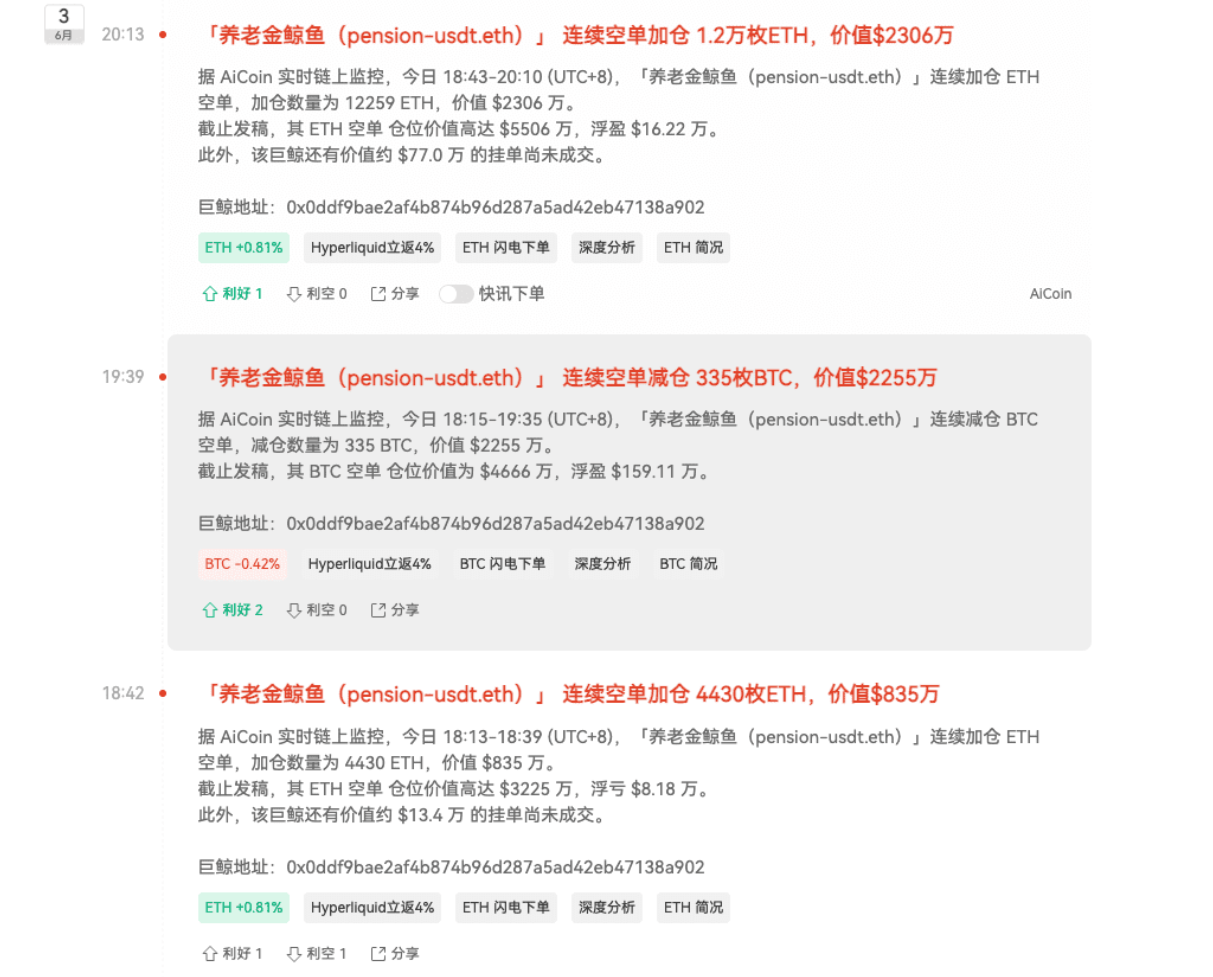
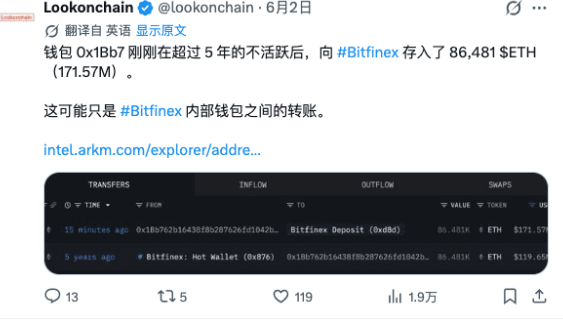
Anyone who has been in the crypto sphere for a while knows that most people lose money, essentially because they chase after good news to enter the market. But have you ever thought in reverse: when a project party, an early profit whale, or even a dormant wallet that has been silent for three years suddenly transfers hundreds of millions of dollars worth of tokens to an exchange, could it be for a vacation? Well-known exchanges like Binance, OKX, and Coinbase belong to CEX, where user assets are hosted by the platform; whereas DEXs like Hyperliquid, Uniswap, and Aster allow users to manage their own private keys and trade through smart contracts, with all operations leaving traces on-chain, making it easier to track the true movements of major players. I will share specific tracking methods later, but first, let’s take a look at what common on-chain large order signals look like.
Common on-chain large order signals mainly fall into four categories: The first category is the significant outflow of large amounts from CEX hot wallets, which means large withdrawals to new or unknown addresses.
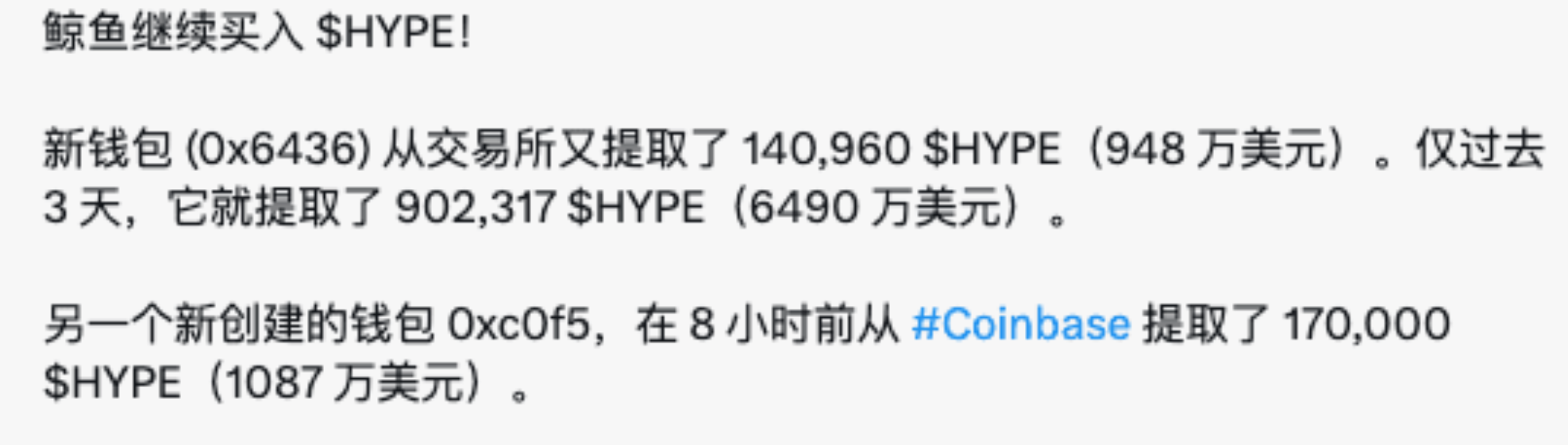
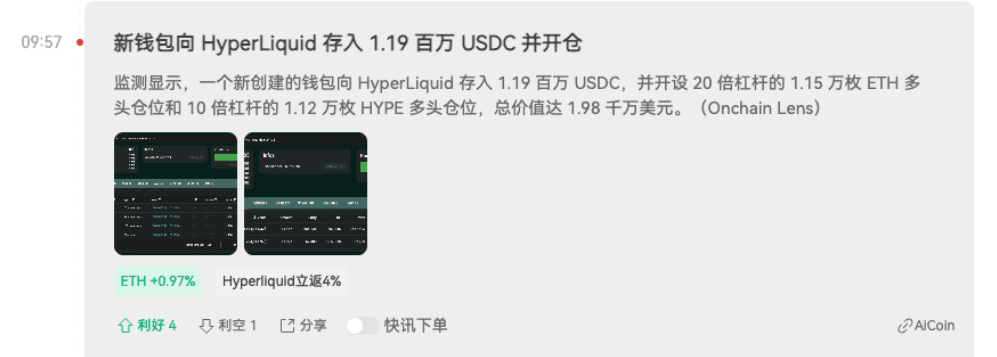
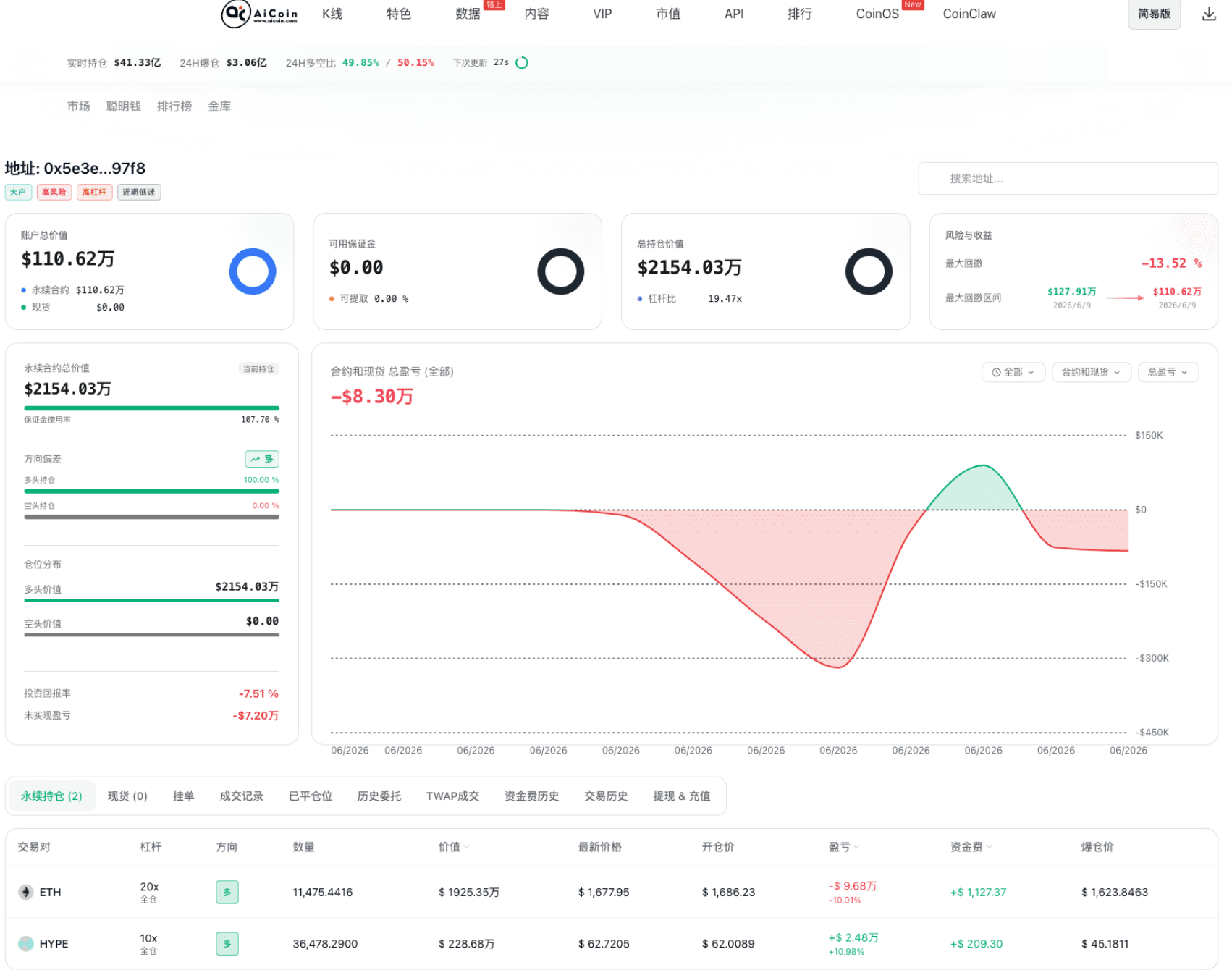
In our AiCoin news, we often see this type of signal. The second category is transfers from exchanges to DEX liquidity pools. Generally, when a whale puts money into DEX, they quickly make large movements — for example, if they open a long position in ETH right after making a deposit, it is a very clear directional signal. The third category is concentrated chips or cluster operations of multiple related addresses, which often indicate that the major player is adjusting positions uniformly. The fourth category consists of regular actions from smart money or prominent whale addresses, such as those of well-known figures; their operations are always a market barometer.
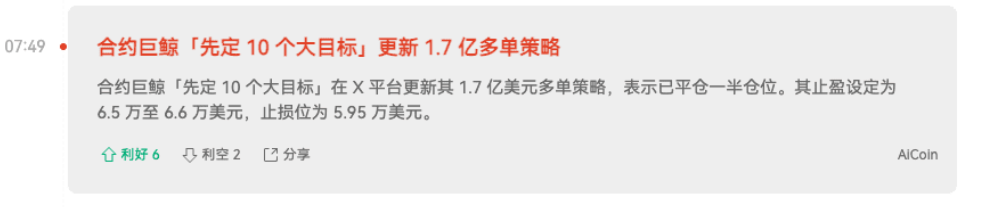
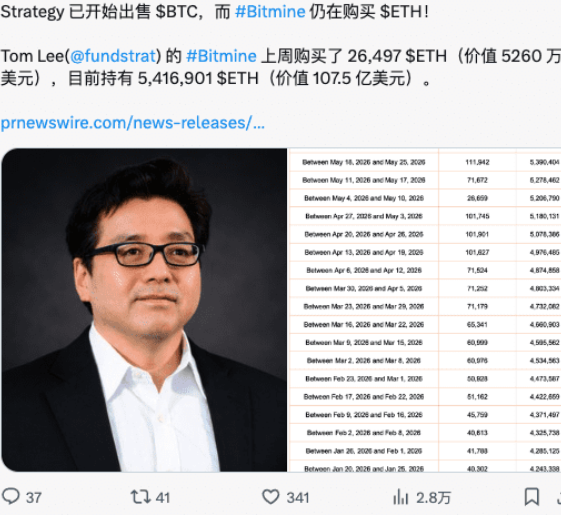
Of course, not all large orders signal a bullish market; they may also represent selling, money laundering, or cross-platform arbitrage, and must be cross-verified with multidimensional information. For instance, the large transfers made by MicroStrategy are more about corporate-level asset allocation and are completely different from the logic of ordinary major players.
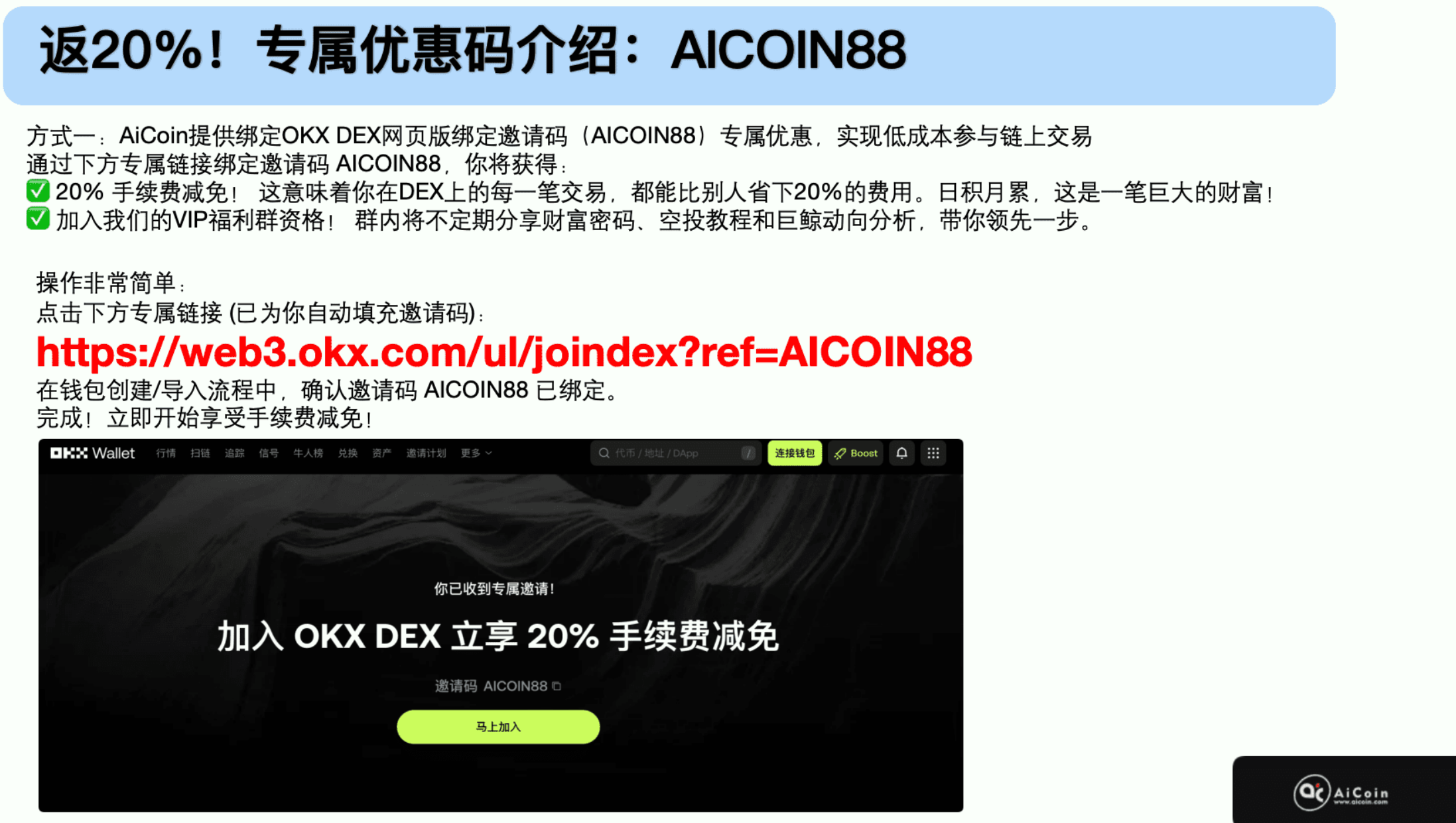
After discussing the basic signals, let's break down a complete practical case, illustrating how to use on-chain large order signals for short-term trading. This case was actively tracked by our research institute; the next time you encounter a similar market scenario, you can directly use this line of thought. First, let me mention: the basic large order data can be accessed without membership, as long as you know how to analyze it, it's completely sufficient. Friends who commonly use OKX can register using our exclusive invitation code AICOIN88 to receive a 20% commission rebate on fees. Invitation link: https://web3.okx.com/ul/joindex?ref=AICOIN88
OKX App download link: https://jump.do/xlink?checkProxy=true&proxyId=24
Next is the core content for today; we will walk through a complete operational flow using a real case. Let's rewind to the evening of June 10, 2026, which was when the US announced CPI data.
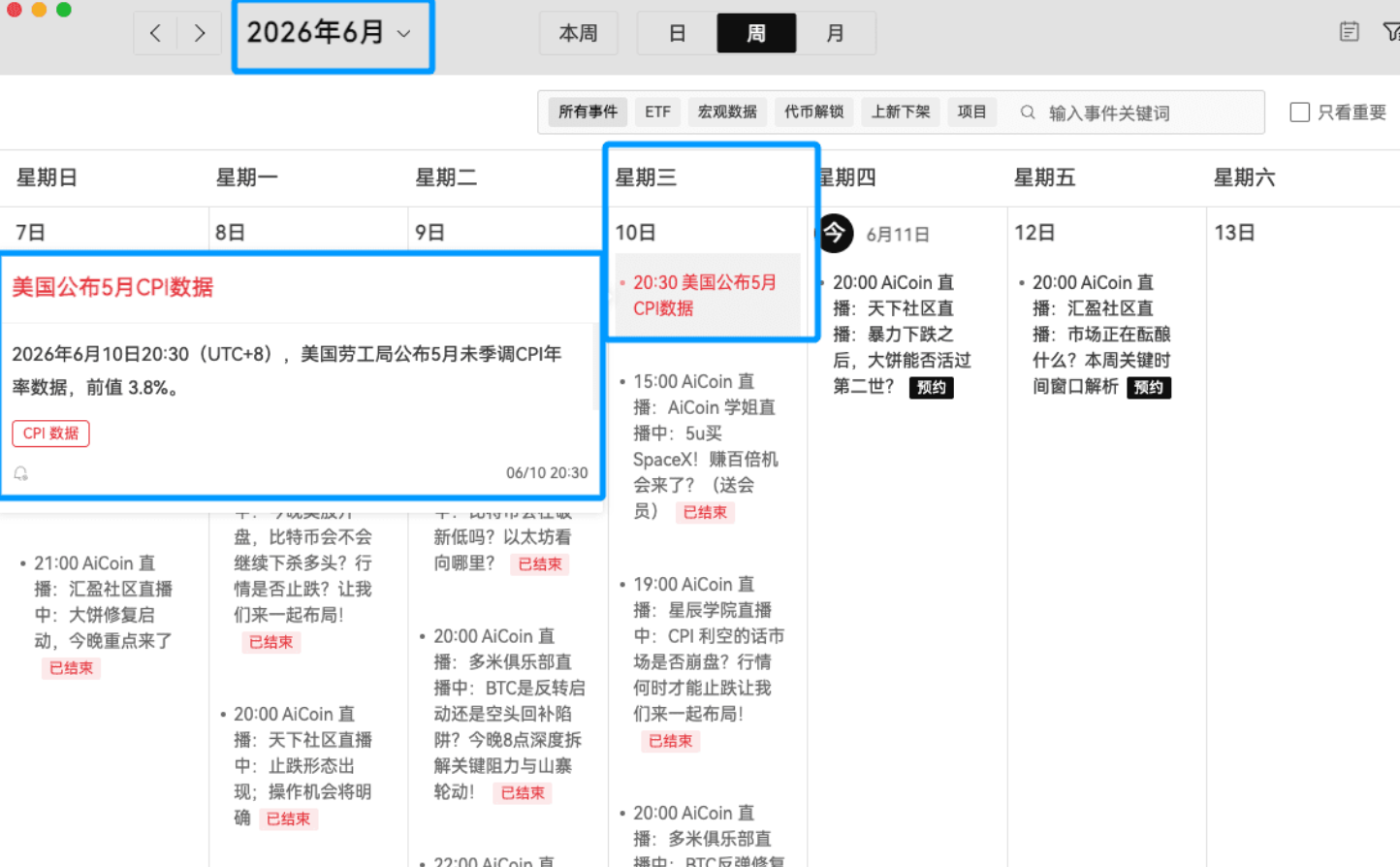
At that time, the on-chain whale took two very clear actions: first, they closed their short position in US stocks, and then they opened a long position in ETH. Why choose ETH? The logic is simple: ETH had dropped sufficiently before, and it is the second mainstream coin after BTC, with full liquidity and good trading depth on Hyperliquid. This series of actions signals the on-chain major player has ended the bearish stance and shifted to a bullish one. This is why we must study whales — most of them are the sharpest funds from Wall Street, with judgments on policies and cash flows far surpassing ordinary retail investors; their operational direction often indicates the overall market trend.
At that time, we tracked a very typical whale address: 0xa2e81e888f4a757bbad012ea9b193e7ab93f1468. On June 10 at 19:00, this address deposited 3 million dollars into the exchange.
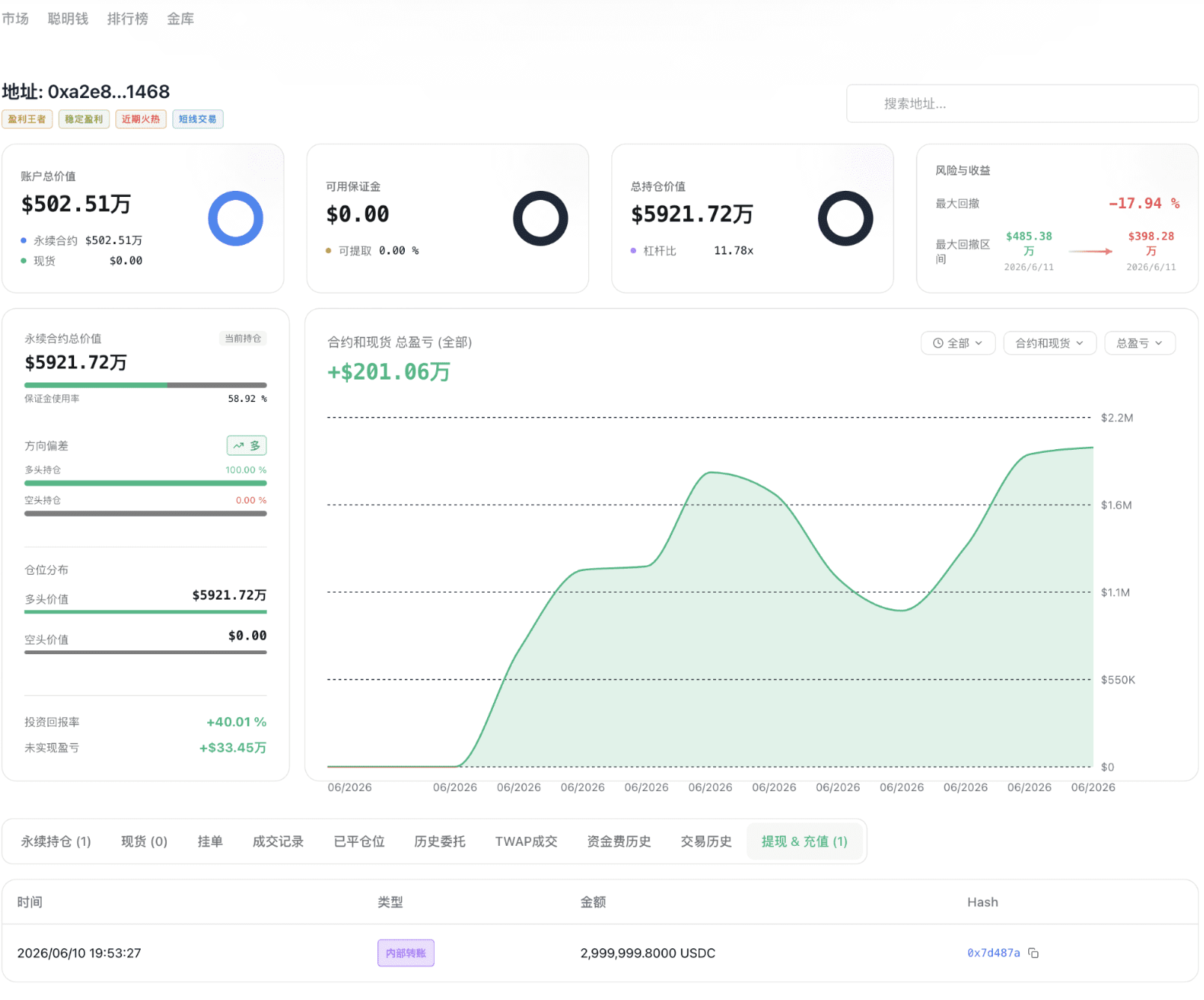
The timing was perfect, clearly aiming at the CPI data, betting for a policy situation. After the deposit was completed, it immediately opened a long position in ETH, preparing to take advantage of the bullish profits from CPI.
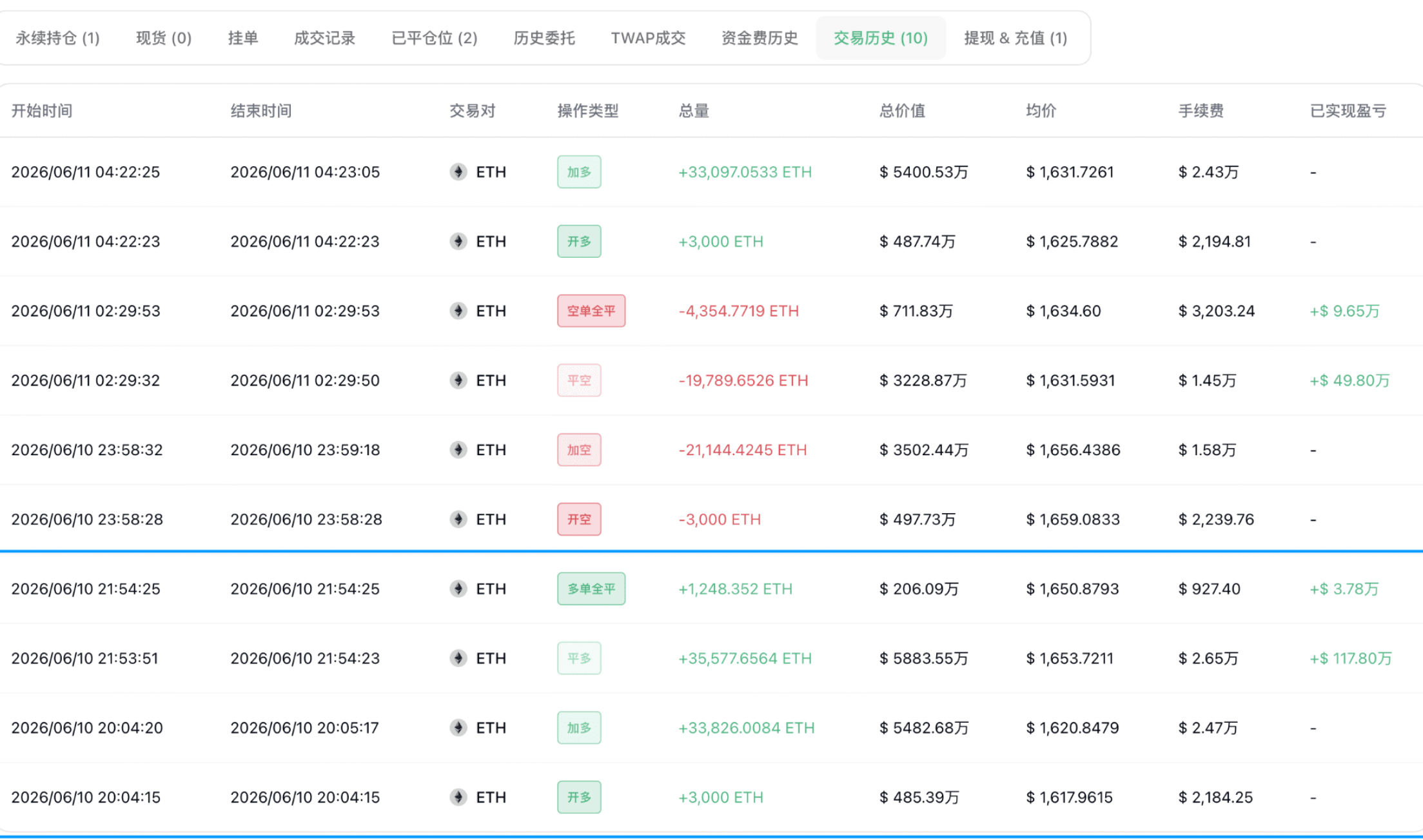
About an hour and a half after the data was published, it started to close long positions in batches, making over one million dollars in just a little over an hour — completely capturing this wave of emotional trading, hitting the direction perfectly.
Did you think this was the end? We continued to track, and after profiting from the first wave, it made a second move: betting on a pullback.
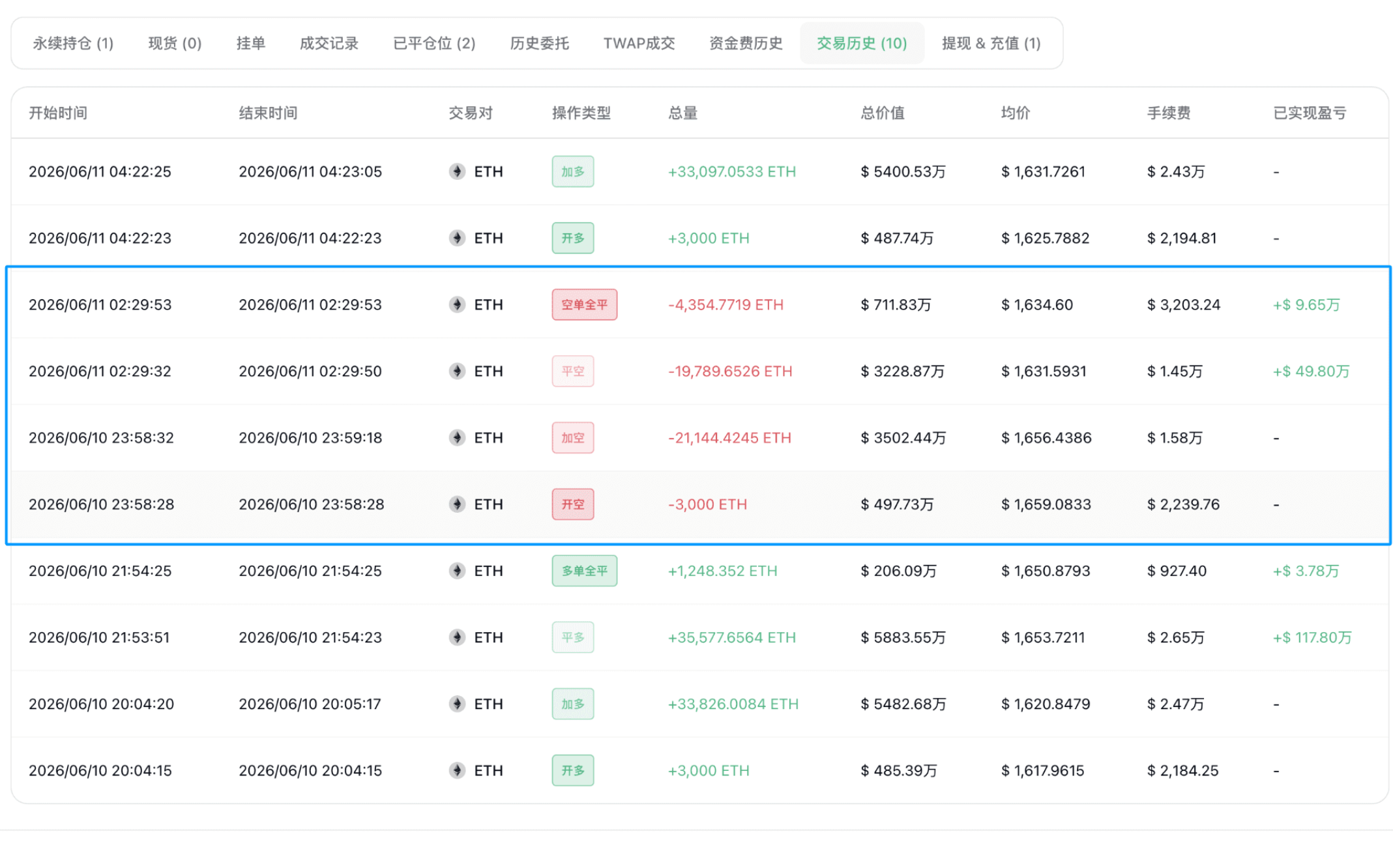
Those who trade contracts know that retail investors love to chase and sell at peaks; when prices rise, a rush follows to buy in. After the whale finished taking the first surge and closed the long positions, market liquidity diminished, causing prices to naturally pull back. When retail investors panicked and sold, the price fell even lower. This whale accurately caught this rhythm and made another profit during the pullback. After the pullback ended, it started a third move: continuing to open long positions for long-term planning.
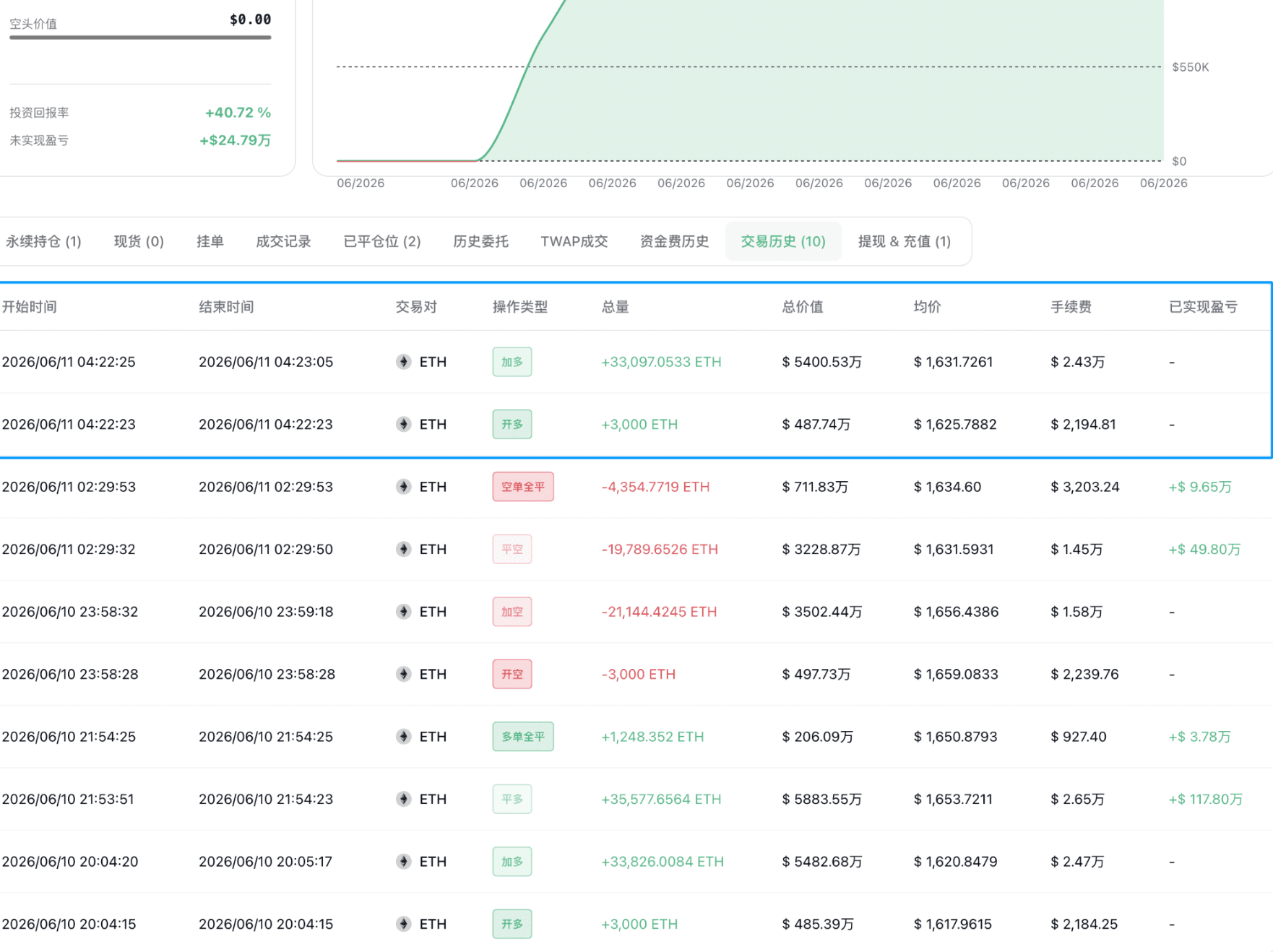
After all, the bullish trend regarding the CPI data itself had not changed, so following the direction and continuing to plan was appropriate. You can see that this whale was spot on from the beginning, making profits all along the way.
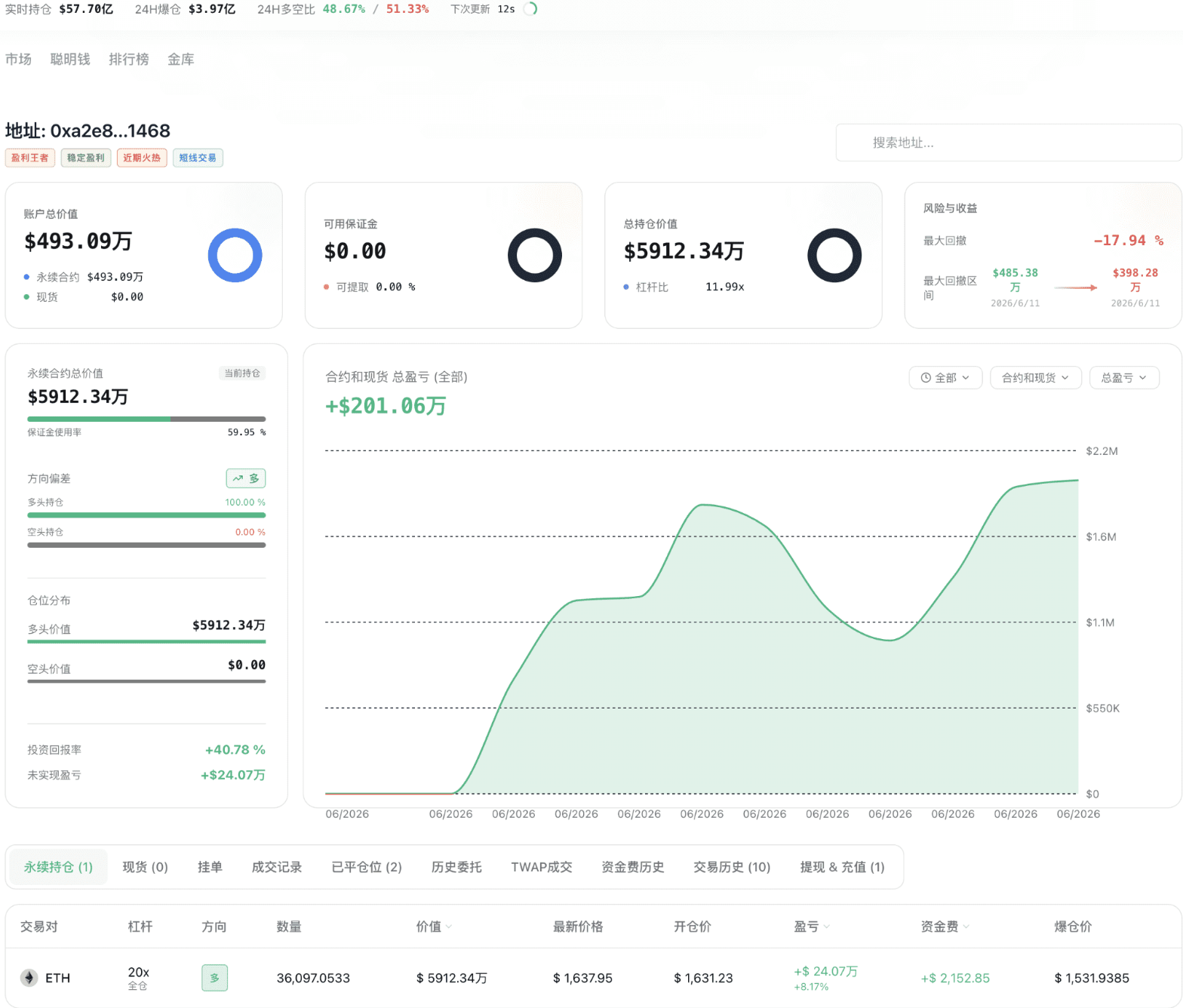
This is the most practical operational skill for tracking on-chain whales.
In summary, it essentially involves a fixed three-step routine: First, focus on key policy timing from the Federal Reserve; Second, explore major whale operations before and after these timing points; Third, continuously track the whales' opening and closing positions to judge market developments. Finding whales is the basic task, while tracking operations is the challenging part. Where to find whales? Actually, AiCoin does an excellent job in this regard, so everyone should pay attention to the whale section.
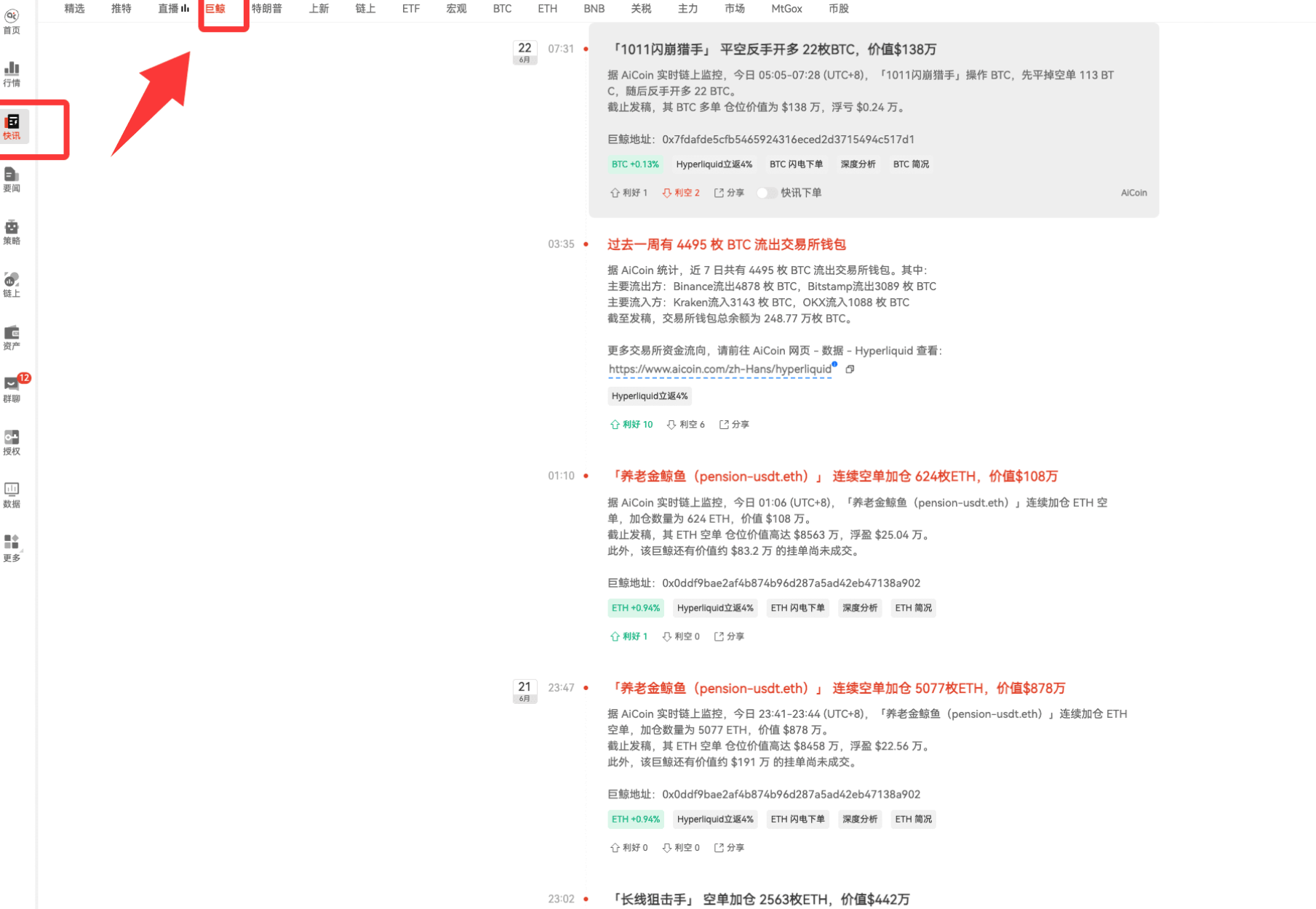
Recently, we will also launch more advanced analysis tools to help everyone filter high-quality smart money addresses and dissect major operations in policy-driven market movements; it will meet you soon, and when combined with this analysis method, it will be even more convenient to use.
Many friends who have linked their OKX wallets in our live room may not fully understand how to participate in on-chain trading, which means they are missing a potential profit channel; it's quite unfortunate. Today, let me briefly explain an entry approach, taking tracking ETH whales as an example: Step one, observe which cryptocurrency the whale has chosen; for instance, in the previous example, the core target was ETH; Step two, use AiCoin's tracking function to place orders, allowing integration with any platform. Here, using Hyperliquid as an example, as long as you have an OKX wallet, you can trade directly on Hyperliquid.
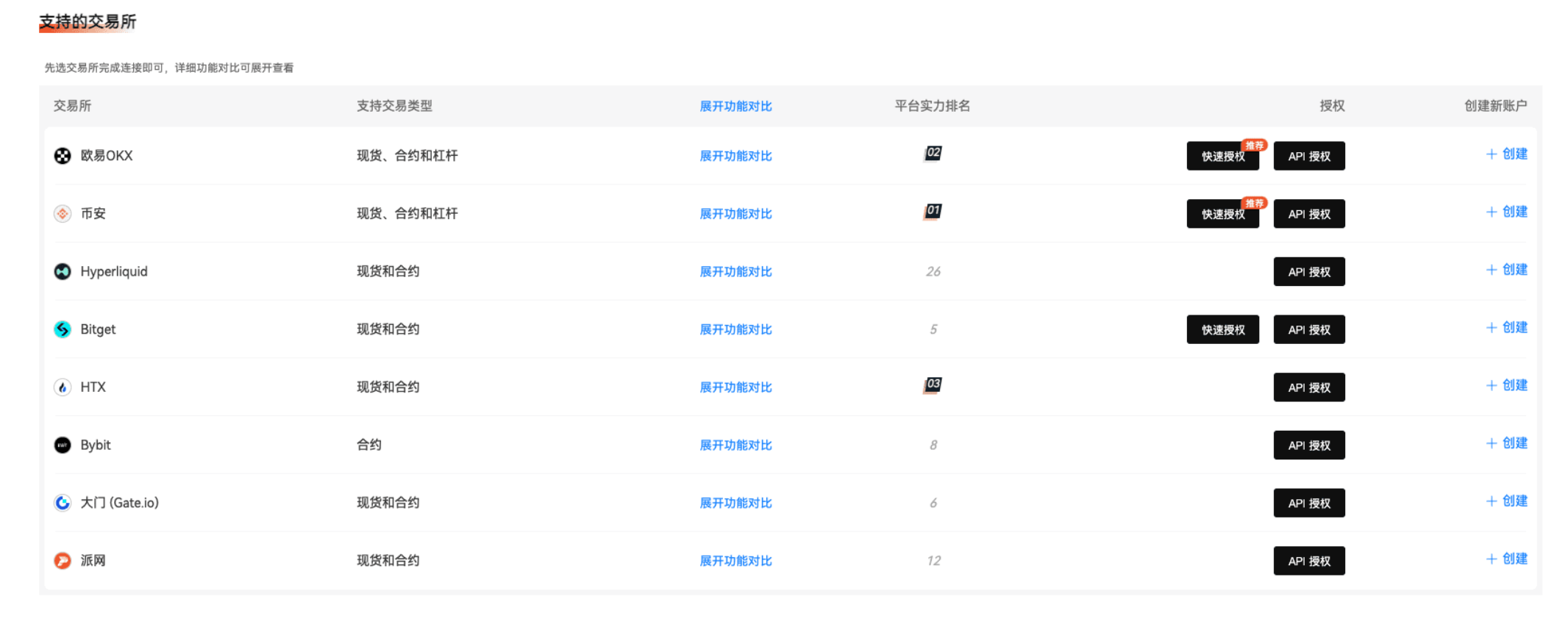
In other words, with an OKX wallet, you can trade on-chain alongside Wall Street funds; this experience is actually quite interesting. Everyone should follow AiCoin's authorization tutorial and authorize it to the PC client.
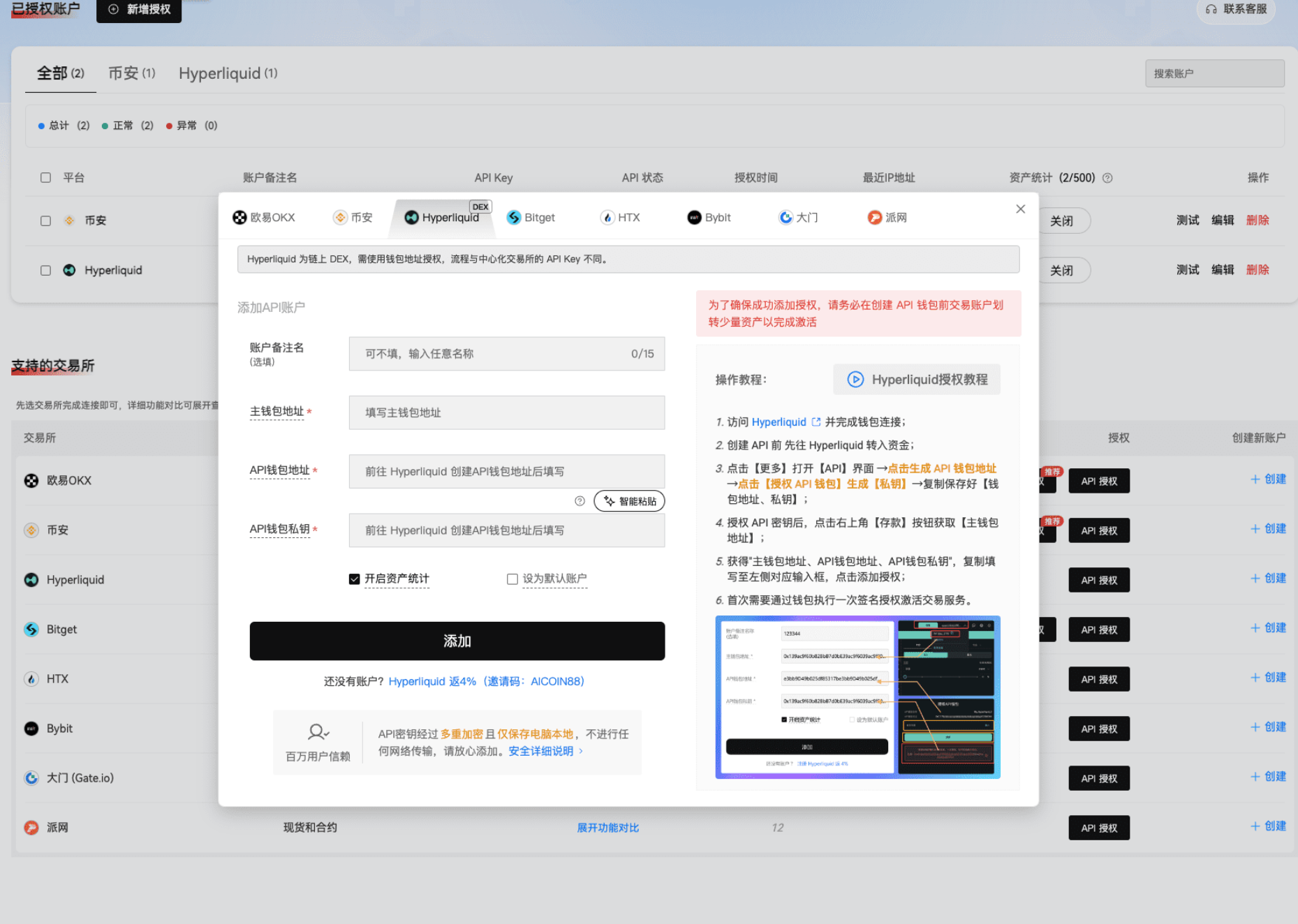
You can select the corresponding point and place orders directly; the operation is very convenient.
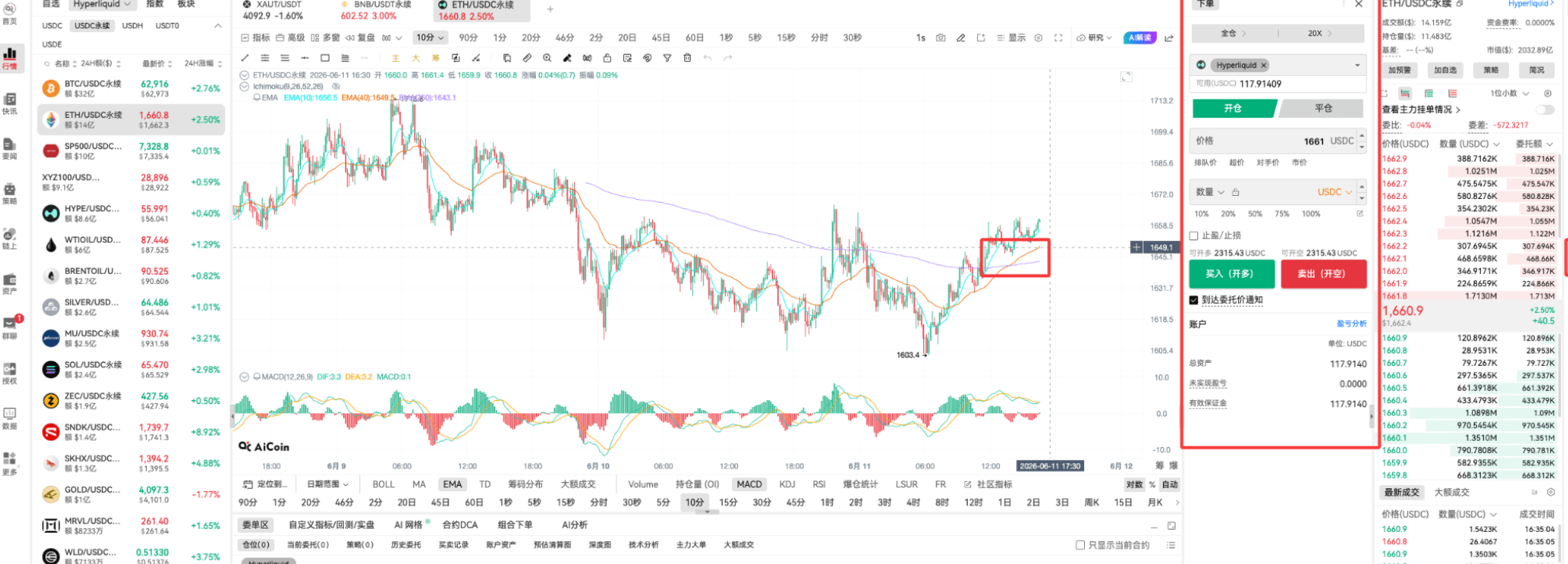
Many people get stuck with KYC and can't register on many platforms, but Hyperliquid doesn’t require that at all. As long as you have an OKX wallet, you can smoothly participate in various on-chain trades without needing to open a separate account or go through repeated verifications. This is also why our research institute has always recommended everyone use OKX wallets — it can directly expand your investment boundaries, allowing you to go wherever there are opportunities. Moreover, on Hyperliquid, you can trade contracts for US stocks, crude oil, and gold; the selected categories are very comprehensive.
That’s about it for today's core content. Let me summarize the complete process for you again for easier note-taking: First, remember the key macro timing points, such as CPI and Federal Reserve decisions — significant events that impact global funds; Next, check AiCoin’s whale section to observe the major players' actions before and after the corresponding timing points; You can also directly search for addresses to track; Then, combine the whales' opening and holding changes to analyze the bullish and bearish market directions; Finally, cross-verify using news and technical analysis before making your own opening decisions.
Especially during significant macro data releases, using this method to track whales has a very high success rate. The next time CPI data is announced, you might want to try analyzing with this method to see if you can catch a wave of market movement.
Every day there are exciting live broadcasts, welcome to lock in and reserve the live room~👇
https://www.aicoin.com/zh-Hans/live/list?tab=upcoming
This article only represents the author's personal opinion and does not represent the platform's stance and views. This article is for information sharing only and does not constitute any investment advice to anyone.
免责声明:本文章仅代表作者个人观点,不代表本平台的立场和观点。本文章仅供信息分享,不构成对任何人的任何投资建议。用户与作者之间的任何争议,与本平台无关。如网页中刊载的文章或图片涉及侵权,请提供相关的权利证明和身份证明发送邮件到support@aicoin.com,本平台相关工作人员将会进行核查。