On June 8, 2026, the Asian market faced a gap opened within hours: Brent crude oil surged about 4.35% to approximately $96.04 per barrel, and WTI rose about 4.40% to around $95.77 per barrel. Multiple reports attributed this sharply rising oil price candlestick to the escalation of the Iran-Israel conflict and concerns about production expectations; almost simultaneously, South Korea's KOSPI plummeted more than 8% at the start of trading, triggering a first-level circuit breaker and forcing a 20-minute halt. After resuming trading, the decline remained around 6.2%. The Japanese Nikkei 225 index also approached a 4% drop during trading. The rising geopolitical risks snapped the already strained nerves of interest rates, which had been tight due to strong employment data and upward revisions in interest rate expectations—an inflation resurgence in combination with prolonged high rates forced global capital to quickly reassess risk between "war premium" and "liquidity discount." The three events that coincided on June 8—soaring oil prices, the KOSPI circuit breaker, and the sharp drop in the Japanese stock market—are not isolated news but rather a hammer striking simultaneously on commodities, the stock market, and interest rate expectations. The real question is how this hammer will break through the old narratives of crypto assets: will Bitcoin’s "digital safe haven asset" label be strengthened, or will it be forced to accept a new round of discounted revaluation under the pressure of high rates and the stock market's risk reduction, and where will high-beta assets like Ethereum be placed in this macro and geopolitical resonance?
Four Strikes on Oil Prices: Inflation Expectations Remain Ignited
On the market screen of June 8, the first thing that jumped out was crude oil: Brent surged approximately $4.01 to about $96.04 per barrel, an increase of about 4.35%; WTI simultaneously surged about $4.04 to approximately $95.77 per barrel, an increase of about 4.40%. Prices are once again approaching the $100 mark, and multiple reports attribute this uptrend to heightened geopolitical premiums from the Iran-Israel conflict, compounded by supply concerns from OPEC+ production expectations. Traders reacted directly by treating oil as a "preview of inflation." Historically, crude oil prices nearing $100 often correspond to an overall rise in the inflation expectation curve, prompting the market to start adjusting the path of monetary tightening anticipated by central banks—forcing both nominal and real interest rates upward, compressing pricing space for all assets reliant on low rates and high valuations.
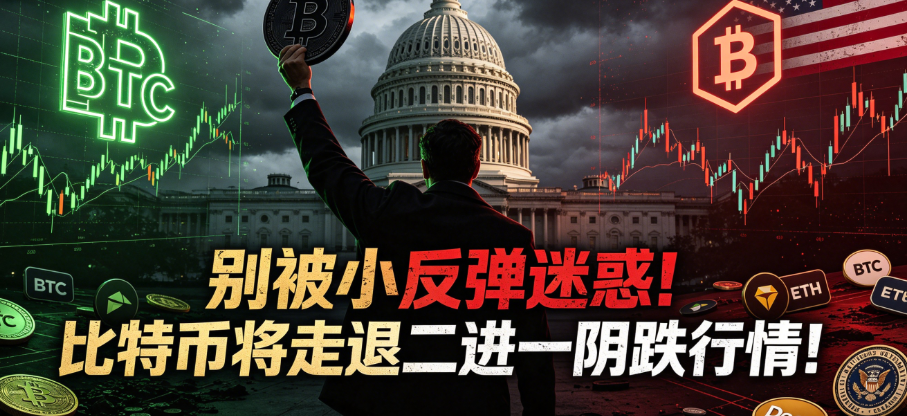
In such an environment, Bitcoin's identity has once again become blurred: on one side is the narrative of "digital gold" activated by rising inflation, and on the other side is its high beta asset attribute dragged down by rising rates and risk reduction in the stock market. If inflation expectations heat up while policy constraints tighten, some funds will attempt to view BTC as a tool to hedge against the purchasing power of fiat currencies; however, in the current scenario of interest rate revaluation, the first response often is to reduce all high volatility assets, treating BTC and tech stocks as the same basket. The future of this oil price-driven inflation repricing will cause the market to swing back and forth between the labels of "safe haven asset" and "risk asset," and BTC's path will depend on which label dominates the actual buying and selling decisions of funds.
Seoul Circuit Breaker, Tokyo's Sharp Drop: A Sudden Brake on Risk Assets
The Asia-Pacific market on June 8 provided a direct footnote to the narrative of "BTC being treated like tech stocks." In Seoul, the KOSPI fell over 8% at the start, triggering a first-level circuit breaker and pausing trading for approximately 20 minutes; after resuming trading, the decline remained around 6.2%. Reports (to be verified) indicate that this was the first forced circuit breaker for the KOSPI since related shocks from Iran in March. Almost simultaneously, the Japanese Nikkei 225 index's intraday drop approached 4%, the synchronized decline of both markets evoking the directive to "reduce all high volatility assets," vividly embodied in the red waterfall of the Asia-Pacific stock indices.
Market commentary links this sharp drop to the significant sell-off in the U.S. technology and semiconductor sectors and to the upward revision of interest rate expectations triggered by robust employment data (this is a mainstream interpretation awaiting verification): oil prices have surged due to tensions in the Middle East and OPEC+ expectations, causing inflation repricing to compress the rate curve, combined with the pullback in U.S. growth stocks, leading to a systematic liquidation of high beta assets in Asia-Pacific. Within this framework, what truly matters is not whether the fundamental conditions of South Korean companies deteriorated overnight, but rather the realization that "risk budgets are insufficient"—multi-asset portfolio managers need to rapidly reduce exposures, quantitatively and risk parity strategies reducing positions as per models, with high volatility and relatively liquid assets being the first to be sold off, including BTC and ETH positions. South Korean retail investors already have a high participation rate in global crypto trading and historically prefer using leverage on local platforms; once the wealth effect from the stock market reverses and margins are consumed, they often have to repair their balance sheets by selling coins and reducing leverage. For the crypto market, what really needs to be monitored is not the circuit breaker itself but when this collective brake on risk assets triggers the next round of forced liquidation and an increase in correlations.
Funds Shift from Growth to Hard Assets: Which Side is the Crypto Market on?
The combination of "soaring oil prices, the KOSPI circuit breaker, and the sharp drop in the Japanese stock market" on June 8 essentially confronts a classic asset allocation question: when commodities strengthen and stock markets weaken, where will global funds place their risk budgets? Historically, whenever commodities such as crude oil and metals experience intraday surges like those of Brent and WTI rising over 4% and nearing their high points, in conjunction with heightened inflation and geopolitical risk expectations, traditional institutions tend to rearrange their positions by "cutting growth and adding hard assets"—reducing weights in high-valued tech and high-volatility assets while increasing allocations to energy stocks, resource stocks, physical goods, and short-term interest rate instruments. Earlier in June, the U.S. semiconductor and tech sectors had already been interpreted by the market as experiencing evident sell-offs; compounded with the strong employment data leading to upward revisions in interest rate expectations, the collective downturn of South Korean and Japanese stocks on June 8 was simply the concentrated outbreak of this rotation chain in the Asia-Pacific time zone.
Under such a rotation logic, whether BTC and ETH stand on either side is not a question that has been fully priced by the market. For some funds, the strengthening of inflation and geopolitical premiums reinforces the narrative of "BTC = digital gold," and they are willing to sacrifice short-term volatility, exchanging some exposure in U.S. stocks and growth stocks for BTC as a hedge against future purchasing power; however, for larger multi-asset portfolio managers, BTC and ETH are still more classified as high beta risk assets and lumped together with tech stocks in the “needs to be reduced” category. Structurally, as long as the market trades on a “higher and longer” path for interest rates, the expectations for the dollar and risk-free rates will raise the discount rate, and the crypto market is one characterized by high leverage, high volatility, and derivatives deeply exceeding spot, each increment in interest rate pricing amplifies the chain of profit reduction and liquidation: leverage long positions in futures and perpetual contracts are more easily forced out amid amplified volatility, prompting traders to treat BTC and ETH as "chips in the liquidity pool" instead of "inflation hedging assets." The true determinant of whether BTC and ETH will be categorized as "hard assets" or as "high beta tech stock substitutes" this time will depend on whether the oil price and interest rate path can ease from the current narrative of panic in the coming weeks.
The Dilemma for Korean and Japanese Funds: Bottom-fishing in Crypto or Passive Liquidation?
When the KOSPI initially fell over 8% and triggered a first-level circuit breaker, forcing a pause for about 20 minutes on June 8, one of the most familiar "outlets" for South Korean retail investors remained lit—the local crypto trading platform, which operates 24/7. South Korea has always been one of the most active crypto trading markets globally, with a high weight of retail and leveraged trading on local platforms, meaning that once the stock market is institutionally “paused,” some risk-tolerant funds that are not willing to wait for recovery will naturally turn their attention to BTC, ETH, and other assets that can be adjusted at any time. Along this path, the circuit breaker might actually temporarily boost the demand for trading and leverage in Korean won-valued mainstream coins, again treating BTC and ETH as "high-volatility safe havens"—not because they are safer, but because they can still move.
However, another funding chain is equally clear: the margin pressures experienced by stock futures and margin financing positions under such declines will force some investors to immediately seek liquidable assets. Compared to halted stocks, liquid crypto assets have become a "cash machine"—selling BTC and ETH to supplement margin requirements in won or yen to avoid passive liquidation at the local brokerage level. In Japan, the nearly 4% drop in the Nikkei 225 that day indicates that local risk assets are similarly under pressure; the volatility of yen-denominated assets combined with earlier market worries about the depreciating yen and won leads to a recalibration of the allocation of dollar-denominated assets: investors with acceptable risk tolerance may choose to hedge expectations of depreciation of their local currency through BTC, ETH, or on-chain assets linked to the dollar; those on the tightening liquidity side are likely to reduce all risk exposures, compressing both currency risks and crypto volatility. Ultimately, whether "speculative funds locked out of the stock market flow into the crypto sphere" or "liquidation driven by margin pressures" will prevail largely depends on whether the linkage between the yen, won, and U.S. Treasury rates continues to worsen, which would determine if BTC and ETH are viewed more as substitutes for dollar assets from the perspective of East Asian funds, or if they are forced to become chips in the next round of deleveraging.
In the Era of Geopolitical Premium: A Trading Checklist for BTC and ETH
The long bullish candle of oil prices on June 8—both Brent and WTI rising over 4%, approaching the $96 line—combined with the KOSPI's drop of over 8% triggering a circuit breaker and the Nikkei 225 nearing a 4% drop, essentially forcibly reset the global pricing perception of "inflation is not over, and interest rates will not drop." For BTC and ETH, the forthcoming trading framework can be divided into three layers: the first layer is the repricing of the inflation hedging narrative—when oil prices are high and geopolitical premiums rise, the story of "digital gold" will be retold, but you need to watch whether funds truly flow from the stock market, especially East Asian equities, into the crypto assets tagged with “hard assets”; the second layer is the suppression by interest rates and the dollar—if the market perceives this oil price surge as the Fed maintaining high rates longer or even turning hawkish again, higher risk-free returns and a stronger dollar will systematically depress the valuation multiples BTC and ETH can enjoy, while traditional portfolios diversifying into cash and short-duration debt instruments will mean structural discounts for the crypto sphere; the third layer is the passive liquidation across assets—when high-beta markets like the KOSPI are simultaneously hit into a circuit breaker and the Nikkei plummets, the margin management at the portfolio level will prioritize liquidating the most liquid chips, and BTC and ETH can easily fall into this basket. Whether this wave will evolve into a chain reaction of deleveraging depends on whether selling pressure spreads from the East Asian trading hours to the West. What you genuinely need to focus on next is not the single-day ups and downs but the combination of four variables: whether oil prices can pull back from the high-pressure range near $96 to a "new normal" acceptable by macro conditions; whether the Iran-Israel situation involves limited escalation with simultaneous negotiations or evolves into a long-term conflict that forces oil prices into a higher equilibrium; whether Federal Reserve officials treat this shock as noise or a structural risk regarding inflation and interest rate paths; and under these narrative switches, whether BTC’s correlation to the Nasdaq, gold, and crude oil trends toward "tech stocks" or "commodities and safe haven assets." These four points will determine whether this is merely a one-off volatility or marks the beginning of a new trend revaluation for BTC and ETH in the era of geopolitical premium.
Join our community to discuss and grow stronger together!
Exclusive Hyperliquid benefits for AiCoin: https://app.hyperliquid.xyz/join/AICOIN88
Exclusive Aster benefits for AiCoin: https://www.asterdex.com/zh-CN/referral/9C50e2
On-chain Telegram community: https://t.me/AiCoinWhaleData
On-chain community: https://www.aicoin.com/link/chat?cid=N6OVMor5g
AiCoin on-chain Twitter: https://x.com/aicoinwhaledata
免责声明:本文章仅代表作者个人观点,不代表本平台的立场和观点。本文章仅供信息分享,不构成对任何人的任何投资建议。用户与作者之间的任何争议,与本平台无关。如网页中刊载的文章或图片涉及侵权,请提供相关的权利证明和身份证明发送邮件到support@aicoin.com,本平台相关工作人员将会进行核查。