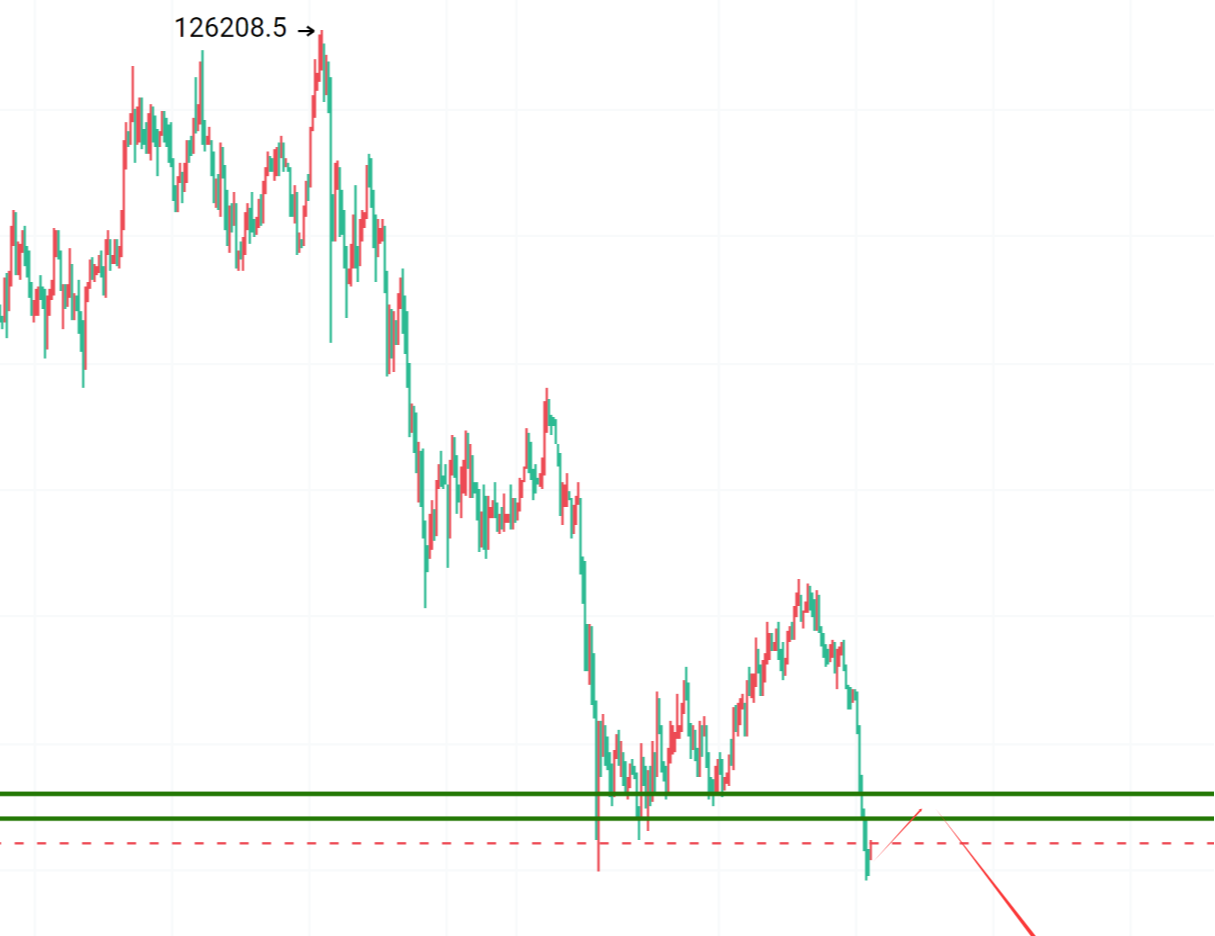
On June 7, 2026, a large on-chain operation that was monitored by several Chinese crypto media sources became the source of debates about the direction of ETH that day: an anonymous whale deposited approximately 34.74 million USDT as collateral into Aave V3 and immediately borrowed 9,000 ETH (worth about 14.7 million dollars at the time) from the same protocol, subsequently transferring the entire 9,000 ETH to Binance's deposit address. Onchain Lens was the first to capture this financial path. Media outlets such as Jinse Finance, BlockBeats, PANews, and Odaily Planet Daily almost unanimously described it with titles like "suspected shorting of ETH" and "viewed as a bearish signal," directly linking this operation to bearish sentiment. However, the on-chain data only narrates the story up to "borrowing from Aave V3 and then entering Binance": we cannot see whether this whale sold ETH on Binance or restore its overall position across other addresses and platforms. Therefore, whether it is aggressive shorting, cautious hedging, or more complex arbitrage combinations, currently, they are merely speculations based on common strategy patterns, not conclusions that have been recorded and verified on-chain.
34.74 million USDT collateral: The whale leverages
According to multiple media reports citing Onchain Lens data, this anonymous address deposited 34.74 million USDT in one go to Aave V3 as a large collateral from a single address. After completing the deposit, the address immediately borrowed 9,000 ETH (approximately 14.7 million dollars at that time), with the standard path being: using USDT, a dollar-denominated asset, as collateral to gain exposure to a high-volatility asset on a mainstream decentralized lending protocol. Currently, the on-chain record indicates only this collateral and borrowing action, and there have been no further actions such as increasing collateral, repaying loans, or adjusting positions. The specific collateral rate, liquidation price, and other parameters for this position have not been disclosed in the reports.
In the DeFi lending scenario, using dollar-denominated assets like USDT for high collateral and borrowing ETH is a typical "leverage play": locking in a relatively stable accounting unit on one side while gaining amplified long and short exposure to ETH on the other. Common uses include directional bets, hedging risks in other accounts, or serving more complex arbitrage structures. Regardless of the whale's true intent, it can at least be confirmed that he is willing to bear the risk of the Aave mechanism and ETH price fluctuations on-chain with tens of millions of dollars in chips, which reflects a high-risk preference. However, it should be emphasized that we currently only see the position structure of one address. Such a single-point signal is enough to influence short-term narratives but far from being considered a reliable representation of the overall direction of the ETH market.
9,000 ETH into Binance: Why is it viewed as shorting?
In common narratives, "collateralizing dollar-denominated assets → borrowing mainstream assets from lending protocols → transferring the full amount to centralized exchanges" is seen as a typical preparation path for shorting or reducing positions. The logic is straightforward: if one is bullish in the long term, they would usually buy and hold directly; conversely, using approximately 34.74 million USDT as collateral to extract 9,000 ETH worth approximately 14.7 million dollars from Aave V3 and then transfer the borrowed chips en masse to the exchange’s deposit address is often understood as "borrowing to sell" or preparatory actions before opening a short in the contract market. In many past cases, such pathways have led the market to instinctively associate them with potential selling pressure or bearish layouts.
This time followed the same script. According to publicly available on-chain records, the 9,000 ETH was quickly transferred to Binance's deposit address after being borrowed, and the on-chain data only clearly outlines the outer trajectory of "borrowing—transfer—deposit." After Onchain Lens first captured this path, multiple Chinese media outlets reported the same day, framing the whale's intent with phrases like "suspected shorting of ETH" and "viewed as a bearish signal." However, the on-chain records stopped abruptly at Binance: we cannot see whether the 9,000 ETH was immediately sold, used as contract margin, or merely temporarily parked, nor can we see the overall position of this entity across other accounts and platforms. Therefore, the so-called "shorting" remains a speculation based on common strategy templates rather than conclusions directly verified by on-chain data.
Short or hedge: On-chain data cannot provide answers
If we break down this path, "collateralizing USDT—borrowing ETH—transferring to the exchange" indeed resembles a directional short: using 34.74 million USDT as collateral to borrow approximately 14.7 million dollars worth of 9,000 ETH from Aave V3, then sending the chips to Binance, the next step being selling directly on the spot or opening a short on derivatives, is the scenario most familiar to the market. However, there could also be completely different interpretations—such as the whale already holding a large amount of ETH in other addresses, and this act is merely to hedge against downward risk by borrowing assets into the exchange, or adjusting and rebalancing internal positions across multiple accounts and platforms, similar to "collateral borrowing + entering the exchange." This approach has been used in hedging, arbitrage, and rolling position management.
The issue is that the on-chain data stops at Binance: the current public materials do not provide information on the actual trading activities of this whale on Binance; we cannot see whether ETH was truly sold, the execution price, and quantity, nor do we know if derivative tools were activated; similarly, there is no disclosure regarding whether this entity holds a large amount of ETH in other addresses or if there are hedged positions on other platforms. Because of these critical details being missing, many media outlets generally use phrases like "suspected shorting of ETH" and "viewed as a bearish signal" in their reports, rather than directly concluding that it has already shorted. This reminds us to distinguish between "high-probability guesses based on experience" and "behaviors confirmed by both on-chain data and trading data"; otherwise, any single path would be insufficient to constitute a qualitative conclusion about the whale's true intent.
Monitoring tools amplify effects: Emotions ignited
The whale's action entering public view began with a piece of on-chain monitoring from Onchain Lens: an address deposited 34.74 million USDT as collateral into Aave V3, subsequently borrowing 9,000 ETH and transferring them to Binance's deposit address. Once this on-chain path was captured, almost simultaneously, media outlets like Jinse Finance, BlockBeats, PANews, and Odaily Planet Daily amplified it with extremely similar titles and statements—details such as "34.74 million USDT collateral" and "9,000 ETH into Binance" were repeatedly emphasized, creating a visual impact far greater than "a certain address has completed a borrowing and transfer."
In the communication chain, phrases like "suspected shorting of ETH" and "viewed as a bearish signal" became the trigger for sentiment, rapidly packaging a single operation into a "whale short signal" that could potentially influence market conditions. For ordinary investors, once the whale's movements are "live-streamed" in real-time, the decision-making process is more likely to shift from "first building a complete hypothesis, then looking for evidence" to "first accepting the narrative, then using fragmented information to self-justify." Without seeing the actual trading records within Binance, they preemptively assume that this 9,000 ETH will ultimately translate into selling pressure or short positions, thereby adjusting their short positions in advance. In such an on-chain narrative amplified by monitoring tools and media, the speed of information acquisition is greatly enhanced, but emotions often reach the endpoint earlier than facts.
What to watch next: Will the whale increase its position?
Returning to the operation itself of collateralizing 34.74 million USDT, borrowing 9,000 ETH, and transferring it to Binance, it indeed provides an important slice to dissect the whale's thinking, but this single frame is far from enough to conclude "clear shorting" or "clear bullish hedging." According to currently available materials, whether this whale repaid ETH after June 7, 2026, whether it adjusted its USDT collateral size, or whether it added new borrowed or collateral positions, there is still no further evidence on-chain, nor are there authoritative data proving that this action directly triggered severe fluctuations in ETH at any point in time. What needs to be closely monitored next is the position curve of this address on Aave V3: whether it chooses to repurchase ETH early, reduce liabilities, or whether it increases the borrowing scale in response to price fluctuations, as well as whether new collateral or repayment behaviors are timed with further large transfers to trading platforms. Once these variables show a significant change, clearer clues will emerge for interpreting its true strategic intent. Until then, a more prudent approach is to view this whale reallocation as an important reference among many on-chain signals rather than an isolated final answer capable of driving one’s own positional decisions.
Join our community to discuss and become stronger together!
Exclusive Hyperliquid benefits for AiCoin: https://app.hyperliquid.xyz/join/AICOIN88
Exclusive Aster benefits for AiCoin: https://www.asterdex.com/en/referral/9C50e2
On-chain Telegram community: https://t.me/AiCoinWhaleData
On-chain community: https://www.aicoin.com/link/chat?cid=N6OVMor5g
AiCoin on-chain Twitter: https://x.com/aicoinwhaledata
免责声明:本文章仅代表作者个人观点,不代表本平台的立场和观点。本文章仅供信息分享,不构成对任何人的任何投资建议。用户与作者之间的任何争议,与本平台无关。如网页中刊载的文章或图片涉及侵权,请提供相关的权利证明和身份证明发送邮件到support@aicoin.com,本平台相关工作人员将会进行核查。