Overview
On May 27, 2026, the Texas primary runoff night completely transformed the political landscape of the American cryptocurrency industry. The cryptocurrency industry political action committee (PAC) led by Fairshake invested more than $10 million in this round of Texas primaries, and all 6 candidates they supported emerged victorious, achieving a perfect record.
Meanwhile, less than 24 hours after the primary voting ended, U.S. President Trump publicly expressed his support on Truth Social for the CFTC's exclusive regulatory authority over prediction markets, linking this position directly to the U.S. maintaining its global status as the "cryptocurrency capital."
The combination of these two events sends a clear signal: the political influence of the cryptocurrency industry has shifted from the margins to the mainstream, and the direction of the regulatory framework is accelerating its formation alongside the turnover of congressional seats.
Key Takeaways
- Fairshake’s various PACs invested over $10 million in the Texas primaries, with all 6 supported candidates winning.
- Al Green, a leading figure in the anti-crypto camp and Democratic congressman, was defeated by crypto-friendly candidate Christian Menefee, ending his 20-year congressional career.
- Political funding in the cryptocurrency industry is clearly leaning towards the Republican Party, with Fellowship PAC (associated with Tether and Cantor Fitzgerald) spending $500,000 to support Republican Senate candidate Ken Paxton.
- Fairshake currently has a funding reserve of about $193 million, making it one of the largest single-industry political funding networks in the U.S.
- Trump publicly supports the CFTC's exclusive regulation of prediction markets and incorporates cryptocurrency policy into national competitiveness issues.
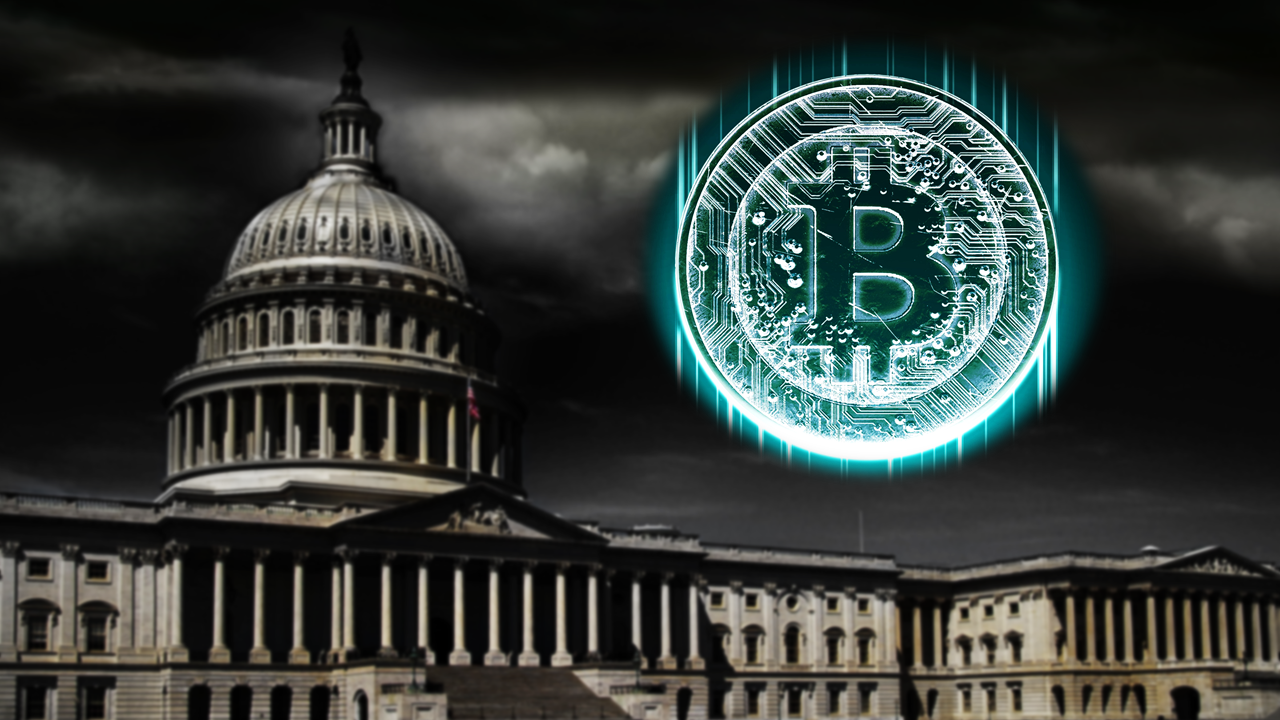
Texas Primaries: A Night of Triumph for Crypto PACs
The Most Critical Battle: Al Green's Exit
Among the numerous contests in Texas, the most symbolic battle took place in Houston. Democratic Congressman Al Green, one of the fiercest critics of the cryptocurrency industry on Capitol Hill, received an "F" rating in the advocacy organization Stand With Crypto's grading system.
To win this battle, Fairshake's Protect Progress spent approximately $7.8 million — about $5 million supporting challenger Christian Menefee and around $2.8 million on ads targeting Green. As a result, Green's 20-year congressional career came to an end, and Bitcoin policy advocate Dennis Porter commented on social media: "A pro-crypto Democrat just defeated a 20-year anti-crypto Democrat."
A Comprehensive Layout on the Republican Side
On the Republican front, industry funding is also dense. According to FEC disclosure data, Fairshake's Republican-affiliated PAC Defend American Jobs provided funding support for four Republican candidates: Jon Bonck, Tom Sell, Carlos De La Cruz, and Alex Mealer, all of whom won their respective primary runoffs.
Another noteworthy new force is Fellowship PAC. This organization has financial ties to Tether and Cantor Fitzgerald, and invested about $500,000 to support Texas Attorney General Ken Paxton's challenge against incumbent Senator John Cornyn, with Paxton ultimately winning with over 63% of the vote.
The Strategic Logic Behind the "Perfect 6-0" Record
According to CryptoTimes reports, the crypto PACs achieved an unblemished record of 6 wins out of 6 in Texas. The Kalshi prediction market gave Menefee an approximately 91% chance of victory before the election, and Polymarket provided similar numbers — indicating that the flow of funds had already predicted the outcome rather than merely following it.
This "precise targeting, low cost, high return" layout model is a strategy that Fairshake has already validated in 2024: focusing resources on a few low-turnout runoffs, where winning the party's nomination almost guarantees a seat in the November election in strong Republican districts.
A Structural Shift in Political Funding: Why Is It Leaning More Towards the Republican Party?
Fairshake's "Bipartisan Betting" is Shifting
Fairshake's official position is as a bipartisan organization, and the funding distribution for 2024 indeed took into account both parties. However, the latest analysis by CoinDesk indicates that as the 2026 midterm elections approach, the overall political funding of the cryptocurrency industry is clearly skewing toward the Republican Party, with independent Republican-exclusive crypto PACs rapidly emerging.
The underlying logic is not complicated: since Trump's administration, the Republican Party has generally held a more lenient attitude toward cryptocurrency regulation; the advancement of the GENIUS Act (a stablecoin regulatory framework) and the market structure bill (the Clarity Act) passing the Senate Banking Committee by a vote of 15:9 have shown the industry that there is a realistic legislative path to advancing legislation in a Republican-controlled Congress.
The Emergence of New PACs and the Complexity of Funding Ecosystem
The Nation's report indicates that the political spending ecosystem of the cryptocurrency industry in 2026 extends far beyond Fairshake alone. Fellowship PAC (linked to Tether/Cantor Fitzgerald), Blockchain Leadership Fund, and an exclusive Republican PAC supported by the Winklevoss twins collectively form a more specialized and aggressive network of political funding.
According to CNBC reports, Fairshake's overall funding reserve is approximately $193 million, including two large donations from major contributors like Coinbase, Ripple, and a16z in the second half of 2025. This number is nearly equivalent to Fairshake's total fundraising throughout the entire 2024 election cycle, clearly indicating that the industry's political investment is expanding at an exponential rate.
[In the regulatory issues of cryptocurrency that MEXC follows, the flow of political funds has always been an important leading indicator for assessing regulatory trends.]
Trump's Stance: CFTC Leads Prediction Markets, Crypto Sovereignty Cannot Be Violated
Less than a day after the Texas primary results were announced, Trump wrote on Truth Social on May 26, endorsing the CFTC:
"The CFTC's exclusive authority over prediction markets is essential and must be defended. Under my leadership, we are creating 'gold standard' rules for the states."
According to Bloomberg reports, this statement occurred against the backdrop of the CFTC's lawsuit against multiple state governments regarding the regulatory authority over prediction markets. Several Democratic-led states including New York, Illinois, and Wisconsin argue that prediction market contracts essentially belong to gambling products and should be subject to local laws.
In the same post, Trump linked cryptocurrency policy to national competitiveness: "Other countries are trying to replace us (as the crypto capital), but we will not let that happen." This is one of the clearest presidential endorsements of the cryptocurrency industry to date.
CFTC vs SEC: The Deeper Implications of the Regulatory Authority Conflict
The core logic of the Clarity Act is to assign regulatory authority over most digital tokens to the CFTC rather than the SEC. The CFTC's regulatory framework is generally considered to be more lenient toward the industry, while the SEC is known for its aggressive enforcement.
Trump's support for the CFTC leading prediction markets is essentially a political endorsement for this legislative path — if the Clarity Act passes smoothly, it will directly affect the compliance costs and development space for the entire digital asset industry.
The White House is currently reviewing a federal regulatory proposal for prediction markets submitted by the CFTC, which has already been reviewed by the Office of Management and Budget (OMB), indicating that the implementation of the formal regulatory framework may occur sooner than the market expects.
Market Impact: Can Political Victory Convert to Price Catalysts?
The cryptocurrency industry's significant victory in the Texas primaries indicates that the pro-crypto camp in Congress is likely to expand further after the November elections. For market participants, the implications of this political signal are worth serious evaluation:
In the short term, market sentiment may be boosted. Political good news usually reinforces the confidence of both institutions and retail investors to enter the market, especially for assets directly related to regulatory exposure, such as tokens of stablecoin issuers, DeFi protocol tokens, and stocks of publicly traded crypto companies like Coinbase.
In the medium term, attention should be paid to the legislative progress of the Clarity Act. The Senate Banking Committee has completed its committee voting, and the upcoming timeline for full Senate consideration will be a core variable. If the bill passes before the midterm elections, it signifies the elimination of uncertainty discounts, and markets often price this in advance.
In the long term, the politicization of the cryptocurrency industry is inherently a double-edged sword. The strengthening of political influence certainly helps in advocating for favorable legislation, but it also means that the correlation between cryptocurrency asset prices and political trends will continue to rise — a trend that has already been observed over the past few years and will only deepen during the 2026 mid-term election cycle.
For those looking to seize trading opportunities during the policy battle window, you can explore over 2000 trading pairs on MEXC and respond quickly to market movements.
MEXC Crypto Pulse Research Team's Exclusive Insights
The results of the Texas primaries mark an important milestone in the politicization process of the cryptocurrency industry, but their significance goes far beyond just "winning a few more elections."
From a funding structure perspective, the cryptocurrency political funding network centered around Fairshake, supplemented by Fellowship PAC, is completing a strategic transition from "defensive" to "offensive." Funding in 2024 was mainly used to "punish" anti-crypto lawmakers; funding in 2026 is more proactive, aimed at cultivating pro-crypto allies in key committee positions to pave the way for the advancement of legislation like the Clarity Act.
We note a detail: the largest investment was made against Al Green's district — and Green is not only a critic of cryptocurrency but also represents a unique situation where two incumbent Democrats faced off due to redistricting in TX-18. Fairshake chose to make a substantial bet on a race already filled with uncertainties, not merely to "take down" Green but to ensure that the winner, Menefee, sets a demonstration effect of a "pro-crypto" stance in the Houston area.
From a broader perspective, the political funding of the cryptocurrency industry has evolved into a comprehensive ecosystem: calibrating probabilities through prediction markets (Kalshi, Polymarket) before elections, influencing election outcomes through targeted advertising, and later converting political capital into regulatory benefits via legislative lobbying. This closed loop has become efficient enough to rival traditional large industry lobbying groups, while its transparency — all FEC disclosures are publicly searchable — even enhances its credibility.
For cryptocurrency investors, this means that the long-suppressed "regulatory risk" discount on cryptocurrency market valuations is being systematically reduced. However, it is important to note that the influx of political funding also brings "volatility in policy expectations" — should legislative advances fall short of expectations or political trends reverse, the market's disappointment could be equally severe. In the most intense windows of policy battles, maintaining a continuous follow-up on macro policy trends is an essential task that no cryptocurrency market participant should overlook.
FAQ
Q1: What is Fairshake PAC? Where does its funding come from?
Fairshake is currently the largest political action committee in the U.S. cryptocurrency industry, positioned as a bipartisan organization, primarily funded by Coinbase, Ripple, and venture capital firm a16z. It has two associated PACs: Protect Progress aimed at Democrats and Defend American Jobs aimed at Republicans. As of early 2026, Fairshake’s overall funding reserve is approximately $193 million.
Q2: Why is Al Green's defeat so important to the cryptocurrency industry?
Al Green is one of the strongest critics of the cryptocurrency industry in Congress, having repeatedly opposed cryptocurrency-related legislation during his tenure, and received the lowest "F" rating in the Stand With Crypto grading system. His defeat not only removes a key obstacle but also sends a clear political warning signal to other legislators with similar stances.
Q3: What does Trump's support of CFTC regulation of prediction markets mean for the cryptocurrency industry?
This statement has dual significance. First, it strengthens the CFTC's dominant position in digital asset regulation; secondly, the CFTC's traditional regulatory approach is generally more inclusive than that of the SEC, and thus, this position is widely interpreted by the market as a positive signal for the cryptocurrency industry, especially for DeFi and prediction market-related projects.
Q4: What is the Clarity Act? What is the current status?
The Clarity Act is a cryptocurrency market structure bill currently under discussion in the U.S. Congress, which aims to clarify the regulatory authority over most digital tokens as being assigned to the CFTC rather than the SEC. The bill has recently passed the Senate Banking Committee review and will soon enter the full Senate voting process. Whether it can be legislated before the 2026 midterm elections is a key point of focus for the industry.
Q5: How should average investors respond to the political trends in the cryptocurrency industry?
Politically driven market conditions typically present a "short event window, high volatility" characteristic. It is recommended that investors pay attention to legislative milestone points (such as bill review by committees and full Senate voting dates) and to asset categories directly related to regulation (stablecoins, DeFi, stocks of publicly traded crypto companies). On MEXC, you can track the market dynamics of relevant assets in real-time.
Q6: How can I trade policy-sensitive cryptocurrency assets on MEXC?
Visit MEXC, register for an account, and start trading by searching for your target assets among over 2000 spot trading pairs. MEXC supports both spot and contract trading, providing real-time market data and information updates.
Disclaimer
This article is for informational purposes only and does not constitute any investment advice or financial guidance. The cryptocurrency market is highly volatile, and investing carries significant risks, including the potential loss of principal. Past performance does not guarantee future results. The political event analysis in this article only represents the research views of the MEXC Crypto Pulse team and does not constitute an endorsement of any political stance. Investors should conduct their own thorough research and due diligence before making any investment decisions and may seek advice from professional financial advisors as appropriate.
免责声明:本文章仅代表作者个人观点,不代表本平台的立场和观点。本文章仅供信息分享,不构成对任何人的任何投资建议。用户与作者之间的任何争议,与本平台无关。如网页中刊载的文章或图片涉及侵权,请提供相关的权利证明和身份证明发送邮件到support@aicoin.com,本平台相关工作人员将会进行核查。