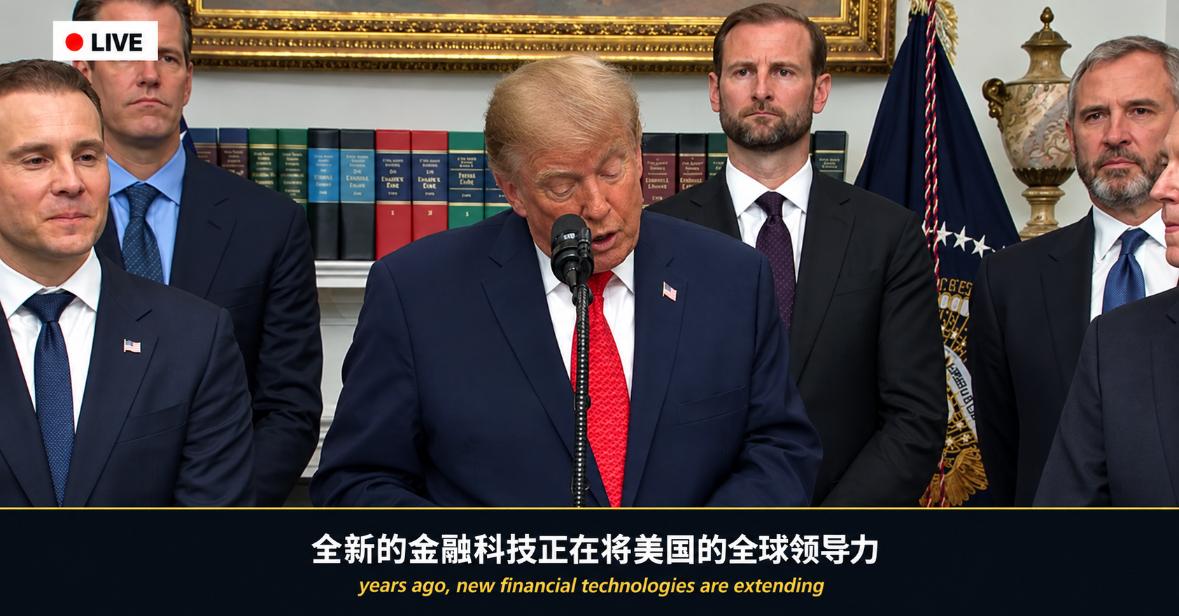
Recently, U.S. Senate Republican member Thom Tillis (North Carolina) and Democratic member Angela Alsobrooks (Maryland) announced the latest compromise text of the stablecoin reward provisions in the Digital Asset Market Clarity Act (referred to as the CLARITY Act). This breakthrough swiftly resolved the core conflict between traditional banking and crypto platforms that had lasted for months, clearing the largest obstacle for the advancement of this legislation within 2026.
Reportedly, the core of this compromise scheme strictly distinguishes between "passive income" and "activity rewards." The new language explicitly prohibits crypto companies from paying any rewards to stablecoin holders that are "economically or functionally equivalent to bank deposit interest or returns," while retaining incentive measures based on real transactions, platform usage, or other "bona fide" activities, such as trading rebates, payment settlements, liquidity provision, staking validation, or governance participation. This means that the model of simply holding stablecoins to earn "interest" will be blocked, but users who actively utilize stablecoins to participate in on-chain activities or platform services can still receive rewards, thus preventing crypto products from being classified as strictly regulated bank deposit-like products.
This framework directly addresses the core concerns of the banking industry. Over the past few months, banking lobbying groups have repeatedly emphasized that if stablecoin platforms could freely pay deposit-like returns, it would lead to a significant outflow of funds from traditional bank accounts, weaken banks' lending capabilities, and trigger systemic risks. Although the GENIUS Act (signed in July 2025) has already required stablecoin issuers to maintain 100% reserves and prohibited issuers from directly paying interest to holders, it did not completely seal off the "loophole" that allows platforms to indirectly provide rewards through ancillary arrangements. The CLARITY Act's compromise further tightens these restrictions while leaving room for innovation in the crypto industry.
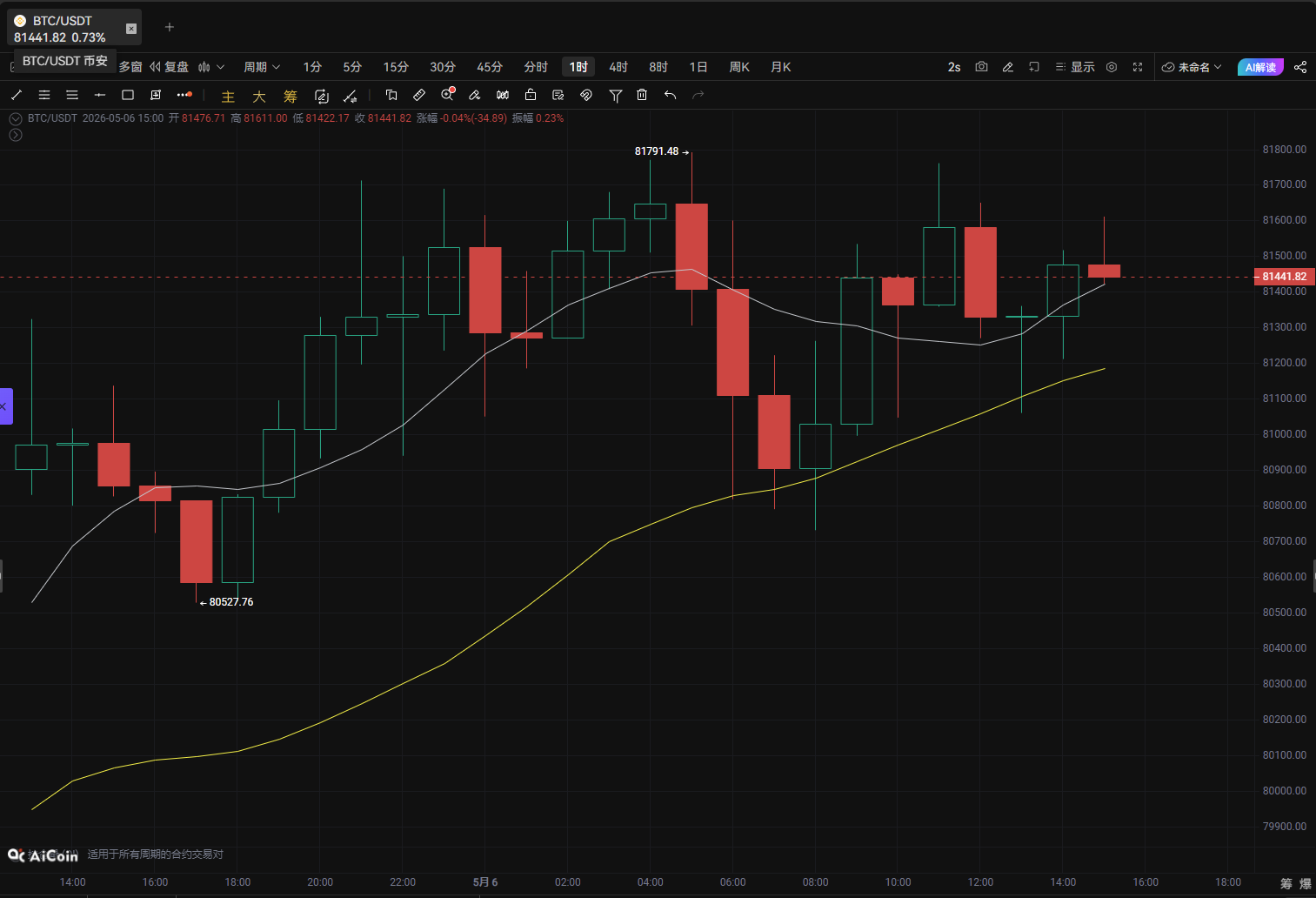
The market reacted swiftly and positively. The stock price of Circle (the issuer of USDC) jumped nearly 16% after the compromise news broke, Coinbase’s stock rose about 7%, and Bitcoin's price also surpassed the $80,000 mark. Coinbase CEO Brian Armstrong had previously withdrawn support due to overly stringent terms but has now publicly stated "Mark it up" (to expedite the review). The crypto industry overall views this as a major positive development, believing it has preserved the business model that incentivizes user participation without sacrificing compliance.
Meanwhile, the banking industry's response has been relatively restrained. The American Bankers Association (ABA) and other groups acknowledged the negotiation efforts in a joint statement on May 4 but warned that the new language may still have potential loopholes like "membership plans" and has not completely eliminated the risk of deposit outflow. Several banks have chosen to "remain silent," showing that although both sides have reached a phase of consensus, the definition of subsequent regulatory details will still be a focal point.
The Major Crypto Dispute in Washington Seeks Conclusion
The CLARITY Act was passed with a bipartisan vote of 294-134 in the House of Representatives in July 2025 but has been stalled in the Senate over stablecoin reward provisions for nearly a year. The purpose of this legislation is to establish a unified regulatory framework for the digital asset market: the CFTC is responsible for commodity-like assets (such as Bitcoin), the SEC for securities, while clear rules will be established for payment tools like stablecoins. Previously, the GENIUS Act laid the foundation for stablecoin issuance, but the reward issue became the "last mile" in the tug-of-war between banks and crypto platforms.
This compromise scheme's significance goes beyond the provisions themselves. It ends one of the most intense tug-of-wars in Washington regarding crypto regulation, injecting certainty into the industry. Crypto platforms no longer need to worry about being labeled as "shadow banks," and user incentive mechanisms can be retained—shifting from "earning interest passively" to "earning rewards through use." This shift is particularly crucial for scenarios such as DeFi, payments, and RWA (real-world asset) tokenization: platforms can continue to attract funds and users through trading fee rebates, liquidity mining, or on-chain governance rewards without bearing bank-level capital requirements and consumer protection obligations.
For ordinary users, the impact is equally profound. In the past, stablecoins were often viewed as "crypto savings accounts," and passive income became an important tool for attracting retail investors. Under the new rules, this model will phase out; users will need to engage actively to earn rewards. This may encourage more people to shift from merely holding to actively using, propelling the crypto economy from speculation to practicality. Additionally, it avoids risks of regulatory arbitrage: unchecked proliferation of bank-like products could ultimately trigger a chain reaction similar to traditional financial crises.
On the leading global crypto platform Gate.io, users can easily earn activity rewards that comply with the new regulations through real activities such as trading, providing liquidity, and staking services. Gate.io has actively responded to regulatory trends, providing rich and transparent participation mechanisms for both new and old users. New users can register to experience convenient stablecoin trading and incentive activities, further lowering the compliance participation threshold.
Registration Link:
https://jump.do/zh-Hans/xlink-proxy?id=5
Why Choose Gate?
1. Compliance Industry Benchmark (Regulatory Advantage)
Actively responding to global regulatory trends (such as MiCA), providing a transparent and legal participation mechanism.
Say goodbye to gray areas; every transaction and reward is traceable, ensuring greater security of funds.
2. Real Activities, No Tricks (Reward Advantage)
Unlike fake airdrops, Gate.io provides rewards based on real trading, liquidity provision, and staking services.
Whether you are a trading expert or a financial novice, you can find a way to make money that suits you.
3. Simplified Stablecoin Trading Experience (Product Advantage)
Supports convenient deposits and trades of mainstream stablecoins like USDT.
Significantly lowers the threshold for fiat currency deposits, making "compliant participation in cryptocurrency" as simple as online shopping.
4. Exclusive New Customer Package of $10,000+ (Benefit Advantage)
Register to unlock a super package that includes trial funds and airdrops.
A report released by the White House Council of Economic Advisers in early April noted that completely prohibiting stablecoin yields would have an almost negligible boost to bank lending (only 0.02%), while the loss of consumer welfare could reach $800 million. This data somewhat weakened the banks' absolute stance but also pushed both sides toward compromise. Senate Banking Committee Chairman Tim Scott has hinted that markup (review) may begin in the week of May 11, with a possible full Senate vote in June or July.
U.S. Crypto Competitiveness in a Global Perspective
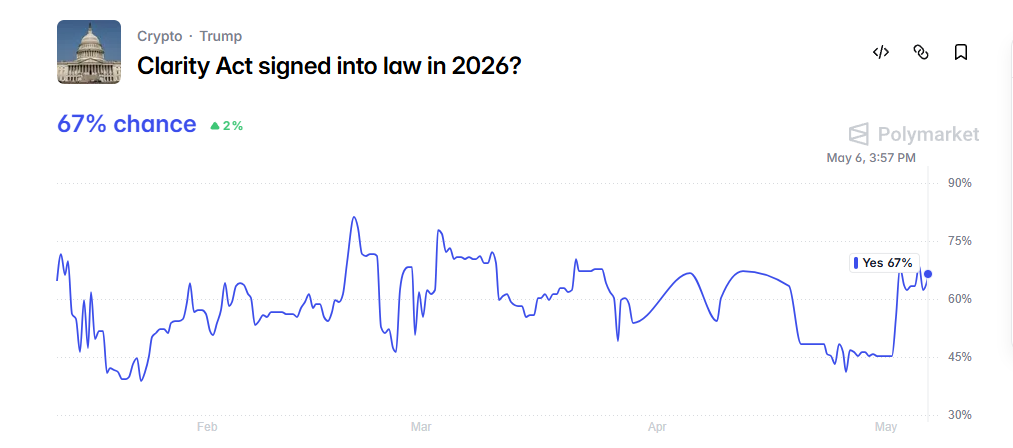
The EU MiCA regulations, as well as the stablecoin frameworks in Hong Kong and Singapore, have already been implemented. If the U.S. can complete the CLARITY Act swiftly, it will regain initiative in the competition for the "crypto capital." Circle executive Dante Disparte stated that this signifies America's choice to "lead instead of follow" in digital asset development. According to Polymarket data, the probability of the bill passing in 2026 quickly rose from 46% to approximately 67% (highly consistent with the industry estimate of 62%), reflecting the strong demand for certainty in the market.
Of course, challenges remain. The wording "economically or functionally equivalent" in the compromise text is rather broad, and how the SEC, CFTC, or Treasury will define "bona fide activities" will be key to enforcement. Banks may continue to advocate for stricter regulatory details, while the crypto industry must demonstrate that activity rewards will not evolve into disguised interest. Additionally, other provisions related to DeFi developer protections and anti-money laundering remain to be finalized.
Overall, this compromise reflects a pragmatic regulatory logic: protecting the stability of the traditional financial system while not stifling the vitality of crypto innovation. It provides a clear path for the nearly $100 billion market of stablecoins and sets a precedent for broader digital asset legislation. For investors, platforms, and policymakers, 2026 may become a watershed year for U.S. crypto regulation, transitioning from chaos to order.
In the long term, only under clear rules can capital, technology, and talent truly gather to maintain the United States' leading position in the global digital economy landscape.
Join our community, let’s discuss and become stronger together!
Official Telegram Community:
AiCoin Chinese Twitter:
Gate Benefit Group:
https://aicoin.com/link/chat?cid=de0QGAe7W
免责声明:本文章仅代表作者个人观点,不代表本平台的立场和观点。本文章仅供信息分享,不构成对任何人的任何投资建议。用户与作者之间的任何争议,与本平台无关。如网页中刊载的文章或图片涉及侵权,请提供相关的权利证明和身份证明发送邮件到support@aicoin.com,本平台相关工作人员将会进行核查。