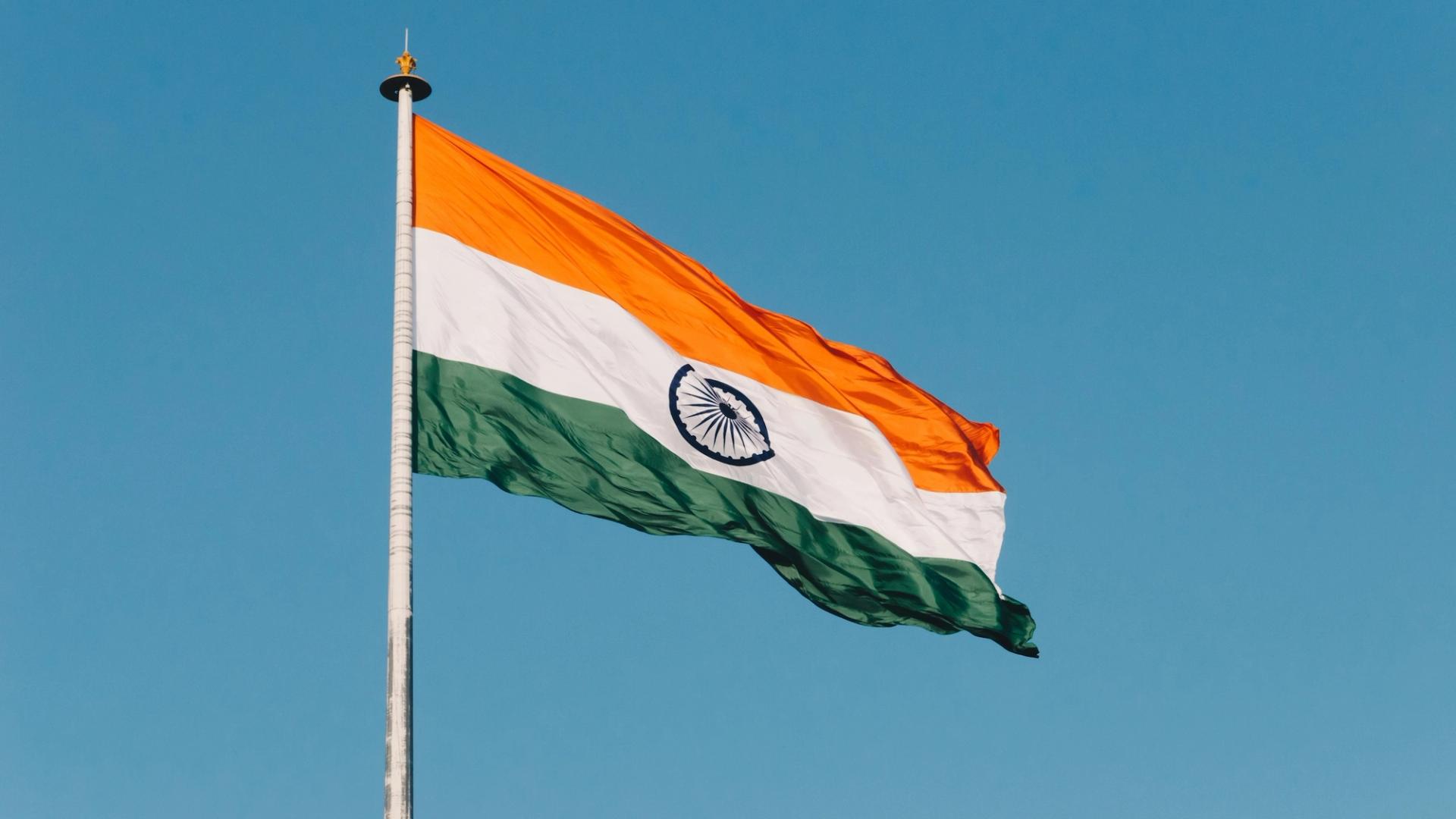
What to know : India is routing portions of its roughly $80 billion welfare system through the e-rupee in about 10 pilot programs to curb leakage and corruption while giving its central bank digital currency a clearer use case. Targeted pilots in states like Maharashtra and Gujarat use programmable subsidies and food benefits to drive adoption, but e-rupee usage remains modest compared with the Unified Payments Interface, which handles about $300 billion in transactions each month. As India tests domestic applications, the Reserve Bank of India is pushing a plan to link CBDCs across BRICS nations to reduce reliance on the dollar, a move that risks provoking U.S. tariffs and broader geopolitical tensions.
India is turning to welfare payments to drive adoption of its central bank digital currency as it prepares to put the CBDC in the spotlight at a summit of BRICS nations later this year.
The Reserve Bank of India is running about 10 pilot programs routing portions of the country’s roughly $80 billion welfare system through the e-rupee, Reuters reported Thursday. The effort aims to reduce leakage and corruption in subsidy programs while giving the CBDC a clearer use case after a slow rollout.
In Maharashtra’s Phulenagar village, farmers are receiving programmable subsidies covering up to 80% of drip-irrigation costs, spendable only at approved vendors. A separate pilot in Gujarat aims to onboard all 7.5 million households eligible for subsidized food by June, effectively using targeted transfers to scale adoption.
The push underscores a core challenge for CBDCs globally: usage. The e-rupee has grown to about 10 million users from roughly 7 million earlier this year, but cumulative transactions since its December 2022 introduction total just $3.6 billion. That remains small compared with India’s Unified Payments Interface, which processes about $300 billion each month.
Early adoption efforts have at times been engineered. CoinDesk reported in 2024 that several major banks, including HDFC, Kotak Mahindra and Axis Bank, credited employee salaries into CBDC wallets to help the system surpass 1 million daily transactions in December 2023, a milestone that did not persist.
India’s domestic experimentation comes as policymakers consider a larger geopolitical role for the technology. The Reserve Bank of India has urged the government to advance a proposal for linking CBDCs across the economies of Brazil, Russia, India, China and South Africa at the bloc’s 2026 summit, aiming to streamline cross-border trade and reduce reliance on the U.S. dollar.
That ambition carries political risk. President Donald Trump has threatened tariffs on BRICS countries pursuing alternatives to the dollar and has already imposed duties on Indian imports tied in part to its purchases of Russian crude, raising the stakes for any coordinated monetary effort.
免责声明:本文章仅代表作者个人观点,不代表本平台的立场和观点。本文章仅供信息分享,不构成对任何人的任何投资建议。用户与作者之间的任何争议,与本平台无关。如网页中刊载的文章或图片涉及侵权,请提供相关的权利证明和身份证明发送邮件到support@aicoin.com,本平台相关工作人员将会进行核查。


