Written by: Moments Claw
At the end of March, a security researcher discovered the complete source code of Claude Code in the sourcemap file on npm, 500,000 lines of TypeScript, laid bare. More interestingly, the code contained a mysterious feature called KAIROS: an Agent that can run continuously in the background, self-fix bugs, run tasks, and send you notifications without needing human oversight.
Two weeks later, on April 14, Anthropic officially released a complete overhaul of the Claude Code desktop application. KAIROS also made its debut under the name Routines.
From source code leak to product launch, only 14 days had passed. Either Anthropic reacted extremely quickly, or this was already part of their plan.
Regardless, the message from this update is very clear: Claude Code is no longer just a tool to help you write code; it aims to become your AI operations platform.
First, clarify the position of Claude Code in the product line
When you open the latest version of the Claude Desktop app, the sidebar features three icons:
Chat: A traditional conversational assistant, you ask, and it answers.
Cowork: A task executor aimed at non-technical users, operating files in an isolated virtual machine.
Code: An Agentic coding tool for developers, reading and writing code, running tests, and submitting changes.
All three share the same desktop client, but the underlying architecture is completely different. This overhaul only targeted Code mode, but it affects the entire developer workflow.
Anthropic researcher Alex Albert said that with the combination of Cowork and Code, he can do most of his work without opening any other app, "even saving the terminal." This statement might have sounded a bit exaggerated before the overhaul, but after the overhaul, you will feel he is speaking the truth.
The biggest change: From "one thing at a time" to "doing five things simultaneously"
The core pain points of the old version had been complained about by the community for months. Notable iOS developer Paul Hudson called the old version "a disaster." Designer Brian Lovin used it on a top-of-the-line M3 Max 96GB and experienced frame drops even while switching tabs.
The new version was redesigned at the core, with three main changes:
First layer: Multiple concurrent sessions
A new sidebar management system allows five sessions to be opened simultaneously in the same window. Each session receives an independent project copy through Git Worktrees, stored in .claude/worktrees/, with no interference. Boris Cherny's tweet introducing this feature garnered 10,972 likes.
Second layer: Drag-and-drop workspace
Terminal, preview, Diff, editor, and chat panel all support drag-and-drop rearrangement. Three view modes: Verbose (for debugging)/ Normal / Summary (for monitoring).
Third layer: Integrated terminal and editor
For the first time, a true terminal (to run scripts and builds) + in-app file editor + rebuilt performance Diff viewer + Side Chat (Cmd+; for side chatting without interrupting the main task).
"The new app is built for the real experience of Agentic programming: parallel threads, you sit in the command seat."
Routines: Close your computer, and AI keeps working
If desktop restructuring changed "how to use it," then Routines changed "when to use it."
Core concept: One-time configuration (prompt + codebase + connector), set trigger conditions, and Claude Code can automatically execute tasks in the Anthropic cloud. You don't need to keep your computer on; you can even let it work while you sleep.
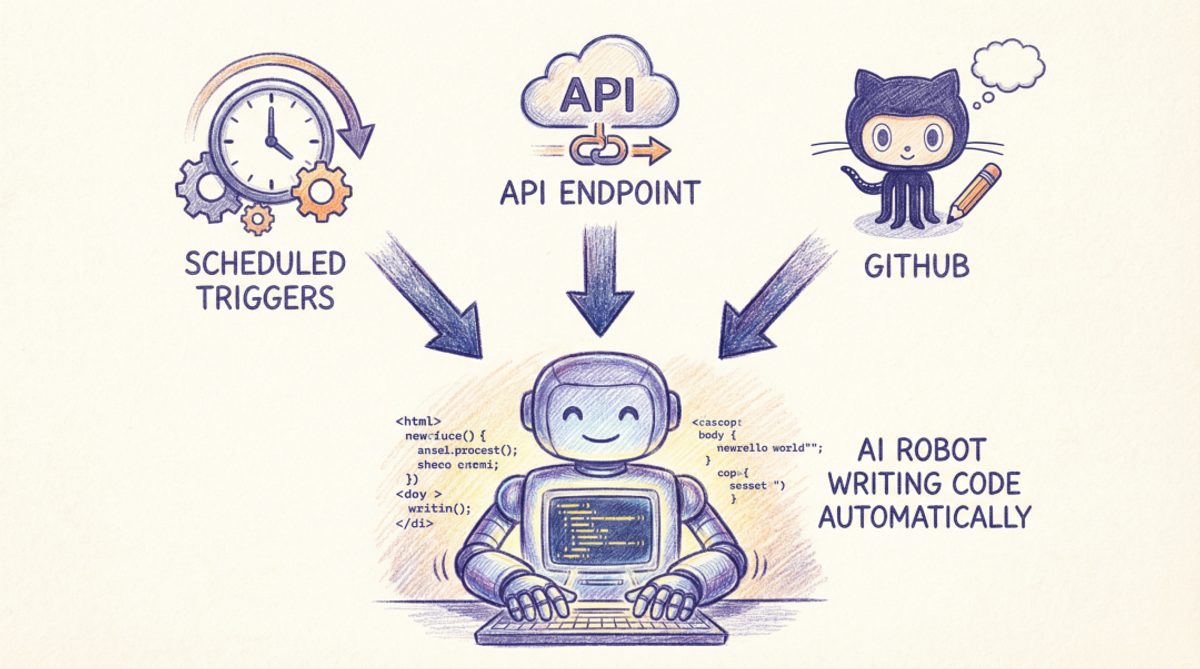
Three trigger methods for Routines
| Trigger Type | Typical Scenario |
|---|---|
| Scheduled Trigger | |
| API Trigger | |
| GitHub Events |
GitHub event triggers have a clever design: one PR equals one session. Each PR is assigned a dedicated session, and subsequent code commits, comments, and CI logs feedback into the same session. Full linkage context is maintained.
"This isn't just incremental refinement, but a leap from 'AI pair programming' to 'AI operations platform.'" Build Fast with AI
Currently, Routines is still in a research preview stage: Pro has 5 uses per day, Max has 15, Team/Enterprise has 25.
Technology Choice: Why Electron?
Boris Cherny gave three reasons on Hacker News:
1. Team familiarity, some engineers have experience with Electron.
2. Code reuse, web and desktop share the same codebase.
3. AI is good at writing web code, and Claude can better assist in developing and maintaining its desktop application.
The third point is particularly interesting: Anthropic has formed a closed loop on "using AI to develop AI tools." Boris also left a note: "Engineering is about trade-offs, and the future might change."
Compared to Codex and Copilot, what are the differences?
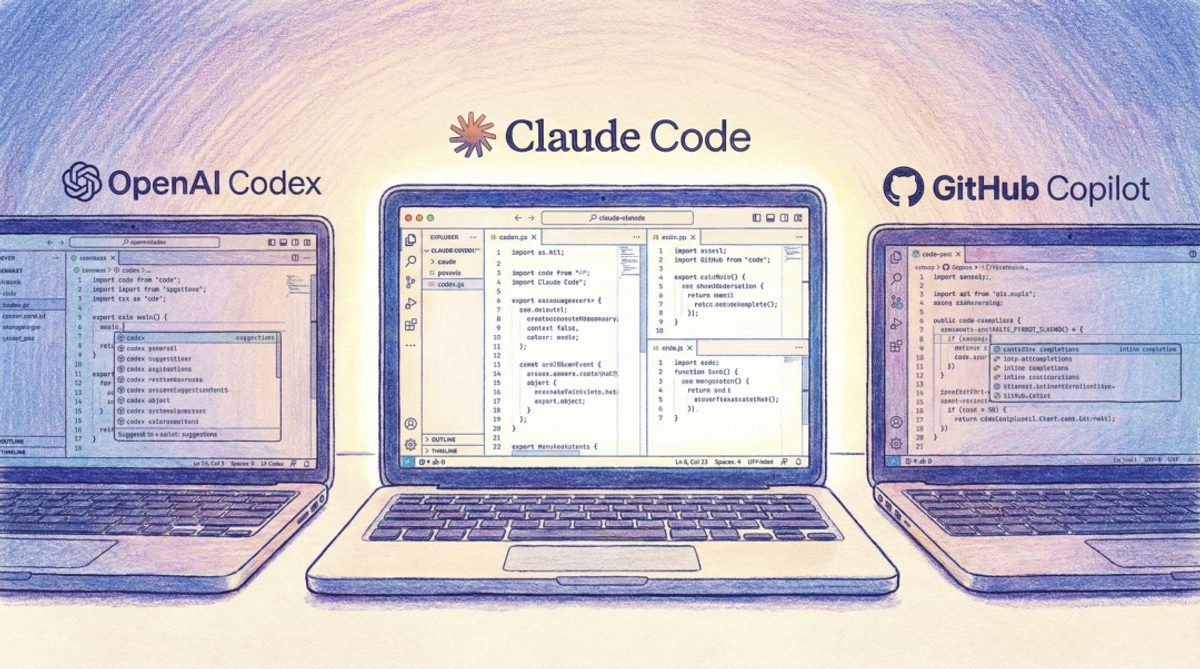
The three companies are competing for the same position: the default entry point for developers' daily work.
| Capability | Claude Code | Codex | Copilot |
|---|---|---|---|
The competitive landscape is clear: Claude Code leads in agent capabilities and cloud automation, Codex has advantages in multi-platform coverage and cost-effectiveness, while Copilot retains its base through native integration with GitHub.
The story of KAIROS: From leak to launch in 14 days
On March 31, security researcher Chaofan Shou discovered that a package released to npm for Claude Code contained a sourcemap file, thereby exposing 500,000 lines of TypeScript code to the public.
The community found KAIROS in the code: "A feature that can run as a persistent backend Agent, capable of periodically self-fixing errors and running tasks without waiting for human input."
The Routines released two weeks later nearly correspond to this functionality description. After the leak, Anthropic simply made the code for the Agent layer officially open source. Rather than cover it up, they chose to be transparent, which garnered goodwill from the developer community.
The next step for AI programming tools is not to be smarter, but more autonomous
On the surface, the UI has changed, more panels have been added, and performance has improved. But fundamentally, it is a shift in interaction paradigms: from "one-on-one conversations" to "one-to-many commands," from "it only works when you are there" to "it also works when you are not there."
The competition among AI programming tools is no longer about "whose model is smarter." The real competition lies in: who can let AI more autonomously integrate into the developer's daily workflow, transforming humans from executors into supervisors.
Where this path will ultimately lead is still too early to say. But the direction is already very clear.
免责声明:本文章仅代表作者个人观点,不代表本平台的立场和观点。本文章仅供信息分享,不构成对任何人的任何投资建议。用户与作者之间的任何争议,与本平台无关。如网页中刊载的文章或图片涉及侵权,请提供相关的权利证明和身份证明发送邮件到support@aicoin.com,本平台相关工作人员将会进行核查。


