A U.S. pilot who was shot down and injured within Iran was rescued, which could have easily been written as a "daring rescue" military news story. However, in Washington, this incident quickly transformed into something else. Trump did not focus on what the war itself had become but rather tried to frame this rescue as proof of his toughness, decisiveness, and continued trustworthiness.
The rescue operation is undoubtedly important, but for the White House, more crucial is that it provided a rare narrative window: in a war that is unpopular and increasingly difficult to explain, the president finally seized upon a moment to talk about "heroism" and "leadership."
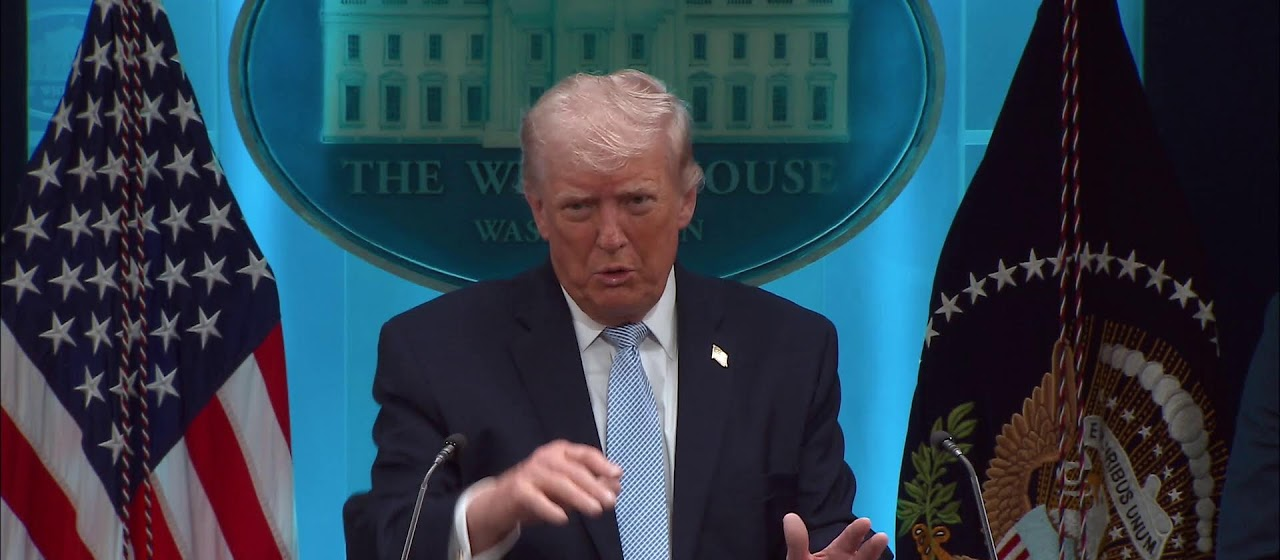
Figure 1: On April 6, at the White House press briefing, Trump loudly recounted the rescue operation
1. Why This Rescue is Especially Important to the White House
Because it came at just the right time. As the U.S.-Iran war has progressed, the most troublesome issue is not whether the White House can continue to talk tough, but whether the American public can continue to buy into it. If a war drags on, costs rise, and its objectives are unclear, the ruling party fears that public opinion will begin to view it as an endless war of attrition.
In this context, a successful rescue naturally carries significant political value. It can provide a heroic story, it can provide visuals, and it can provide a sense of "we have not lost control." For ordinary voters, they may not track the front line map, but they will remember that "our pilot was rescued." Such stories are easier to disseminate than abstract strategic objectives.
2. The Dangerous Rescue Operation
From the information currently available, this rescue was not a spontaneous risky operation but a layered combat search-and-rescue mission. After the F-15E pilot was shot down and injured his ankle while parachuting, he managed to escape to a cave and sent a signal to U.S. forces. Bloomberg reported that he used Boeing's encrypted communications equipment to establish contact with rescue personnel.
Once the location was confirmed, the U.S. military quickly assembled a massive rescue unit. Trump later claimed that 176 aircraft were involved in the operation. This number does not necessarily indicate that 176 aircraft simultaneously headed toward the same point, but more likely represents a whole layered airborne system that was fully engaged: those at the front responsible for searching and locating, those in the middle responsible for aerial cover and fire suppression, and those at the back providing electronic support, route protection, and evacuation assistance. This is precisely why the White House repeatedly described this mission as a highly complex modern search-and-rescue operation.
The most perilous moment was the final step of extracting the individual. According to U.S. sources, the assault team ultimately found the trapped pilot inside Iran, subsequently engaged in a firefight with Iranian forces, and then moved the injured party to a temporary evacuation point. For any search-and-rescue mission deep behind enemy lines, the hardest part is often not locating the target but successfully withdrawing the individual under the pressure of opposing fire. Both the White House and Trump later emphasized this step as the core of the entire operation because the success or failure is often determined during the extraction phase.
However, what truly disrupted the evacuation plan was that the designated extraction platform encountered issues. The rescuers originally planned to transport the pilot after delivering him to a temporary landing site directly by two C-130 transport aircraft. Unexpectedly, these two transport planes got stuck in soft sand and were unable to take off as planned. There was an attempt to dig the planes out, but it was unsuccessful. Consequently, the U.S. military had to adapt, waiting for replacement aircraft to arrive and first evacuating the pilot and rescue personnel. After everyone had been withdrawn, the U.S. military destroyed the grounded C-130s and several helicopters that could not be taken, preventing sensitive equipment from falling into Iranian hands.
It was for these reasons that this rescue was later described by many U.S. media outlets as a high-risk operation that nearly spiraled out of control at the last moment. The most thrilling aspect was not just the deep incursion behind enemy lines to find the individual, but also that after the person was rescued, the evacuation plan suddenly failed, leaving the on-site team to buy time and wait for the replacement platform to arrive, ultimately resulting in even having to destroy their own aircraft. This series of details imparted a strong historical echo to the entire mission. The failed Iranian hostage rescue operation of 1980 similarly featured desert conditions, mechanical failures, and chaotic evacuations as keywords of disaster. After 46 years, while geographical conditions and warfare technology have changed, the elements of sand, chaos, and hasty withdrawals still can drag a seemingly successful operation back to the brink of danger.
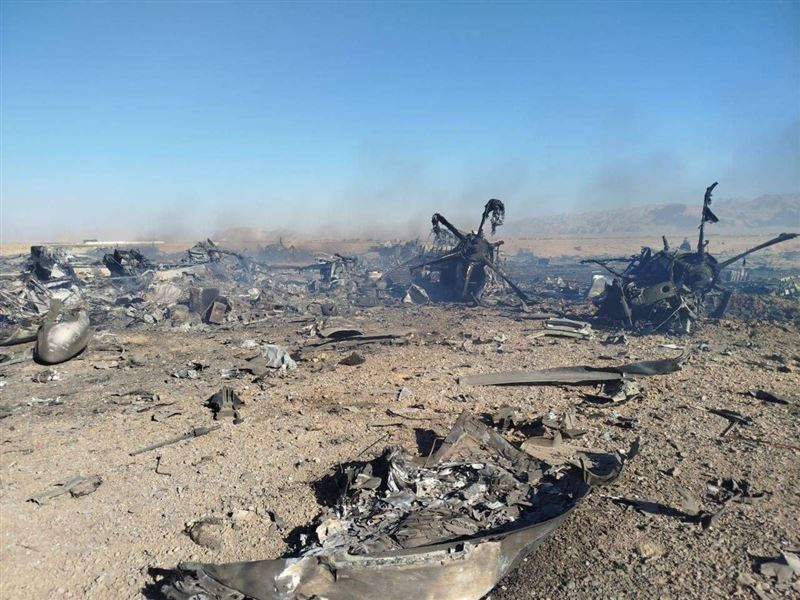
Figure 2: Debris of the aircraft destroyed by U.S. forces
3. How Trump Framed the Rescue Operation as Political Propaganda
What can be confirmed is that this incident quickly transcended mere military dimensions. Regardless of how many firefights actually occurred at the scene or to what extent the Iranian military intervened, the White House immediately seized upon the "pilot rescued" narrative, transforming it into a larger political narrative: the president was personally in charge, the U.S. did not fail, the media was deliberately taking the opposite stance, and thus this war still merits continuation.
The first step was to portray the rescue as a highlight moment under the president's direct command. An official article released by the White House on April 6 used very strong language, emphasizing that Trump was directing this "boldest, most complex" modern rescue mission from the Oval Office and the situation room. The focus here is not to have the public understand the details of the operation, but to connect "mission success" directly with "the president was there."
The second step was to turn the media into the villain. Bloomberg's report mentioned that Trump threatened to send reporters who reported on the details of the rescue operation to prison. The White House's own version was even more direct, describing critics and the media as people who spread rumors and erased the president's achievements at critical moments. This reframing shifted the debate from whether "this war is worth it" to "the president was risking a rescue, while the media was undermining it."
The third step was to tie the success of the rescue to stronger pressure on Iran. According to statements collated by the South China Morning Post, after discussing this “dangerous operation,” Trump continued to emphasize his deadlines and warned that if an agreement could not be reached, the U.S. could destroy key Iranian facilities within hours. In other words, this rescue was not meant to cool down the war but to prove that the White House currently has more confidence to maintain pressure.
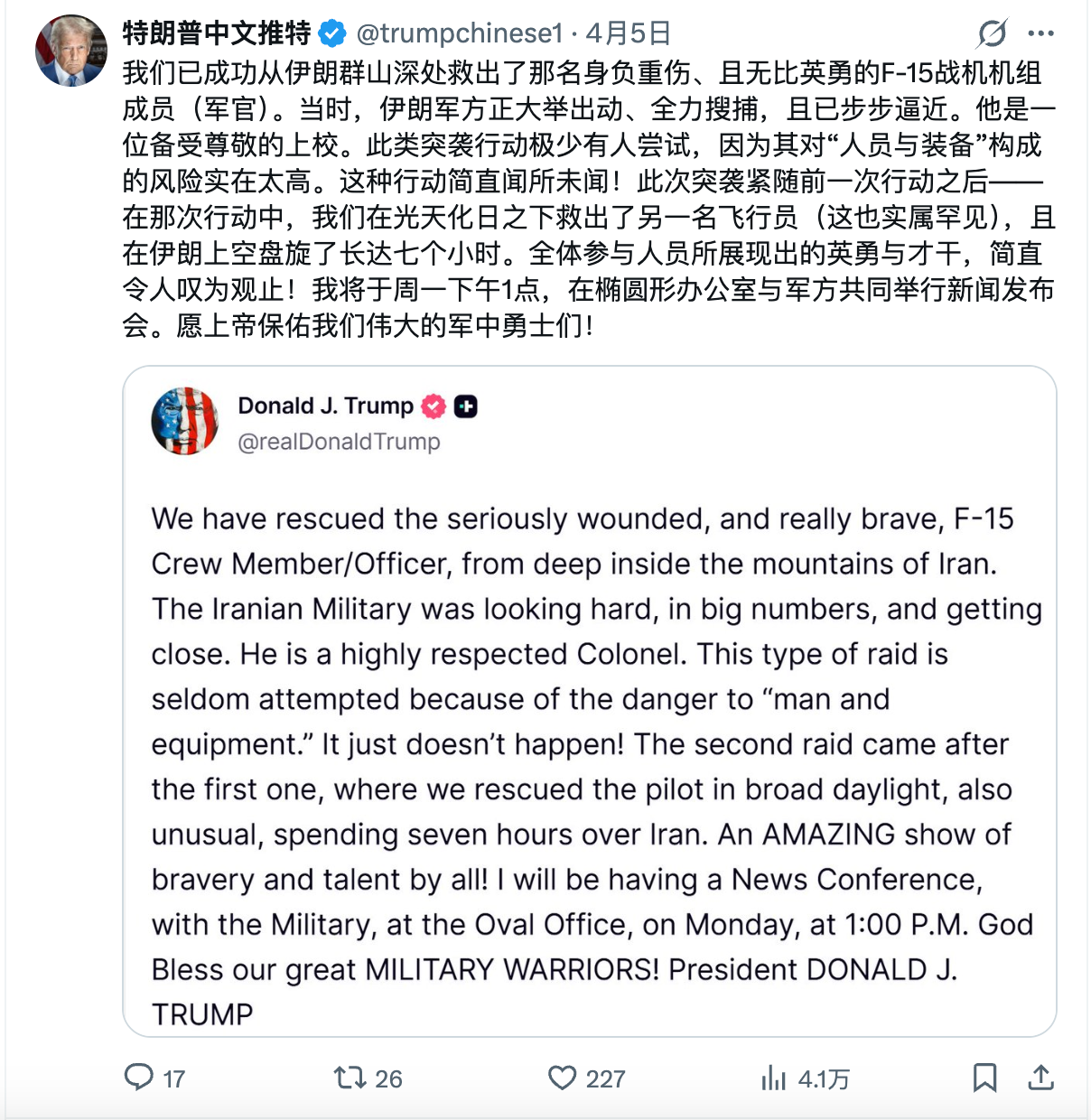
Figure 3: Trump's tweet after the successful rescue
4. Why This Narrative Appeals to Trump
Because it is much easier than explaining the war goals. Explaining why a war should continue often encounters many difficult questions: how long it will last, what the costs will be, and what ultimate results are sought. But if the focus is shifted to "successful rescue," "president tough," and "media irresponsible," these questions can be temporarily pushed back.
More importantly, this narrative compresses the complexity of war into a simple emotion. For the White House, the ideal emotion is not for the public to fully understand the situation but to feel that "at least it looks like we won this time." In public sentiment propagation, short-term emotions often wield more power than long-term logic.
5. However, This Incident Also Exposed the White House's Anxiety
If this war truly had stable political support, the White House might not need to work so hard to shape the narrative. The more they emphasize "heroic rescue" and repeatedly attack the media, to some extent, reveals that the ruling team knows this war is not solid within the United States. A successful rescue can certainly boost morale, but it cannot automatically answer broader questions: will the war expand, will the costs increase, and will the American public want to continue following along.
Therefore, what is most noteworthy about this incident is not just that the pilot was rescued but how the White House used language afterward, who it pointed fingers at, and how it connected this event back to negotiations with Iran and military pressure. True political news does not occur at the moment the rescue ends, but rather in who gains the power to define this event afterward.
Conclusion
For Trump, the most valuable aspect of this rescue is not only that it saved a pilot but that it gave the White House an opportunity to reframe the war as "the president is tough, the country is favorable, and critics are disqualified." However, how long this narrative can last ultimately depends on whether the war itself and U.S. domestic politics continue to veer into a more uncontrollable direction. A single rescue can change the headlines, but it may not change the fundamental nature of a war.
It is Worth Noting
It is worth noting that this rescue operation unexpectedly caused related bets on "when the U.S. military will enter Iran" on Polymarket to rapidly approach settlement. For many ordinary readers, this also provides a very intuitive side: a military operation originally taking place on the battlefield can almost be transformed into price changes and result realization in prediction markets at the same time. If you wish to continue following pricing changes in these types of events in prediction markets, you can visit AiCoin's Polymarket page:
https://www.aicoin.com/zh-Hans/polymarket?lang=cn

免责声明:本文章仅代表作者个人观点,不代表本平台的立场和观点。本文章仅供信息分享,不构成对任何人的任何投资建议。用户与作者之间的任何争议,与本平台无关。如网页中刊载的文章或图片涉及侵权,请提供相关的权利证明和身份证明发送邮件到support@aicoin.com,本平台相关工作人员将会进行核查。