Author: Yang Qi
In the global brokerage industry, Interactive Brokers (IB) has always been an "outlier." It is neither a traditional investment bank nor an internet broker, yet it covers over 200 countries and over 160 exchanges, becoming one of the strongest brokers globally in trading capabilities.
So the question arises:
How has it achieved global compliance expansion through its licensing strategy?
In this article, we will thoroughly dissect the underlying logic of Interactive Brokers from the perspective of "architectural design."
1. A Core Conclusion: Interactive Brokers is not "one global license," but rather a "multi-license matrix."
Many people mistakenly believe:
Interactive Brokers covers the globe with a single top-tier license.
But the reality is:
Interactive Brokers utilizes a "multi-jurisdiction, multi-licensed entity" global compliance architecture.
Simply put:
Each region → One licensed entity
Each market → Local regulatory compliance
Globally unified → Technology + Clearing system
2. Dissection of the Global License Landscape
1. United States: The Core of Global Clearing and Trading
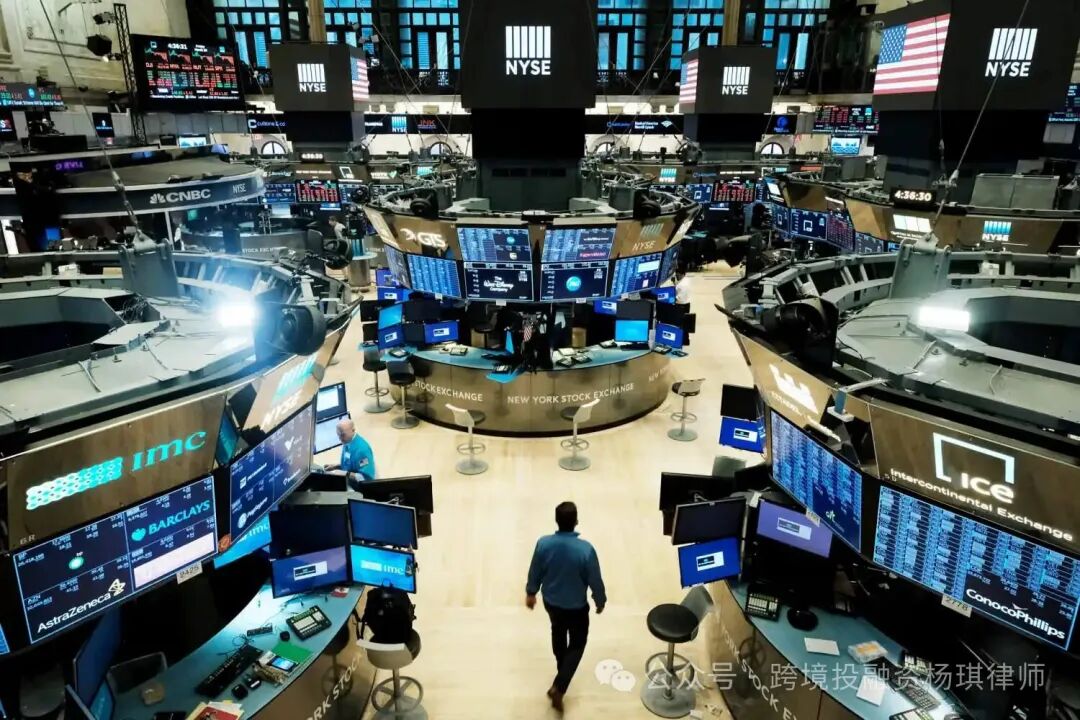
The "heart" of Interactive Brokers is in the United States.
Core Entity: Interactive Brokers LLC
Regulatory bodies include:
U.S. Securities and Exchange Commission
(SEC) Financial Industry Regulatory Authority
(FINRA) Commodity Futures Trading Commission
(CFTC)
Types of Licenses:
Broker-Dealer
Futures Commission Merchant
This is the global trading and clearing hub of Interactive Brokers.
All orders, risk control, and fund security essentially operate around the U.S. system.
2. Europe: The "Moat" of the MiFID System
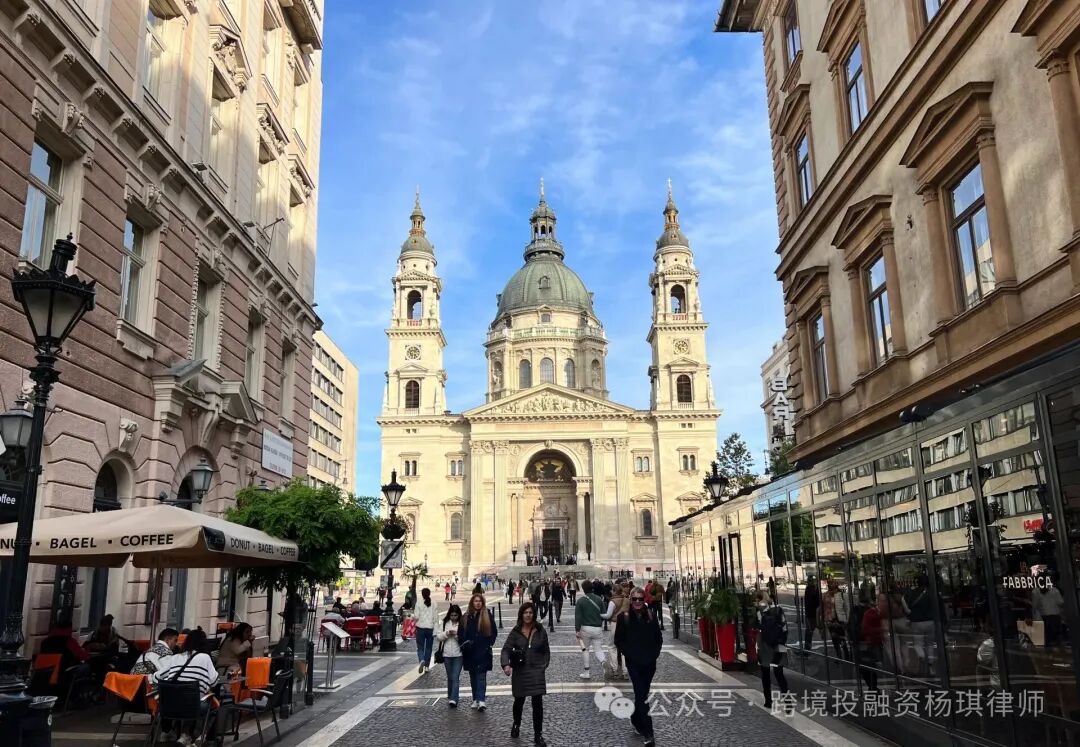
Interactive Brokers employs a "three-point layout" in Europe:
United Kingdom: Interactive Brokers UK Limited
Regulator: Financial Conduct Authority
Ireland: Interactive Brokers Ireland Limited
Serves EU clients (core post-Brexit)
Hungary: Interactive Brokers Central Europe Zrt
Cost optimization + Regional diversion
Through the MiFID system, Interactive Brokers can operate on a "passport" basis throughout the EU.
3. Asia: Strategic Positioning in Key Regulatory Markets

Interactive Brokers' strategy in Asia is very clear:
Only enter core financial centers.
Singapore
Entity: Interactive Brokers Singapore Pte Ltd
Regulator: Monetary Authority of Singapore
License: CMS Licence
Hong Kong
Entity: Interactive Brokers Hong Kong Limited
Regulator: Securities and Futures Commission
License: Type 1 / Type 2
Japan / 🇦🇺 Australia
Japan: Regulated by the Financial Services Agency
Australia: AFSL (Australian Securities and Investments Commission)
These markets share a common point:
Stringent regulation + High quality investors + Strong fund compliance.
3. Key Design: Globally Unified Technology + Local Compliance Licensing
What Interactive Brokers excels at is not merely having many licenses, but:
"Unified technology, dispersed licenses."
Technology layer (globally unified)
One account system
One trading system
One risk control model
Legal layer (locally dispersed)
Independent licensing in each region
Customers categorized by regional affiliation with different entities
Meeting local regulatory requirements
This brings a huge advantage:
It enables global expansion while avoiding cross-border regulatory red lines.
4. Cryptocurrency Business: Interactive Brokers' "Restraint and Intelligence."
Many people think that Interactive Brokers has "fully engaged in cryptocurrency," but in reality, it maintains a high level of restraint:
1. ETFs: Still Part of the Securities Business.
For example:
Bitcoin ETF
Still using:
SEC / SFC / MAS securities licenses
2. Direct Purchase of Coins: Collaborative Model
Interactive Brokers does not operate its own exchange; rather, it collaborates with:
Paxos Trust Company
Paxos is responsible for:
Executing transactions
Custody of assets
Interactive Brokers is responsible for:
Customer access
Trading interface
3. Stablecoins (USDT)
Interactive Brokers basically does not engage in these.
The reasons are very practical:
Bank compliance risks
High difficulty of AML
Regulatory uncertainties
5. Why has Interactive Brokers Managed to Outperform Globally?
In summary, it can be boiled down to three sentences:
1. Avoid grey paths
No reliance on offshore licenses (such as Vanuatu, Seychelles) as core
Adhere to a first-tier regulatory framework
2. Clear Structure
United States = Clearing hub
Europe = Old money families
Asia = High-net-worth access
3. "Modularizing" complex issues
Securities → Do it yourself
Cryptocurrency → Collaborate
Global → Do it regionally
6. Insights for Chinese Financial Institutions Going Abroad (Key Points)
If you are involved in:
Cross-border brokerage
Web3 Finance
Global licensing layout
Interactive Brokers actually provides a "standard answer."
Optimal path (realistic version)
Step 1: Core Licenses
United States / Hong Kong / Singapore
Step 2: Regional Expansion
European Union (Ireland)
Australia
Step 3: Cryptocurrency Supplement
Connect with licensed exchanges (rather than doing it yourself)
Guidelines to Avoid Pitfalls
Do not rely solely on offshore licenses for global operations
Do not directly engage in the USDT system
Do not overlook bank compliance
Conclusion
The success of Interactive Brokers lies not in the "number of licenses," but in:
Its methodical approach to breaking down global regulation into manageable modules.
Behind this are essentially two things:
Awe of regulations
Extreme attention to architectural design
免责声明:本文章仅代表作者个人观点,不代表本平台的立场和观点。本文章仅供信息分享,不构成对任何人的任何投资建议。用户与作者之间的任何争议,与本平台无关。如网页中刊载的文章或图片涉及侵权,请提供相关的权利证明和身份证明发送邮件到support@aicoin.com,本平台相关工作人员将会进行核查。


