😂 I didn't expect everyone to be so interested in this topic, so let me talk about normal daily expenses in Singapore.
First is transportation. Buying a car in Singapore is a bit expensive; for example, a Tesla Model 3 is about 20,000 dollars in China, which is similar in Japan, but in Singapore, the total cost for a new car on the road is about 150,000 to 200,000 dollars.
Yes, you read that right. The top configuration Model 3 Performance AWD costs 200,000 dollars, of which the COE, or Certificate of Entitlement, is about 90,000 dollars.
Moreover, Singapore is relatively small, and taking a taxi is very convenient; you can reach almost anywhere in about 30 minutes, so buying a car is not a necessity. Taxis are an option, but the cost of taking one is not low—generally, a trip of about 5 kilometers during non-premium non-peak hours costs around 15 Singapore dollars, while premium trips add about 20%, and peak or night trips add another 20%, roughly speaking without precise calculations.
So, the round trip cost for a taxi ride is about 40 Singapore dollars. I spend about 800 Singapore dollars a month on this, which is quite a bit, but not too much. Of course, if there's no urgent business or if I can take the MRT, it would be much cheaper.
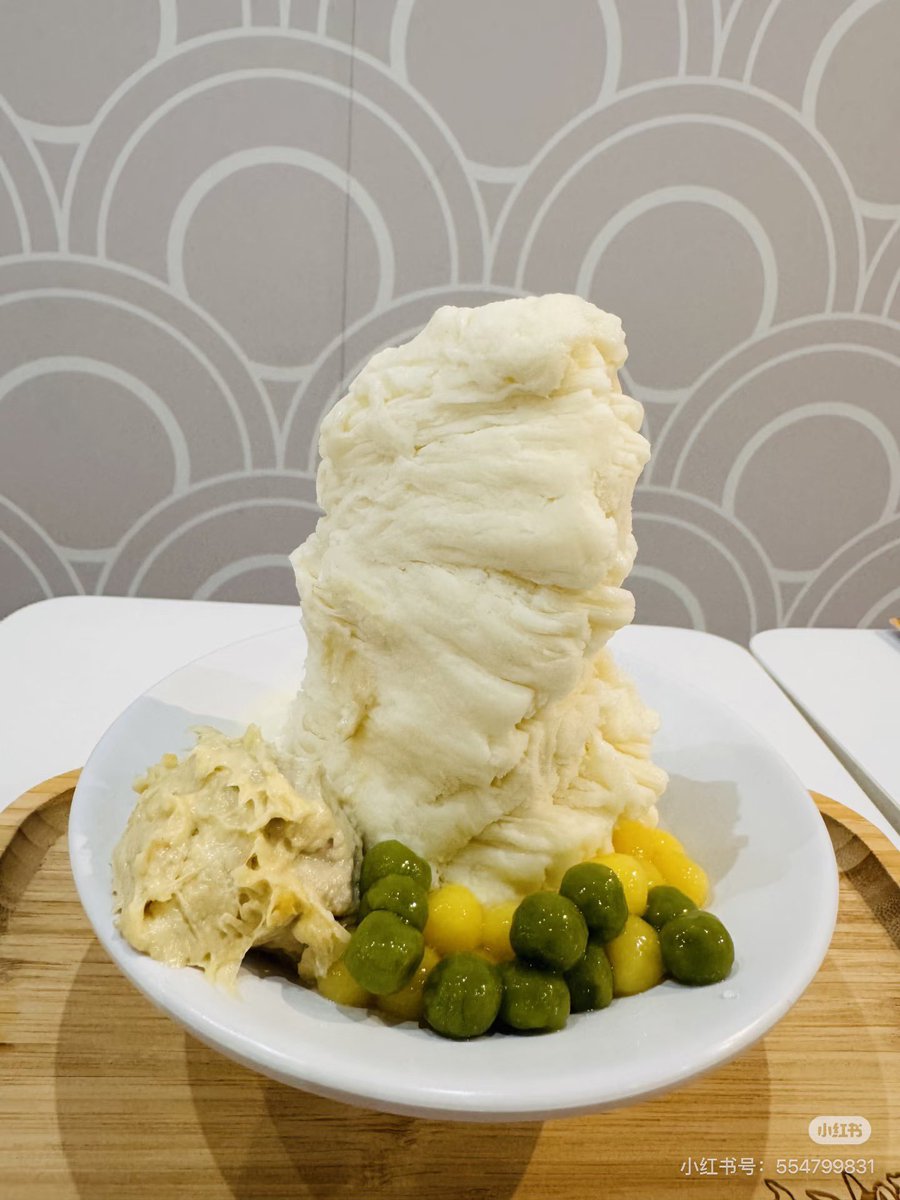
Next is beverages. Singapore has many sweets and cold drinks; it can be said that cold drinks are more common than hot ones. Generally, a person's expenditure for a drink is about 5 dollars, which is not too high. By the way, a 300 ml bottle of cola in the supermarket is usually nearly 2 dollars, and the cheapest is probably around 1 dollar. I saw a deal at 711 where it was about 1.5 Singapore dollars a bottle, which is just over 1 dollar.
My personal favorite is the smoothie shop near my house, which costs about 7 dollars per serving and is very delicious. A cold Americano at Starbucks costs about 5 dollars per cup. Usually, I only drink coffee if I'm meeting friends at a café; otherwise, I don't drink coffee. I have smoothies about three to four times a month.
Then there’s the MRT, which is very convenient in Singapore; you can reach almost anywhere with it. It's usually about a 10-minute walk from residences to the MRT, though notable villas might not count. Ordinary apartments are not far from the MRT, and the farthest I've seen takes about 15 minutes to walk to. Generally, each ride costs about 1 dollar, with the farthest being around 2 dollars.
Most of the time, I go out to eat and take the MRT, which typically involves traveling one or two stops, so the expense is not high. In many cases, the MRT takes about the same amount of time as taking a taxi, but it consumes more time if transfers are needed. I live on the purple line, and I usually take the MRT to Chinatown, Clarke Quay, or Holland Village. It's very convenient; a round trip to Chinatown takes about an hour.
Next is phone expenses. I use a phone plan called HiApp, which is quite cheap but not very value for money; the roaming service abroad is not very good, only free in Thailand, Malaysia, and Indonesia; elsewhere is considered roaming. It costs about 10 dollars a month. The local data is definitely enough; I have no problems using it, but I still plan to switch to SIMBA.
Additionally, I have a UniCom phone card from Singapore that can be used for free in Hong Kong, Macau, mainland China, and Singapore, along with some data. It costs about 7 dollars a month, which is not much, and I only use it occasionally when going to Hong Kong.
I also have a Hong Kong card and a mainland China card. The Hong Kong card is about 20 dollars a month; I've had it for several years, registered for many things, so I just keep it. The Hong Kong card is for the Greater Bay Area, functioning in Hong Kong, Macau, and mainland China, and was the main card before I came to Singapore. The China card is about 10 dollars a month, which I have kept for over 20 years, starting back in Shanghai, just keeping it alive.
Almost forgot, I also have a virtual card from XPIN, primarily a data card used abroad, which is quite useful; it provides 100 GB for a year.
Eating out, I rarely cook at home, so over 2/3 of the time each week, I eat out, especially during family gatherings or treat meals with friends. The average cost per person is about 50 to 100 dollars for a meal, of course, all treat expenses. If it’s just my regular meals, I generally spend less than 15 dollars per meal.
If I cook at home, it won't save much either since most food ingredients in Singapore are imported, so the difference isn't significant. Sometimes it’s even cheaper to eat at hawker centers or food courts; bringing a drink to a hawker center can also be done for about 10 dollars per meal.
On average, I spend nearly 2,500 dollars a month on meals mainly because I love to eat, plus I have many entertaining expenses. If I had a different social circle that I didn't enjoy as much, this could be cut by more than half.
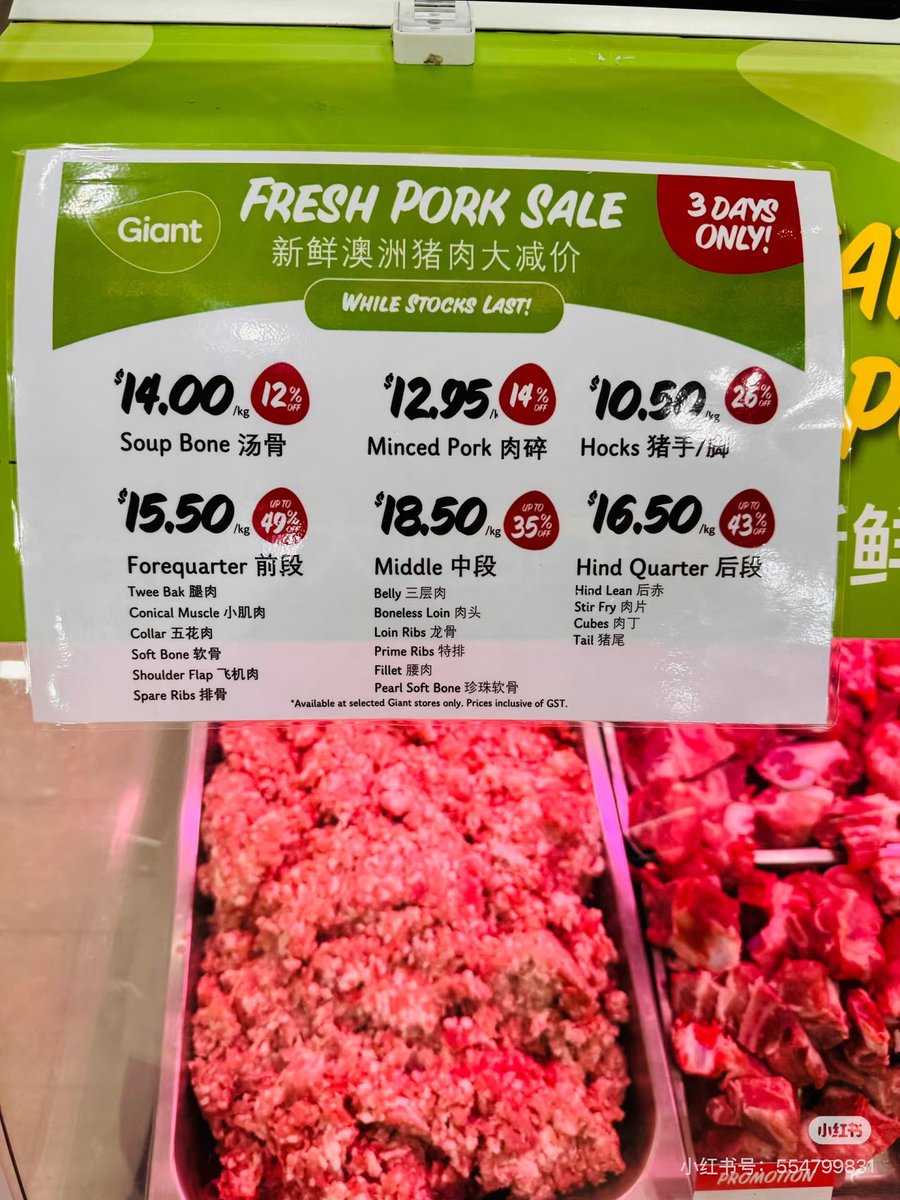
Supermarkets—after arriving in Singapore, I quite enjoy shopping in supermarkets. This is actually one of the reasons I really like Singapore; it allows family relationships to be more harmonious. In Shanghai before, there wasn’t much opportunity to walk with family or go to the supermarket together, and even when it happened, it was mostly for shopping. Unlike Singapore, I can go out for a walk at night and casually walk to the supermarket, buy a few things, and then go home.
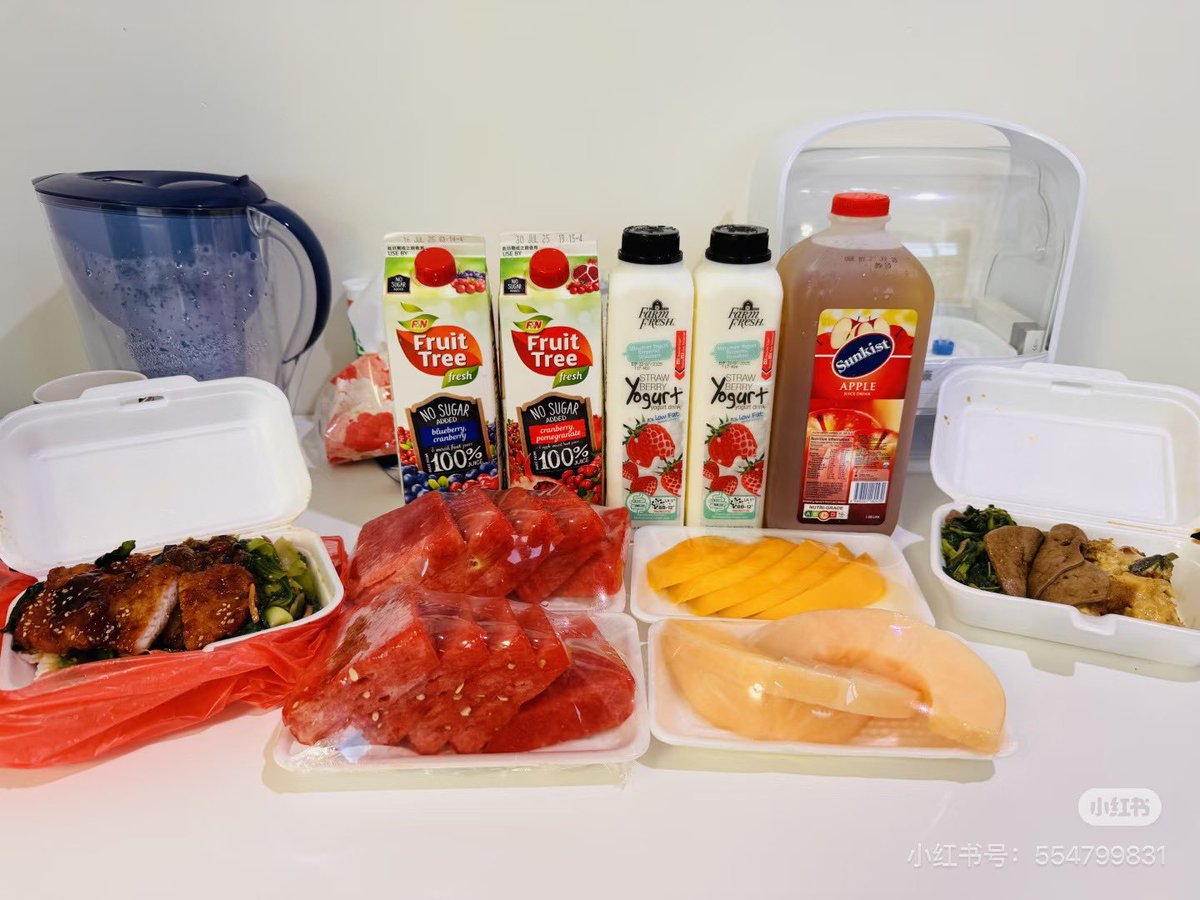
This kind of rhythm is quite hard to find in big cities. Near my home, the main supermarket is FairPrice, which is quite large, but prices are higher than those at Sheng Siong and also higher than smaller supermarkets, yet there are more items available. Each time I go shopping, I spend about 100 Singapore dollars, mainly on milk, juice, fruits, and yogurt.
I won't go into detail about games. I mainly use Singapore's APP Store, which is extremely expensive. Generally, a recharge of 648 in China is 150 Singapore dollars, about 116 dollars, while in the US, it's just 99 dollars. More importantly, it's not just for games; everything in Singapore is expensive. The prices for ChatGPT and Claude are both high; the Pro plan for Claude is 300 Singapore dollars a month, while it's 200 dollars in the US, which is outrageous.
Now I usually use a VPN to pay in Hong Kong, which is a bit cheaper. As for paying in China, my VPN isn't capable of that, and some cannot even be used in China. Game costs are a bit high; recently, I’ve been thinking of not playing anymore and just sticking to single-player games on Steam. By the way, Steam games are also very expensive, and you can't use a VPN to purchase them.
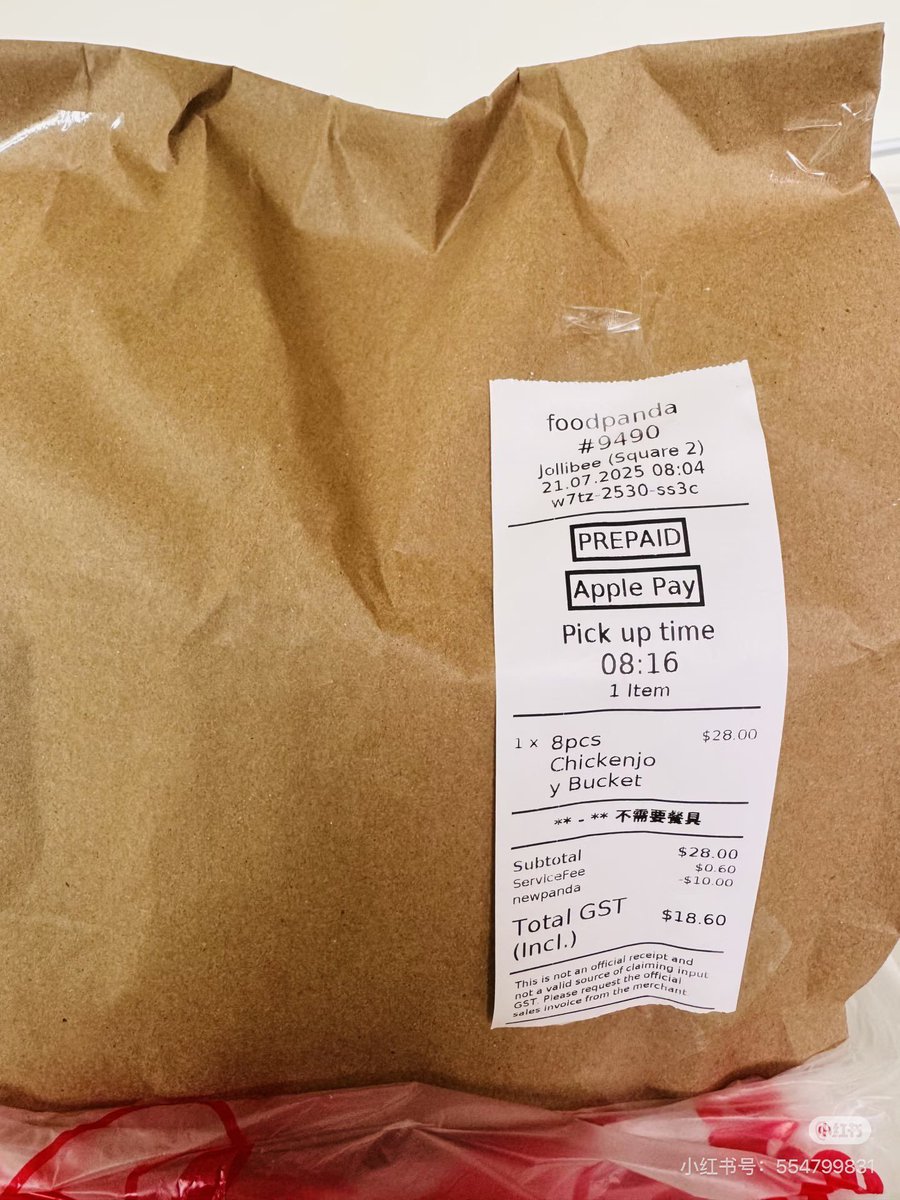
Other than that, it’s about average for daily expenses. Oh, there's also delivery; labor costs in Singapore are quite high. Deliveries generally arrive within 30 minutes, so it's not very competitive, but the prices are very pleasant. If there are no coupons or membership, a delivery fee of 5 dollars is common, and a little further can be 10 dollars, but I rarely order takeout; once a month is about the most.
Of course, all these recorded expenses are regular daily costs. However, for foreigners, housing is a big expenditure. Basically, if living in an apartment:
A one-bedroom apartment of 40 square meters would cost about 2,500 dollars a month.
A two-bedroom apartment of 70 square meters would cost about 3,500 dollars a month.
A three-bedroom apartment of 100 square meters would cost about 5,000 dollars a month. No, you didn’t read that wrong; three-bedroom apartments are the most commonly used type in Singapore, so they also offer the lowest cost-performance ratio.
A four-bedroom apartment of 130 square meters would cost about 6,000 dollars a month. Apartments with four bedrooms or more are not very common and not easy to find.
Singapore has villas that range from cheap to expensive. The cheap villas do not have swimming pools and are about a 15-minute walk to the MRT; they cost around 5,000 dollars a month, typically with 3 to 4 rooms. A decent three-story villa can be had for about 8,000 dollars, and there are plenty of options at this price point. As for luxury types, let’s not even go there; you can find places for 100,000 dollars a month.
Interested friends can follow my Little Red Book, where I often share about food and drinks in Singapore. It's easy to find, so I won’t disclose it here. 😆😆
免责声明:本文章仅代表作者个人观点,不代表本平台的立场和观点。本文章仅供信息分享,不构成对任何人的任何投资建议。用户与作者之间的任何争议,与本平台无关。如网页中刊载的文章或图片涉及侵权,请提供相关的权利证明和身份证明发送邮件到support@aicoin.com,本平台相关工作人员将会进行核查。


