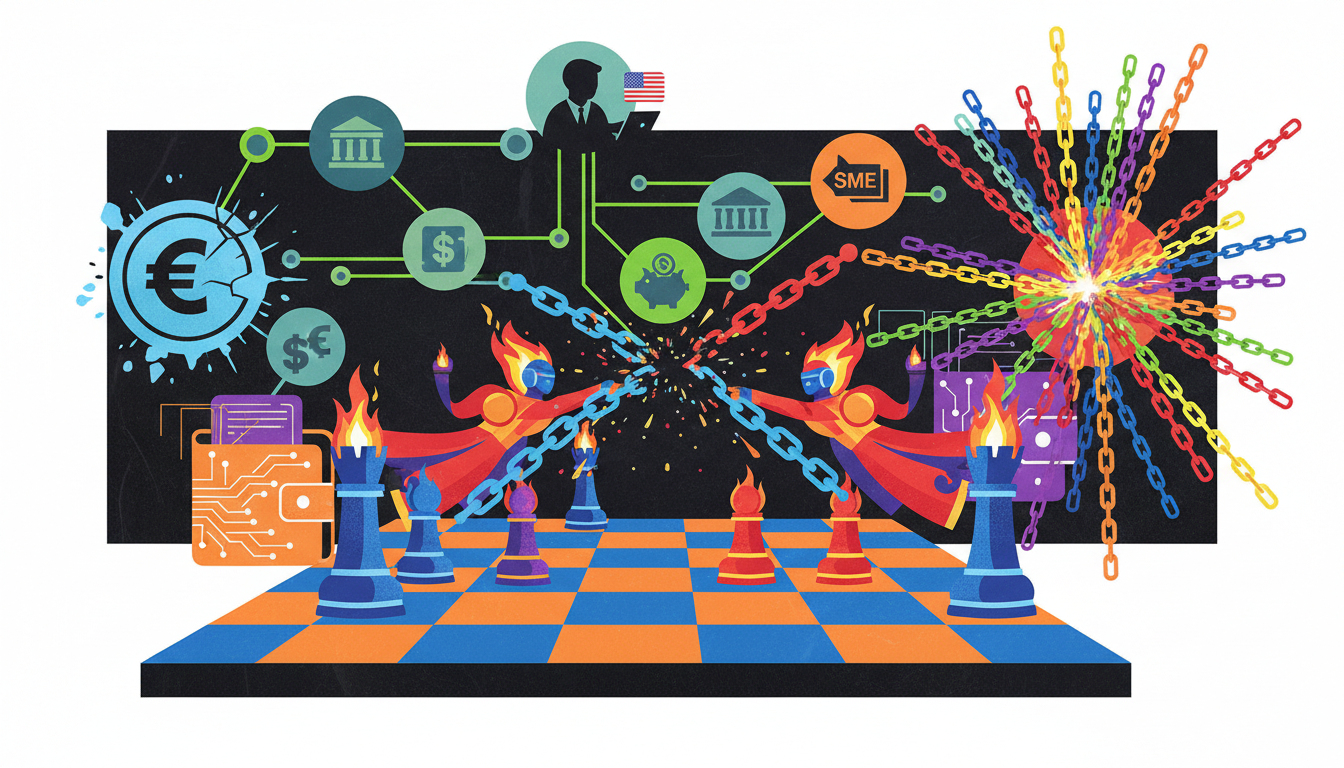
This week in East Eight Time Zone, OKX and Coinbase gave completely different responses on their respective expansion paths: the former, led by global managing partner Haider Rafique, openly signaled to postpone advancing the IPO in the United States; the latter added Based One (BASED1) to its coin listing roadmap, continuing to invest resources in early projects and new narratives. One side is hitting the brakes on the listing pace, while the other is accelerating new coin lines, making the differentiation between the two leading exchanges in the global compliance race and narrative positioning increasingly clear, also bringing the core issues of the industry to the forefront: in the current shadow of regulation and the warming of RWA, will they adhere to “long-term value” or compete for “short-term market share,” and how will this ultimately reshape the new order of exchanges?
OKX Hits the Brakes: Trade-offs Behind the U.S. IPO Pace
According to current publicly available information, OKX global managing partner Haider Rafique recently stated externally that the company will not advance its listing plans in the U.S., clearly conveying the core message of “we will not sacrifice long-term value for short-term valuation.” This statement is not an isolated voice, but occurs in the context of tightening U.S. regulatory atmosphere and a clear contraction in industry compliance and valuation expectations, more like a concentrated response from management to external inquiries about “when will the IPO happen.”
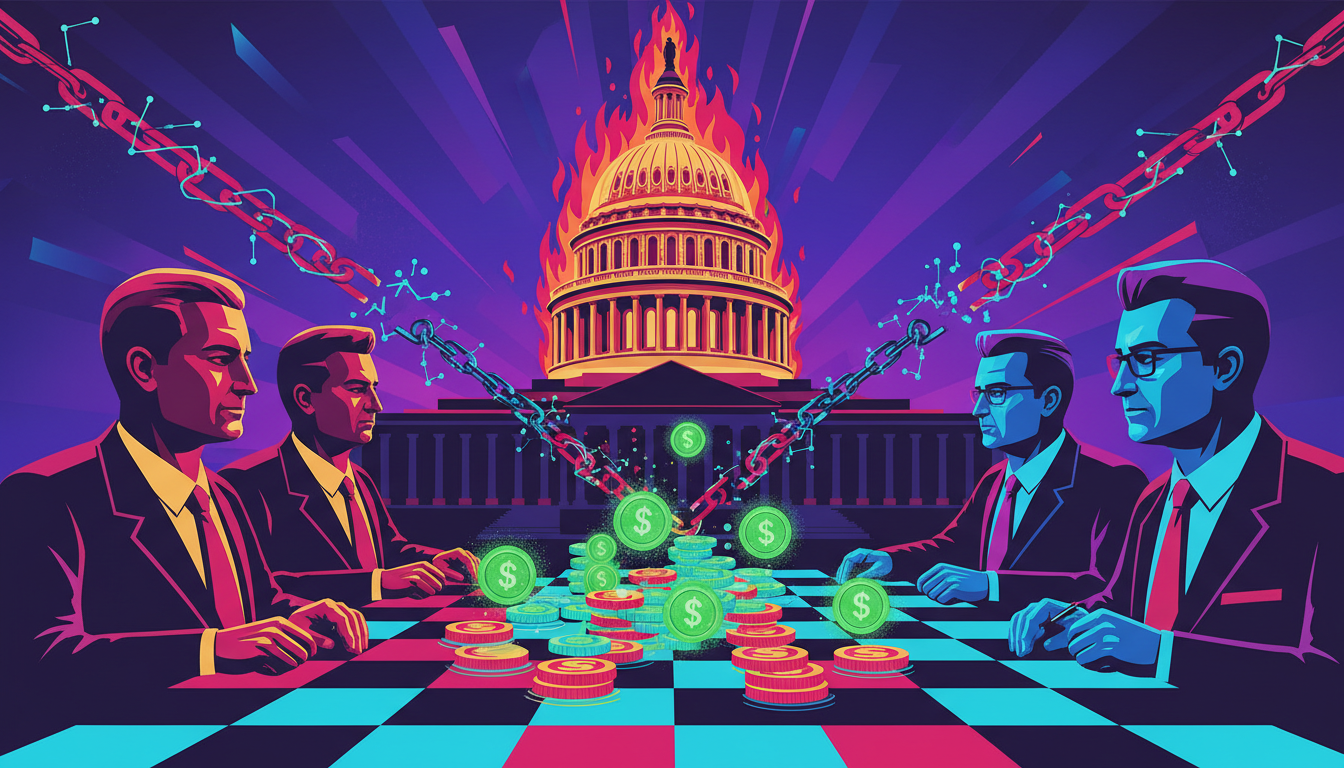
Extending the timeline, the SEC has been continuously strengthening regulatory scrutiny of exchanges in recent times, with noticeable increases in pressure regarding business compliance boundaries, asset attribute identification, and information disclosure requirements. For any crypto platform planning to enter the U.S. capital market, this means incurring higher legal, compliance, and governance costs during the initial stages, with regulatory interpretations subject to change. Against this backdrop, OKX has chosen to actively reduce its pace on the U.S. listing issue; on the surface, this is a “postponement,” but in reality, it is a hedge against uncertainty premiums—redirecting resources from capital market actions back to the business and infrastructure itself until the regulatory curve becomes clearer.
In line with this decision, OKX has repeatedly emphasized on the official level, “tokenized finance requires more mature market infrastructure.” This statement reflects a judgment on the development stage of the industry and signals internal considerations: as RWA and tokenized assets gain prominence, hastily launching into the U.S. capital market could amplify all incomplete compliance and technical details. Choosing to slow down the IPO pace means prioritizing energy on clearly defining assets, improving risk control systems, and connecting with traditional financial infrastructures, in turn seeking greater policy tolerance and valuation elasticity in the future in tokenized finance, rather than chasing a possibly fleeting valuation window in the current environment.
Coinbase Accelerates Coin Listing: Competition for BASED1 and Narrative Access
In contrast to OKX's “hitting the brakes” at the capital market level, Coinbase continues to “hit the gas” on the product and asset front. According to a single source, Coinbase has included Based One (BASED1) in its coin listing roadmap. This continues its recent strategy: moving resources to earlier-stage projects and positioning itself in narratives that are still in their infancy, thereby locking potential traffic and pricing power within its ecosystem.
It should be emphasized that the current publicly available information surrounding BASED1 is extremely limited, with no specific token attributes, economic models, or launch timelines available for verification. From the existing disclosures, it can be seen more as an “early test”: Coinbase includes it in the roadmap to show attention and potential support, but there are still multiple uncertainties before actual trading can begin, and it cannot simply be equated to “a significant positive that has landed.” This restrained interpretation is more important for investors—during periods of information opacity, any deductions surrounding the project's own details are more likely to slip into over-interpretation or even misjudgment.
From a more macro perspective, Coinbase's layout in RWA and new narratives essentially follows a main line: by continuously listing coins and expanding new tracks, it maintains its position as the “compliance gateway + narrative hub.” Whether exploring tokenized finance or exposing the roadmap for early projects, the essence is continually expanding the breadth of its asset pool and the frequency of story updates. For an exchange already listed on the U.S. capital market, adding assets and new tracks not only brings potential trading income and fee elasticity but also helps maintain the “growth imagination” label in the eyes of analysts and institutional investors, thereby hedging against traditional business cycle fluctuations.
Long-termism vs. Short-term Premiums: A Contrast of Two Expansion Logics
When Haider Rafique states, “we will not sacrifice long-term value for short-term valuation,” OKX has effectively drawn a clear boundary for its expansion logic: shareholder returns must be based on regulatory certainty and business sustainability, instead of rushing to list during unfavorable regulatory cycles for a one-time premium. This means that when it comes to the U.S. IPO issue, what they care more about is the quality of valuation after the rules are established, rather than the current valuation levels themselves. In the short term, such restraint will directly weaken its exposure in the public capital market, also forcing some capital expecting to cash in through the IPO to extend their return cycles; but from a medium to long-term perspective, it reduces the tail risk of passive adjustments or forced corrections during periods of regulatory ambiguity.
In contrast, Coinbase is choosing to pursue greater market share and revenue elasticity through ongoing coin listings and new track layouts. Integrating BASED1 and other early projects into its roadmap is a snapshot of its maintenance of the “new product rhythm” at the product layer: as long as there are new assets within the allowed regulatory boundaries, it aims to ensure these assets first gain pricing and liquidity on its own platform, thereby increasing user stickiness and trading activity. This strategy has relatively direct financial statement benefits—the rich asset pool and high-frequency new narratives often mean more stable, if not growing, fee income, and more easily tellable growth stories to external parties.
The two paths present a clear short- to mid-term comparison in capital market exposure, compliance pressure, and revenue structure. In the short term, Coinbase benefits from its listed identity and proactive listing strategy, enjoying higher transparency and traffic entry, combined with the imaginative space brought by RWA and new projects, making market attention naturally more concentrated; the corresponding cost is that each time it adds new assets or ventures into new narratives, it must face more direct scrutiny from the SEC and other regulatory bodies, risking compliance pressure at the first misstep. OKX, on the other hand, has reduced its direct exposure within the U.S. regulatory framework by postponing its IPO, sacrificing short-term valuation premiums and the glamour of roadshows, but also reducing the risk of its stock price being re-priced repeatedly due to regulatory events, leaving more uncertainty in the unlisted “private domain space.”
Regulatory Shadow and RWA Race: Who Can Secure the Next Stage Ticket?
In a broader context, the SEC's enhanced scrutiny and the warming RWA track are macro variables that both exchanges cannot avoid. With concepts such as tokenized treasury bonds, fund shares, credit assets, etc., continuously emerging, exchanges are no longer merely front-end interfaces for matching buy and sell transactions, but are forced to upgrade to “infrastructure operators” bridging traditional finance and the on-chain world. This requires them to invest in compliance, risk control, asset identification, custody capabilities, and multiple levels, and any shortcomings in these areas may be amplified as systemic risk sources in the eyes of regulatory agencies.
OKX has repeatedly emphasized in public statements that “tokenized finance needs more mature market infrastructure,” carrying two implied meanings: first, that the legal attributes, accounting treatment, and cross-border regulatory coordination of tokenized assets are still far from mature in the current environment, and amplifying scale hastily could easily trigger pitfalls in regulatory coordination; second, for exchanges that have not publicly listed in the U.S., they can completely control the rhythm and consider bringing the tokenized finance story to Wall Street after their business and technical systems become relatively mature. This sequence of “first laying the foundation, then telling the story” helps it avoid the risk of being overly examined by capital markets under incomplete infrastructure and also means they are willing to pay time costs for higher certainty in the future.
Coinbase, on the other hand, shows a more aggressive stance on RWA and early tokens. On one hand, it needs to prove itself as a mainstream gateway for tokenized assets within a compliance framework, thereby occupying a high ground for connecting traditional financial institutions with the on-chain world; on the other hand, by exposing the roadmap of early projects like BASED1, it continuously sends signals to the market that “the growth story is still ongoing.” However, this strategy inherently creates tension with regulatory uncertainties: each addition of a new track or asset also introduces a variable for negotiation, explanation, and even strategy with regulators. With the SEC's scrutiny intensity remaining high, Coinbase must manage the rhythm of innovation and compliance boundaries simultaneously, as any imbalance could lead to amplified effects on stock prices and regulatory pressures.
From Listing to Coin Listing: The Fork in the New Order of Exchanges
Looking forward to the next year, OKX's contraction of the U.S. IPO pace and Coinbase's expansion of coin listing scope have already etched different structural marks on the competitive landscape of the industry: the former has pressed pause on the “when to accept comprehensive scrutiny from the U.S. capital market” button, prioritizing a return to the business and infrastructure itself; the latter, under the premise of being listed, attempts to consolidate its dual identity as “compliance gateway + traffic hub” by continuously enriching its asset pool and narrative dimensions. This differentiation means that the competition between exchanges is shifting from a simple “depth and category of trading” conflict to a comprehensive confrontation of “compliance chips, valuation models, and user structures.”
Within the foreseeable year, leading exchanges are likely to exhibit clearer differentiations in compliance pathways, valuation logic, and user structures. Some may, like OKX, focus on solidifying infrastructure and aligning with multiple regional regulatory standards, opting to delay IPOs for higher-quality valuation ranges and lower compliance tail risks in the future; others may follow Coinbase's path, reinforcing their role as the global compliance gateway by continually expanding new coins and RWA tracks, even if it means bearing the uncertainties of regulatory challenges with each innovation attempt. For investors and users, this will directly influence whether they face a “defensive infrastructure-oriented exchange” or an “offensive narrative and asset gateway exchange.”
For ongoing observation, several signals are worth tracking: first, whether OKX will restart the U.S. listing window when the regulatory and market environments become clearer, and what timing and narrative it will choose to re-enter the public capital market; second, whether Coinbase will continue to increase bets on early RWA-type projects and new tokens, or gradually slow down its coin listing pace under regulatory pressures and market feedback; third, as RWA infrastructure gradually moves towards standardization, whether the layout differences among exchanges in custody, settlement, and compliance services will further solidify “infrastructure-type” and “gateway-type” distinct development paths.
Join our community, let’s discuss and become stronger together!
Official Telegram community: https://t.me/aicoincn
AiCoin Chinese Twitter: https://x.com/AiCoinzh
OKX Welfare Group: https://aicoin.com/link/chat?cid=l61eM4owQ
Binance Welfare Group: https://aicoin.com/link/chat?cid=ynr7d1P6Z
免责声明:本文章仅代表作者个人观点,不代表本平台的立场和观点。本文章仅供信息分享,不构成对任何人的任何投资建议。用户与作者之间的任何争议,与本平台无关。如网页中刊载的文章或图片涉及侵权,请提供相关的权利证明和身份证明发送邮件到support@aicoin.com,本平台相关工作人员将会进行核查。