What to know : Corporate bitcoin buying has effectively consolidated around a single firm, Strategy, which acquired about 45,000 BTC in the past month while all other treasury companies together bought only about 1,000 BTC. Strategy now holds roughly 76% of all bitcoin owned by treasury companies, creating a concentration risk in a trade once pitched as broadening institutional ownership of the asset. The downturn from bitcoin prices above $110,000 in mid-2025 to under $70,000 today has left many treasury buyers deeply underwater and stalled the broader corporate-buying model, even as Strategy continues to accumulate and builds a large cash reserve to meet obligations.
Corporate bitcoin buying has narrowed to a single company, and the trade that was supposed to broaden the asset’s institutional base is now a concentration risk.
Strategy, the largest corporate bitcoin holder in the world, purchased roughly 45,000 BTC over the past 30 days, its fastest accumulation pace since April 2025, according to a CryptoQuant report published this week.
Every other treasury company combined bought approximately 1,000 BTC in the same period, a 99% decline from a peak of 69,000 BTC in August last year. Their share of total purchases has collapsed to 2%, from 95% at the height of the trade.
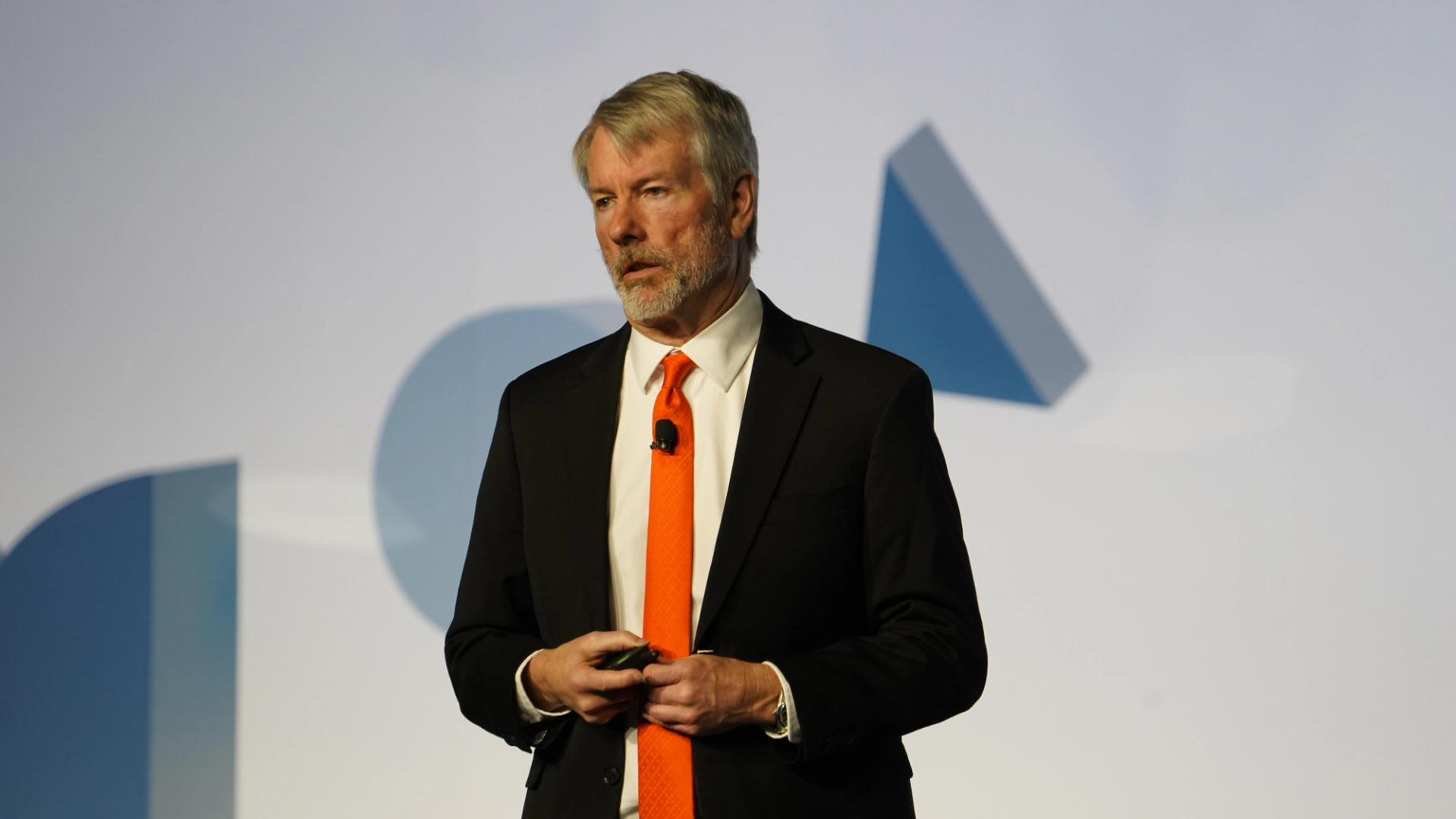
Michael Saylor's Strategy now holds roughly 76% of all bitcoin held by treasury companies, according to CryptoQuant data.
The numbers confirm what Galaxy Digital warned about last summer. In a July report, Galaxy argued that the digital asset treasury company model was fundamentally a liquidity derivative that worked only as long as equities traded at a premium to their underlying bitcoin holdings.
Once those premiums compressed, the flywheel would reverse: lower prices would shrink net asset values, squeeze out the equity premium, and make share issuance dilutive rather than accretive.
That scenario has played out almost exactly as described.
In July and August of 2025, the DATCO summer when these companies were accumulating, BTC was trading north of $110,000. Now, it's trading under $70,000, according to CoinDesk market data, as it slowly recovers from the crash of October 10.
Companies that bought aggressively near the cycle top, including Metaplanet and Nakamoto Holdings, carried average costs above $107,000 as of December, according to Galaxy's analysis, putting them deep underwater at current prices.
Strategy has moved to insulate itself, disclosing in December a $1.44 Billion cash reserve with the goal to eventually build this up to a point to cover 24 months of dividend and interest obligations.
That defensive posture has not slowed its buying. But the CryptoQuant data makes clear that no other firm is keeping pace, and most have stopped trying.
The result is a far more concentrated demand profile than the market was promised.
At Bitcoin Asia in Hong Kong last summer, treasury firms pitched themselves as a scalable new class of corporate buyers that could absorb bitcoin supply and outperform passive exposure.
For now, that vision has narrowed to a single balance sheet.
免责声明:本文章仅代表作者个人观点,不代表本平台的立场和观点。本文章仅供信息分享,不构成对任何人的任何投资建议。用户与作者之间的任何争议,与本平台无关。如网页中刊载的文章或图片涉及侵权,请提供相关的权利证明和身份证明发送邮件到support@aicoin.com,本平台相关工作人员将会进行核查。


