Translated by: Block unicorn
This week, Stripe launched MPP (Machine Payment Protocol) alongside the Tempo Mainnet as its flagship version.
If you are not familiar, Tempo is a payment optimization L1 EVM chain composed of former Paradigm employees and Ethereum core developers. MPP is an open protocol based on HTTP for proxy payments to machines, re-enabling the long-dormant HTTP 402 status code, similar to x402, though with a different architectural concept.
The core trade-off between these two protocols is straightforward: x402 prioritizes openness, while MPP offers better integration with existing payment channels at the cost of sacrificing the stickiness of Stripe's ecosystem.
Rather than continuing to discuss these nuances, let's focus on another layer. I think it is not very meaningful to discuss the technical merits of MPP versus x402 at this stage. Beneath the surface, there is a more interesting and impactful dynamic: Coinbase and Stripe may be competing with a third company that has already gained a foothold and occupies a favorable position for partnerships, and this company's support could significantly impact which standard ultimately dominates.
Web Scraping Breaks Old Patterns
But before delving deeper, we need to reiterate one of the core issues that proxy payments address: proxies have made web scraping (the process of extracting data from websites) too easy.
From 2024 to 2025, Wikipedia's traffic grew by 50% for this reason, overwhelming its servers and leading to skyrocketing costs. At least 65% of resource-intensive requests came from bots. In February 2025, bots sent millions of requests daily to the image library DiscoverLife, causing the site to become so slow it was unusable. In August of the same year, cloud service provider Fastly reported that one bot was attacking a website at a rate of 39,000 requests per minute. The Directory of Open Access Journals (DOAJ) reported similar effects, stating this wave of web scrapers was "functionally equivalent to a denial-of-service attack." One day in November 2025, its traffic surged by 968% compared to the same period the previous year.
Despite the implementation of measures such as adding robots.txt files (essentially rules that dictate which content bots can access and which they cannot), over 13% of scraper programs have bypassed these rules. They have overloaded servers and stressed websites, many of which rely on donations. Commercial websites have not been spared either. Reddit tightened its rate limits. Eight of the top ten news websites now block trained bots. Across the wider internet, 71% of top publishers completely block scraping bots.
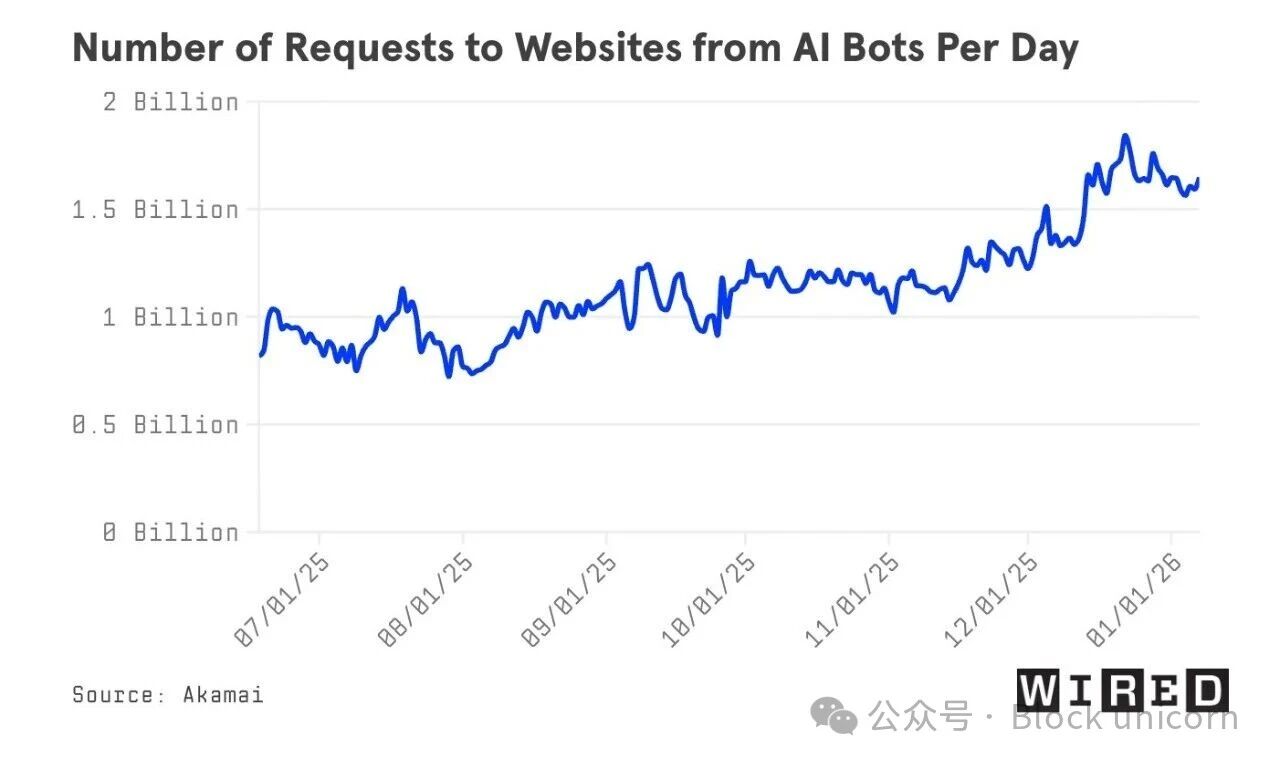
However, the internet hasn't entirely tightened restrictions. Websites offering costly or time-sensitive data (like prices, hotel bookings, professional datasets) have begun charging for access. Daily or low-value content can still be scraped for free through caching or proxies. Web scraping has not disappeared; instead, it has diversified into free and paid forms. This is precisely where the necessity for the x402 and MPP protocols lies.
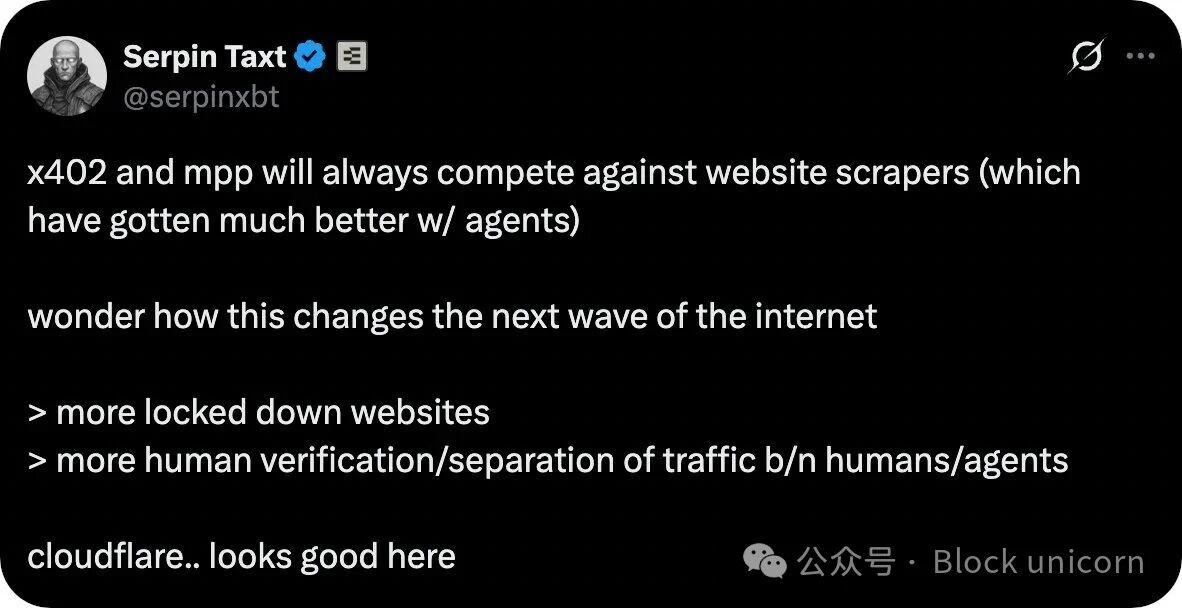
As Serpin, founder of Ethos Network, pointed out this week: "This dynamic of web scraping means that the internet will change… websites will become more closed, requiring more human verification, and the flow of user traffic and proxy traffic will be more isolated."
Cloudflare comes into play.
Cloudflare in the Middle
Cloudflare is the bridge between websites and visitors. It protects websites from attacks, speeds up loading times, and handles traffic at scale. About 20% of websites use it, making it one of the most crucial bottlenecks on the internet. Decisions made by Cloudflare on how traffic is handled affect one-fifth of internet users.
This also means that Cloudflare can directly feel the surge in bot traffic and the pressure from web scraping on public (and private) internet—they are building solutions to address this pressure.
First, they launched a feature that allows websites to block all bots. Then, last year, they introduced a pay-per-scrape service that enables websites to charge AI bots small fees for scraping their pages instead of blocking them outright. When a bot accesses a page, it either pays for access or receives a 402 "Payment Required" response containing pricing information (does that sound familiar?). Billing is handled by Cloudflare. This exists in between "complete blocking" and "free access."
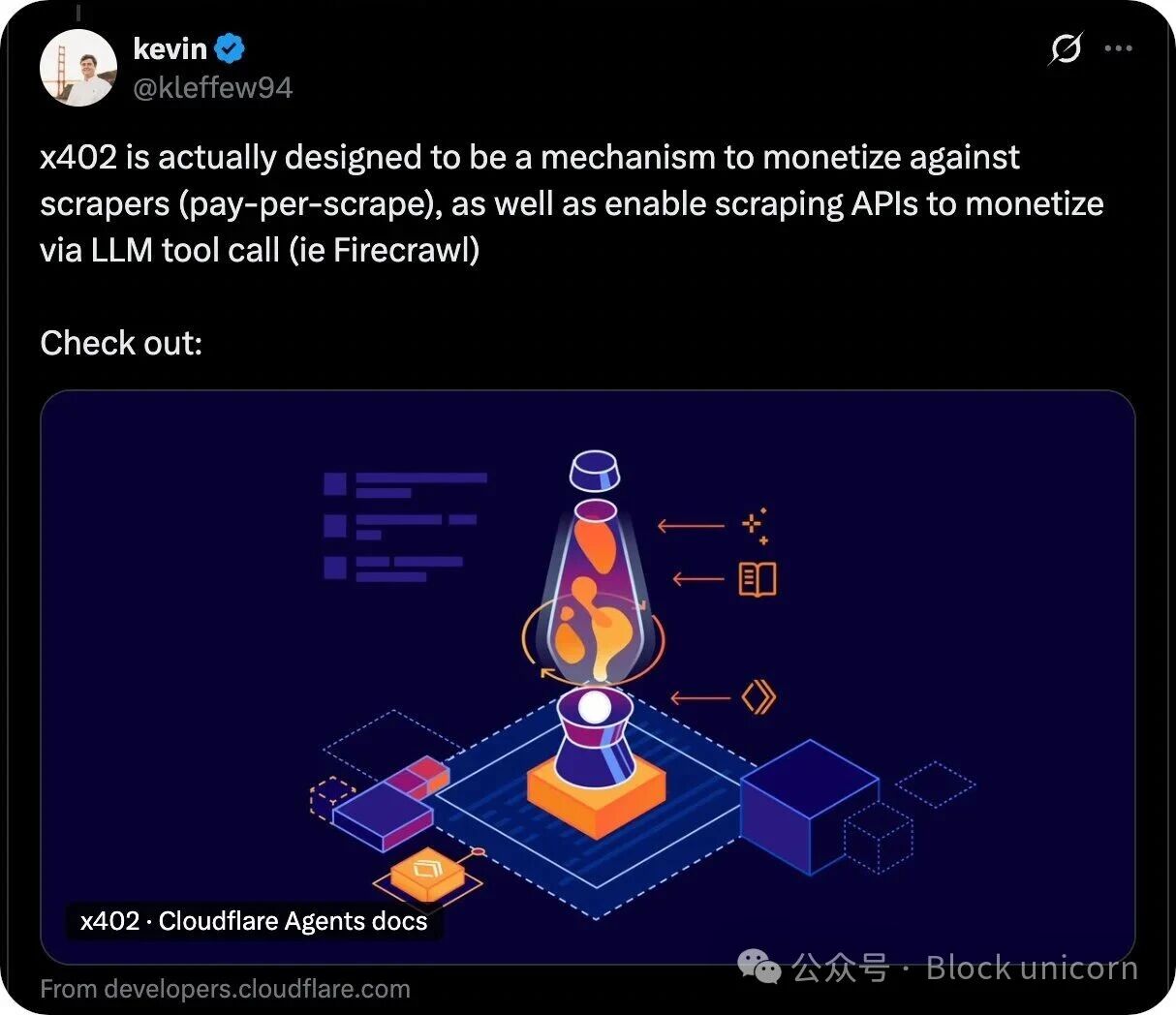
The pay-per-scrape service launched in July. In September, Cloudflare partnered with Coinbase to launch the x402 Foundation. A few days later, they released NET Dollar, a stablecoin for proxy payments.
In other words, Cloudflare builds up the walls while also opening windows. They provide both blocking tools and paid access tools. They decide which content is shut out and which content is allowed in—and under what conditions access is granted. It is this position that makes their next decision crucial.

NET Dollar is the Real Signal
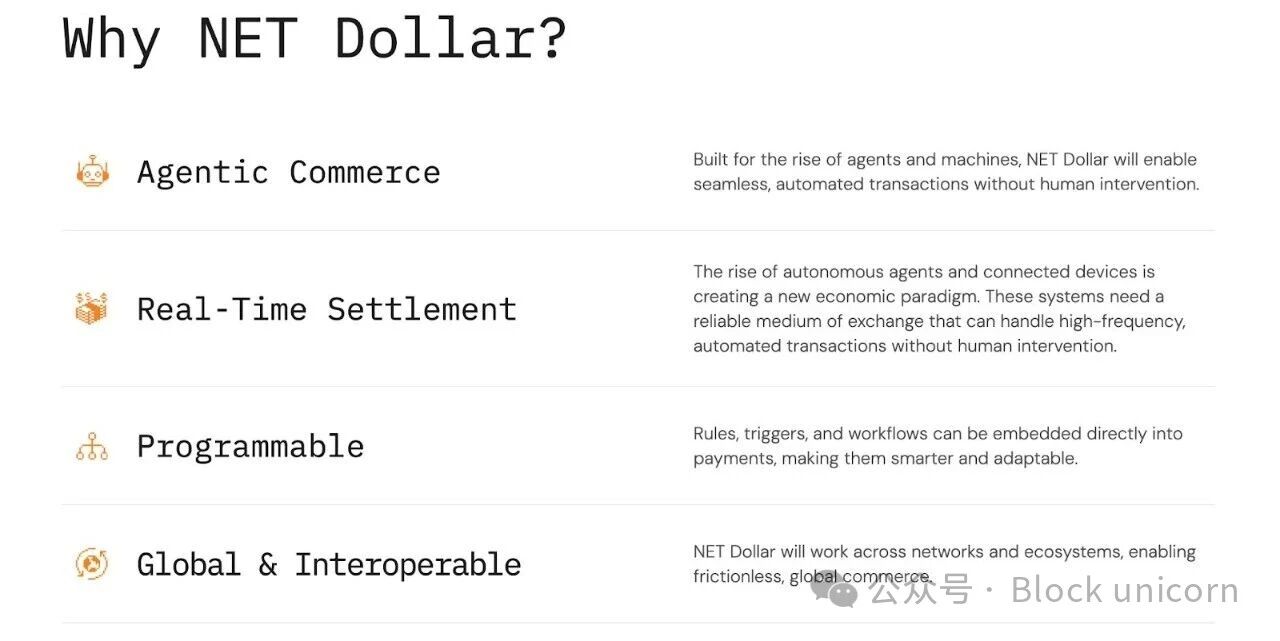
When Cloudflare announced NET Dollar, they did not specify the issuer.
Although its x402 Foundation partner Coinbase publicly launched a brand stablecoin issuance service for enterprises last December, Cloudflare still has not disclosed the issuer.
Then, this week, Cloudflare's stock price rose in response to a report from The Information that further clarified the dynamic we have been discussing. The report specifically noted that who will help Cloudflare launch NET Dollar remains an open question, with "companies like Coinbase and ZeroHash" in competition. Such wording also leaves room for other companies, like Stripe.
Moreover, after MPP was released last Wednesday, Cloudflare immediately launched an MPP proxy to be compatible with that standard. This is not surprising—MPP also supports x402 payments, so it is not a completely independent standard. However, they have yet to formally determine the stablecoin issuer, and the company that co-founded the x402 Foundation with them is just one of many bidders, which undoubtedly raises questions.
This is important because NET Dollar will be designed as the default currency for pay-per-scrape and other Cloudflare paid services. Whoever issues this protocol will have their standard prioritized within Cloudflare’s tech stack. If Coinbase issues NET Dollar, Cloudflare has reason to continue building infrastructure around x402. If Stripe issues, MPP would benefit. Given that Cloudflare manages one-fifth of web traffic and is building infrastructure to intercept and monetize bot traffic, this priority will determine the default protocol in quite a significant portion of the internet.
In comparison to the battle between x402 and MPP, who Cloudflare decides to partner with in this co-development is what truly matters. That is the real question at stake.
免责声明:本文章仅代表作者个人观点,不代表本平台的立场和观点。本文章仅供信息分享,不构成对任何人的任何投资建议。用户与作者之间的任何争议,与本平台无关。如网页中刊载的文章或图片涉及侵权,请提供相关的权利证明和身份证明发送邮件到support@aicoin.com,本平台相关工作人员将会进行核查。


