Author: danny
A friend asked me why it seems like I know about almost everything or in every field? Apart from some past experiences or things I am currently doing, many times, I am actually learning on the fly. Today, I will share with everyone how I use AI tools and Notebooklm to embark on a self-learning journey like an ordinary person.
First of all, I want to say that this article is targeted at systematic and structured learning and understanding of a specific field/thing/concept, and building one's own knowledge system and map. If you just need to get a slight understanding of some concepts and know what xx is, then asking mainstream AI available on the market might be sufficient.
Currently, there are several bottlenecks and limitations to using AI to learn and understand a new thing:
The first is hallucination; AI (most likely) will give you some fabricated data and information, especially in niche areas, due to insufficient corpora and learning materials;
The second is the lack of detail; due to copyright and other issues, AI will not read through entire articles or books on its own; training materials are generally other people’s reviews and comments, and especially for niche topics, such information is particularly scarce;
The third is the inability to accurately describe issues; assuming you have not previously encountered this topic, you would probably struggle to describe the questions you want to understand, and you wouldn’t know the causes and effects of these issues, not to mention collecting data systematically and forming a structured learning framework.
Theoretical Part
My approach is quite simple: using the academic "citation (quote/reference/impact factor) network" to refine information, then using AI to provide evidence and divergent thinking to engage in a "mutual combat" of left and right brain to structurally understand a new thing.
Streamlined Workflow:
Find valuable papers - input into Notebooklm - use AI tools to generate prompts - engage in Q&A learning in Notebooklm - supplement valuable papers into Notebooklm - learn in Notebooklm - repeat this process
Complex Workflow:
Step One: Follow the clues (Time: 0.25 hours)
Don't search for "what is XX, what is the principle of this," but directly look for the "anchor" in that field.
Call AI (Gemini / Perplexity): directly ask: "In the [certain niche field], who are the three recognized leading figures? What are the 1-3 highly cited classic works that laid the foundation for this field?" (For example, in the LLM field, focus on Attention Is All You Need and other literatures). Represents "this life"
Download the primary literature: extract the references of these 1-3 core articles and download all the core works they have cited. Represents the "past life."
Refine high-frequency secondary literature: cross-reference the references in the primary literature to identify the top 10 most cited and the top 5 most frequently appearing articles. This represents the "later."
Core Logic: Looking at the world through the eyes of masters is the lowest-cost shortcut. Don't underestimate this step; what you're downloading is the core evolution map of thoughts in this field over decades.
Step Two: Build a Structured Knowledge Base (Time: 0.25 hours)
Upload all the classic literature filtered in the first step to Google NotebookLM at once.
Generally speaking, as long as they are classic articles, these two are enough:https://scholar.google.com/ or https://arxiv.org/
Why NotebookLM? Because it never generates hallucinations. It only answers questions based on the materials you provide.
Through stringent literature screening, you have artificially cut off the garbage information on the internet and established a pure and highly focused knowledge base for this field.
Step Three: Left and Right Brain Combat Between Different AIs (Time: 1-3.5 hours)
This is the core of the entire workflow. You let different AI with distinct characteristics cross-question each other within your knowledge base, forming a structured knowledge path and logical reasoning, ultimately resulting in your own insights.
Ask active questions instead of passive learning. Active questioning (interest) promotes brain thinking.
Finding anchor points: Ask Claude, Deepseek, Gemini, or Perplexity, "What are the current core contentious issues and underlying theoretical frameworks in the xx field?"
Closing the loop: With these core controversies in hand, return to NotebookLM and ask, "Based on the literature I've uploaded, how do the masters answer these core controversies? Please provide specific literature sources and reasoning logic."
Dimensional reduction review: Copy the rigorous answers generated by NotebookLM and send them back to Gemini or Claude, which are capable of strong logical analysis. Give the command: "Please critically evaluate these viewpoints and point out any logical flaws, limitations of time, or blind spots. Based on this, what three deeper questions should I continue to pursue?"
Cognitive spiral rise: Take the flaws and new questions identified by AI and return once again to NotebookLM for answers.
Practical Operation
Let me give an example using "What exactly are LLMs (large language models)?"
Step One: Follow the clues (Time: 0.25 hours)
I simultaneously asked Gemini and Claude - hey, you did this, and here are the answers they provided:
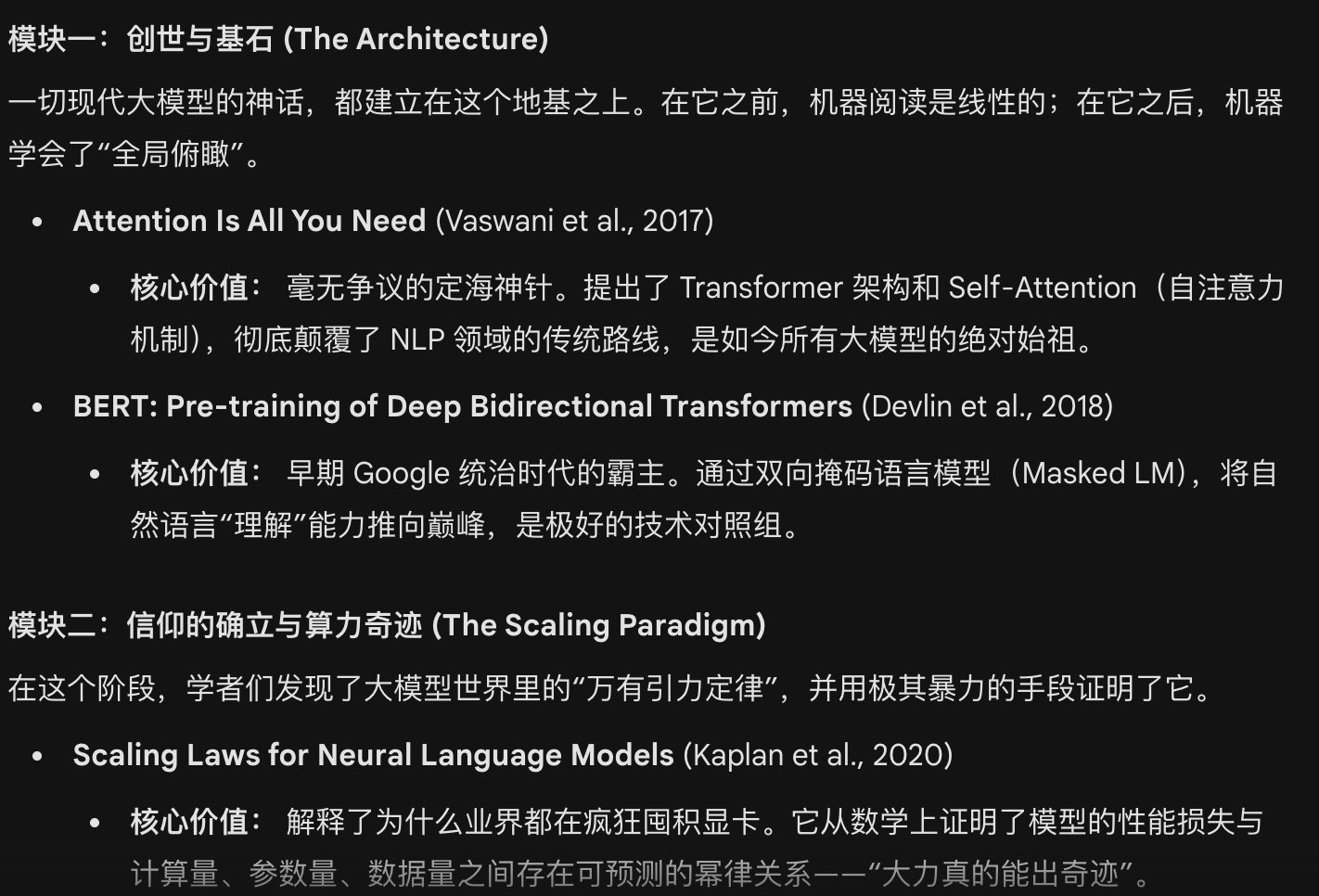
gemini
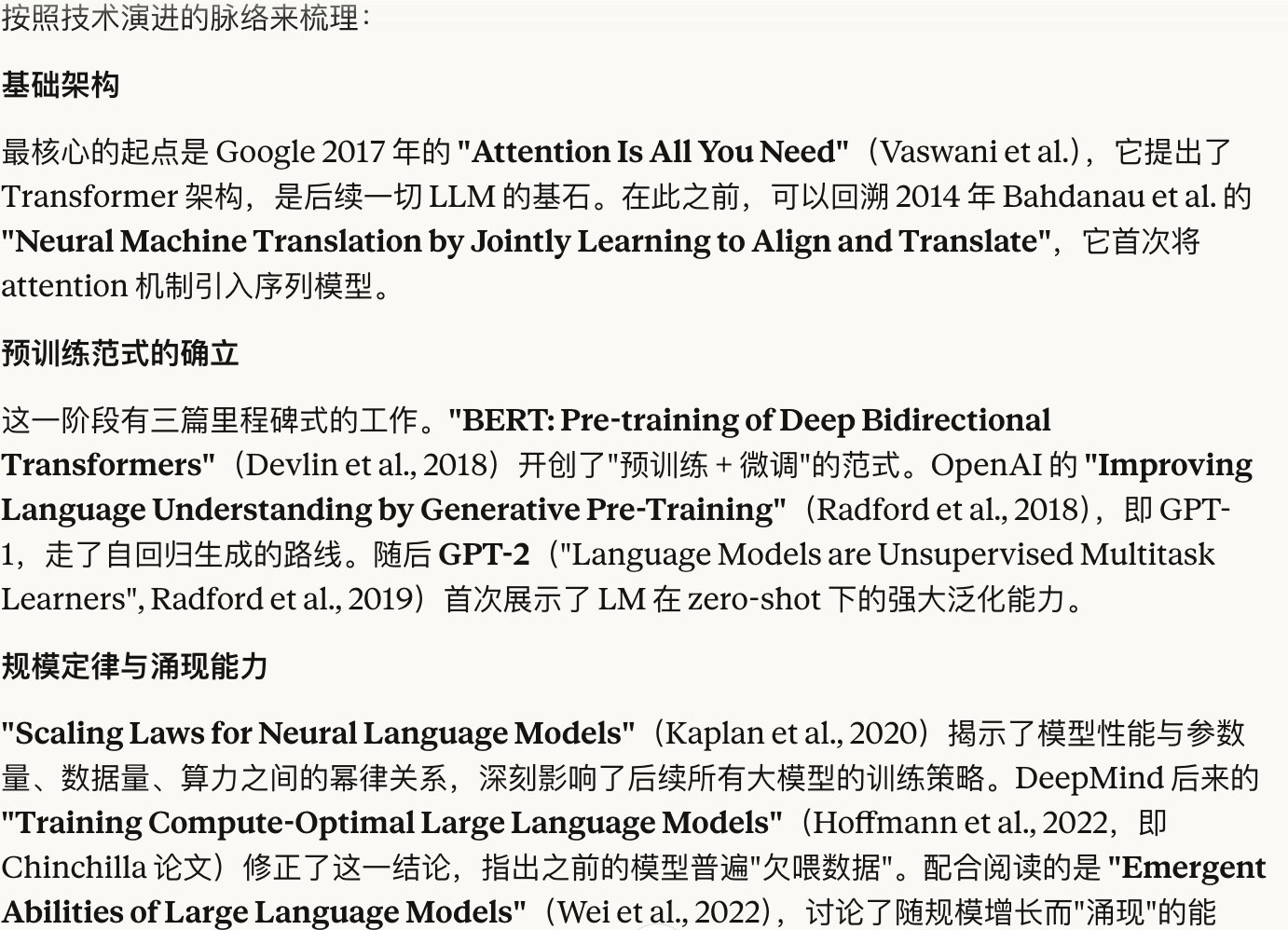
claude
Then you suddenly remember that your middle school teacher said that scientific theories must connect the past, present, and future, having a predecessor, a current form, and later developments. So you ask AI to help you research what papers these core articles have referenced (typically found in "literature reviews") and what articles have cited the core articles afterward, letting AI filter that for you.
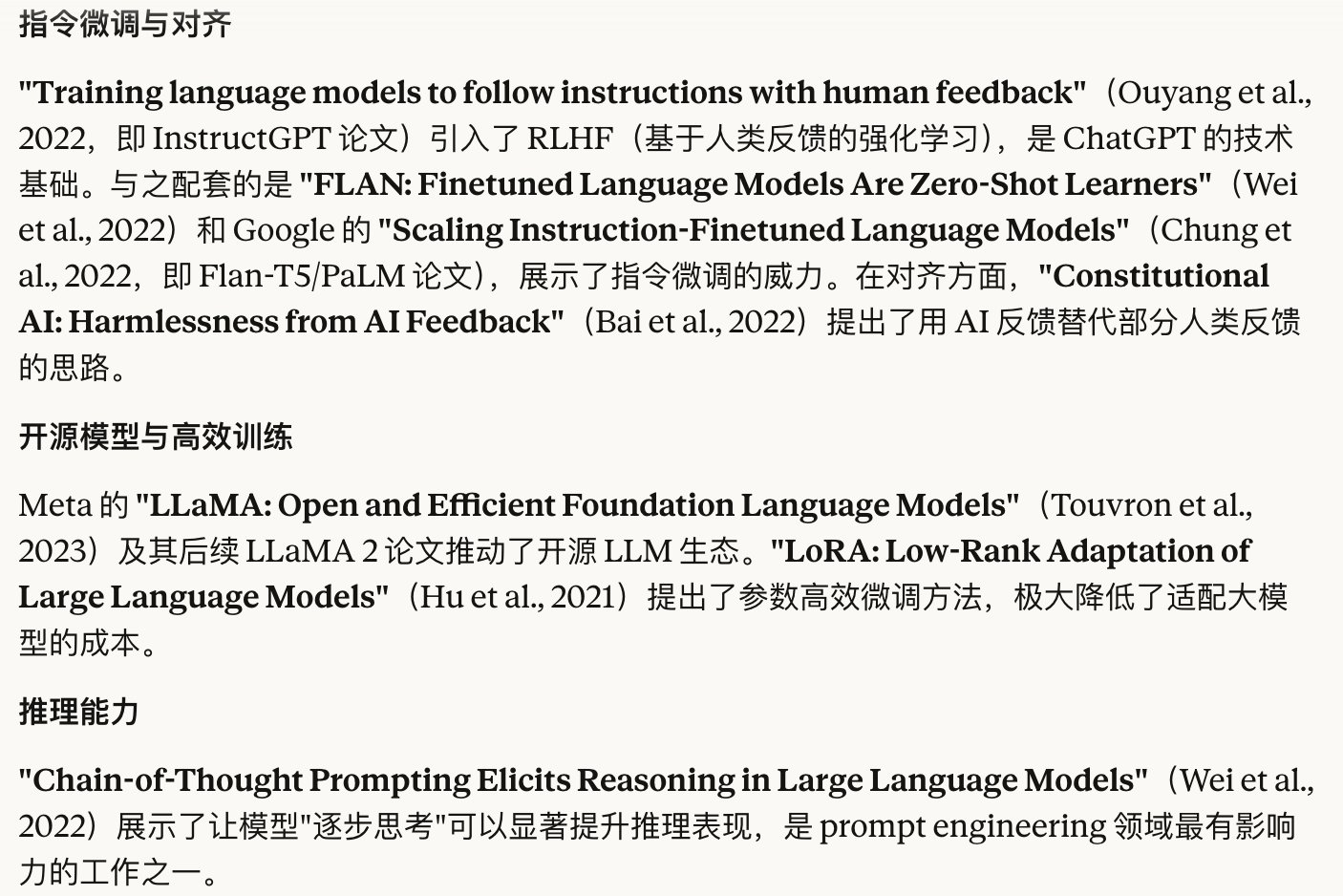
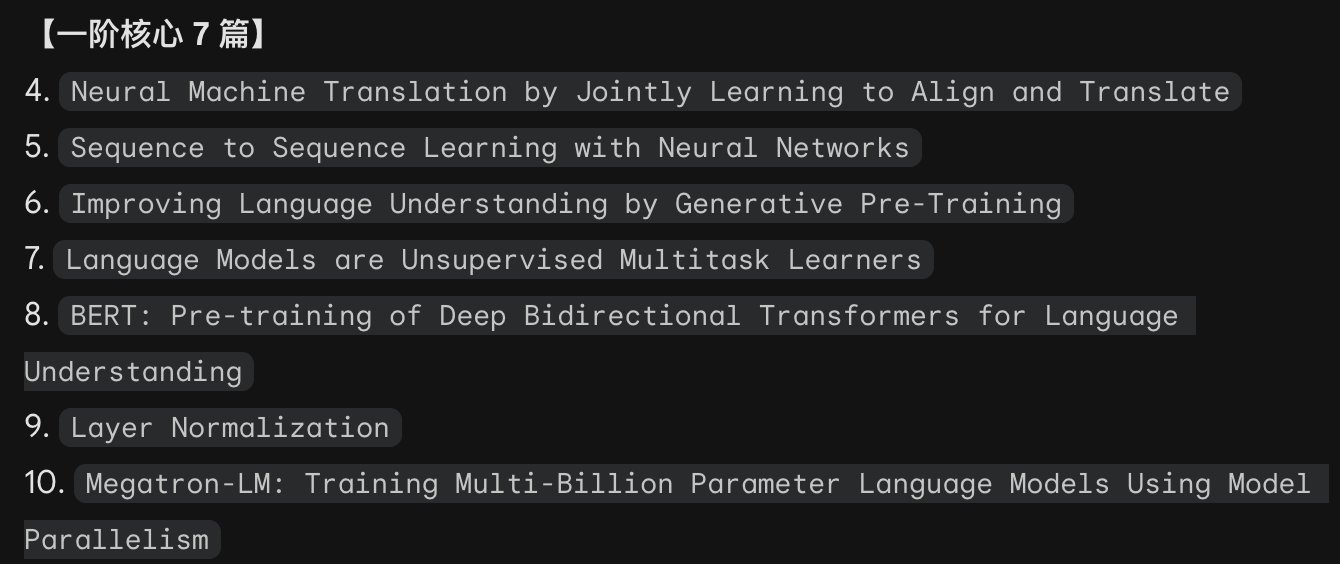
Step Two: Build a Structured Knowledge Base
Due to some original LLM characteristics and AI permissions issues, we need to manually download (or you can have your assistant do it).

Generally speaking, https://scholar.google.com/ and https://arxiv.org/ are completely sufficient.
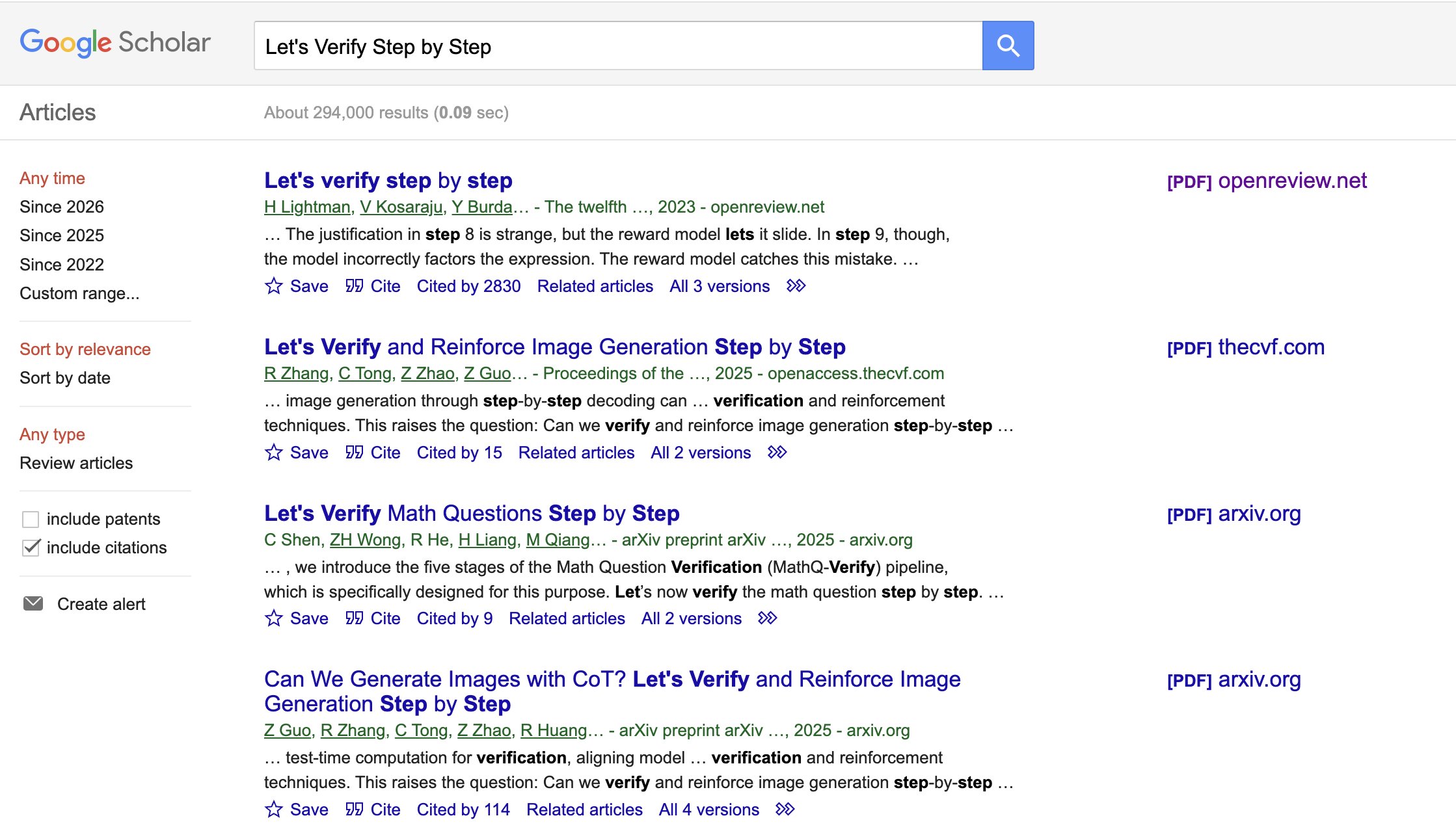
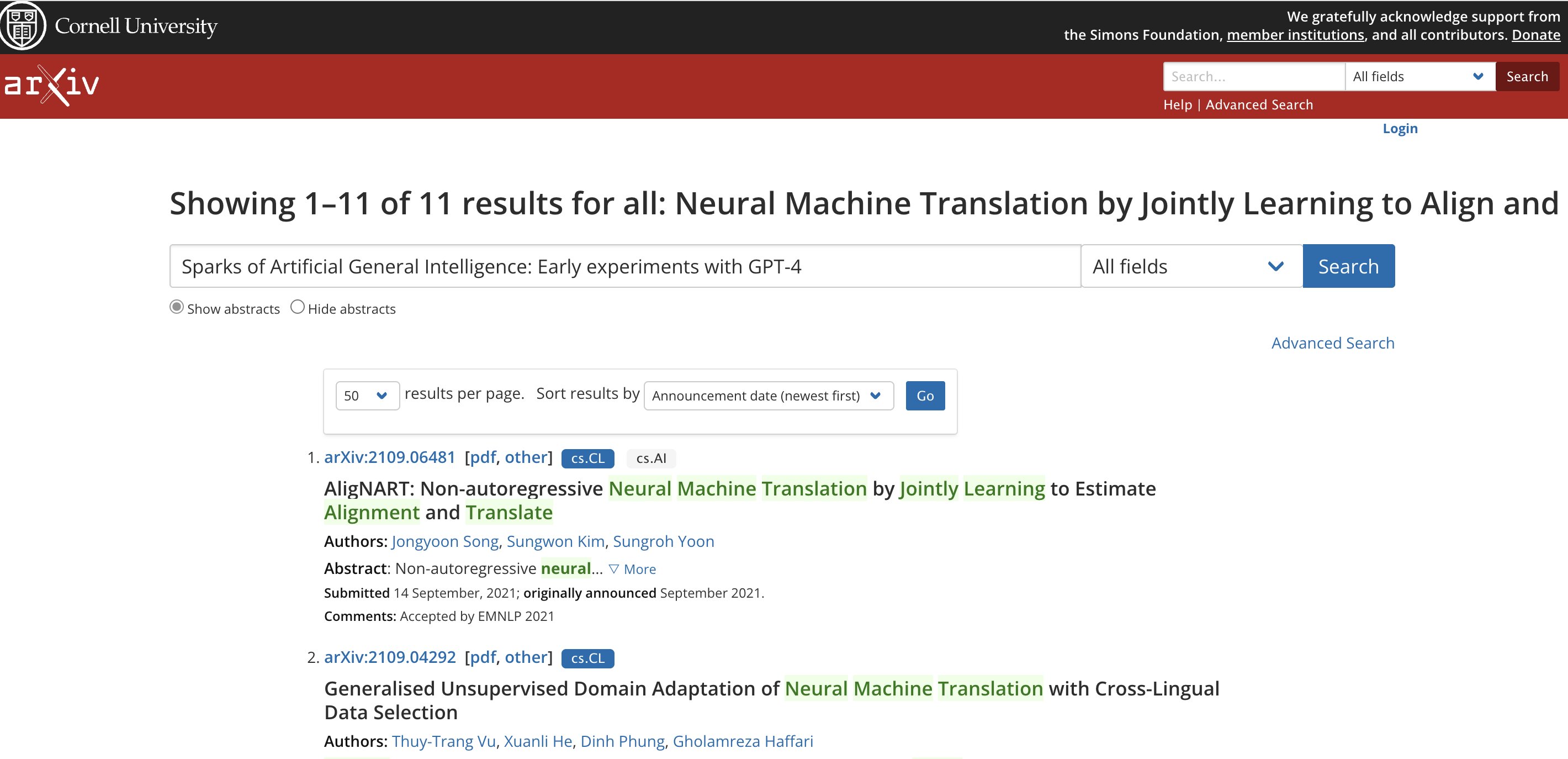
After downloading, you put it into Notebooklm (currently one library supports about 300 articles).
Step Three: Left and Right Brain Combat Between Different AIs
You can first ask some relatively simple, intuitive questions in Notebooklm, then discuss and explore your understanding with other AIs, and afterward send the conclusions back to Notebooklm for it to refute, argue, supplement, and correct.
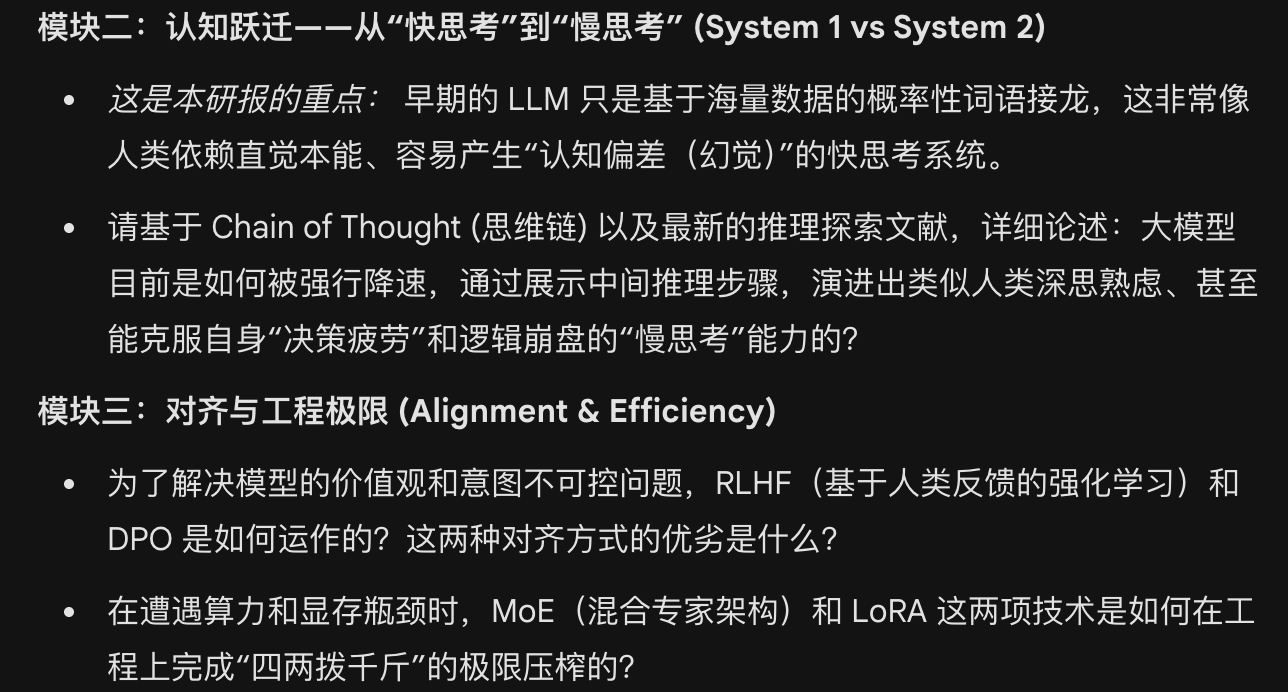
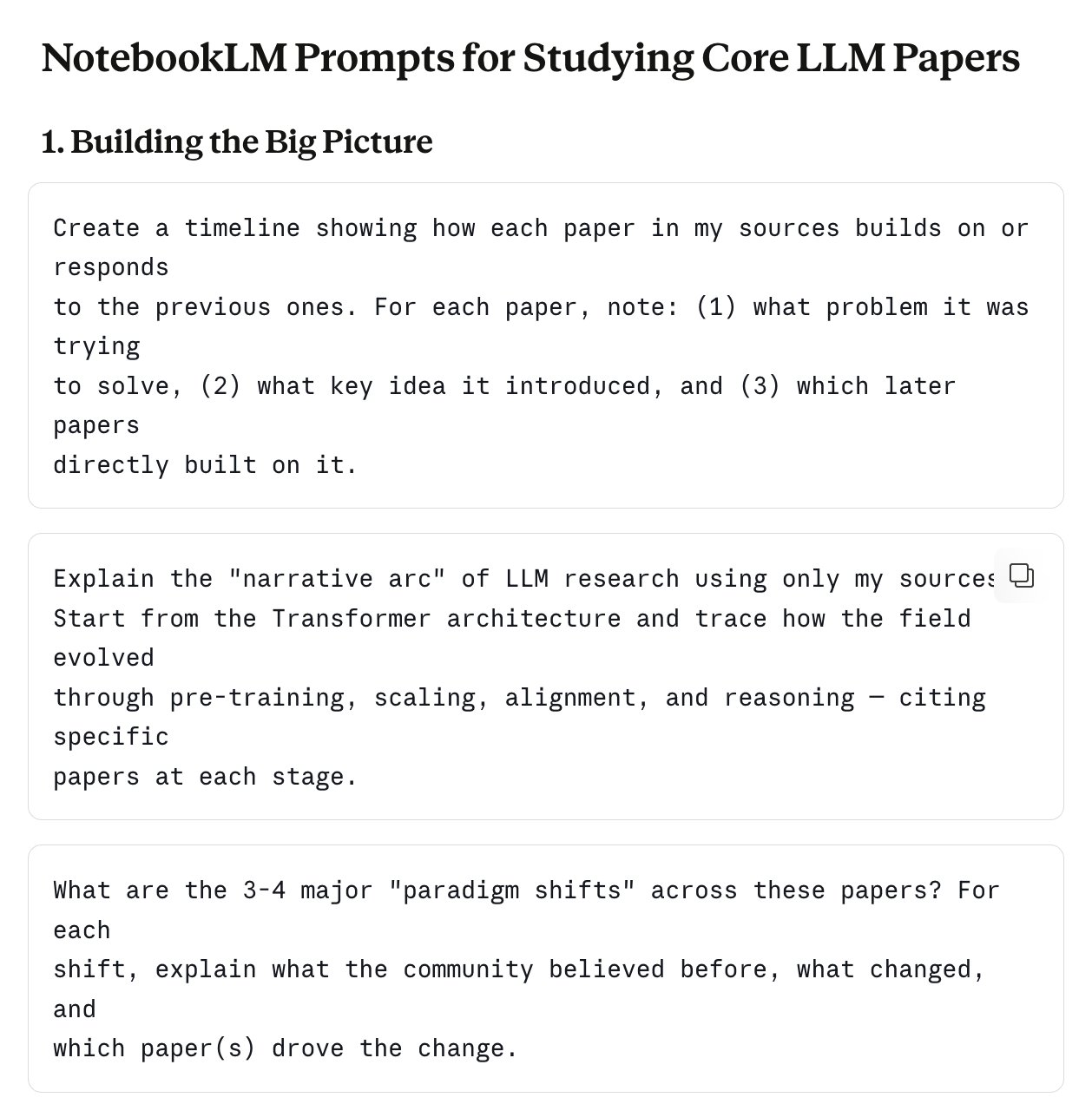
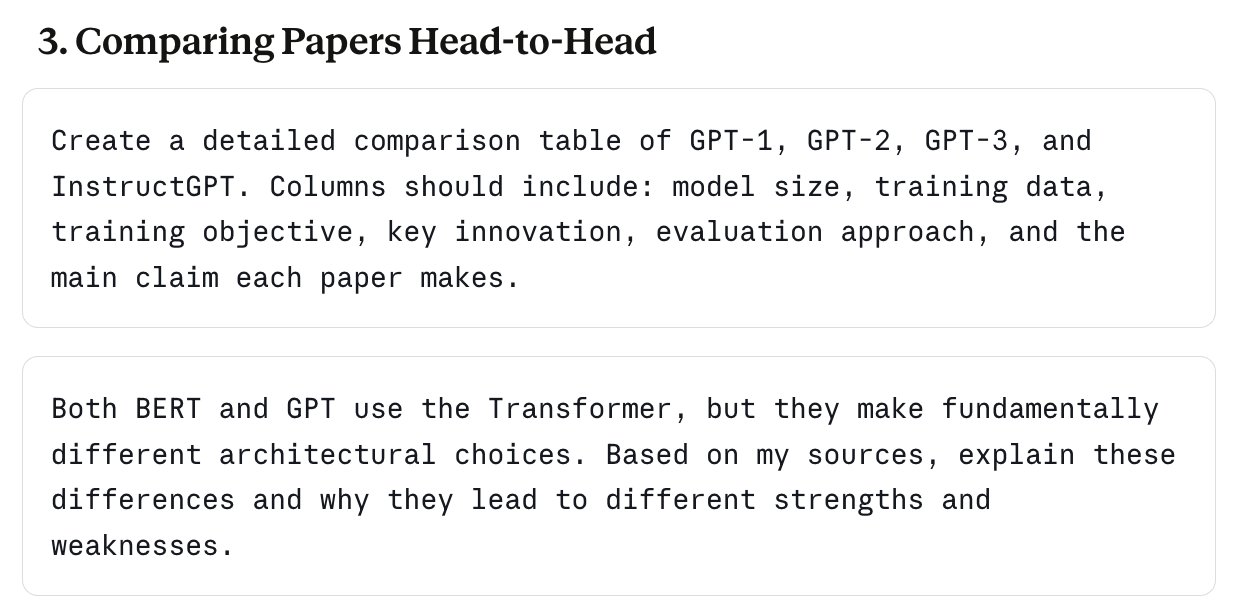
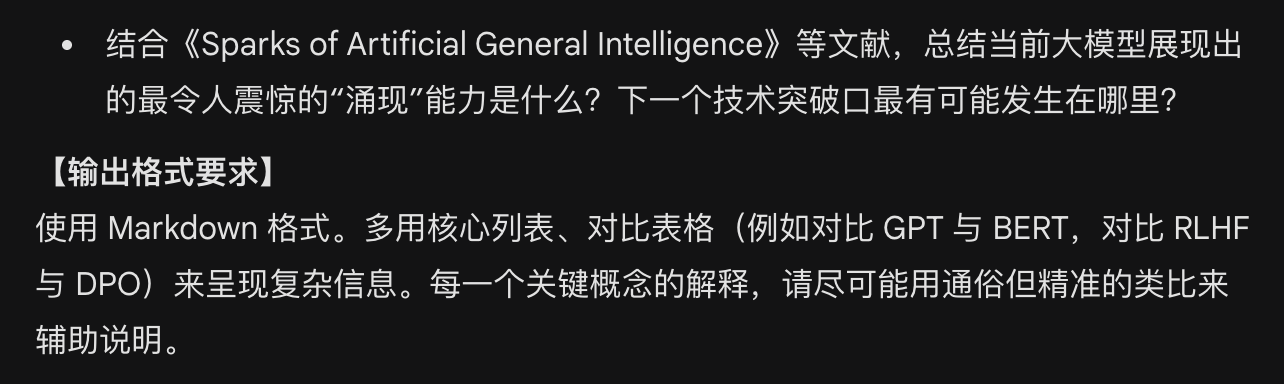
Answers and annotations from Notebooklm:
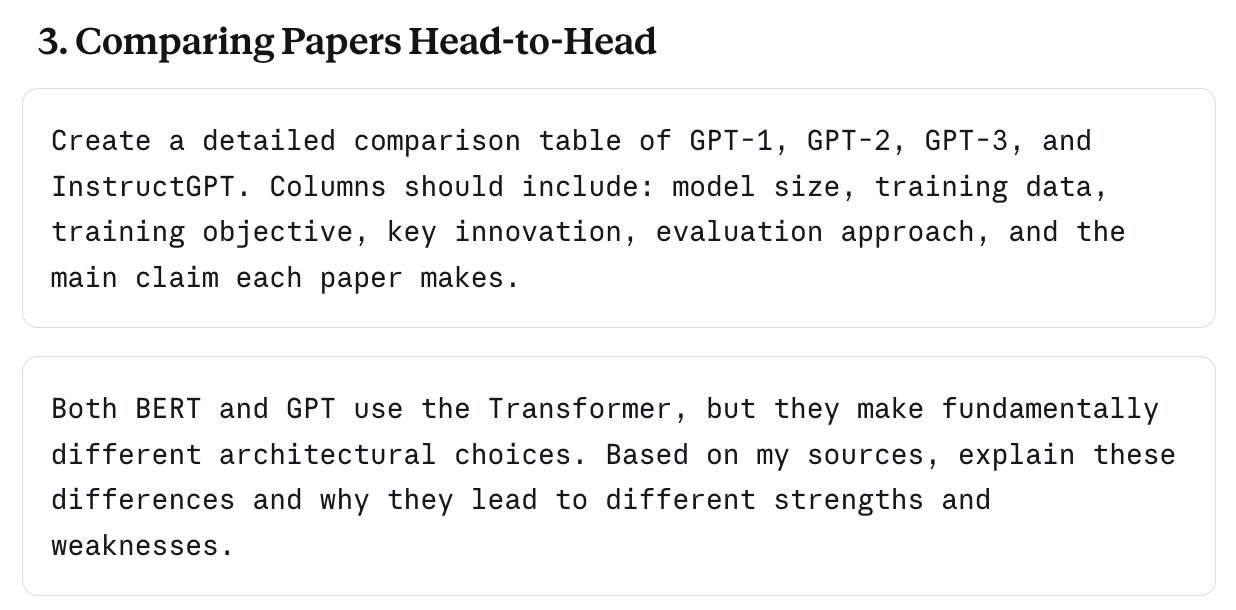
Repeat this several times, until you can organize your own mind map.
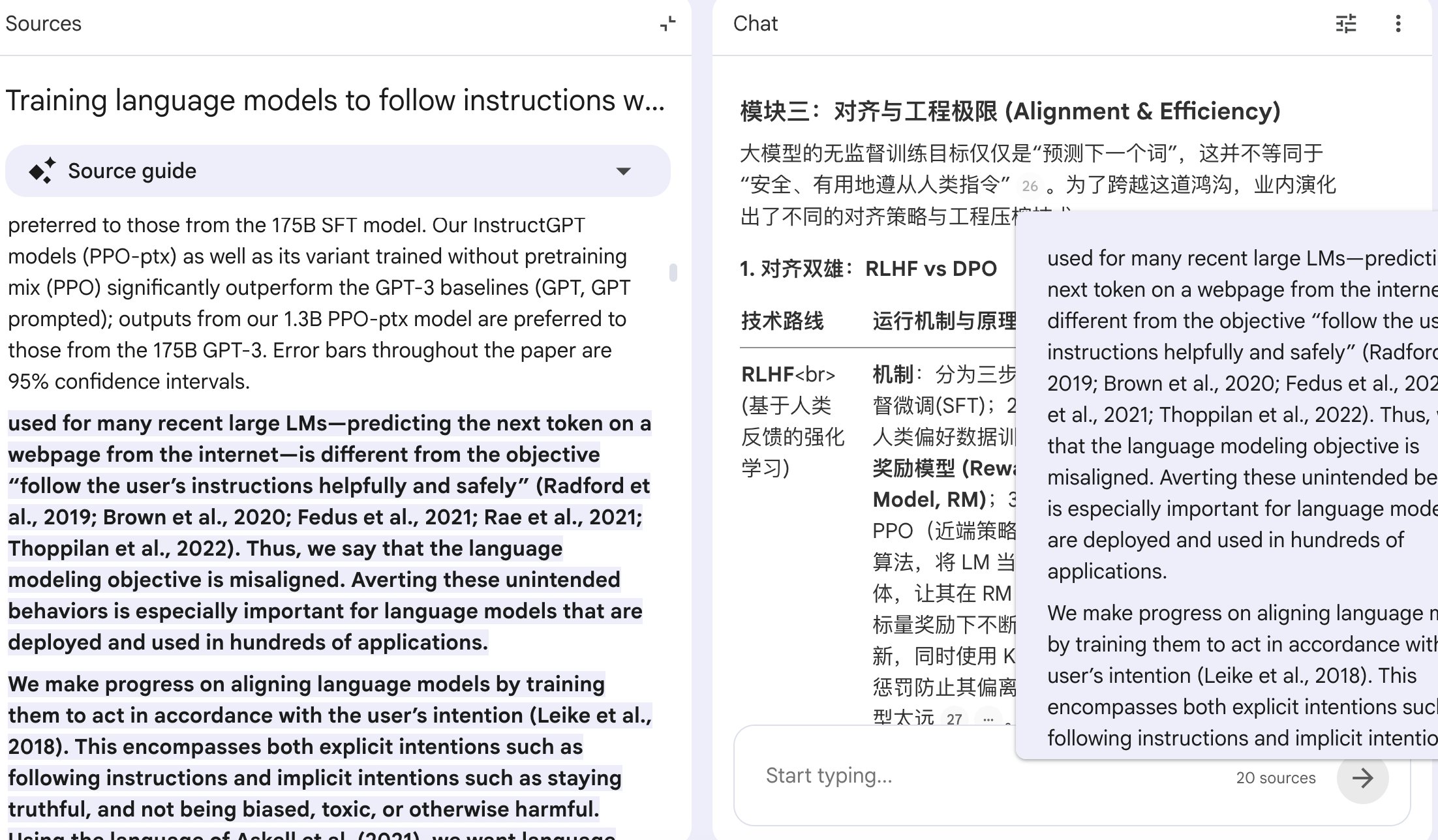
Then, if you want to be hardcore, have Notebooklm give you a test to check your understanding.
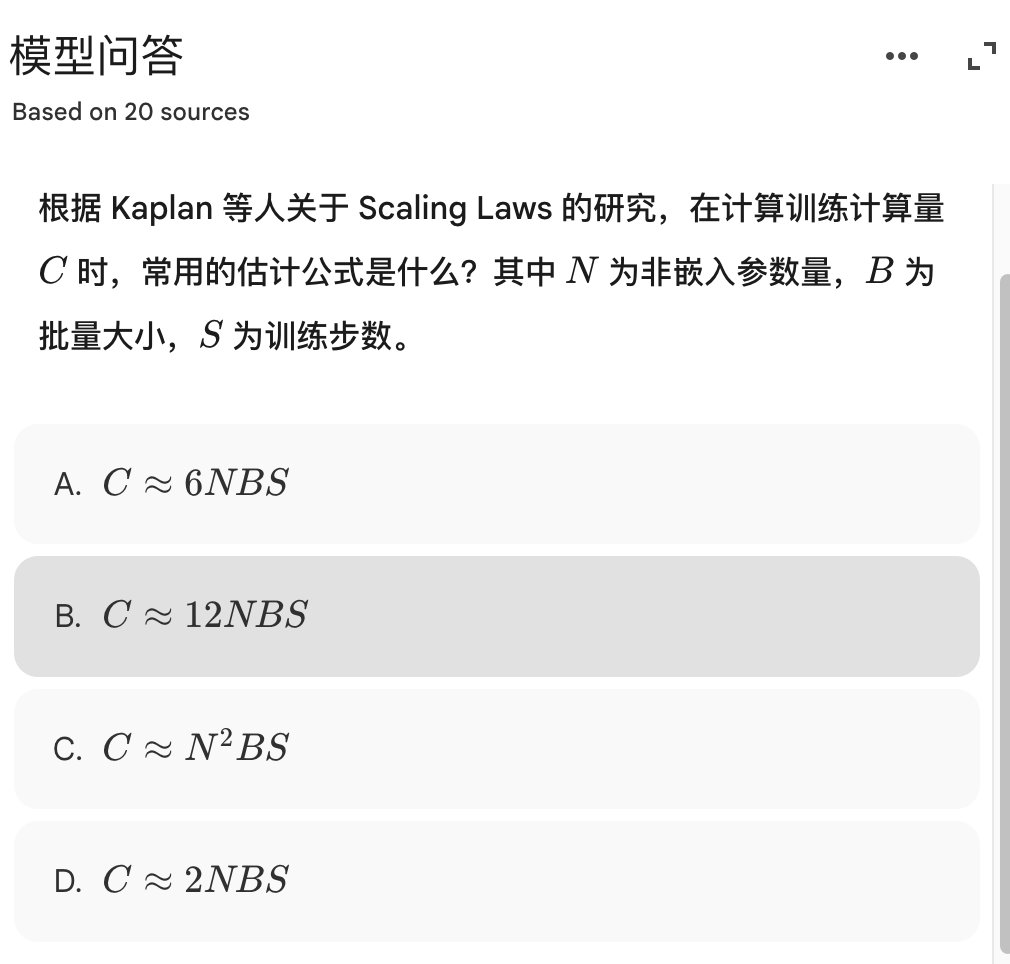
By now, you have a certain understanding of this field (at least knowing its past, present, and later developments, so that when others ask you, you can talk for another 5 minutes~).
Postscript
Keep your "knowledge base" saved (and update it in real-time, you can let your assistant handle it), create a separate folder - for example, I compiled an anthology of theoretical articles related to "contract trading." When there's a need to analyze something, you just pull out this folder and describe the data and cases, allowing for basically a "no hallucination" analysis.
It’s not that current AI models can’t perform deep thinking and analysis; rather, it’s that you haven’t used the right tools.
Using AI is a skill, but how to let AI make humans stronger is another ability. Using AI is one ability, how to let AI make humans stronger is another ability.
免责声明:本文章仅代表作者个人观点,不代表本平台的立场和观点。本文章仅供信息分享,不构成对任何人的任何投资建议。用户与作者之间的任何争议,与本平台无关。如网页中刊载的文章或图片涉及侵权,请提供相关的权利证明和身份证明发送邮件到support@aicoin.com,本平台相关工作人员将会进行核查。


