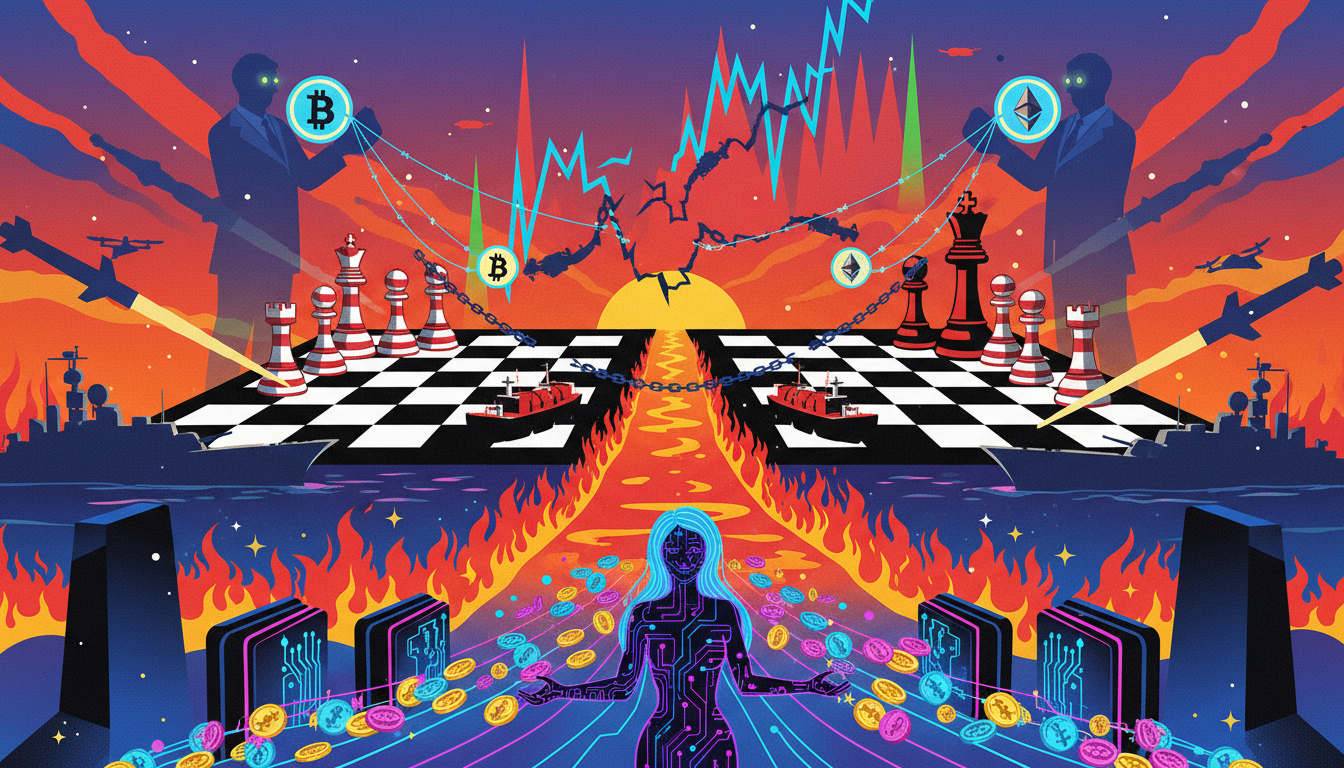
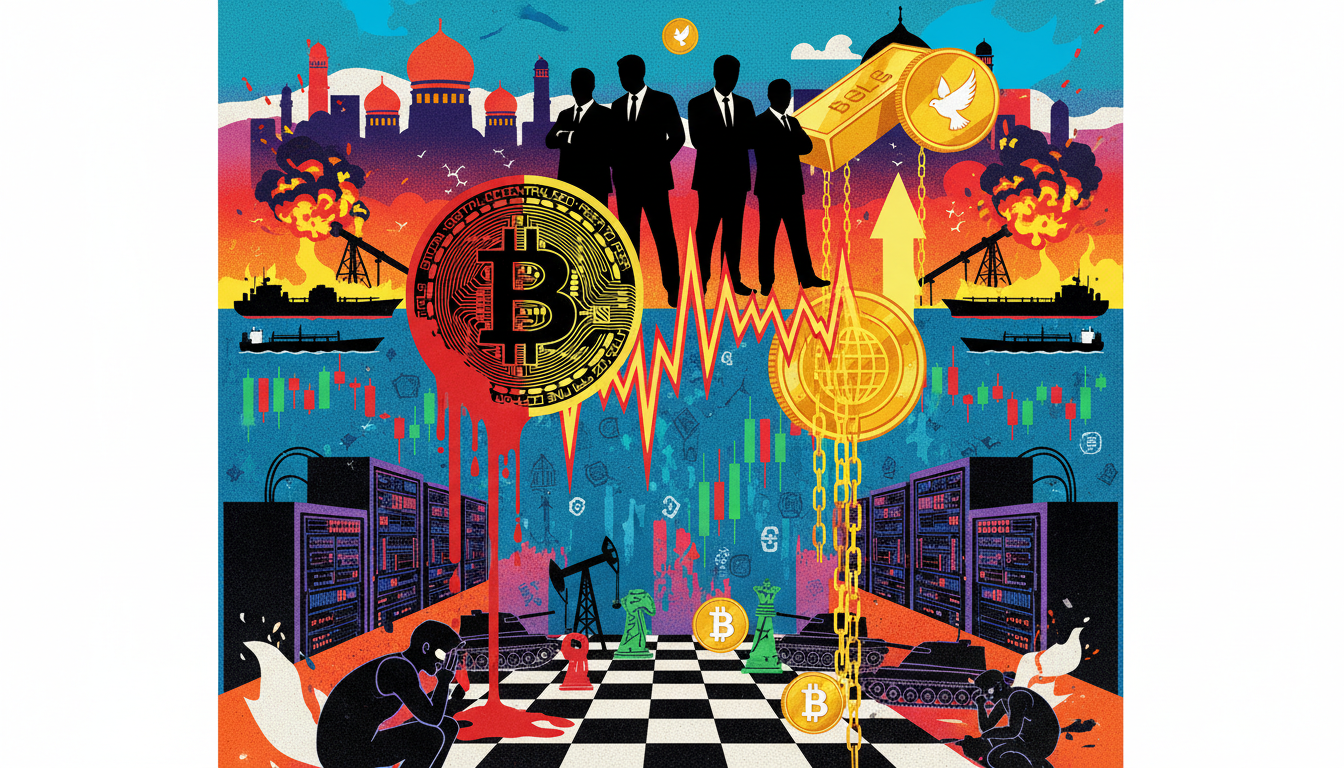
During the three days from March 20 to 22 in East Eight Time Zone, the crypto market combined almost all extreme scenarios: on one side, a certain whale address withdrew 4.29 million USDT from the blockchain, buying in 2,012 ETH in batches during the decline; on the other side, “Brother Ma Ji” Huang Licheng's ETH long position was ruthlessly liquidated by the market, with a single loss reaching 30.22 million USDT. On the same timeline, Trump threw out threats to “strike and destroy all power plants in Iran,” tightly straining the situation in the Middle East, while Musk's xAI came to the topic center due to the “computer control of intelligent agent function switch” incident. Chain pressure selling, geopolitical tension, and new narratives around AI intertwined within 72 hours.
The contrast was quantified into an intuitive indicator: the Fear and Greed Index dropped to 10, sitting in the “extreme fear” zone. A large number of retail investors and high-leverage funds chose to liquidate their positions to escape volatility, while that whale went against the trend to buy, making the question of “who is closer to the truth” particularly glaring. This round of severe adjustment, is it due to a short-term emotional miscalculation leading to capital transfer, or the prologue to a new large-scale adjustment? The subsequent price and liquidation chain are providing answers.
Fear Index Drops to 10: 30 Million USD Liquidation and the Revenge of Unilateral Leverage
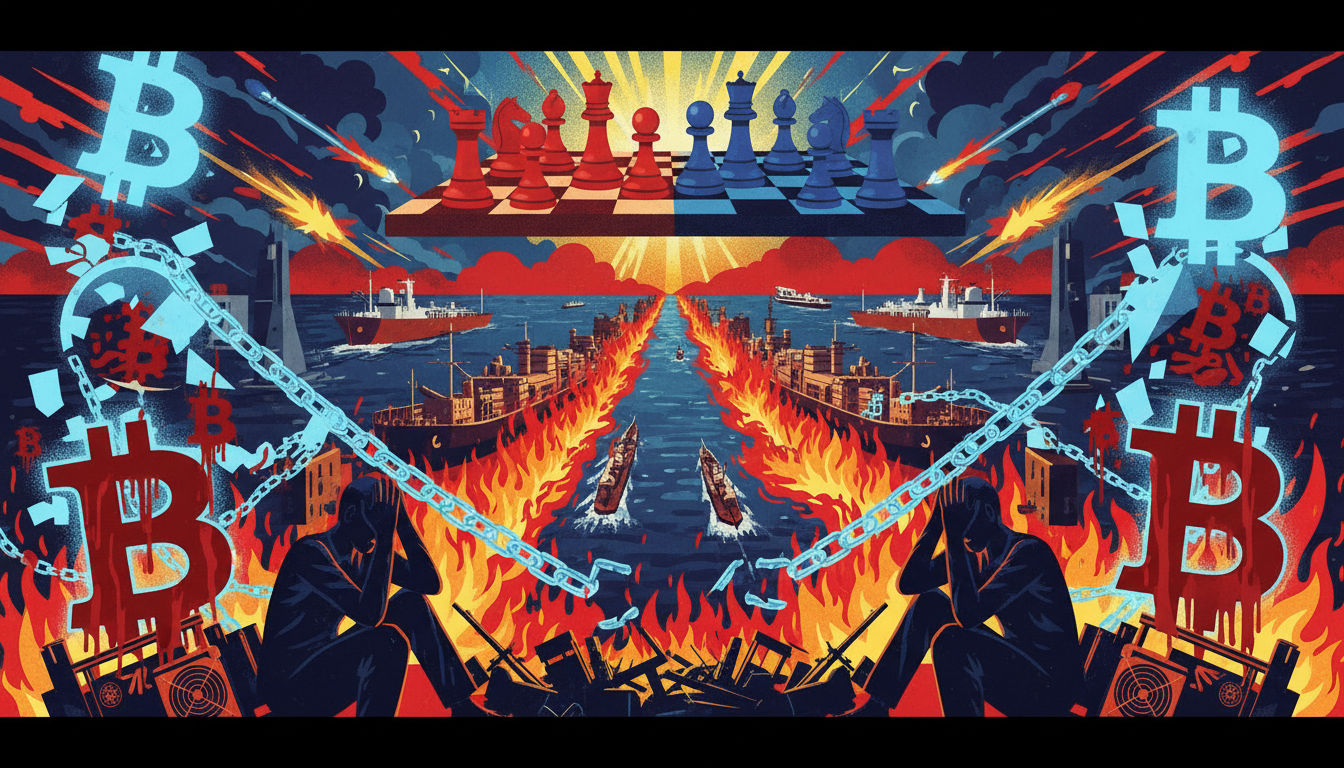
In mid-March, after ETH refreshed to around 3,700 USD, it immediately began a near “stampede-style” retreat, totaling a drop of approximately 15%, with the price once falling below key support, dragging down the entire network of contracts. Statistics show that during this round of declines, there were about 243 million USD in total contract liquidations across the network, of which long positions accounted for as much as 96%, nearly resembling a “collective liquidation” aimed at the consensus of unilateral bullishness.
Emotional turning points are often ignited by iconic events, and this time it was “Brother Ma Ji's” liquidation. As a highly visible player on social media, Huang Licheng’s ETH long position encountered full liquidation during this round of decline, with an estimated loss of about 30.22 million USD. This figure itself does not change the long-term value of ETH but amplified effects on the emotional level—many followers, upon seeing the liquidation screenshots and comparing unrealized losses, tended to interpret the price adjustment as “trend destruction” rather than the normal volatility range of a high-volatility asset.
The 96% long position liquidations reveal the leverage imbalance behind this round of declines: the market formed a highly consistent bullish expectation above 3,700 USD, with long leverage on contracts and loans continuously stacking. Once the price retreats, it triggers a cascade of forced liquidations. Those high-leverage longs that initially chose to “hang on a bit longer” often got swept out collectively after the price accelerated past critical levels, providing “fuel” for a rapid short-term decline.
When panic is quantified as a Fear and Greed Index of 10, the narrative of “extreme fear = trend reversal” began to spread on social media. For some participants, this was seen as “the last straw,” reinforcing decisions to close positions or reduce holdings; but for others with a longer-term perspective, it precisely meant that capital was shifting from short-term leveraged funds to patient capital—laying a logical foundation for the subsequent whale's counter-trend accumulation.
4.29 Million USDT Bottom Fishing 2,012 ETH: The Whale’s Time Dimension and Win Rate Logic
Just as the Fear Index dropped to an extreme range and social media was inundated with discussions of “liquidate to avoid declines,” an entirely opposite large operation appeared on-chain: a certain whale address extracted about 4.29 million USDT from a related address to buy 2,012 ETH within the volatile range of ETH. From the timestamp, this buying intensity did not attempt to “catch the bottom” but seemed more like collecting in batches after a significant price drop, absorbing the passive sell orders from the short-term market.
More importantly, this was not a reckless bet by an ordinary large player. As of now, this address holds about 119,826 ETH, which is valued at approximately 249 million USD based on the market value at the time. Such a sizable holding gives it a certain voice in the secondary market: on one hand, it can have a tangible impact on local liquidity through continued buying and selling; on the other hand, it also becomes an important sample to observe whether “long-term funds are truly retreating”—at least from this operation, the answer is not a simple outflow.
In contrast to the collective liquidation behavior in a panic environment, the whale's counter-trend accumulation reflects an entirely different time dimension and win-rate mindset. For short-term leveraged funds, a fluctuation range of 10%—20% is enough to decide life and death; for capital holding a hundred thousand ETH, what matters more is the risk-reward ratio over a year or even several years—in this framework, “extreme fear + passive sell orders” often represents a better long-term entry price rather than a disaster moment to be avoided.
It needs to be clarified that the actions of the whale do not equate to a “forever correct” mythical operation. On-chain data can only tell us: at the same time when others panic and sell off, some choose to stand on the opposite side. This structural opposition does not guarantee short-term profit, but it continues to shape the distribution of capital— the more extreme the emotion, the more capital concentrates into the hands of those who can withstand volatility and are willing to bet against the trend.
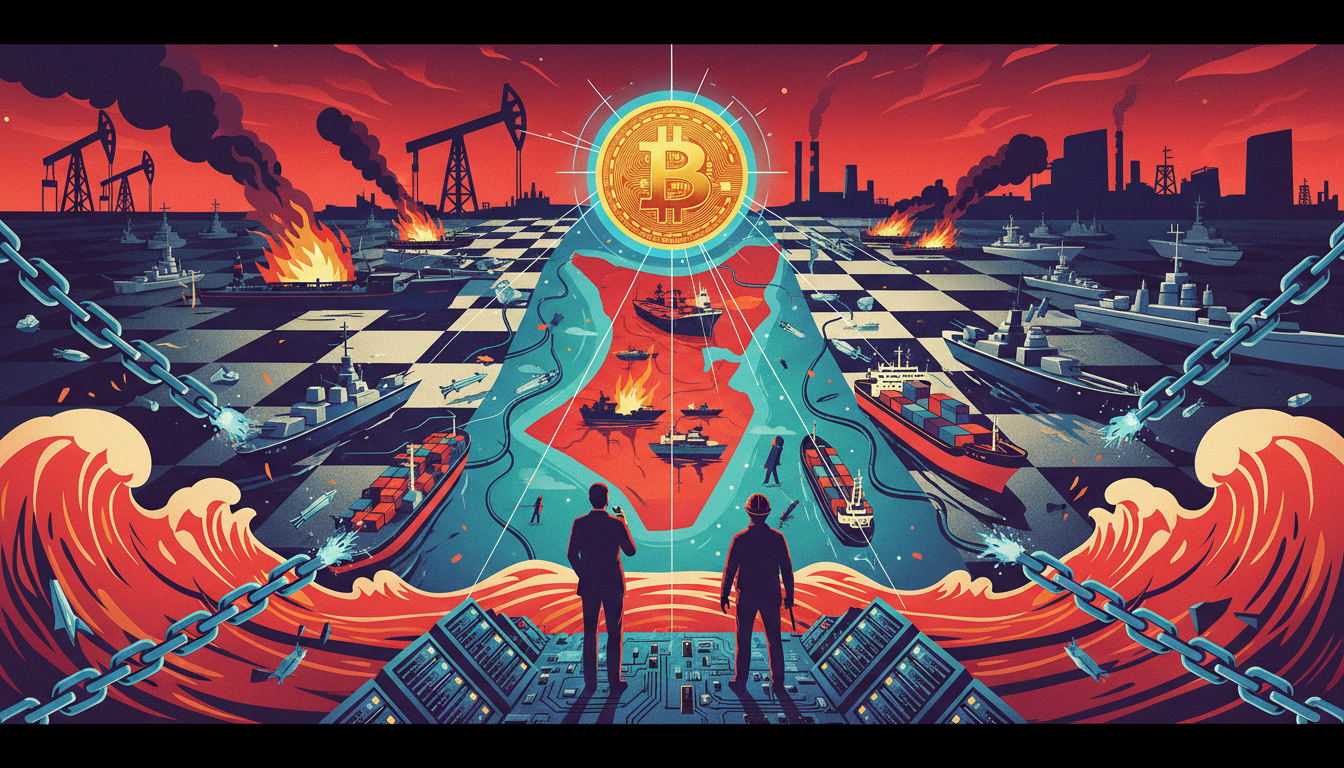
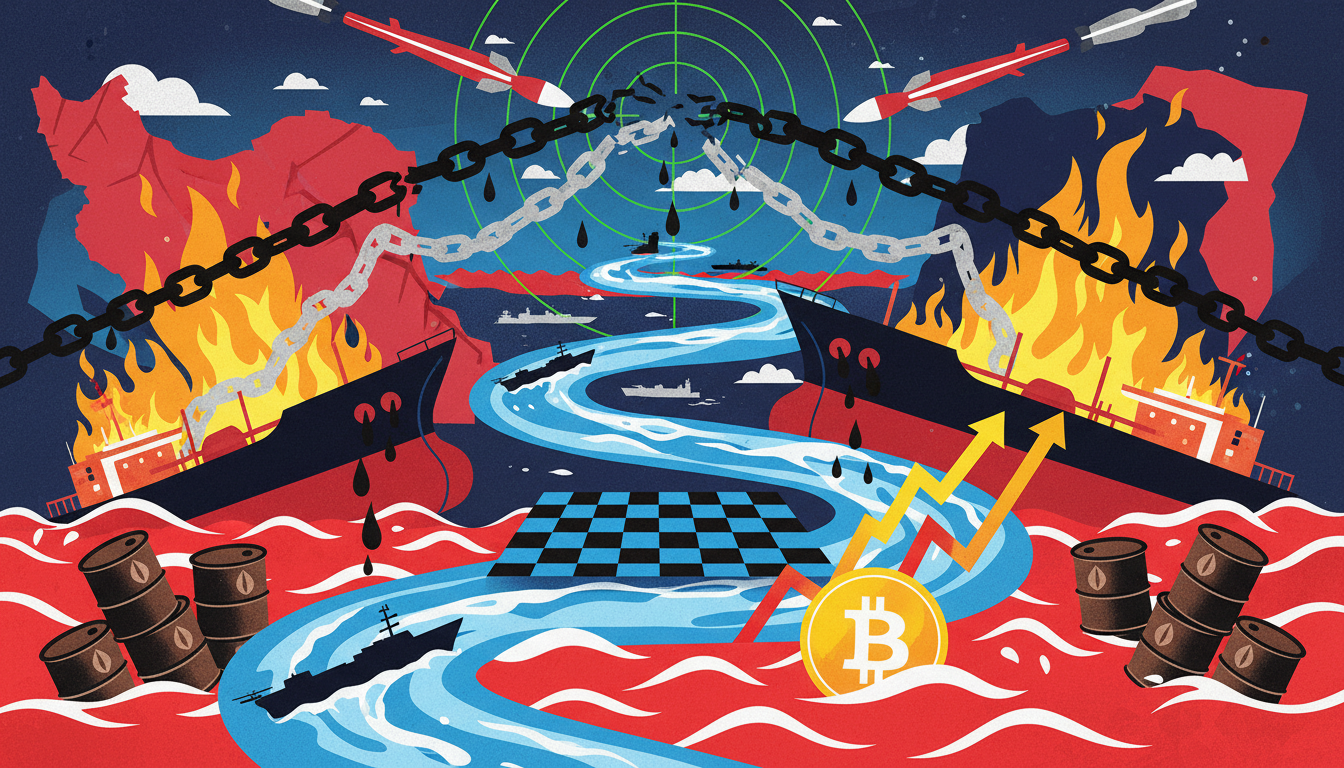
Gunpowder Smell over Hormuz: Oil Prices, Inflation, and the Risk Preferences of the Crypto Market Swing
This round of intense volatility in the crypto market is not isolated from the macro and geopolitical background. Between March 20 and 22, former US President Trump openly threatened to “strike and destroy all power plants in Iran,” and related statements were quickly amplified as signals of renewed escalation in the Middle East. For traditional markets, this means a repricing of energy supply security and regional stability; for the crypto market, it constitutes an external shock to liquidity and risk preference.
The key lies in geography and resources: the Strait of Hormuz undertakes about 20% of the global oil shipments and is the vital passage for crude and refined oil exports. Once this critical passage is expected by the market to face higher risks of blockade or conflict, rising oil prices and inflation expectations are almost a logical deduction. Higher energy costs will compress corporate profits and real purchasing power of residents, further impacting the tolerance for “high volatility, non-essential risk assets” in global asset allocation.
In this context, crypto assets are caught in a swing between “hedging and cashing out.” On one hand, Bitcoin and Ethereum are packaged in some narratives as tools to “hedge against traditional financial risks”; on the other hand, when macro uncertainty increases funding costs and expands risk premiums, some institutions and leveraged funds tend to retreat to cash liquidity, reducing exposure to high volatility assets—this could mean both short-term selling pressure and a liquidity “vacuum period.”
The recent pullback and liquidation of ETH more closely resemble the second-order response to these macro and geopolitical shocks. The short-term price decline may be triggered by technical factors and overcrowded long positions, but expectations of escalating geopolitical risks prompt capital to marginally adjust its risk preference: reducing leverage willingness, taking profits early, or cutting allocations. These behaviors, combined with the clearing mechanisms at the contract level, ultimately reflect in more intense on-chain price volatility. In other words, the gunpowder smell of Hormuz does not directly crash ETH but indirectly amplifies the slope of this pullback through a “more cautious capital curve.”
243 Million USD Liquidation: The Cold-Bloodedness of Smart Contracts and the Lag of User Emotion
Shifting the focus from centralized contract platforms to on-chain, the 243 million USD liquidation across the network and the 96% long position skew also puts pressure on decentralized lending and derivatives protocols. Excessive unilateral leverage means that when ETH prices rapidly decrease, a large number of borrowers collateralized by ETH and long positions will touch the liquidation lines within a similar price range, causing liquidation bots to concentrate sell collateral in a short period, amplifying on-chain selling pressure and slippage.
Data from mainstream lending protocols such as Aave have already raised alarms: its total locked value (TVL) has declined by approximately 9% in the past 30 days. Behind this decline is not only the nominal shrinkage resulting from price volatility but also reflects a process of active and passive deleveraging—users reduce borrowing and repay debt to avoid liquidation risks, while addresses that experience force liquidation are forced out of the game and sell collateral at discounted prices to cover debts. The result is that collateral asset prices come under pressure, protocol size shrinks, and utilization and interest rate curves are passively reshaped within the same time window.
From the perspective of smart contracts, liquidation is simply a segment of code logic that is “executed according to rules”: when the collateral ratio falls below the preset threshold, it unconditionally sells the collateral, repays the debt, and collects liquidation rewards. It does not pause because users are just one transfer confirmation away from top-ups, nor does it grant leniency because a big player shouts on social media. However, on the user side, decisions are often “emotion-driven delays”: knowing that their positions are nearing risk lines, they still choose to wait for the next rebound candlestick, until the price declines again and even the space for top-ups is squeezed, ultimately leading to larger liquidation losses.
This chain of liquidations rings a warning bell for the industry's risk control design. The highly crowded long structure causes the collateral ratio, safety margins, and liquidation incentives to be triggered in the same price range: when a large number of positions share similar liquidation prices, any moderate fluctuation can evolve into a systemic event—liquidation bots scrambling for auctions, on-chain gas soaring, and oracle price updates being delayed can all become amplifiers at critical moments. How to disperse liquidation points at the protocol level and improve safety cushions while strengthening risk control awareness at the user level remains a vulnerable link that the entire DeFi ecosystem must confront.
From xAI to Macrohard: The Long-Term Chip of High-Stories Track and the Ethereum Ecosystem
In contrast to the panic-dominated market, the AI narrative continued to ferment along the same timeline. Shortly after March 20, Musk's xAI was discovered by the community to have its “agent function switch” directly controlled by the computer, triggering debates about system transparency and control authority. In response to the doubts, Musk gave a brief reply—“Coming out soon”, indicating that a significant update is on the way, once again pulling attention back to xAI's product iteration and potential commercialization path.
Meanwhile, new projects like Macrohard and others combining AI and blockchain emerged, trying to attract liquidity during market fluctuations with “bigger stories” and “more aggressive growth curves.” These projects are often packaged with concepts like “computational economy,” “model incentives,” and “data rights confirmation,” aiming to replicate the trajectory of the previous narrative-driven market—becoming the new focus for speculative funds while mainstream assets like ETH and BTC face short-term pressure.
The choice between “high stories, high volatility” and “short-term survival” constructs another invisible mainline of this market. Some highly risk-seeking participants continue to bet on the imaginative space of the AI track, willing to endure higher volatility for potential excessive returns; while others respond to geopolitical risks and the shadow of liquidation by shrinking their lines, concentrating allocations on more liquid and stable narratives in mainstream assets. The pull of these two forces means that while mainstream assets do not fully bleed out, they also find it difficult to reignite the bullish risk appetite to a frenzy in the short term.
In this context, the whale that increased its ETH position during the period when the Fear Index was at 10 is actually making a longer-term narrative bet—not just on the price itself, but on the overall value of the AI and smart contract ecosystem based on ETH. Whether it’s the incentive distribution of AI models, the settlement market for data trading, or the governance and revenue distribution of various AI-native applications, the Ethereum ecosystem remains one of the most mature and sticky underlying systems. Capital that strongly aligns with this long-term logic is more inclined to gradually increase exposure to infrastructure-level assets amidst macro noise and emotional stampedes, rather than chasing new stories at high levels.
Panic, Chips, and Narratives: Who is Betting for the Next Night?
Condensing the dramatic fluctuations of these three days into a narrative line reveals the intertwining of three forces in the same time and space: first, the whales and long-term funds that are still placing bets against the trend amid the background of Fear Index 10; second, the leveraged funds passively exiting at the cost of 243 million USD liquidation and 96% long positions; third, the multiple pulls on global risk preference and capital flow stemming from Trump's threats to Iran, risks in the Strait of Hormuz, and new AI narratives like xAI and Macrohard. Prices merely find a momentary balance between these three forces rather than being a simple single-causal result.
For ordinary investors, this round of market fluctuation provides at least two actionable insights. First, reduce reliance on leverage, especially near extreme values of the Fear and Greed Index—high leverage can amplify profits but also accelerate “liquidation exits” during emotional reversals and liquidity tightening. Second, be cautious of the second-order impact of geopolitical events on liquidity: what truly collapses positions is often not the first negative candlestick, but the chain reaction brought about by rising funding costs and risk premiums after overall market contraction.
Looking ahead, if the geopolitical situation shows signs of easing in the short term and oil price expectations decline, while the on-chain liquidation stock is effectively released, then ETH has the opportunity to complete a bottoming phase in this round of panic by “exchanging time for space,” and prices may gradually shift from “stampede-style” to oscillating. Conversely, if tensions in the Middle East escalate, macro risks compound, and market leverage quickly rebuilds during a rebound, then both the magnitude and frequency of this volatility could once again amplify, testing the patience and risk control discipline of capital.
More importantly, learn to distinguish between “whales that layout in alignment with their own pace” and “big players gambling wildly under social media-driven emotions.” The former often operate based on a longer cycle of cognition and risk tolerance, capable of digesting even short-term pullbacks; while the latter may simply be larger emotional players who can also be pushed out by extreme markets. Simplifying any case into a “sure-win script” not only overlooks the underlying costs of capital and time dimensions, but also risks making oneself a passive handover of chips the next time panic strikes.
Join our community, let's discuss and get stronger together!
Official Telegram community: https://t.me/aicoincn
AiCoin Chinese Twitter: https://x.com/AiCoinzh
OKX benefit group: https://aicoin.com/link/chat?cid=l61eM4owQ
Binance benefit group: https://aicoin.com/link/chat?cid=ynr7d1P6Z
免责声明:本文章仅代表作者个人观点,不代表本平台的立场和观点。本文章仅供信息分享,不构成对任何人的任何投资建议。用户与作者之间的任何争议,与本平台无关。如网页中刊载的文章或图片涉及侵权,请提供相关的权利证明和身份证明发送邮件到support@aicoin.com,本平台相关工作人员将会进行核查。