On February 28, 2026, a seemingly ordinary weekend was recorded in the global financial history due to the sudden escalation of military conflict in the Middle East.
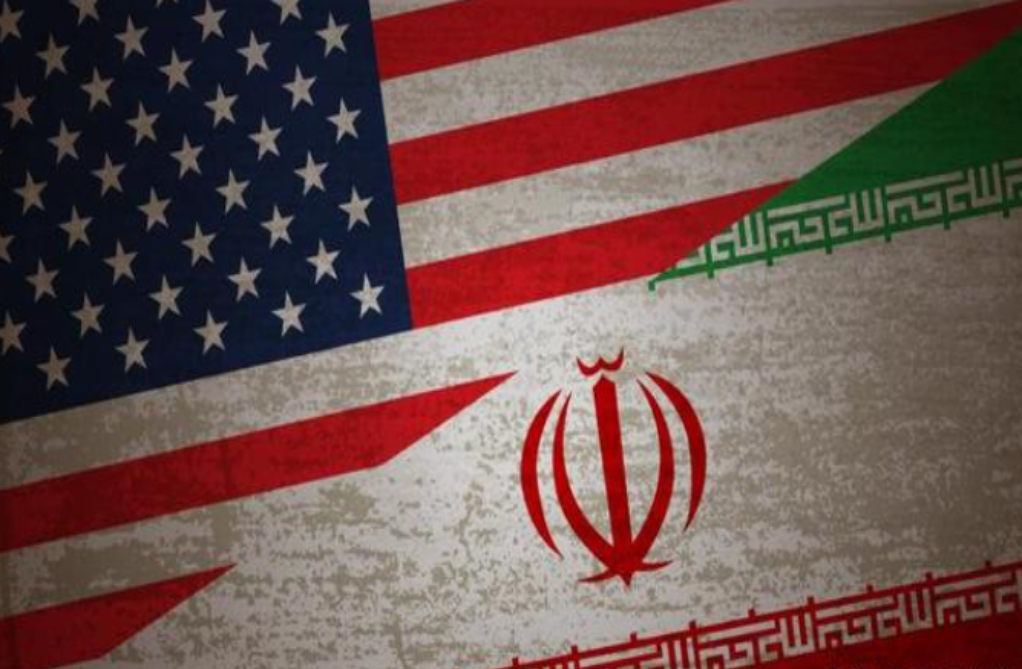
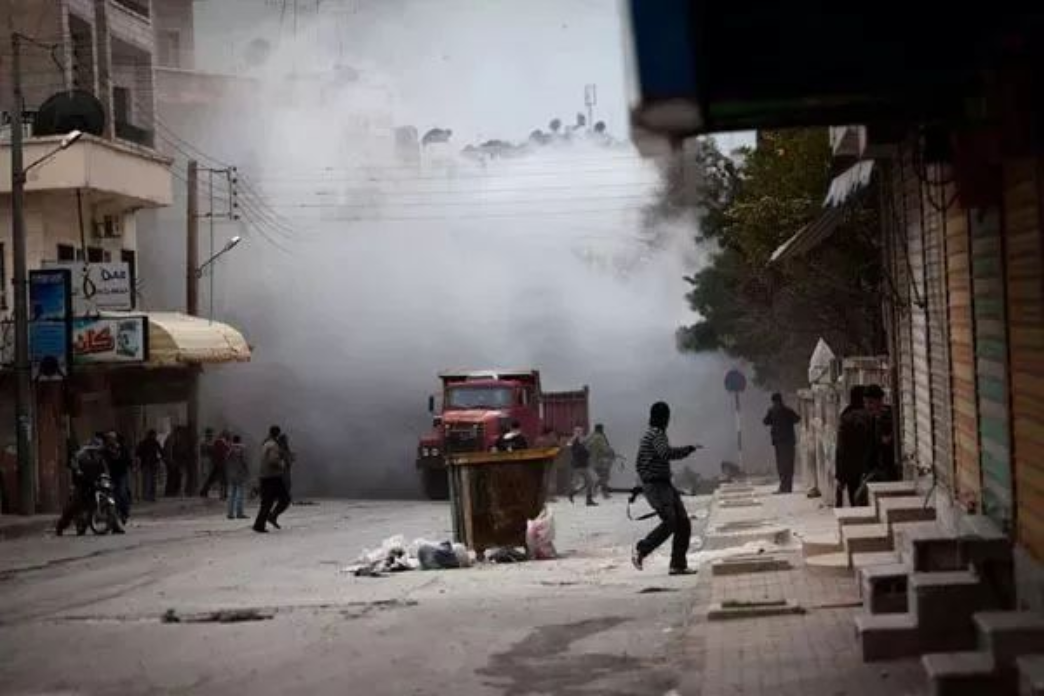
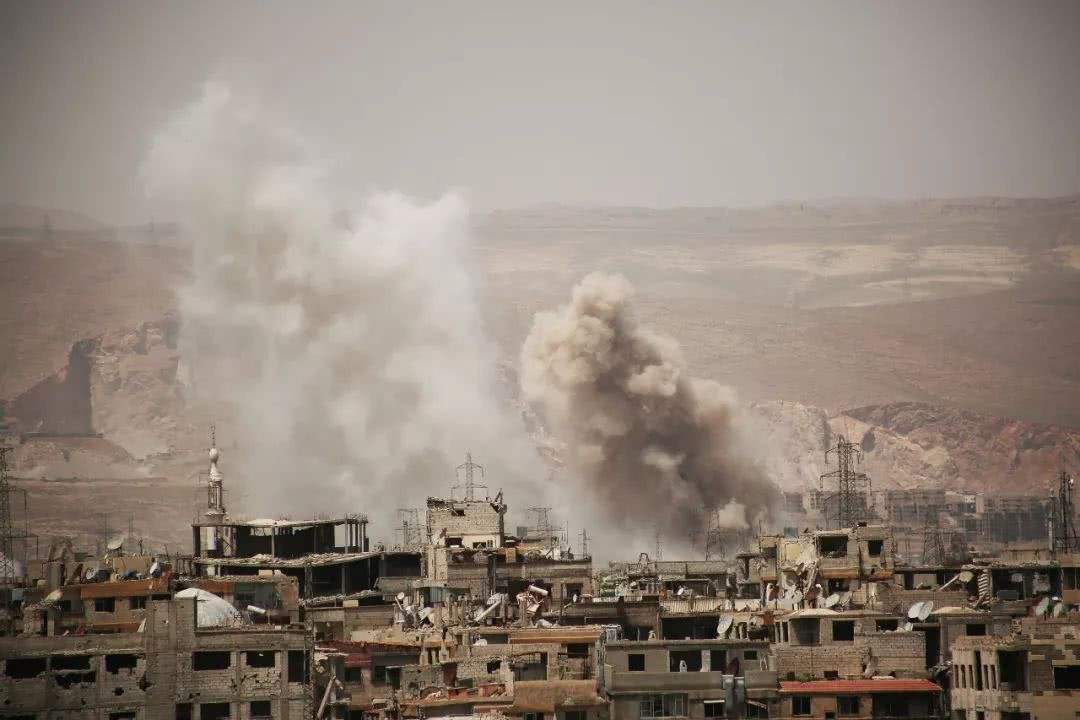
The United States and Israel jointly launched a "preemptive" military strike against Iran, which immediately mounted a large-scale counterattack under operation "Real Commitment-4", with the flames of war quickly spreading to multiple countries including the UAE, Qatar, Bahrain, and Iraq.
1. Resurgence of War: How the Chaos in the Middle East Ignited Global Markets
● Dubai International Airport terminal was damaged in missile attacks, Abu Dhabi International Airport was hit, and Ali Mountain Port caught fire due to intercepted missile debris. The Strait of Hormuz—this "lifeline" of global energy supply—instantly became the focal point of the market. As the third largest oil producer in OPEC, Iran's crude oil production accounts for about 3% of global supply, while controlling one of the world's most critical oil transport corridors.
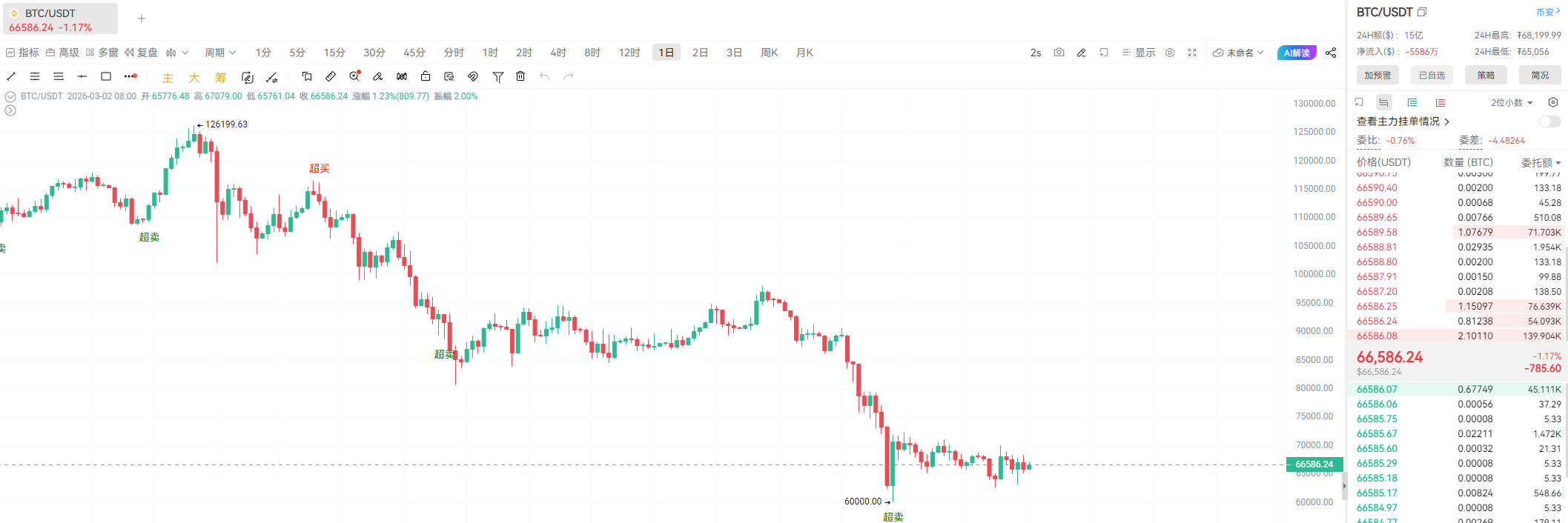
● When traditional financial markets temporarily "lost their voice" due to weekend closures, the 24/7 trading crypto market was the first to feel the impact's power. Bitcoin plummeted from above $65,500 to the $62,000 range within 45 minutes after the conflict news broke, with a market cap evaporating by about $128 billion.
● Meanwhile, trading volume of derivatives tracking gold prices surged to $180 million on platforms like Hyperliquid, increasing by dozens of times from the usual few million dollars, with prices rising about 4% simultaneously.
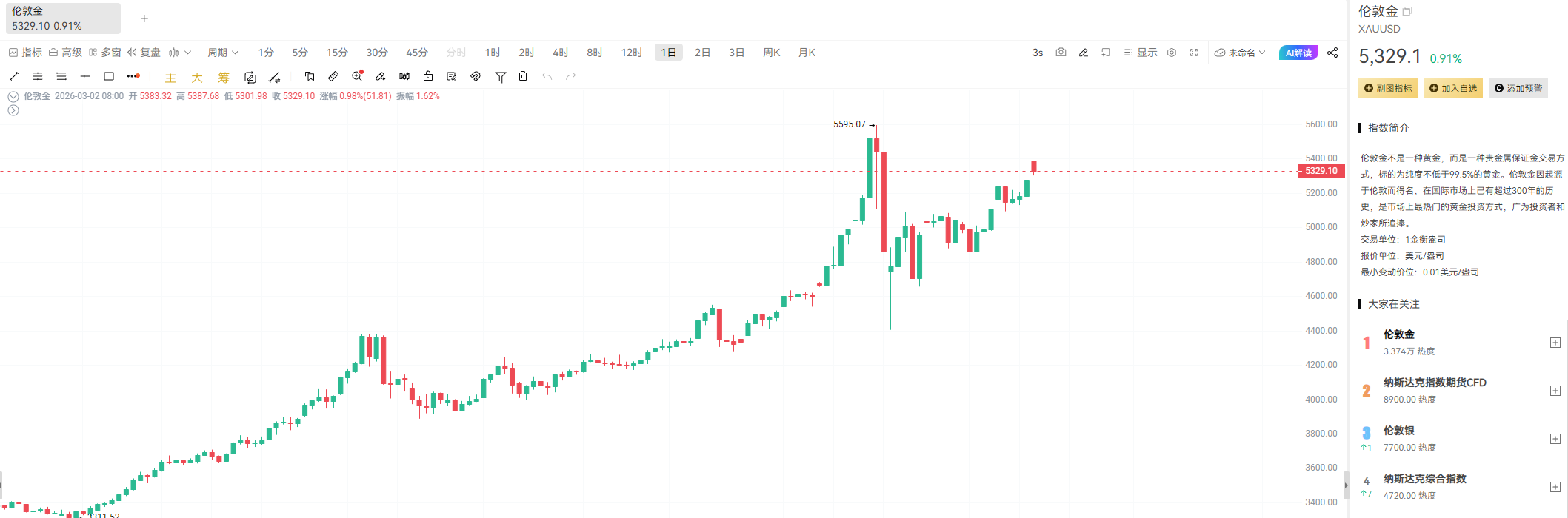
● This sudden geopolitical storm pushed gold and Bitcoin into the ultimate test of "safe-haven properties." And when Monday morning sunlight shone into the traditional financial market, gold responded with a surge breaking through $5,300, while crude oil skyrocketed 13% at the opening.
2. The "Iraq War Logic" of Gold: Short-term Spike or Trend Reversal?
Faced with the sudden escalation of the Middle East situation, Wall Street analysts are caught in fierce debates—Is this the starting point of a new bull market for gold, or a "bait trap" after favorable news has been exhausted?
● "Short-term spikes followed by declines" has become a consensus among many traders.
○ Marex analyst Edward Meir predicts that gold could jump around $200 at the opening, but as the market gradually calms, the increase will be gradually retraced during the day's trading.
○ "The market is quite calm in the face of military conflict; investors are ultimately only concerned about whether oil supply will be disrupted," he noted.
○ This view aligns with historical experience—gold prices often experience a pullback after a pulse increase triggered by geopolitical risks when the events settle.
● However, more institutions lean towards optimism regarding gold's sustained performance.
○ Huachuang Securities analysts believe that this conflict not only enhances safe-haven sentiment but, more importantly, may transmit through energy supply channels to inflation expectations. Iran is not only an important oil producer; it has the second-largest proven natural gas reserves globally and controls the Strait of Hormuz, so any concern over supply disruptions could drive oil prices up, thereby reinforcing gold's anti-inflation properties.
○ Ping An Securities pointed out more directly that the escalation of the Middle East situation is the core driver of rising gold prices, and they expect gold prices to accelerate upward.
○ 招商期货 proposed two scenario simulations: If the conflict escalates and Iran launches a large-scale counterattack, gold prices could rise to $6,000/ounce; but if parties quickly cool down through diplomatic channels and the conflict remains limited to air strikes, the short-term increase in gold prices might only be 1-2%. This "event-driven, inflation transmission" dual logic is the core framework of gold trading right now.
○ Qianhai Kaiyuan Fund's Yang Delong analyzed from a more macro perspective, stating that the underlying logic of this wave of gold bull market is “de-dollarization combined with international instability,” and this conflict may further strengthen this trend. COFCO Futures researcher Cao Shanshan pointed out after reviewing history that geopolitical risks show a significant positive correlation with gold prices, but the elasticity of energy dimension transmission in this Middle Eastern conflict is far greater than in other dimensions.
3. Bitcoin's Weekend Fright: "Digital Gold" Faces a Crisis of Trust
In stark contrast to gold's strength, Bitcoin's performance after the outbreak of the conflict disappointed countless supporters. This asset, hailed as "digital gold," displayed typical risk asset characteristics in the face of true geopolitical risks.
The data is most intuitive: Bitcoin plummeted over 3% within 45 minutes after the conflict news broke, rapidly falling below $62,000 from around $65,500. Although there was a rebound in the following days, market research firm TradingView stated bluntly, "When traditional markets are closed, the virtual asset market absorbs the fear alone."
Why did Bitcoin fail to exhibit safe-haven properties like gold? Market analysis provides several explanations.
● Firstly, Bitcoin's high correlation with U.S. stocks makes it a "high-beta technology asset." Data shows that Bitcoin still responds in the same direction as the S&P 500 and Nasdaq indices. When macro uncertainties rise, funds tend to reduce risk exposure, and Bitcoin is often sold off along with tech stocks rather than embraced like gold. Senior analyst Ran Neuner pointed out that when fiscal, tariff, and monetary policy tensions arise, funds visibly rotate to gold.
● Secondly, the institutionalization process has changed Bitcoin's market behavior. With the approval of 11 spot ETFs and many listed companies incorporating Bitcoin into their treasury, this asset has deeply integrated into the traditional financial system. Notable investor Michael Burry warned that this integration means that if the market continues to decline, related companies will face serious valuation losses. ETFs switched to net selling on the first trading day after the conflict, further confirming the attitude of institutional capital.
● Thirdly, discrepancies revealed by on-chain data. Despite the price drop, long-term holders' wallets remain stable, and large holders are not panic selling but rather accumulating gradually in support areas. This indicates that for large investors, Bitcoin is viewed more as a long-term tool to combat fiat currency devaluation rather than a short-term safe haven in response to sudden geopolitical events.
4. The Divergence Behind: Two Assets, Two Logics
The different performances of gold and Bitcoin driven by the same event reflect the deep differences in the essential characteristics of these two types of assets.
● The logic of gold lies in "stock game" and "historical memory." As the ultimate safe-haven asset with thousands of years of history, the pricing power of gold is held by central banks, sovereign wealth funds, and family offices passed down through generations. The decisions of these funds are based on long historical experiences—from the two world wars to the oil crisis, from 9/11 to the Iraq War, gold has proven its value storage function during every instance of geopolitical turmoil. After the outbreak of this conflict, both Huachuang Securities and Ping An Securities are optimistic about gold precisely because this "historical memory" has been ingrained in institutions' DNA.
● More crucially, gold's "anti-inflation" property is activated in this round of conflict. With Iran, a core oil-producing country, involved in war and the security of maritime transport in the Strait of Hormuz threatened, expectations for rising oil prices are directly impacted. As inflation expectations heat up, the opportunity cost of holding non-yielding gold decreases relatively, thereby highlighting its value preservation function. This is a dual logic of "risk avoidance + anti-inflation."
● The logic of Bitcoin, on the other hand, revolves around "liquidity preference" and "technological narrative." Although the story of "digital gold" has been told for years, the actual holder structure of Bitcoin is predominantly retail and venture capital. The behavioral patterns of these funds are closer to "liquidity preference"—when a crisis occurs, the first need is for the most liquid assets rather than the most risky assets.
● Bitcoin in 2026 is a "unique asset": when bombs actually explode, it failed to serve as a short-term safe haven; yet in the long-term dimension of resisting currency devaluation, it remains a valid tool. This dual character of "short-term risk asset, long-term value storage" often leads it to first drop, then rise in response to sudden events—its rapid recovery of some ground after the weekend's plunge is a reflection of this characteristic.
● The Crypto Fear & Greed Index fell to "extreme fear" levels (as low as 9) after the conflict, with many KOLs suggesting this marked the market's entry into a deeper correction phase. The discussions summarized by Baibillion Financial consistently highlighted geopolitical tensions as the core driver of the short-term plunge rather than merely internal crypto issues.
5. After the Smoke: Asset Allocation Under Uncertainty
As the flames of war spread across multiple countries in the Middle East, the market's focus has shifted from "is the reaction excessive?" to "how will it develop subsequently?" For investors, the biggest certainty at present is precisely the uncertainty itself.
● The short-term trend of gold is highly dependent on the duration and intensity of the conflict. If the situation rapidly cools, gold prices may face profit-taking pressure; but if the conflict escalates and the risk of regime change in Iran increases, hitting $6,000 in gold prices is not impossible. Yang Delong warned that investors need to be cautious of the rapid pullback risk from a de-escalation, while also recognizing that the strong performance in the past period has accumulated significant profit margins.
● For long-term allocation value of gold, institutions generally remain optimistic. Dongzeng Futures' Xu Ying pointed out that with the rise of geopolitical risks, the certainty of gold rising is relatively high. Kaiyuan Securities emphasized that the large increase in gold prices in 2025 stemmed from changes in the global geopolitical landscape and a decline in trust in the dollar system, which this conflict may further enhance the central banks' and markets' purchases of gold.
● Bitcoin faces a more complex test. In the short term, the crypto market is undergoing threefold pressure simultaneously: risk-averse sentiment caused by geopolitical conflict, outflow of funds due to ETFs switching to net selling, and uncertainty around March 1's regulatory key point. Research from KB Securities indicates that past downturns in the South Korean stock market during Middle Eastern crises generally recover within 1-2 weeks; if the conflict remains short-term, the impact is limited. This judgment may similarly apply to Bitcoin.
● From a long-term perspective, some analysts remain confident. Large institutions like Blackrock view Bitcoin as a tool for "asymmetric growth"—holding gold for preservation and Bitcoin for pursuing the potential of the digital economy's expansion. El Salvador's adherence to a strategy of daily Bitcoin purchases also provides long-term demand support at a national level.
For ordinary investors, the current market provides a rare observation window. The divergent performances of gold and Bitcoin reveal their different roles in investment portfolios—gold serves as "insurance" against sudden events, while Bitcoin acts as an "option" betting on a digital future. The Gate Research Institute suggests that when macro volatility increases, consider balancing portfolios with gold or stablecoins, and adopting a dollar-cost averaging strategy when panic sentiment peaks.
The smoke will eventually dissipate, but the market's imprint will linger long-term. The flames of war in the Middle East provide a new validating sample for the "Iraq War logic" of gold and cast a questioning mark on the "digital gold" narrative of Bitcoin. When the dust settles, what truly matters may not be who rises or falls, but whether investors can reassess the underlying logic of their assets from this significant safe-haven test.
Join our community to discuss and grow stronger together!
Official Telegram community: https://t.me/aicoincn
AiCoin Chinese Twitter: https://x.com/AiCoinzh
OKX benefits group: https://aicoin.com/link/chat?cid=l61eM4owQ
Binance benefits group: https://aicoin.com/link/chat?cid=ynr7d1P6Z
免责声明:本文章仅代表作者个人观点,不代表本平台的立场和观点。本文章仅供信息分享,不构成对任何人的任何投资建议。用户与作者之间的任何争议,与本平台无关。如网页中刊载的文章或图片涉及侵权,请提供相关的权利证明和身份证明发送邮件到support@aicoin.com,本平台相关工作人员将会进行核查。


