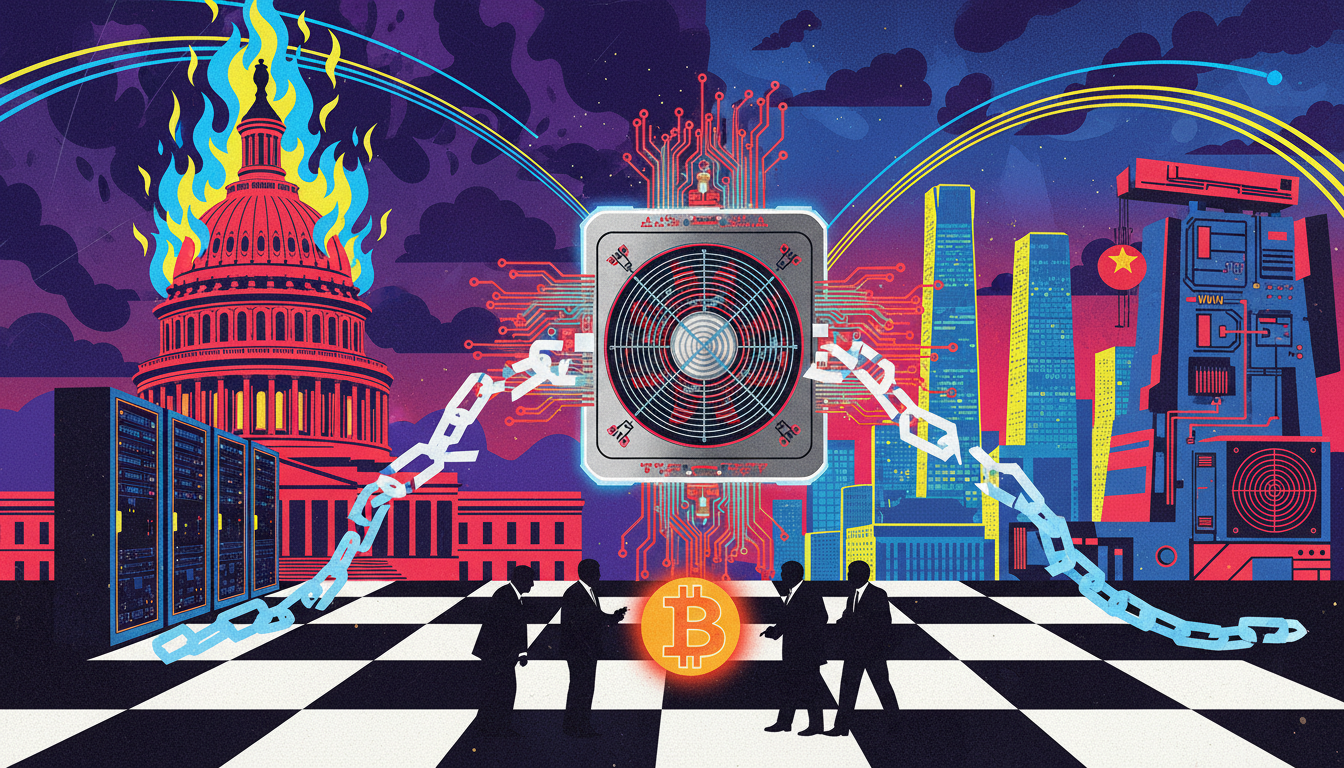
In February 2026, Eastern Standard Time, the position of Federal Reserve Chairman officially transitioned from Jerome Powell to Kevin Warsh (pending Senate confirmation), and this personnel change quickly became the focal point of global financial markets. On one hand, the market's memory of Warsh's long-standing hawkish stance was rekindled, with voices betting on higher interest rates and a stronger dollar rising; on the other hand, the price of Bitcoin surged to around $81,000 (price level pending verification), testing new narrative boundaries amid significant volatility. With this new leader taking office, a deeper question was posed to all participants: how will the Federal Reserve's leadership change reshape the position of digital assets, especially Bitcoin, in the global monetary system—will it be seen as an external anchor of "market discipline," or will it be gradually marginalized by institutional forces?
Hawkish Background Takes Office: Rate Hike Shadow Looms Over Asset Pricing
● The general impression of Kevin Warsh in the market stems from his long-standing criticism of loose monetary policy; he has often been categorized as a hawkish figure, expressing reservations or even outright opposition to excessive balance sheet expansion and prolonged low interest rates. Although there are currently no new public statements to cite, in the market's memory, Warsh represents a faction that emphasizes price stability and has a lower tolerance for inflation. This historical impression was quickly amplified at the time of his nomination and succession of Powell, becoming the emotional backdrop for pricing future interest rate paths.
● Empirically, U.S. Treasury yields and the strength of the dollar are often the most direct amplifiers of hawkish expectations: rising yields and a stronger dollar typically pressure traditional stock market valuations, while the volatility of highly liquid quantitative assets is further magnified. When faced with expectations of a more "hawkish" monetary policy, the market often preemptively raises risk premiums and contracts leverage, which can lead to more severe and directionally divergent market performances for high-beta assets, including Bitcoin, during the same period.
● Compared to Powell's relatively "forward guidance + gradual communication" style, the leadership change itself is seen as a potential turning point in the monetary policy path: not because of a specific statement, but because the anchor of market expectations has been replaced. During Powell's tenure, the Federal Reserve tended to weaken unexpected shocks through clear communication, while Warsh is viewed as more willing to accept a style of "shaping expectations through policy actions." This difference forces traders to reassess the uncertainty premium for future FOMC meetings—both the "tone" and "pace" of monetary policy may change.
The Battle for $81,000: Bitcoin Becomes an Emotion Amplifier
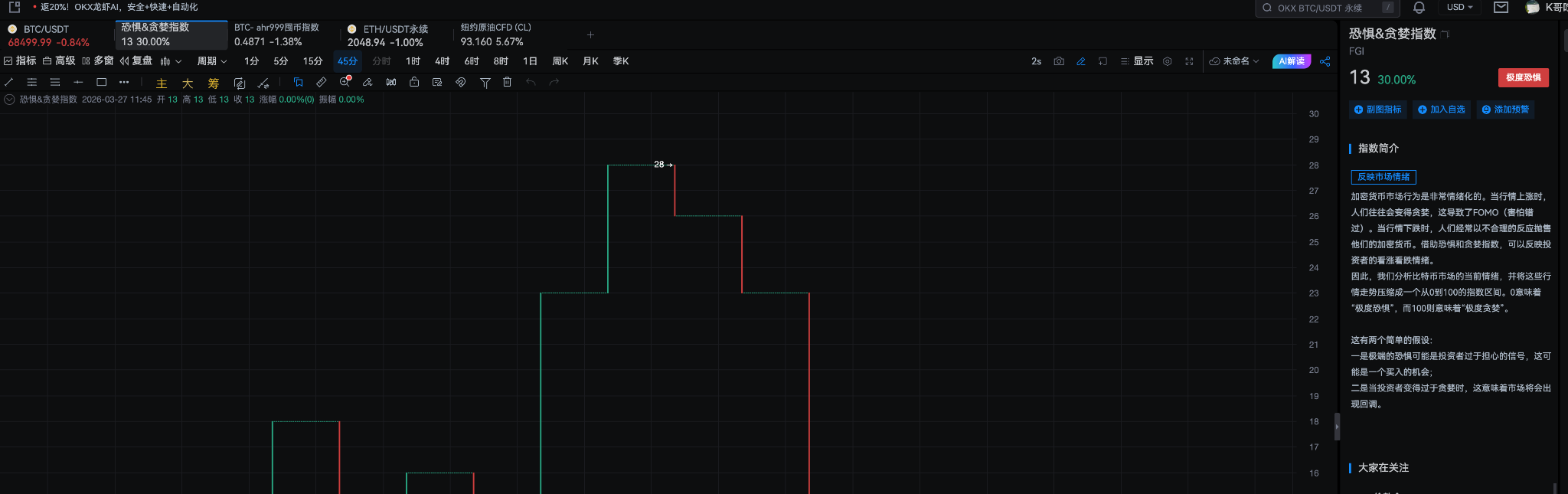
● Within the time window of the Federal Reserve's personnel changes, the price of Bitcoin was pushed up and rapidly fluctuated to around $81,000 (price level pending verification), with technical and emotional trading battling near this round number. The market exhibited typical high-level oscillation characteristics: daily volatility widened, short-term capital flowed in and out frequently, and both bulls and bears engaged in a game around "whether it can stabilize above $81,000." This was a magnifying glass reflecting macro expectations and trading structures, rather than a linear trend driven by a single piece of news.
● On the funding side, the market priced in hawkish monetary expectations through futures leverage, spot buying, and on-chain capital flow rates: some funds chose to increase leverage in derivatives to speculate on volatility, attempting to profit from the expectation gap in the short term; while other long-term funds replenished positions on the spot side, viewing macro uncertainty as an opportunity to allocate "hedging tools." At the same time, the increase in on-chain capital flow rates reflects a redistribution of chips among different participants—the process of capital flowing back from high-leverage short-term traders to long-term holders may be occurring quietly.
● Regarding the causes of this round of price volatility, market opinions are clearly divided: some simply attribute it to the Federal Reserve's leadership change itself, but this attribution lacks sufficient evidence; a more cautious view emphasizes that this is merely the result of a combination of changes in macro expectations, liquidity environment, technical patterns, and market sentiment. Research briefs also clearly state that the reasons for Bitcoin's price volatility belong to pending verification information, and it cannot currently be solely attributed to Warsh's appointment. A more reasonable approach at this stage is to focus on structural changes rather than seeking a single "culprit."
From Gold Substitute to Market Yardstick: Repackaging Warsh's Old Statements
● Surrounding Warsh's historical views, the market repeatedly cites statements such as "Bitcoin is a gold substitute for those under 40," but these remarks are still marked as pending verification of historical statements in terms of specific sources and contexts. Nevertheless, this analogy of Bitcoin as "the gold of the younger generation" still provides narrative material for Wall Street and crypto institutions—it suggests that in the eyes of some elites, Bitcoin is no longer just a marginal speculative asset, but a candidate for intergenerational wealth storage.
● Another frequently amplified statement is "Bitcoin may provide market discipline" (also a pending verification statement), which logically resonates with the concept of tight monetary policy: when the traditional fiat currency system is questioned due to prolonged easing, an asset that cannot be easily expanded and has a relatively fixed total supply is seen as an external constraint on policy imbalances. Even if the Federal Reserve internally does not publicly acknowledge being "constrained by Bitcoin," at the market level, this metaphor of "discipline" regarding Bitcoin is replacing the earlier narratives of "rebellion" and "confrontation."
● Wall Street and crypto institutions are intentionally leveraging these old statements and second-hand quotes to reconstruct a new storyline that "the Federal Reserve chairman and Bitcoin are not inherently opposed": on one hand, emphasizing Warsh's vigilance against traditional monetary easing, and on the other hand, amplifying his conveyed sentiments of "recognizing Bitcoin's market functions." Through this narrative engineering, Bitcoin is shaped into a tool that has some "goal alignment" with hawkish central banks—both seek to impose constraints on excessive easing, but the means and positions are entirely different, leaving room for complex interactions in the future.
CBDC Race Accelerates: The Game Between Digital Dollar and Bitcoin
● The leadership change at the Federal Reserve occurs at a critical stage in the advancement of Central Bank Digital Currencies (CBDCs): multiple major economies are accelerating the testing and design of their national digital currency frameworks, and the digitization of currency has moved from conceptual debates to a race at the technical and application levels. Warsh's succession of Powell in February 2026 is seen as a time node for the U.S. to recalibrate its pace and posture in this race—not only an adjustment in interest rate policy direction but also potentially a re-examination of the strategic layout for the digital dollar.
● A more stringent monetary policy running parallel to more proactive CBDC exploration can easily be interpreted as a "systemic hedge" against private crypto assets: on one hand, tightening liquidity and raising risk-free rates enhance the attractiveness of fiat assets, while on the other hand, official digital currencies improve payment, settlement, and regulatory efficiency, thereby exerting "competitive pressure" on decentralized assets at the institutional level. This logic is not a clear policy statement but rather a defensive interpretation made by the market based on the current environment and historical experience.
● In this framework, Bitcoin is pushed to a new crossroads in its role: as a "decentralized anchor," it may be seen as a natural hedge against CBDC expansion, providing an outlet for funds concerned about privacy and capital controls; or it may be marginalized in daily payments and financial transactions as government digital currency infrastructure improves, remaining only in the realm of asset allocation and value storage. Bitcoin's position in the world of digital fiat currency is no longer simply one of confrontation, but rather a search for its still irreplaceable functional gaps on an ever-expanding monetary map.
Trump's Team Bets on Continuity: Political Signals Amplify Macro Uncertainty
● In terms of personnel, this change was not a "surprise announcement," but rather announced in advance by the Trump administration, triggering a round of debate about policy continuity. Releasing personnel signals in advance is a political maneuver: it suggests to the market that future policies will not suddenly shift in a major direction, while also amplifying the stance of "we will be tougher on inflation" by choosing a candidate perceived as more hawkish. This dual signal elevates the leadership change from a mere personnel arrangement to a high-level political declaration.
● From the traditional Republican standpoint, tax cuts and deregulation remain its long-term labels, providing indirect benefits for crypto assets: once the overall regulatory environment trends toward looseness and becomes more friendly to innovative finance, the market will naturally associate this with potential benefits for crypto businesses, custody services, and related financial products. Even if there is no explicit tilt in specific provisions, the subtle shift in "friendliness" is enough to change the risk preferences of institutions and entrepreneurs, thereby influencing capital allocation willingness toward the crypto sector.
● However, the real path to policy implementation still carries high uncertainty: the specific timetable and outcome of the Senate confirmation vote, Warsh's future actual influence within the FOMC, and his attitude toward the crypto regulatory framework all lack verifiable details. Research briefs also explicitly prohibit fabricating Senate voting dates and specific policy roadmaps, so the current market is more about pricing a sense of "direction"—a more hawkish monetary policy, possibly slightly looser innovative regulation—rather than a pre-written script. In this phase of semantic ambiguity but concentrated sentiment, Bitcoin and other crypto assets often "test prices" first, waiting for reality to provide answers.
A New Gamble in the Crypto Market: Is it Monetary Voting or Institutional Gaps?
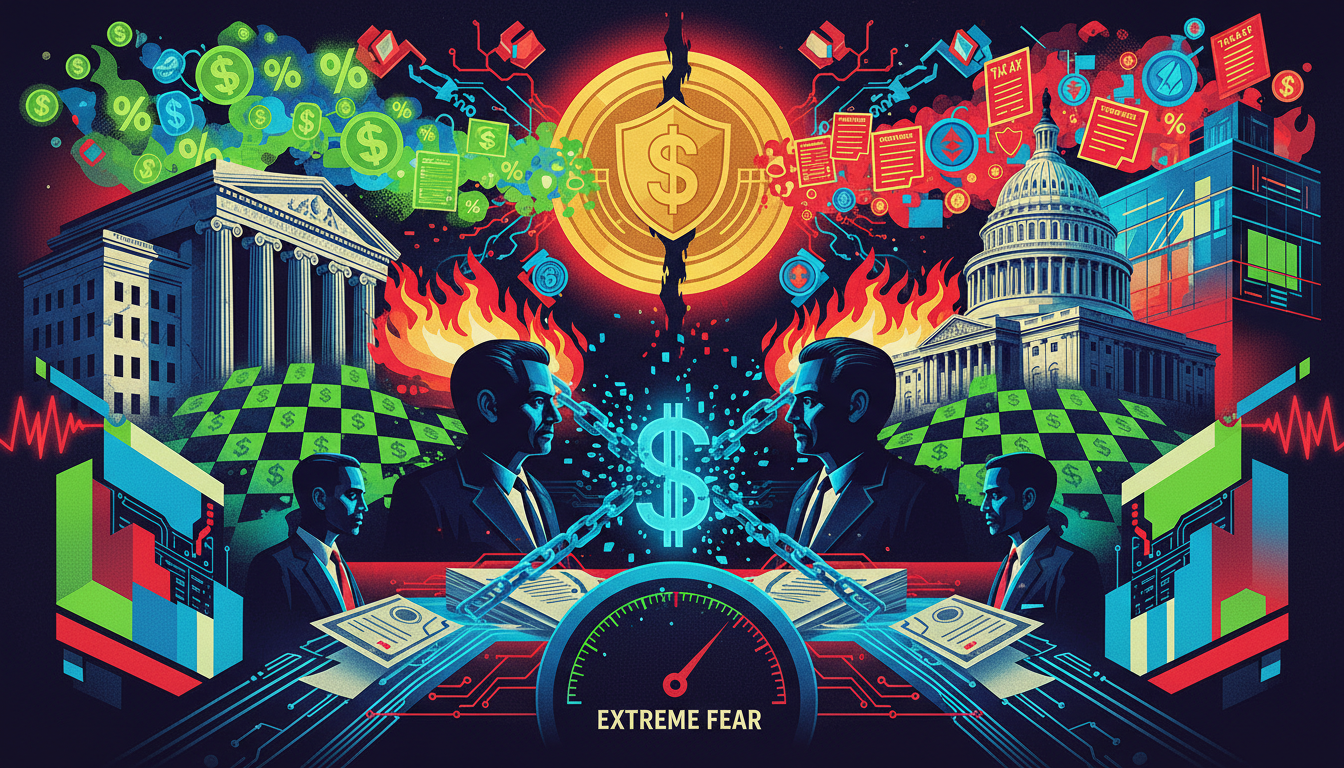
● Overall, Warsh's appointment has layered three expectations in the market: first, a more hawkish interest rate path, interpreted as a signal of zero tolerance for inflation and greater caution regarding liquidity; second, a stronger dollar outlook, prompting global funds to reassess risk asset pricing benchmarks; third, the crypto regulatory environment may become more complex, oscillating between a tough macro framework and an innovation-friendly stance. The intertwining of these factors places Bitcoin in a position where it faces competitive pressure from dollar assets while being endowed with more "hedging and voting" functional imaginations.
● In this process, Bitcoin is quietly completing its self-role transformation: it is no longer just a purely high-volatility risk asset, but increasingly resembles a market voting tool for monetary policy. When the market perceives the Federal Reserve as too loose, the rise in Bitcoin's price is seen as a protest against the imbalance of the fiat currency system; while during the phase of rising hawkish expectations, Bitcoin's severe volatility and capital flows are interpreted as part of the process of assessing the sustainability of "new rules." This shift from "speculative target" to "macro opinion box" is the result of the deep intertwining of crypto assets and macro narratives in recent years.
● Looking ahead to the next few decision cycles, the focus of observation will shift from the single interest rate decision itself to three more detailed dimensions: first, whether the FOMC's wording changes in statements and press conferences release more explicit or implicit signals for digital assets and financial innovation; second, whether the pace and technical route of CBDC advancement accelerate the rollout of the digital dollar and squeeze the functional space of decentralized assets; third, whether Bitcoin's price sensitivity to inflation data, employment data, and the dollar index continues to rise, thereby solidifying its role as a "macro sentiment representation." For investors, the new chairman's appointment brings not just a personnel change, but a long-term gamble about the future form of currency and the boundaries of market power.
Join our community to discuss and grow stronger together!
Official Telegram community: https://t.me/aicoincn
AiCoin Chinese Twitter: https://x.com/AiCoinzh
OKX Benefits Group: https://aicoin.com/link/chat?cid=l61eM4owQ
Binance Benefits Group: https://aicoin.com/link/chat?cid=ynr7d1P6Z
免责声明:本文章仅代表作者个人观点,不代表本平台的立场和观点。本文章仅供信息分享,不构成对任何人的任何投资建议。用户与作者之间的任何争议,与本平台无关。如网页中刊载的文章或图片涉及侵权,请提供相关的权利证明和身份证明发送邮件到support@aicoin.com,本平台相关工作人员将会进行核查。