Author: Liang Yu
Editor: Zhao Yidan
On January 19, 2026, a piece of news from the heart of Wall Street quickly sent shockwaves through the global financial and technology sectors. The New York Stock Exchange (NYSE) officially announced that its parent company, Intercontinental Exchange (ICE), is developing a brand new digital platform specifically for tokenized securities trading and on-chain settlement, and has begun seeking approval from U.S. regulatory agencies. This move is widely seen as the most solid step traditional financial infrastructure has taken towards the digital asset realm.
According to detailed information released by the NYSE, the planned platform aims to completely transform the trading experience of traditional securities. It promises continuous trading capabilities seven days a week, twenty-four hours a day, with instant settlement after trades are executed, allowing investors to place orders for specific dollar amounts and supporting seamless fund transfers using stablecoins. The technological core involves integrating the NYSE's existing mature Pillar high-performance matching engine with a new blockchain-based post-trade settlement system, designed to support settlement and custody across multiple blockchains. The platform's vision is to establish a new, regulated trading venue that not only supports the conversion of already listed traditional stocks into equivalent tokenized versions for trading but also allows companies to issue native digital securities directly. Importantly, holders of these tokenized securities will be ensured the same core rights as traditional shareholders, including dividend rights and voting rights.
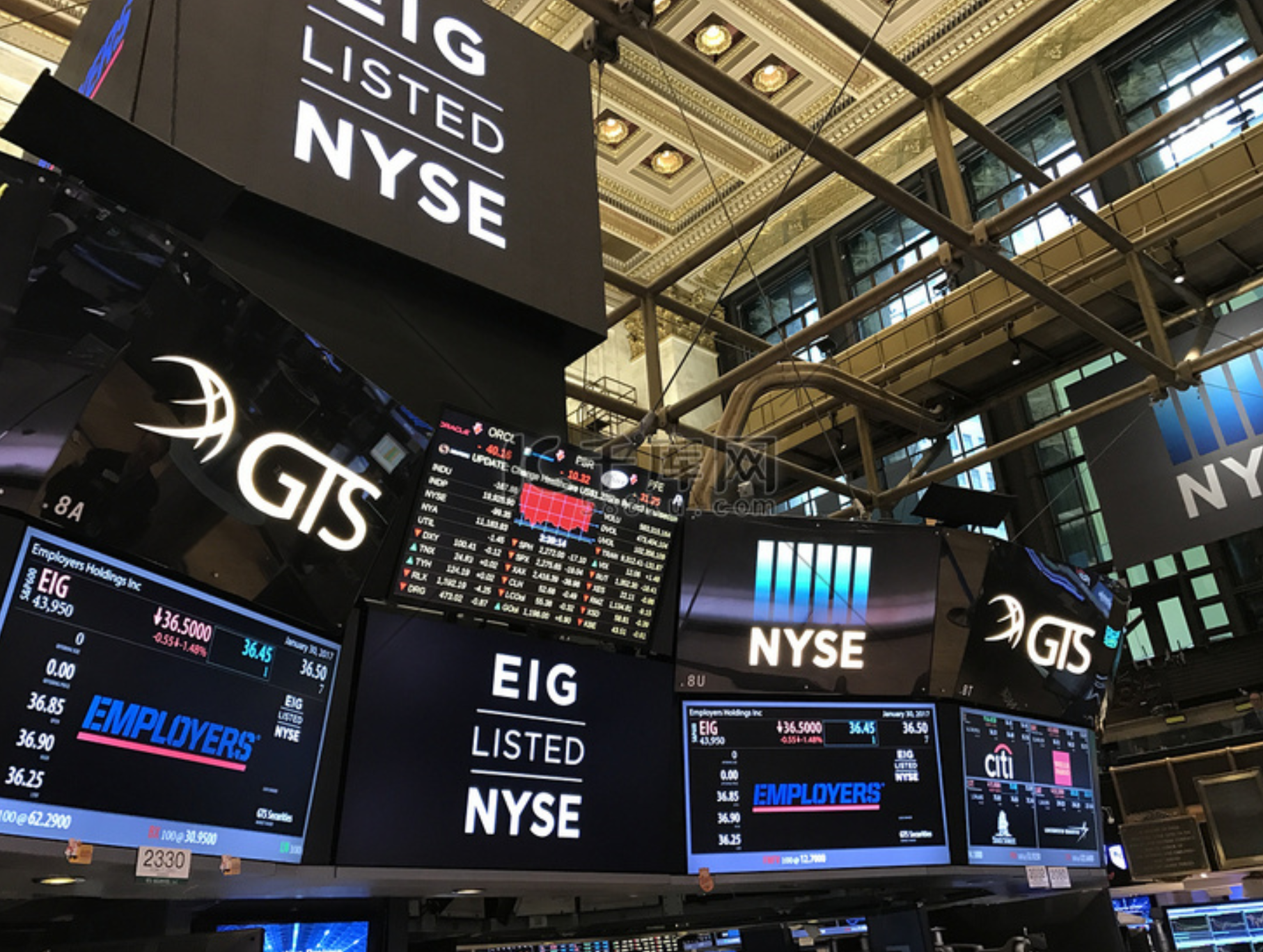
Bloomberg commented in its report that this marks a transition of "mainstream finance from conceptual discussions on asset tokenization to a substantive infrastructure phase." This platform is just the tip of the iceberg in ICE's grand digital strategy. This strategy also includes transforming its clearing infrastructure to accommodate round-the-clock trading and exploring the use of tokenized assets as collateral. To this end, ICE is collaborating with top financial institutions such as BNY Mellon and Citigroup to study the integration of tokenized deposits into its clearing system, addressing the challenges of fund allocation and margin payments across different global time zones.
The NYSE, established in 1792 and regarded as a symbol of global capitalism, has any significant shift carry a directional significance. Its entry raises the question of whether it opens a compliant door for the large-scale digitization of real-world assets (RWA) or represents another cautious experiment. How will it disrupt the existing financial landscape, and what real challenges will it face? This article attempts to penetrate the market discussions and conduct a calm and in-depth analysis.
I. The NYSE's Four Strategic Pillars
To understand the significance of the NYSE's move, it should not be viewed merely as a technical attempt but as a systematic strategic deployment. This strategy revolves around four clear and mutually supportive pillars, showcasing the unique path traditional giants take in innovation.
The first pillar is an unwavering compliance-first strategy. In stark contrast to the "move fast and break things" style common in the crypto-native space, the NYSE explicitly places "seeking regulatory approval" at the core of its announcement. According to The Wall Street Journal, the NYSE team has already engaged in preliminary communications with regulatory bodies such as the U.S. Securities and Exchange Commission (SEC). Its goal is not to create something outside the existing regulations but to strive for a legitimate "identity" for this new platform within the existing securities legal framework, such as registering as a regulated alternative trading system (ATS). This proactive approach to placing itself under strict regulatory scrutiny is the cornerstone of attracting trust from mainstream financial institutions and large companies. It announces to the entire market that the NYSE aims to build a new market that operates within the rules, rather than a "lawless land" that challenges them.
The second pillar is reflected in a pragmatic technology integration approach. The announcement's mention of "integrating the NYSE Pillar matching engine with a blockchain-based post-trade system" is a key technical philosophy. Pillar is a modern, high-throughput trading system that the NYSE has recently implemented, representing the pinnacle of traditional centralized trading technology. Choosing to connect it with a blockchain settlement layer rather than starting from scratch is a typical "hybrid architecture" mindset. This means that trade order matching may still be efficiently handled by a proven centralized system to ensure speed and capacity, while post-trade equity registration changes and fund settlements will be automatically and transparently completed by the blockchain network. This design cleverly combines the advantages of both: the front end maintains the high performance of traditional markets, while the back end benefits from the settlement efficiency and immutability of blockchain, finding a balance between ideals and reality.
The third pillar is the complete equal protection of legal rights. The platform promises that tokenized shareholders will enjoy "the dividend rights and governance rights of traditional shareholders," which is not a mere marketing slogan but a legal prerequisite for the entire business model to be established. It ensures that the digital tokens circulating on-chain are not vague equity certificates but financial instruments carrying complete, enforceable legal rights. Achieving this typically requires specific legal structures (such as special purpose vehicles, SPVs) to strictly bind the ownership of the underlying real assets to the ownership of the on-chain tokens. The NYSE backs this with its century-long reputation, greatly simplifying the complexity for investors, especially institutional investors, in understanding the legal risks of such new assets, clearing a major obstacle to large-scale adoption.
The fourth pillar is the principle of open access for ecosystem building. The platform plans to "provide non-discriminatory access to all qualified broker-dealers." This strategy profoundly reveals the NYSE's true intention: it does not aim to establish a closed elite club but to become a hub connecting the vast network of traditional finance with the new world of digital assets. The thousands of compliant broker-dealers and investment advisors in the U.S. hold the keys to massive mainstream capital. By providing them with familiar interfaces, the NYSE is effectively activating the distribution capabilities of the entire traditional financial system, guiding it into the realm of tokenized assets. This is far more efficient and robust than cultivating an entirely new investor base from scratch. This move indicates that the NYSE's strategy is to empower and expand the existing system rather than disrupt it.
II. Who Will Be Impacted and Driven?
The NYSE's strong entry is like placing a strategic piece on the financial market chessboard, triggering a chain reaction that will redraw the competitive map of industry participants, bringing distinctly different opportunities and challenges to various roles.
For companies seeking financing and listing, a potential new option is emerging. The most intuitive value brought by the tokenized securities platform is efficiency improvement. Instant settlement (T+0) can significantly reduce capital occupation and counterparty risk in transactions. The round-the-clock trading capability allows a company's stock to seamlessly connect with global capital, particularly benefiting businesses with international operations. More deeply, blockchain-based shareholder registry management and automated dividend distribution are expected to significantly reduce operational costs for corporate legal and investor relations departments. For startups or companies seeking refinancing, the native issuance of digital securities may provide a more flexible and broader path than traditional IPOs or private placements. Although initial attempts may be limited to large, well-compliant companies, it undoubtedly adds a new tool to the capital market toolbox.
For existing cryptocurrency exchanges and decentralized trading protocols, the sentiment is undoubtedly complex. In the short term, the pressure is evident. A securities token trading platform operating fully within the regulatory framework and bearing the NYSE's prestigious name has a magnetic appeal to institutional funds that are extremely concerned about compliance and security. Some capital flows may shift from crypto platforms with unclear regulatory environments. However, from a long-term and broader ecological perspective, this is also a significant boon. The NYSE's actions effectively enhance the "credit rating" of the entire asset tokenization track with its own reputation, accelerating the clarification of regulatory rules and the maturation of the market, attracting unprecedented incremental capital and mainstream attention to the industry. Crypto-native platforms, with their deep accumulation in digital asset liquidity management, wallet technology, and community operations, can fully transform into professional service providers, liquidity providers, or technology partners in this emerging ecosystem, finding their ecological niche in the new value network.
For top custodial and clearing banks like BNY Mellon and Citigroup, the script of transformation has turned a new page. Their roles in this collaboration reveal the future evolution direction of financial infrastructure. Traditionally, these banks have been "static vaults" for securities assets. However, in ICE's blueprint, they need to evolve into "dynamic gateways" connecting traditional account systems with blockchain value networks. Specifically, they will explore providing "tokenized deposit" services to clearing members to support fund transfers and margin management outside traditional business hours. This means that banks must establish the capability to securely handle on-chain asset certificates (tokens) and interact in real-time with blockchain smart contracts. Their role is shifting from passive asset custodians to proactive digital asset service providers. The success or failure of this transformation will directly determine these financial giants' core positions in the future digital financial market.
III. Numerous Obstacles Ahead
The grand blueprint has been drawn, but the road to turning it into reality is fraught with thorns. The NYSE's platform must navigate several critical challenge zones from concept to successful operation, and these factors will ultimately determine the depth and breadth of its impact.
The greatest uncertainty still comes from the regulatory aspect. Although the attitude of "seeking approval" is clear, how regulatory agencies will specifically define and regulate this hybrid entity is full of variables. The U.S. Securities and Exchange Commission (SEC) needs to address a series of unprecedented questions: Is this token, which is interchangeable with existing stocks, legally equivalent to common stock? Should this platform be classified as an exchange, a broker, or a new category of entity? How will blockchain-based instant settlement and round-the-clock trading be compatible with existing rules aimed at preventing market manipulation and protecting retail investors (such as circuit breakers and information disclosure timelines)? What extreme scrutiny will the qualifications of the issuers and reserve audits of stablecoins, as payment mediums, face? The entire approval process is bound to be a long tug-of-war, with the cautious nature of regulation repeatedly clashing with the innovative enthusiasm of the market. Any delays at critical junctures or additional stringent conditions could alter the platform's launch pace and initial functionalities.
The complexity of the technical integration should not be underestimated. Seamlessly, securely, and high-performance connecting the highly reliable Pillar system, which has undergone decades of iteration, with the rapidly evolving and paradigm-different blockchain technology is a monumental system engineering task. This goes far beyond the connectivity of application programming interfaces (APIs) and involves a deep integration of different technology stacks. The transaction processing capacity (TPS) of the blockchain network itself, the asset interoperability between different chains, the extremely high security requirements brought by the immutability of smart contract code, and the robustness of the private key management system are all technical fortresses that need to be conquered. Furthermore, to achieve "seamless interchange" with traditional markets, an extremely reliable, real-time synchronized "oracle" system must be established to ensure that off-chain corporate actions (such as dividends and stock distributions) can be accurately reflected in the on-chain token rights. Any technical flaw could deal a heavy blow to this platform, which markets itself on "robustness."
In the early stages of the platform's launch, it will also face the classic "liquidity cold start" problem. Without a sufficient number of attractive high-quality tokenized assets listed, it will be difficult to attract a large number of traders; conversely, without active trading and sufficient liquidity, asset issuers will lack the motivation to come to the market. Breaking this cycle is key to the platform's early success. The NYSE's prestigious brand and its strategy of openness to all compliant broker-dealers are its most powerful weapons. It may need to leverage its deep customer relationships to persuade a few benchmark leading companies to become the first issuers while incentivizing its member brokers to guide clients to participate in trading. Initially, the platform may focus on a niche area, such as specific types of ETFs or private market products, to cultivate the first core users and use cases, gradually expanding to a broader market.
Finally, there is the deeper issue of market habits and cultural acceptance. Even if all technical and regulatory barriers are cleared, changing the inertia formed over decades in financial markets is not an overnight task. Institutional investors' legal, compliance, and risk control teams will need time to fully assess and trust this new model of asset holding and settlement based on distributed ledgers. Using stablecoins for margin payments represents a new operation that requires redesigning traditional financial processes. Round-the-clock trading also means that market makers, analysts, and even investor relations departments of listed companies will need to adjust their work modes and rhythms. The comprehensive acceptance of the market will be a gradual process, unfolding alongside continuous education, successful pilot cases, and the efficiency improvements that come with them.
Conclusion: A Stress Test for the Future of Financial Infrastructure
The NYSE's announcement to build a tokenized securities platform is equally significant in its symbolic meaning and substantive connotation. It clearly indicates that the dominant force driving the digitalization of the financial system has historically shifted from the innovators on the fringes of the industry to the establishment at the center stage. The debate over whether financial assets should be digitized has ended, and the competitive focus has shifted entirely to "how to achieve digitalization in the best and most stable way."
Essentially, the role the NYSE is trying to play is closer to that of a "compliance converter" and "liquidity aggregator." Its primary goal is not to create a completely independent parallel financial system in the digital world but to build a solid and legitimate bridge to a more efficient digital era for the vast traditional financial assets. By encapsulating blockchain technology within a strong brand reputation, established legal frameworks, and ready-made distribution networks, it aims to significantly lower the cognitive barriers and compliance risks for mainstream capital entering the world of digital assets, paving the way for potentially trillions of dollars of RWA assets to be compliantly brought on-chain, establishing the first "main road" led by traditional financial giants.
Regardless of the ultimate market performance of this specific platform, it has irreversibly raised the benchmark for industry competition. It has sent an unavoidable signal to global exchanges, clearinghouses, investment banks, and asset management companies: asset tokenization and blockchain settlement have transitioned from "elective courses" to "core requirements." It is expected that core infrastructure providers in other major financial centers around the world will accelerate their strategic layouts and actions. The development of the RWA track is evolving from a "model innovation competition" of individual projects to a "systemic competition" centered around compliance ecosystems, institutional trust, and infrastructure integration capabilities.
While looking forward to this long-term trend, we must maintain a calm understanding: everything is still in the early stages. The platform is currently in the preliminary process of development and seeking regulatory approval, and there is considerable variability in its final form, launch time, and the specific regulatory requirements it will face. Challenges in technology, liquidity, and market acceptance will all require time and ongoing investment to overcome one by one. For industry observers, investors, and practitioners, this event should be seen as a clear signal of the initiation of a long-term trend, worthy of in-depth study and strategic attention, but it is not advisable to make excessive inferences about short-term market dynamics based on it.
The bell of the NYSE has witnessed countless economic changes and industrial rises and falls. Now, it is attempting to ring the opening bell for the new era of financial digitalization. This bell not only concerns the transformation of a single exchange but also serves as a comprehensive "stress test" for the resilience, inclusiveness, and evolutionary capacity of the entire modern financial system's infrastructure. The results of this test will profoundly shape the forms of capital, the speed of flows, and the ways global markets connect in the coming decades.
Some sources of information:
· "NYSE Officially Enters On-Chain Securities!"
· "NYSE is Developing a Tokenized Trading and Settlement Platform for U.S. Stocks and Seeking Regulatory Approval"
免责声明:本文章仅代表作者个人观点,不代表本平台的立场和观点。本文章仅供信息分享,不构成对任何人的任何投资建议。用户与作者之间的任何争议,与本平台无关。如网页中刊载的文章或图片涉及侵权,请提供相关的权利证明和身份证明发送邮件到support@aicoin.com,本平台相关工作人员将会进行核查。


