The Ticket to the Musk Ecosystem
——Musk's companies and affiliates are fully promoting cryptocurrency payments: a deep reconstruction of the future economy
Elon Musk, as one of the most innovative and influential entrepreneurs in the world, continuously drives the upgrade of economic models and technological innovations through his companies spanning multiple fields. These companies form a highly collaborative "technology ecosystem," including Tesla, SpaceX, Starlink, the social media and future payment platform X (formerly Twitter), Neuralink, The Boring Company, and various affiliated investment projects. If these companies fully transition to cryptocurrency as a payment method, it will completely reshape the economic system, profoundly affecting the payment ecosystem, supply chain collaboration, consumer behavior, and global financial regulation. The following explores the specific possibilities of this future scenario based on data.
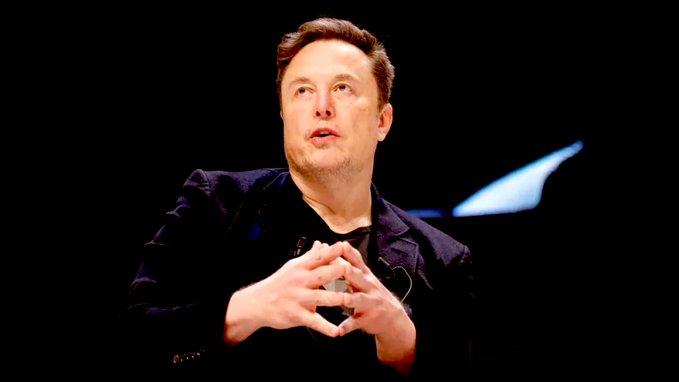
I. A Panoramic Layout of the Musk Ecosystem: The Cornerstone of Collaborative Influence
Musk's core enterprises and major investments cover multiple key technology fields, with their scale and market influence growing day by day:
1. Global Communication and Social Integration
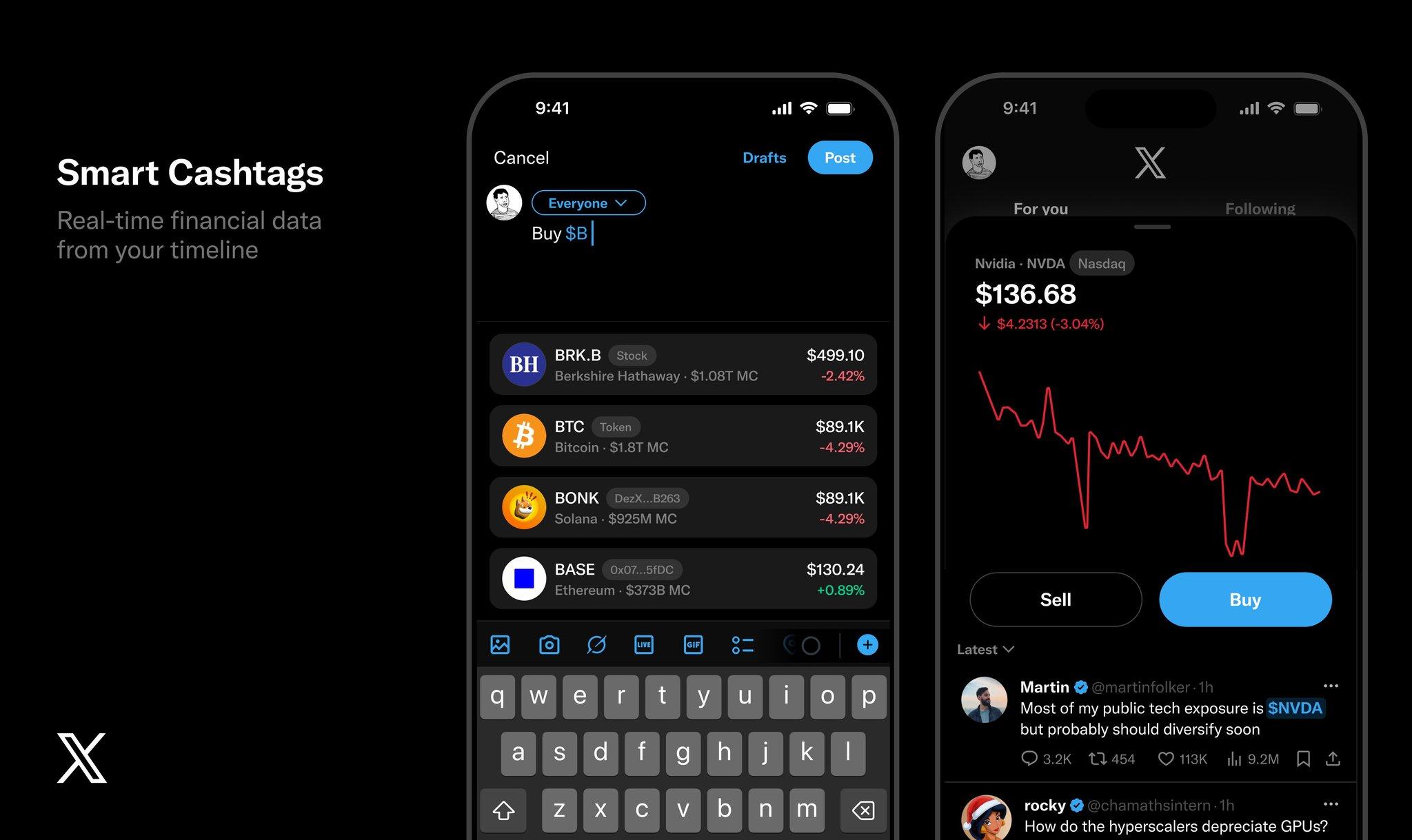
- X (formerly Twitter): Reshaping the business model of social media, enhancing payment and financial interactions, and currently planning to integrate the "X Money" payment system, which aims to support global cryptocurrency transactions and personal settlement functions.
- Starlink: As of 2023, it has over 1.2 million active users, serving more than 50 countries, primarily aimed at connecting urban and remote communication needs. The expected user growth rate is close to 30% per year, and in the next decade, paid users may reach 20 million.

2. Electric Vehicles and Energy Industry
Tesla: As of 2023, global sales have surpassed 4 million units, and it has significantly advanced new energy technology beyond traditional automotive manufacturing. With a network of over 50,000 supercharging stations, Tesla's energy business has further expanded, with its energy division generating $4.3 billion in revenue in 2022.
SolarCity: Founded by the Musk family and integrated into Tesla, it promotes distributed energy trading and the spread of clean energy through solar panels and energy storage technology on a global scale.
3. Aerospace and Future Transportation
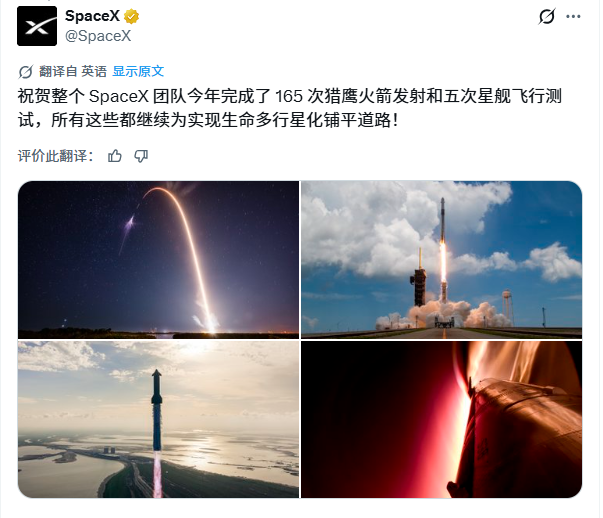
SpaceX: From satellite launches to heavy rocket commercial services, as of 2023, SpaceX has completed over 200 launch missions, with plans to achieve an annual launch volume of over 50. Meanwhile, Musk is advancing plans for human colonization of Mars, aiming to start large-scale Mars colonization by 2030—this new economic model requires seamless cross-border payments.
The Boring Company: Developing an autonomous underground transportation system, it has connected multiple testing areas and is exploring ways to reduce urban transportation costs.
Hyperloop: Building a future ultra-high-speed long-distance transportation solution, theoretically reaching speeds of over 1,000 kilometers per hour, with plans for global borderless transport.
4. Brain-Computer Interfaces and Medical Technology
- Neuralink: The potential market for brain-computer interface devices is vast, with the global brain medical market estimated to exceed $2.2 billion in 2023, expanding at a 24% compound annual growth rate. Neuralink plans to gradually enter consumer subscription health services beyond the treatment field.
II. Future Vision of Fully Transitioning to Cryptocurrency Payments
Assuming the above enterprises fully adopt cryptocurrency payments, whether in consumer transaction models, corporate supply chain collaboration, or the payment tools themselves, the following transformations will occur.
1. Reconstruction of the Global Payment Ecosystem: A Unified System Across Fiat Currencies
Cryptocurrency will become the universal currency within the Musk ecosystem, breaking the limitations of national borders and cross-border transactions.
For example:
- Tesla consumers could use Bitcoin (BTC) or Dogecoin (DOGE) to purchase electric vehicles, energy products, or even subscribe to fast charging services. Based on the approximately 700 million charging transactions generated by Tesla's supercharging stations in 2023, if 10% of consumption shifts to cryptocurrency payments, even with an average single charging cost of $15, the total cryptocurrency transaction volume would approach $1 billion.
- SpaceX's launch services could accept cryptocurrency settlements from international users, with the price of a single commercial launch service around $60 million. If the future annual launch volume exceeds 50, the annual cryptocurrency settlement trade volume could even exceed $3 billion.
2. Digitalization of Consumer Experience: Wallets Replacing Banks
The consumer experience within the technology ecosystem will seamlessly integrate into the cryptocurrency payment model:
- In the Tesla Robotaxi model, vehicles could automatically deduct trip fees based on blockchain. For example, calculating an average one-way fee of about 0.001 Bitcoin (approximately $30 at current BTC rates), combined with machine learning smart driving, consumer payments would no longer rely on banks.
- Starlink users paying by cryptocurrency based on usage is no longer science fiction. If 20% of the existing 1.2 million users choose to pay their monthly subscription fee (average fee $90) with Dogecoin, the total transaction volume could reach approximately $260 million, further promoting a decentralized communication economy.
3. Global Corporate Collaboration: Blockchain Supply Chain Activating Efficiency
The blockchain cryptocurrency payment model can enhance the efficiency of capital flow and reduce intermediary costs:
- SolarCity's energy solution will achieve decentralized trading. For example, directly paying for solar power through smart contracts, with pricing per kilowatt potentially based on real-time market data (e.g., 0.0005 BTC/kWh).
- SpaceX could collaborate with international commercial satellite companies to directly settle launch and satellite deployment costs through cryptocurrency, potentially increasing annual transaction volume and enhancing market competitiveness.
Note: Mainstream assets like BTC and DOGE can be traded on leading platforms, such as:
OKX (20% cashback):
https://web3.okx.com/ul/joindex?ref=AICOIN88
Binance (10% cashback):
https://web3.binance.com/referral?ref=SEPRFR9Q
III. Profound Impact on the Global Economic Landscape
1. Challenges to Banks and Traditional Payment Networks
Traditional payment networks represented by SWIFT and Visa will be impacted by this model:
- Transaction fees for cryptocurrency payments are typically less than 0.5%, while Visa's international credit card fees usually range from 1.5% to 3%.
- The current global bank payment market size is close to $15 trillion. If 10% of cross-border payments shift to cryptocurrency, traditional banks could lose over $150 billion in the payment sector.
2. Regulatory and Taxation System Readjustments
Governments face issues of tax control and capital outflow. With the global value of the cryptocurrency market estimated at about $1.1 trillion in 2023, if cryptocurrency payments double in popularity over the next decade, national tax base adjustments and regulatory policies will face significant challenges.
3. Technological Innovation and Changes in Competitive Landscape
The transformation of corporate payments will open up competitive scenarios. The Musk ecosystem has a high degree of integration advantage, while other traditional enterprises or tech companies will have to face the choice of "follow or be eliminated."
For example: If the Musk ecosystem captures 30% of the global cryptocurrency payment market, based on the projected global cryptocurrency transaction volume exceeding $6 trillion by 2030, its ecosystem could span both financial and consumer sectors, becoming an undeniable economic dominant force.
4. Future Vision Brought by Cryptocurrency Payment Economy
Based on data analysis, the Musk ecosystem's full transition to cryptocurrency payments is not only a technological innovation but also a profound restructuring of economic models. Once blockchain and cryptocurrency become the core of payments for the above enterprises, from transportation and energy to communication and healthcare, consumer lifestyles will become more digitalized and efficient. The economic relationships between global enterprises and nations will be redefined, and traditional financial institutions, supply chain networks, and payment systems may enter an unprecedented competitive landscape.
Musk is not only a promoter of technological change but may also become the designer and executor of the future global decentralized economic model, leading the world into a borderless, freely unified digital economy era. This is not only a victory for technology but also the ultimate challenge to the limits of human economic innovation.
Join our community to discuss and grow stronger together!
Official Telegram community: t.me/aicoincn
AiCoin Chinese Twitter: https://x.com/AiCoinzh
Group Chat - Wealth Group:
https://www.aicoin.com/link/chat?cid=10013
免责声明:本文章仅代表作者个人观点,不代表本平台的立场和观点。本文章仅供信息分享,不构成对任何人的任何投资建议。用户与作者之间的任何争议,与本平台无关。如网页中刊载的文章或图片涉及侵权,请提供相关的权利证明和身份证明发送邮件到support@aicoin.com,本平台相关工作人员将会进行核查。


