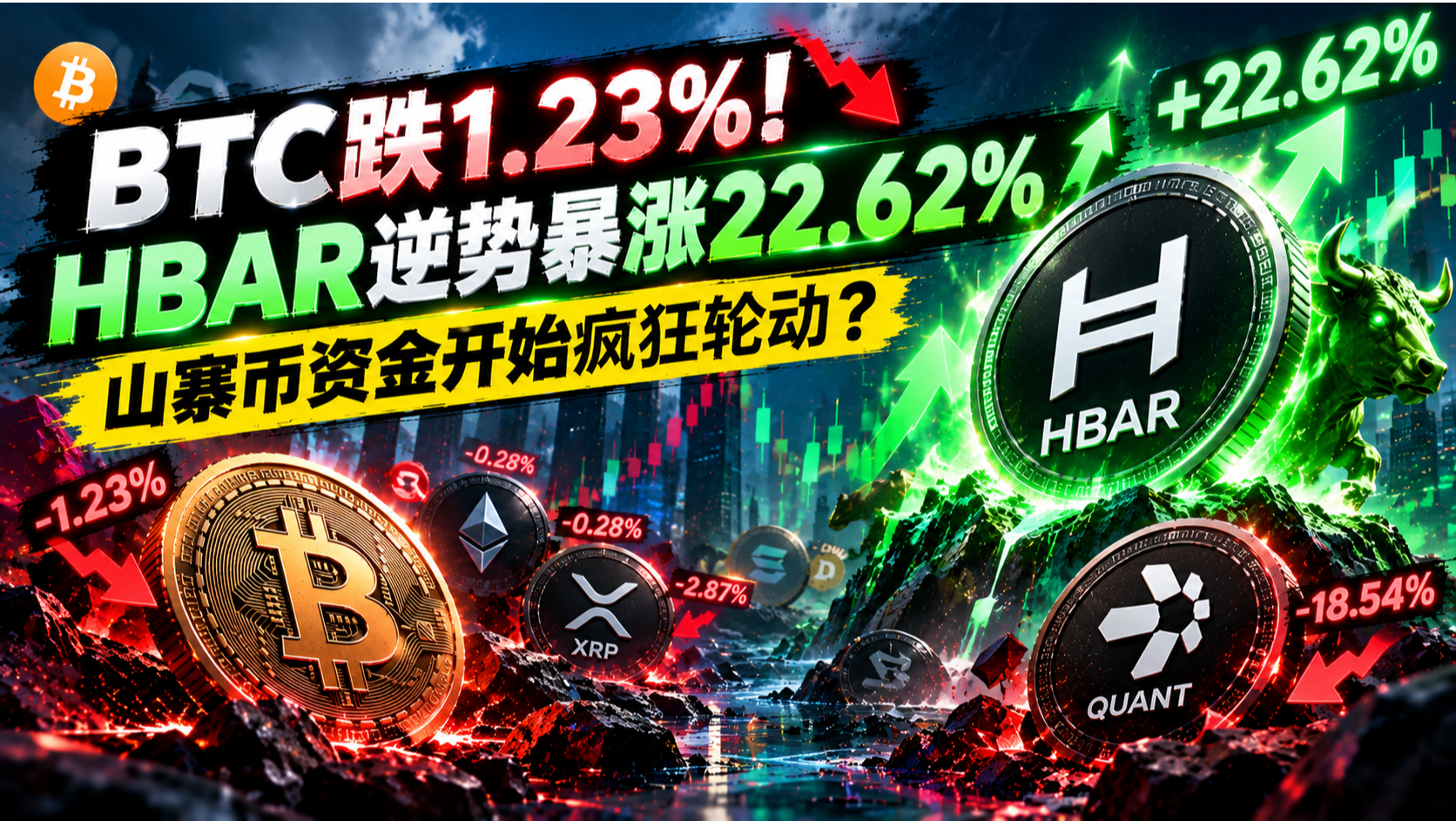
One end sees the prices of precious metals like gold and silver continuously reaching historical highs, showcasing an "epic" market; on the other end, the cryptocurrency market appears desolate, with retail interest waning. The global Google search volume for the term "cryptocurrency" has dropped to 26 (on a scale of 0-100) by the end of the year, nearing its low for the year.
This is not a coincidence of market fluctuations; behind it lies a profound shift in macroeconomic logic, market structure transformation, and investor risk appetite.
1. Market Phenomenon: Gold and Silver "Surge" vs. Cryptocurrency "Cold Wave"
1. Precious Metals Market "Soaring"
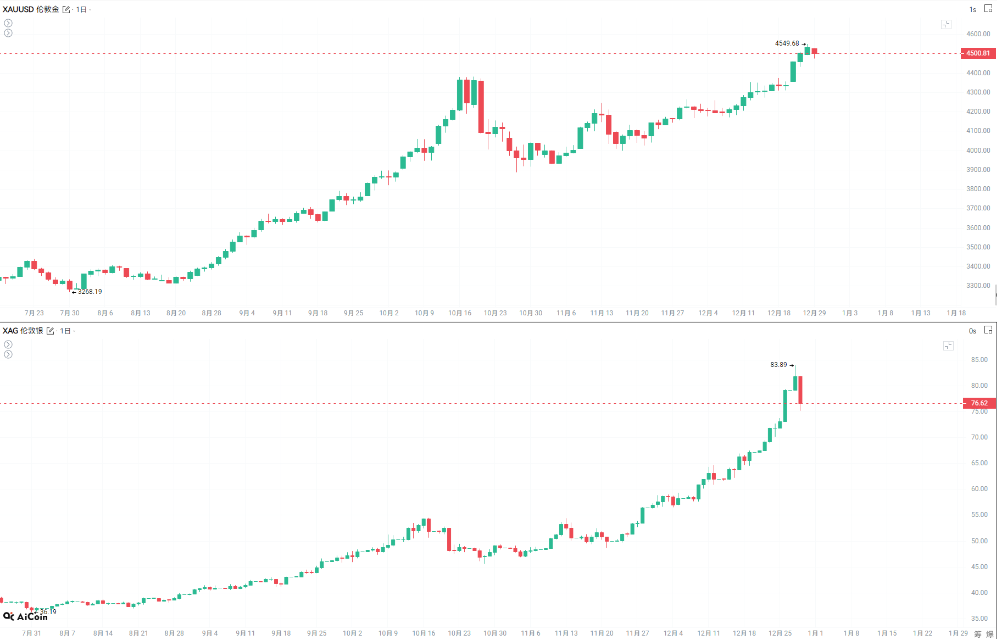
● This year, precious metals have undoubtedly been the most dazzling asset class globally. Gold prices have risen over 70% this year, marking the best annual performance since 1979. Silver's performance is even more astonishing, with an increase of 140% to 170%, firmly holding the top spot in global asset price increases.
● As the year comes to a close, both prices remain strong, continuously setting new historical highs. This market trend is no longer a simple cyclical rise but is widely defined by the market as a "bull market" and possibly the starting point of a new cycle.
2. Cryptocurrency Search Volume Plummets
● In stark contrast to the fervor of the precious metals market is the chill emanating from the cryptocurrency world. A key indicator measuring retail market interest—the Google search volume—shows that global interest in the term "cryptocurrency" remains low. By the end of December, this figure was only 26, far from the peak of 100 reached in January due to favorable policy expectations.
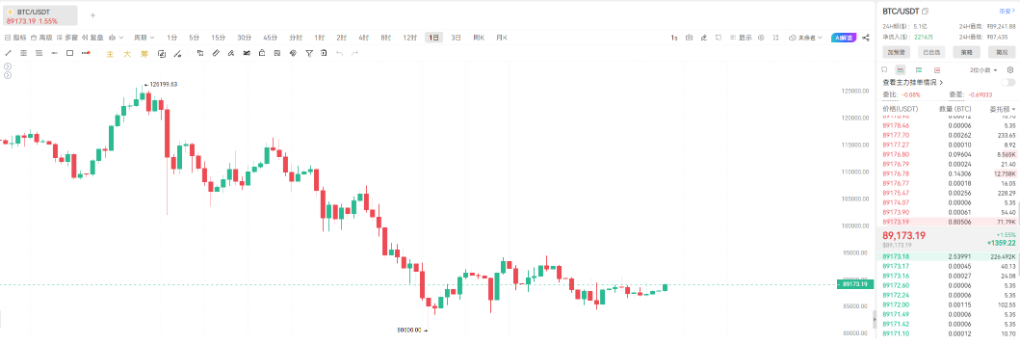
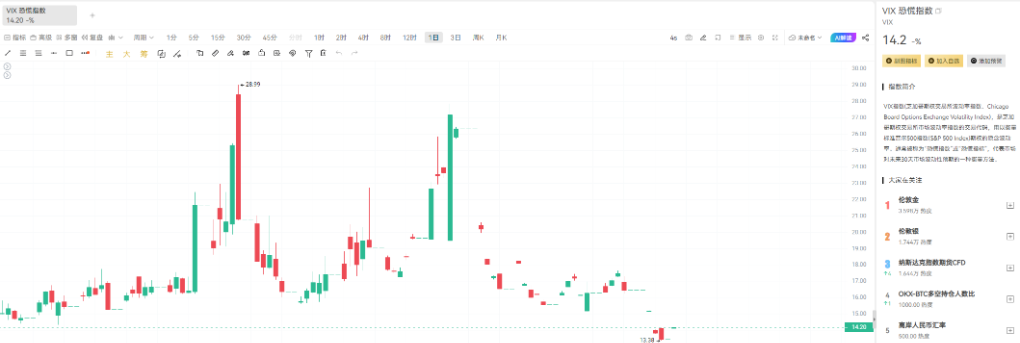
● The market sentiment index has also long oscillated between "fear" and "extreme fear," currently sitting at 14. This clearly reflects that after the flash crash in October, retail investor sentiment has soured, and there is a lack of confidence in the current market situation.
2. Market Landscape Behind the Data
Current market data clearly outlines a picture of "ice and fire" in asset performance. Different asset classes exhibit significant divergence in price increases, market sentiment, and core driving logic, profoundly revealing the new layout and preference shifts of capital under the global macro changes.
● Gold achieved an annual increase of over 70% in 2025, marking its best annual performance since 1979. This extraordinary achievement is driven by multiple macro forces. Long-term concerns about the credit of the US dollar and the global practice of "de-dollarization" have prompted central banks worldwide to continue purchasing gold, providing solid strategic support for prices.
At the same time, expectations of interest rate cuts from the Federal Reserve have reduced the opportunity cost of holding non-interest-bearing assets, while ongoing geopolitical risks have continuously stimulated demand for gold as the ultimate safe-haven asset. These intertwined factors have pushed gold to historic highs.
● Silver has performed even more brilliantly, with an annual increase of 140% to 170%, firmly holding the top spot in global asset price increases, and the tight inventory situation in the spot market has further exacerbated price volatility.
The crazy surge in silver prices stems from its unique "dual attributes": on one hand, it fully shares the financial attributes and safe-haven logic of gold; on the other hand, its irreplaceable demand in modern industries such as photovoltaic new energy and AI electronic components sharply contrasts with the long-standing supply shortage.
This "financial + industrial" dual drive has allowed silver to exhibit price elasticity far exceeding that of gold in the bull market, making it the most dazzling star in this commodity bull market.
● The cryptocurrency market, however, appears heavy with atmosphere. The global Google search volume measuring retail interest has dropped to 26 (on a scale of 0-100) by the end of December, a decline of over 70% compared to the peak of 100 during the favorable policy period at the beginning of the year.
The market sentiment index has also long remained around 28 in the "fear" range. This malaise is not coincidental; it reflects a profound transformation in market structure. The market flash crash in October 2025 severely impacted retail confidence, and a deeper reason lies in the fact that the dominant forces in the market are rapidly shifting from emotional retail investors to institutional investors focused on long-term asset allocation.
At the same time, the gradual clarification and normalization of regulatory frameworks worldwide, while paving the way for the long-term development of the industry, also signify the end of the era of wild growth, with the market entering a cooling period dominated by new rules and new protagonists.
3. Deep Logic: Why Are Gold and Silver "Soaring"?
The surge in gold and silver prices is not driven by a single factor but is the result of the resonance of multiple macro and structural forces.
1. Deep Concerns About US Dollar Credit and "De-dollarization" Practices
● In recent years, geopolitical events have prompted a rethinking of sovereign credit assets in the market. Central banks, based on long-term considerations of foreign exchange reserve diversification and asset security, have continued to increase their gold holdings while reducing their custody scale in traditional financial centers, forming a trend of "gold buying." This has built a solid long-term bottom support for gold prices, highlighting the "non-sovereign credit asset" attribute of gold.
2. Fundamental Shift in Macro Policy Expectations
● The market's expectation of the Federal Reserve entering a rate-cutting cycle is one of the core macro catalysts for this round of market activity. The expectation of rate cuts has lowered the opportunity cost of holding non-interest-bearing assets like gold, enhancing its attractiveness.
● At the same time, the US "Too Big to Fail" Act is expected to significantly increase government deficits, impacting the credit of the US dollar and further reinforcing gold's characteristics as a "substitute for credit currency." The market is effectively pricing in "future policy rate declines, resilient inflation, and fiscal expansion," collectively lowering long-term real interest rates.
3. Geopolitical and Trade Frictions Intensify Safe-Haven Demand
● The escalation of global trade frictions, particularly the US's volatile tariff policies, has directly triggered market risk aversion. Geopolitical tensions, such as events related to Venezuela, have also continuously increased the inherent demand for gold as a safe-haven tool. These uncertainties have not only boosted allocation demand but have also substantially disrupted the global supply chain of commodities like silver, exacerbating short-term price volatility.
4. Silver: Industrial Demand as a "Super Amplifier"
● The surge in silver prices, in addition to sharing all the financial and safe-haven logic of gold, is critically driven by its irreplaceable industrial attributes. In the fields of new energy and electrification, especially in the photovoltaic and AI industries, silver demand has surged, leading to a continuous supply gap in the market for several years.
● Currently, silver inventories have dropped to low levels. When the financial and industrial attributes resonate, the relatively shallow market for silver significantly amplifies its price elasticity, resulting in a more aggressive upward trend than gold.
4. Structural Transformation: Why Is Cryptocurrency "Cooling"?
The low search volume for cryptocurrencies is superficially a consequence of price volatility and the aftereffects of the "flash crash," but at its core, it reflects a fundamental change in market participants and driving logic.
1. The Turning Point from "Retail Frenzy" to "Institutional Dominance"
● In 2025, the cryptocurrency market reached a structural turning point. With the successful operation and expansion of compliant products like the US spot Bitcoin ETF, institutional capital gained standardized access to the market. The source of new demand in the market has shifted from emotionally driven retail investors to institutional investors focused on asset allocation.
● Institutions have become the "marginal buyers" in the market, making decisions based more on macro analysis and risk budgeting rather than short-term narratives. This has led to a structural decline in market volatility while increasing sensitivity to macro variables like interest rates. The temporary exit or wait-and-see stance of retail investors is an external manifestation of this historic transition process.
2. Market Infrastructure Development and Regulatory Normalization
● In 2025, the rapid development of stablecoins (like USDC) and the tokenization of real-world assets (RWA) indicates that the cryptocurrency market is evolving from "crypto-native financial experiments" to a "blockchain dollar financial system." The signing of the US "GENIUS Act" has for the first time brought payment stablecoins under federal regulatory frameworks, marking the entry into a phase of clarity and normalization in regulation.
● This means that the "survival assumptions" of the industry have changed, reducing uncertainty risk premiums but also raising compliance requirements for participants. The market is becoming more rational and infrastructure-oriented, naturally leading to a decline in the "FOMO" (fear of missing out) sentiment previously driven by retail investors.
3. Continuous Education and Impact of Risk Events
● A series of risk events throughout the year, such as theft from major exchanges and chain liquidations triggered by high leverage at historical highs, have continually emphasized the unique operational, custody, and leverage risks associated with crypto assets. These events have educated the market, especially retail investors, enhancing their risk awareness and leading to more cautious investment behavior.
5. Connections and Outlook: Diverging Paths or Common Destinies?
The current divergence between precious metals and cryptocurrencies reflects different funding priorities under varying macro environments.
1. Short-term Distinction Between "Safe-Haven" and "Risk" Asset Attributes
● In the macro context of intertwined expectations of Federal Reserve rate cuts, geopolitical turmoil, and concerns about "de-dollarization," the market has priced gold's "ultimate safe-haven asset" and "non-credit currency" attributes to the extreme. The influx of funds into precious metals is a typical defensive and strategic allocation behavior.
● In contrast, while cryptocurrencies are being incorporated into institutional asset allocation portfolios, they are still largely viewed as "risk assets" or "emerging growth assets" associated with traditional macro cycles. In the aftermath of the October flash crash and during the market structure transition period, their attractiveness has temporarily ceded to more certain traditional safe-haven havens.
2. Potential Convergence of Long-term Logic
● From a longer-term perspective, the two are not entirely parallel. The logic supporting gold's rise—"distrust of the traditional monetary system" and "asset diversification"—resonates philosophically with the narrative of "decentralized value storage" advocated by cryptocurrencies like Bitcoin. Both serve, to some extent, as "hedging tools" against the US dollar credit system.
● Additionally, the rapid development of RWA (real-world asset tokenization) in the cryptocurrency world, one of the most important categories being the tokenization of gold ownership, may technically bridge the two asset classes.
3. Future Outlook and Risk Warnings
● For precious metals, most analyses suggest that the core logic of their rise is strategic and sustainable, indicating that the market may be at the beginning of a long-term "bull market" rather than the end of a "feast." However, short-term risks cannot be ignored: the current market is crowded with trades, prices have factored in many optimistic expectations, volatility has reached historical extremes, and any reversal of macro expectations (such as better-than-expected US economic data delaying rate cut expectations) could trigger a "liquidation" of high-leverage long positions and significant corrections. This is especially true for silver, which, due to its smaller market capacity, is more sensitive to changes in liquidity.
● For cryptocurrencies, the short-term low interest from retail investors masks profound internal evolution. The market is accelerating towards institutionalization, compliance, and infrastructure development. Once the market completes its structural adjustments and establishes a more robust financial foundation, public attention may return in a healthier manner alongside a new growth cycle.
● The future cryptocurrency market will be driven less by search popularity and social sentiment and more by institutional capital flows, regulatory policies, and actual application demands.
The contrast between precious metals and cryptocurrencies at the end of 2025 serves as a vivid macro-financial lesson. It reveals the urgent pursuit of "certainty" and "security" by capital in an era of uncertainty; it also signifies the growing pains and structural reshaping that emerging markets must undergo as they transition from chaos to maturity and regulation.
For investors, understanding the multiple macro narratives behind the "surge in gold and silver" and discerning the profound changes hidden beneath the "cooling of cryptocurrencies" is more important than merely chasing price fluctuations. The market's pendulum always swings between euphoria and fear, but what truly creates long-term value is the underlying logic deeply rooted in fundamentals and the trends of the times.
Join our community to discuss and grow stronger together!
Official Telegram community: https://t.me/aicoincn
AiCoin Chinese Twitter: https://x.com/AiCoinzh
OKX benefits group: https://aicoin.com/link/chat?cid=l61eM4owQ
Binance benefits group: https://aicoin.com/link/chat?cid=ynr7d1P6Z
免责声明:本文章仅代表作者个人观点,不代表本平台的立场和观点。本文章仅供信息分享,不构成对任何人的任何投资建议。用户与作者之间的任何争议,与本平台无关。如网页中刊载的文章或图片涉及侵权,请提供相关的权利证明和身份证明发送邮件到support@aicoin.com,本平台相关工作人员将会进行核查。