Author: Liang Yu
Editor: Zhao Yidan
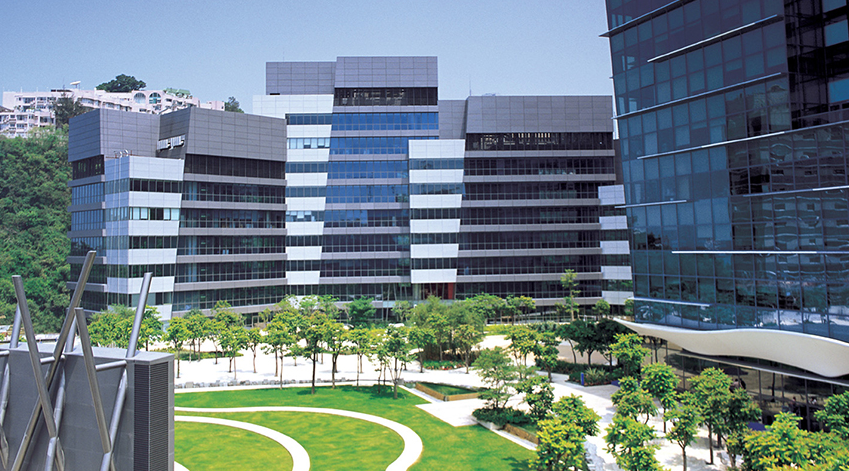
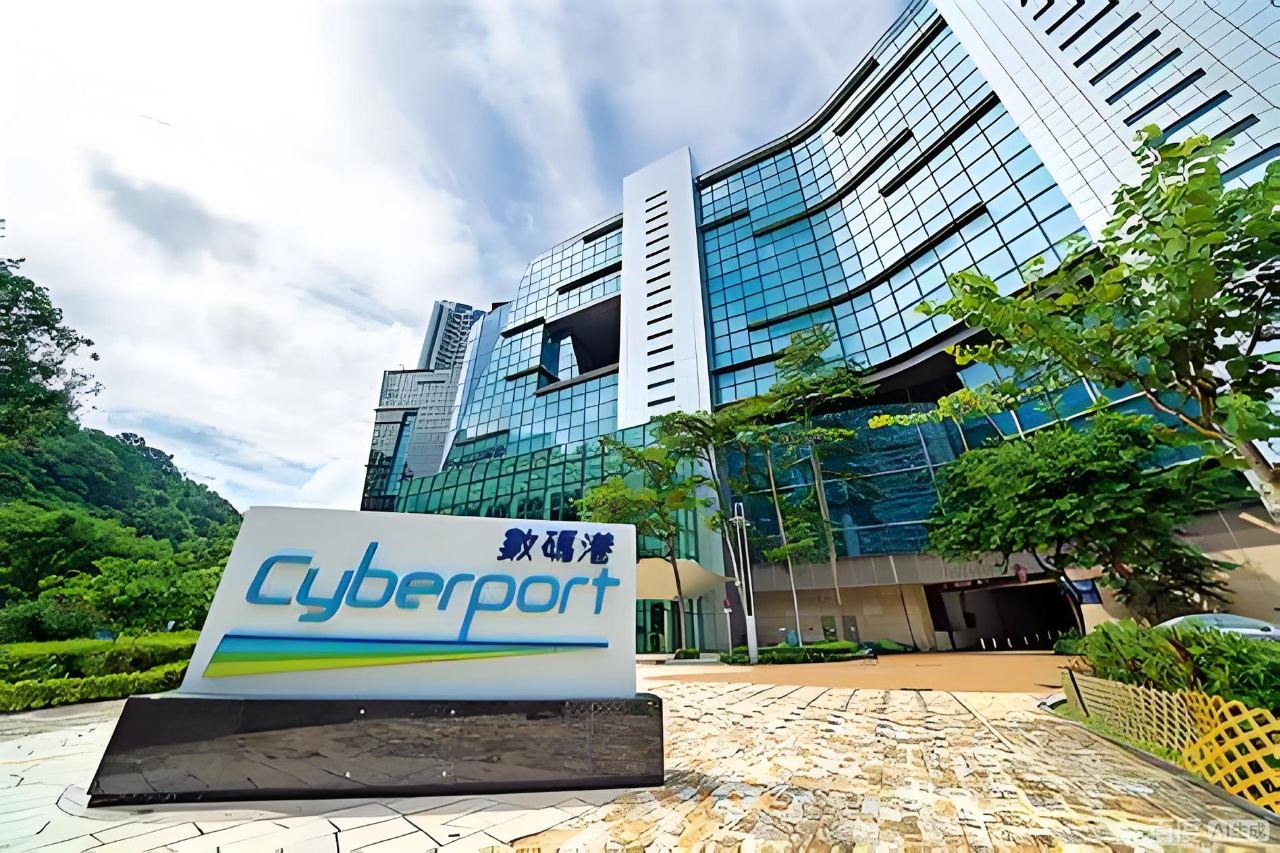
The "Blockchain and Digital Asset Pilot Grant Scheme" launched by Hong Kong Cyberport has begun to show results, with its unexpectedly positive market response quickly becoming a hot topic in the global RWA (Real World Assets) tokenization field. According to a report by Zhitong Finance on December 10, the first phase of the program received over 200 applications, with 9 companies ultimately shortlisted, and nearly half of the projects have entered the implementation stage, involving an asset scale of over HKD 120 million. This dynamic not only demonstrates the innovative vitality of the market but also signifies that Hong Kong is attempting to solve the global dilemma of "grand blueprints, difficult implementations" in the RWA field through a pragmatic approach—using funding to guide scenario pilots and accelerating the closed loop through ecosystem aggregation. Amidst the competition among major global financial centers for new digital asset tracks, this initiative positions Hong Kong as a key experimental field in the deep integration of blockchain and traditional finance.
1. Global Consensus and Implementation Challenges of RWA: The Gap Between Ideal and Reality
RWA tokenization is widely regarded as the most important narrative for the next round of blockchain technology empowering the real economy. Its core logic lies in the transformation of traditional assets such as real estate, bonds, commodities, and even intellectual property into on-chain digital certificates, which is expected to achieve asset fragmentation, enhance liquidity, and leapfrog transaction settlement efficiency. Larry Fink, CEO of BlackRock, has repeatedly stated that tokenization is the future of capital markets. The Bank for International Settlements (BIS) also affirmed the potential of this trend in its 2023 report.
However, globally, there are still multiple deep chasms between the conceptual consensus on RWA and its large-scale application. The primary challenge comes from the fragmentation of technology and standards. Assets on different protocols and chains are difficult to interoperate, creating new "digital islands." Secondly, legal and regulatory certainty is a prerequisite for institutional capital entry. Issues such as the legal nature of tokenized assets, the order of creditor claims in bankruptcy proceedings, and cross-border jurisdiction are still in the exploratory stage in most jurisdictions. Finally, constructing a commercial closed loop is exceptionally complex. A successful RWA project requires seamless connections among asset initiators, technology platforms, custodians, law firms, auditors, and exchanges; any weakness in one link could lead to the collapse of the entire process.
For this reason, small-scale, supervised "pilots" have become a key first step to breaking the deadlock. They do not pursue immediate trading volume but aim to verify technical solutions, clarify compliance boundaries, streamline collaborative processes, and accumulate crucial market trust in a real environment with controllable costs. The funding program from Hong Kong Cyberport precisely targets this critical juncture.
2. Three-Dimensional Dissection of Hong Kong's Strategy: Seeking Balance Between Robust Regulation and Bold Innovation
In the face of common challenges, Hong Kong's strategy is not a simple policy loosening but a carefully designed combination of "policy guidance, scenario pilots, and ecosystem empowerment," striving to achieve a balance between financial stability and innovation incentives.
At the policy level, Hong Kong is committed to building a clear and progressive regulatory framework. The Hong Kong Monetary Authority (HKMA) and the Securities and Futures Commission (SFC) are the two core promoters. In 2023, the HKMA released a discussion paper on "Regulatory Principles for Tokenized Assets" and legislative proposals for "Regulatory Framework for Stablecoins," clarifying the principle of "same risk, same regulation," aiming to delineate a runway for compliant innovation. The SFC has already established a licensing system for Virtual Asset Service Providers (VASPs) and provided clear guidelines for funds investing in virtual assets. These measures provide an initial compliance operation manual for core RWA businesses such as Security Token Offerings (STOs). The Cyberport pilot can be seen as a "stress test" under this top-level design, with its feedback directly used to optimize subsequent regulatory details.
At the scenario level, the funding program reflects a high degree of focus and pragmatism. The application projects concentrate on RWA tokenization, stablecoin payments, and Web3 security, which are the three foundational pillars of RWA commercial applications: asset on-chain, value transfer, and security assurance. The maximum funding of HKD 500,000 carries more symbolic significance and catalytic effect than full subsidies, significantly reducing the trial-and-error costs for early-stage entrepreneurs and encouraging them to test solutions under real commercial pressures rather than remaining in the technical demonstration stage.

At the ecosystem level, Hong Kong accelerates the aggregation of all elements to achieve the RWA closed loop. Cyberport has gathered over 300 blockchain-related companies and connected with over 220 investment institutions. This means that a pilot project has the opportunity to quickly connect with technical partners, legal advisors, auditing firms, and potential investors within the same physical and community space. This dense ecological network aims to solve the classic "chicken and egg" problem in innovation—without successful cases, the ecosystem is unwilling to invest; without ecosystem support, cases are difficult to succeed. Hong Kong has built a platform through the combined efforts of the government and the market, strongly initiating this positive cycle.
3. Global Experimental Field Tour: Hong Kong's Unique Positioning and Competitive Dimensions
In the global RWA competition, Hong Kong is not an isolated case. Singapore, the UAE, Switzerland, and other regions are actively laying out their strategies, but their paths and advantages differ.
Singapore is the most frequently compared competitor to Hong Kong. The "Project Guardian" led by the Monetary Authority of Singapore (MAS) also focuses on asset tokenization pilots but places more emphasis on guiding traditional large financial institutions (such as DBS Bank and JPMorgan) to take the lead in exploring areas like wholesale financing and cross-border trade, adopting a more robust and institutionalized style. In contrast, Hong Kong Cyberport's plan is more oriented towards innovative technology companies, with a more diverse range of scenarios aimed at nurturing a native digital asset ecosystem, characterized by a more vibrant and inclusive style.
The UAE (especially Abu Dhabi and Dubai) offers a highly flexible and friendly regulatory framework through free zones to attract global Web3 companies, with advantages in regulatory responsiveness and tax incentives. Switzerland, with its long-standing private banking tradition and clear legal framework for crypto assets, leads in the integration of cryptocurrency custody and banking services.
In this landscape, Hong Kong's unique advantage lies in its irreplaceable "bridge" role: backed by the vast real economy and asset stock of mainland China, it connects with the globally open capital and markets. This advantage means that Hong Kong's RWA experiments can not only test globally applicable scenarios but also deeply explore unique opportunities related to Chinese factors, such as exploring innovative structures involving mainland assets or cross-border capital flows under compliance. This strategic depth is not available in Singapore or the UAE.
4. Glimpsing the Future: Deepening Pilots, Strengthening Bridges, and Evolving Ecosystems
Based on the effectiveness of the first phase of the program and the global competitive landscape, the future path of RWA development in Hong Kong is beginning to take shape.
The pilots will evolve towards higher complexity and broader scope. The second phase of the program is expected to encourage more comprehensive pilots across borders and industries. For example, exploring the full digitalization and automation of letters of credit, bills of lading, and payment flows in international trade; or experimenting with the tokenization of movable property financing combined with IoT data (such as warehousing and logistics monitoring). The pilots will also place greater emphasis on integration testing with traditional financial infrastructure, such as exploring how tokenized assets can interact with Hong Kong's Fast Payment System and the potential future digital Hong Kong dollar (e-HKD).
Hong Kong's "super connector" function will be unprecedentedly strengthened. RWA is expected to become a new conduit connecting the mainland and international markets. A potential massive scenario is to explore the tokenized financing of infrastructure assets with stable cash flows owned by the mainland (such as smart parks, logistics hubs, and clean energy projects) through compliant legal structures (such as SPVs) in Hong Kong for global qualified investors. This requires Hong Kong's ecosystem to not only possess technical capabilities but also to be proficient in the legal, accounting, and regulatory logics of both regions.
Global competition will enter a stage of comprehensive strength comparison of ecosystems. Future competition will transcend the simple comparison of regulatory looseness and tighten, shifting towards a contest of ecosystem integrity, depth of professional services, and market scale potential. Hong Kong needs to consolidate its traditional advantages in high-end service industries such as law, accounting, and tax consulting, while cultivating more compound talents familiar with both blockchain and traditional finance. The ability to form a batch of internationally influential successful RWA cases and export replicable models and standards will be key to measuring its success or failure.
5. The Ultimate Outcome of RWA is the Victory of Trust and the Maturity of the Ecosystem
The pilot grant program from Cyberport serves as a carefully designed "stress test," examining not only the blockchain technology itself but also the readiness of the entire social financial system to accept a new paradigm. It reveals a fundamental principle: the success of RWA is essentially a composite product of institutional innovation, technological integration, and ecological collaboration.
The path currently chosen by Hong Kong—establishing a foundation with a clear and dynamically adjustable policy framework, guiding real scenario validation with precise funding, and catalyzing resources through a platform-based ecosystem—reflects a highly pragmatic systems engineering mindset. It does not shy away from obstacles but systematically identifies, disassembles, and tackles these barriers by constructing a "miniature" real world.
For global observers, the experimental value of Hong Kong is immense. It will continue to answer a series of critical questions: Which asset classes can first run through the entire process? What legal structures best balance efficiency and security? How can the ultimate concerns of institutional investors be alleviated? The answers refined from practice will not only shape the future of Hong Kong as an international digital asset center but also provide crucial Asian experience and wisdom for the healthy development of global RWA. Ultimately, when trust is firmly established through countless successful interactions, and when the ecosystem becomes robust and mature by solving practical problems, the grand narrative of RWA will truly penetrate the fluctuations of financial cycles, transforming from a heated concept into a solid force reshaping the global asset landscape.
Some sources of information:
· "Cyberport: Nine Companies Shortlisted for the Blockchain and Digital Asset Pilot Grant Scheme"
· "Cyberport Welcomes the Digital Asset Policy Declaration 2.0 Issued by the HKSAR Government and Launches the 'Blockchain and Digital Asset Pilot Grant Scheme' to Support Industry Development"
免责声明:本文章仅代表作者个人观点,不代表本平台的立场和观点。本文章仅供信息分享,不构成对任何人的任何投资建议。用户与作者之间的任何争议,与本平台无关。如网页中刊载的文章或图片涉及侵权,请提供相关的权利证明和身份证明发送邮件到support@aicoin.com,本平台相关工作人员将会进行核查。


