Long time no book recommendations! Recently, the speech by Mr. Fu Peng (Chief Economist of Northeast Securities) at the Phoenix Bay Area Financial Forum has been particularly popular. I believe many people have watched it. I basically live-streamed the entire forum, and for those who haven't listened, here is the YouTube link below.
Link: https://www.youtube.com/watch?v=OIzFk4qnvfc
In fact, it essentially explains one thing: when the future capital return level of the entire society is less than the interest rate under the condition of insufficient effective demand, no one is willing to invest anymore, leading to overcapacity, sluggish demand, cost reduction and efficiency improvement in factories, layoffs and salary cuts, further decline in demand, reduced investment in factories, and a vicious cycle. What's even more frightening is that the government departments rarely take action, as mentioned at the beginning of the video, the United States has always thought that we are holding back, but after 2 years, they found that nothing has been held back…
In fact, China's current situation is similar to Japan in the 1990s. Although the social institutions are not the same, the current situation of enterprises and residents is basically the same. So the two books below are actually worth reading.
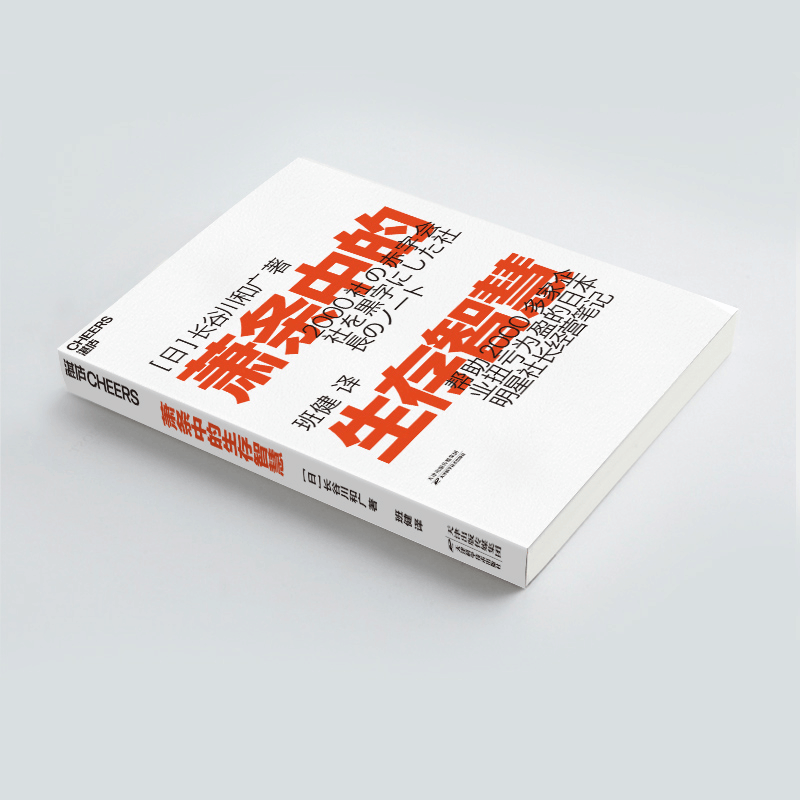
The first time I read Mr. Hasegawa and Mr. Guang's "Wisdom of Survival in Depression" was during the period of staying at home during the epidemic in 2021. We have experienced nearly 40 years of rapid economic development, but we have never really experienced a depression period. Many people have no feelings or experiences. Mature developed countries, such as the United States and Japan, have truly experienced it, such as the Great Depression in the United States in the 1930s, and the lost 30 years in Japan after the 1990s.
Recently, I have been reading Mr. Fu Peng's "Witnessing the Counter-current". In the entire Chinese financial community, I admire two people more, one is Mr. Fu Peng, and the other is Mr. Hong Hao (@HAOHONG_CFA). In China, it takes a lot of courage to speak the truth, and they are people with true insights and the courage to express them!
In the current economic situation in China, it is very beneficial to learn from and refer to history.
🏆 Here are 10 important suggestions:
Increase financial reserves: During a depression, cash flow is king. Accumulate emergency funds as much as possible for unexpected needs.
Reduce debt: Excessive debt can put people under economic pressure, especially during a depression. Repay unnecessary debts as early as possible.
Investment skills and knowledge: During an economic downturn, having diversified skills and knowledge can increase employment and entrepreneurial opportunities.
Frugal living: Simplifying your lifestyle and reducing unnecessary expenses can make you more stable during economic fluctuations.
Diversified investments: Do not put all your eggs in one basket; diversifying investments can reduce risks.
Community mutual assistance: Stay in touch with the community and help each other when needed to get through difficult times together.
Psychological resilience: Economic depression is not only a financial challenge, but also a psychological challenge. Maintaining a positive attitude and mental health is equally important.
Innovation and entrepreneurship: Depression periods often catalyze innovation. Seeking new opportunities and markets may bring unexpected success.
Learn self-sufficiency: Improve self-sufficiency, such as growing food and repairing items, to provide assistance in times of scarce resources.
Prepare for uncertainty: Economic depression may bring various uncertainties, so prepare various contingency plans in advance to deal with potential crises.
🏆 Similarly, during the depression, many Japanese trading companies have gained great opportunities in the "going out" road, and corresponding opportunities during the depression period:
Export-oriented industries: Due to the shrinking domestic demand, Japanese companies pay more attention to exploring international markets, especially the demand of neighboring Asian countries and emerging markets. This not only helps companies get rid of domestic economic difficulties, but also enhances the competitiveness of Japanese companies in the global market.
Solutions for an aging society: Japan is facing a serious aging problem, which is both a challenge and an opportunity. Medical care, elderly care services, smart homes, and assistive robots all have huge growth potential. Companies providing innovative solutions for an aging society may occupy advantageous positions in the future.
Thrifty consumer goods market: During a depression, consumers tend to pay more attention to value for money, which brings opportunities for companies offering low-cost, high-quality products. Especially in the fields of food (pre-made meals), daily necessities, and household appliances, products with strong price competitiveness will be more favored.
Tourism and cultural industries: During the depression in Japan, the output of tourism and culture brought huge market opportunities and created employment. The essence of the current domestic visa-free policy for most countries is also imitating Japan, allowing more foreign tourists to come to China, experience Chinese culture, and enjoy the scenery and food, bringing consumption demand.
Green industries and sustainable development: With increasing global attention to environmental issues, green technology and sustainable development industries have huge development prospects in Japan. Clean energy, circular economy, green buildings, and other fields are worth investing in and developing.
Education and retraining: During an economic depression, many people may face challenges of unemployment or career transition. Companies providing retraining, skills improvement, and vocational education can help people find job opportunities again and gain market returns.
Sharing economy and digital services: The sharing economy model is more attractive during a depression, especially in housing, transportation, and other fields. Digital services, such as online education, e-commerce, and remote office solutions, also show huge growth potential during a depression.
Finally, in a bear market, read more good books and communicate more. It's better to have a good teacher than to read thousands of books. I hope everyone can find a golden house and a beautiful face in books. Gratitude 🙏

免责声明:本文章仅代表作者个人观点,不代表本平台的立场和观点。本文章仅供信息分享,不构成对任何人的任何投资建议。用户与作者之间的任何争议,与本平台无关。如网页中刊载的文章或图片涉及侵权,请提供相关的权利证明和身份证明发送邮件到support@aicoin.com,本平台相关工作人员将会进行核查。


