Nvidia is facing a severe crisis that could reshape the leadership structure of the world's highest market-valued artificial intelligence chip manufacturer.
Due to CEO Jensen Huang being embroiled in multiple extramarital scandal, the company's board of directors is currently actively seeking potential successors to address the possible power vacuum.
According to Bloomberg and The Wall Street Journal, the Nvidia board held an internal meeting on Wednesday to decide on Huang's fate and has been working with external agencies to select new CEO candidates, including considering appointing a transitional CEO.
Previously, The New York Times revealed that Jensen Huang had an inappropriate relationship with a subordinate, further exacerbating earlier serious allegations of his affair with a Chinese woman.
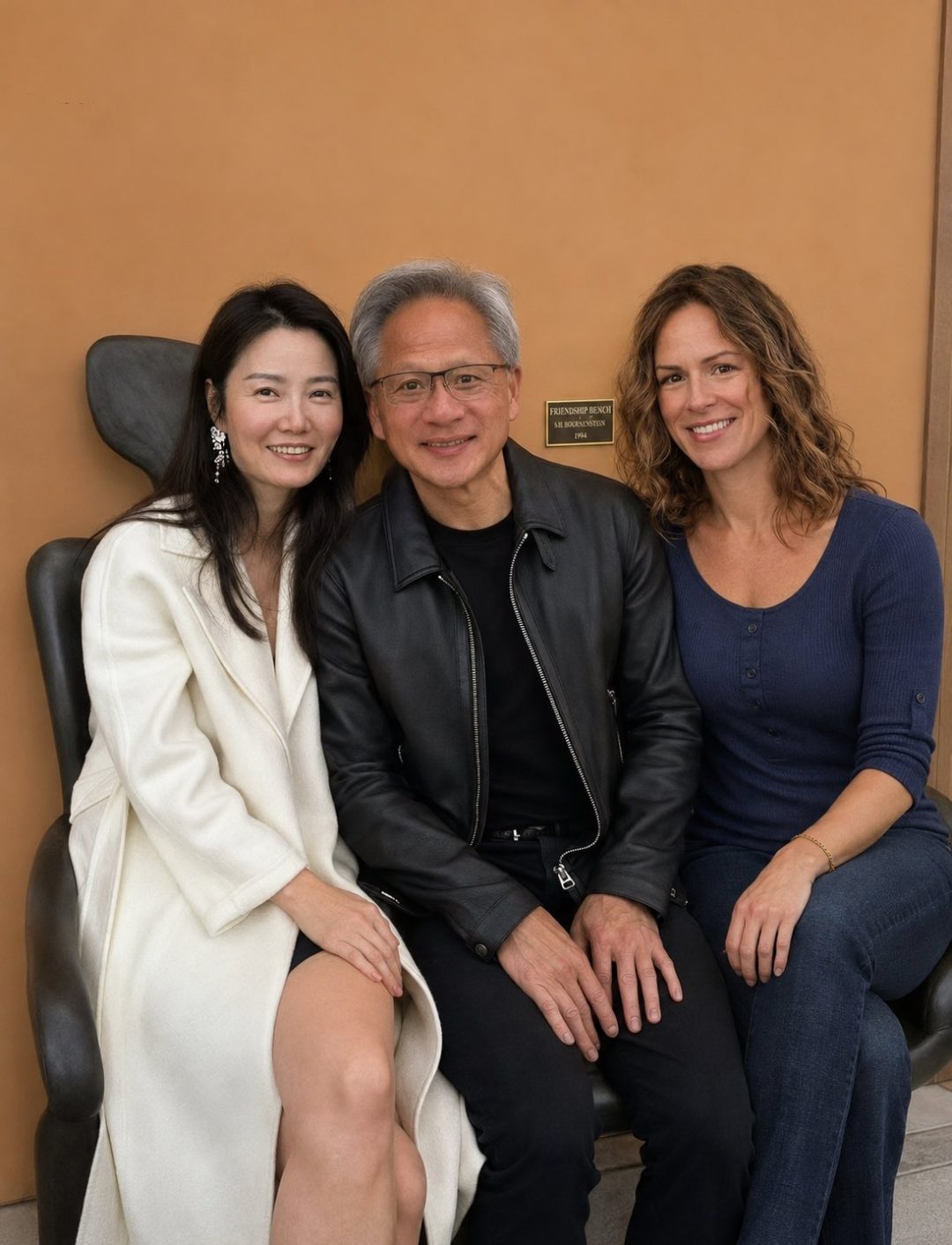 (The above image is generated by AI)
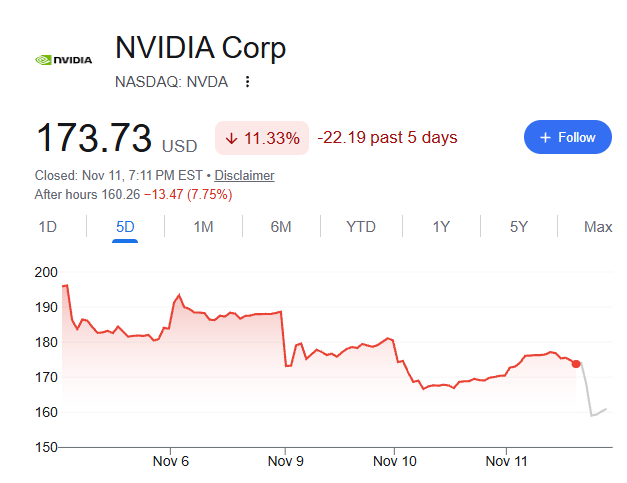
The uncertainty surrounding the succession has quickly triggered sharp reactions in the financial markets. In after-hours trading on Wednesday, Nvidia's stock price plummeted by as much as 9%, wiping out substantial market value in a single day and triggering widespread sell-off sentiment, dragging down other AI-related stocks like Intel and Dell Technologies.
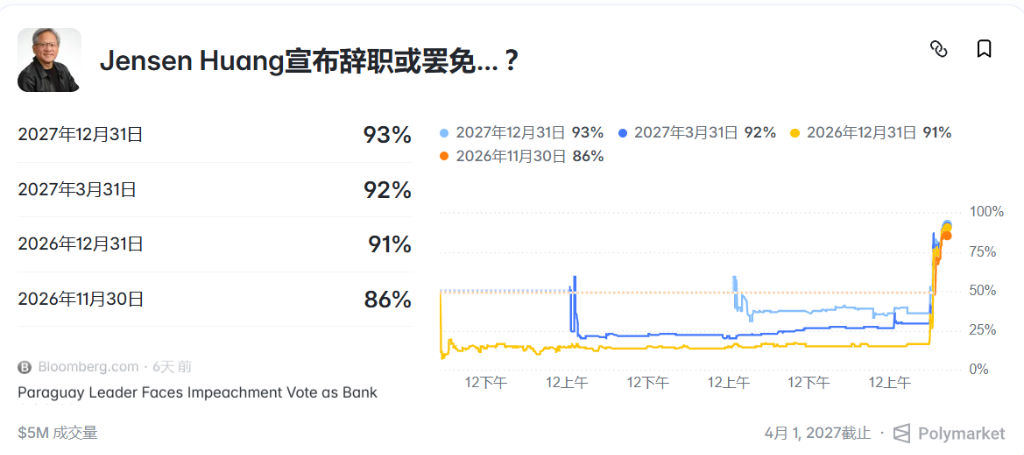
Polymarket data shows that the market's betting odds on the likelihood of Nvidia CEO Jensen Huang's departure or dismissal have skyrocketed. Currently, the probability of Huang leaving before November 30, 2026, has risen to 86%; by December 31, 2026, it rises to 91%, further increasing to 92% by March 31, 2027, and reaching 93% by December 31, 2027.
As Nvidia prepares to release its quarterly earnings next week, this series of unexpected events forces investors to confront unprecedented "key person risk."
Wall Street is closely evaluating what direct impact there would be on the entire AI industry's funding chain, client confidence, and development prospects if this core architect of AI infrastructure is forced to leave.
Jensen Huang has had extramarital relations with Nvidia executives, and US stock prices plunged in after-hours trading
According to reports by The New York Times, citing five individuals who have worked at Nvidia, CEO Jensen Huang had an extramarital affair with Vice President of Medical Health Business Kimberly Powell.
Reports indicate that during Nvidia's annual developer conference held in March in San Jose, California, Huang was spotted engaging in intimate actions with Kimberly Powell at a nearby hotel, and Huang's security personnel intervened immediately, asking witnesses to sign confidentiality agreements. Huang is 63 years old, and Powell is 48, both are married.
This incident has further intensified external scrutiny on Huang. The report stated that when reporters called Huang mentioning his relationship with Kimberly Powell, he simply said, "You shouldn't contact me directly," and hung up the phone. Nvidia declined to comment, and Powell did not immediately respond to requests for comment.
After the New York Times report, Nvidia's US stock dropped 3% in after-hours trading, and after news of Huang possibly being dismissed was reported, the stock plummeted by more than 9% at one point.
Kimberly Powell, during her tenure at Nvidia, led the initiatives to apply Nvidia chip technology to medical imaging equipment and higher education, and represented the company at global technology conferences.
At the GTC conference this March, Kimberly Powell delivered a keynote speech on the groundbreaking applications of artificial intelligence in healthcare and biology, using Huang's cartoon image during her presentation.
Independent investigation and board facing significant challenges
According to Reuters, the Nvidia board initiated an internal investigation on Sunday to address national security concerns mentioned in news reports.
However, the company's governance structure is under strict scrutiny from outside. There is no board chairman among Nvidia's 11 directors, and several independent directors (such as Mark Stevens) have been in office since the 1990s, making the personnel structure highly entrenched.
Marc Goldstein, head of US research at Institutional Shareholder Services (ISS), noted that while Wall Street typically affords Silicon Valley charismatic founders some leeway, Huang's judgment has now come under question, and the board must hire independent legal counsel to enhance the credibility of the investigation.
He suggested the board consider having long-serving directors recuse themselves from the investigation to prevent potential legal challenges from shareholders in the future. Former US Department of Justice official Gil Soffer emphasized that if the investigation confirms that Huang concealed relevant relationships and engaged in misconduct, then removing him would be an appropriate decision.
Key question: Did Jensen Huang disclose voluntarily?
One of the central focuses of the investigation is whether Jensen Huang ever disclosed this relationship to the company.
Nvidia's code of conduct lists "personal relationships" as one of the scenarios that could lead to conflicts of interest and explicitly requires employees to proactively contact the legal department for guidance when faced with potential or actual conflicts of interest.
Former US Department of Justice official and chairman of law firm Katten, Gil Soffer, stated via email that if Huang had fully and truthfully disclosed, it would be favorable to his current situation, as this means he did not conceal the relationship, allowing the board the opportunity to evaluate it and implement corresponding controls.
Soffer also pointed out that until more facts are made public, it is impossible to determine whether this relationship actually caused a conflict of interest, whether the board's current handling is appropriate, and to what extent Huang should be sanctioned. He stated that if Huang concealed the relationship and engaged in misconduct, "removal might be an appropriate course of action."
According to Nvidia's latest proxy statement, Huang's total compensation over the past three years amounts to $120 million, primarily in the form of stock awards. The company's bylaws allow the board to remove him by a majority vote, "with or without cause."
Wall Street reassesses "key person risk"
Market analysts express general concern about the potential leadership turmoil Nvidia may face.
Haris Khurshid, Chief Investment Officer of Karobaar Capital, pointed out that this is no longer a singular personal scandal but has evolved into serious governance and key person risks, with investors beginning to repricing the sentiment across the entire AI sector.
Joe Gilbert, portfolio manager at Integrity Asset Management, clearly stated that this will have "undoubtedly negative effects" on Nvidia and the entire AI ecosystem, as a successor would almost certainly be unable to replicate Huang's strategic vision.
Michael O’Rourke, Chief Market Strategist at Jonestrading, noted that Nvidia previously predicted a 70% increase in sales this year, and under aggressive sales strategies and vendor financing models, a successor might need an entire year to "put out fires and clean up the mess."
Matt Maley, Chief Market Strategist at Miller Tabak + Co, warned that Nvidia, as a significant funding source for the AI industry, may lead to a reduction in spending across the entire sector due to its leadership turmoil. Brian Mulberry from Zacks Investment Management believes that even if Huang steps down as CEO, he may still retain some functions as a strategic advisor or board member.
This article does not constitute personal investment advice and does not represent the views of the platform. The market carries risks, and investments must be cautious; please make independent judgments and decisions.
免责声明:本文章仅代表作者个人观点,不代表本平台的立场和观点。本文章仅供信息分享,不构成对任何人的任何投资建议。用户与作者之间的任何争议,与本平台无关。如网页中刊载的文章或图片涉及侵权,请提供相关的权利证明和身份证明发送邮件到[email protected],本平台相关工作人员将会进行核查。