"Japan's interest rate hike" three consecutive hits, Bitcoin falls first as a tribute.

CN
AiCoin
Follow
3 hours ago

On December 15, Bitcoin fell below the $90,000 mark in light trading and further dipped to around $85,600 on the 16th. In the past 24 hours, the total liquidation amount across the network reached $594 million, with long positions accounting for $497 million.

Market analysis generally points to a key event: the Bank of Japan plans to announce its interest rate decision on December 19, with the market expecting a 25 basis point hike. This would be Japan's first rate increase since January 2025, potentially reaching a 30-year high.

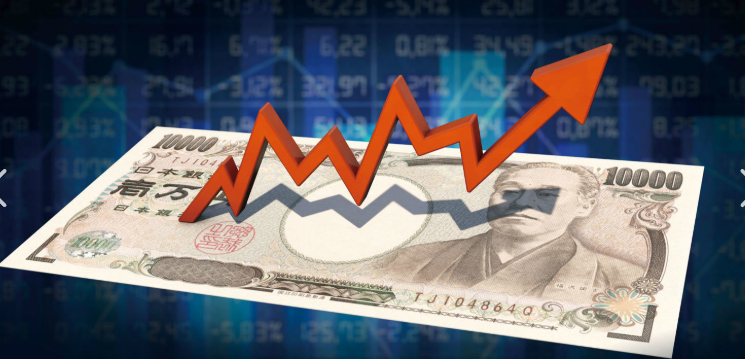
“Japan's Rate Hike” Triple Hit, Bitcoin Falls First_aicoin_Image 1

1. Historical Patterns: The Strong Correlation Between Japan's Rate Hikes and Bitcoin's Decline

Concerns about the Bank of Japan's rate hike are not unfounded. Historical data clearly shows a significant correlation between shifts in Japan's monetary policy and declines in Bitcoin's price.

● Since 2024, the three rate hikes by the Bank of Japan have been accompanied by Bitcoin price drops of over 20%. Specifically, after the March 2024 rate hike, Bitcoin fell by about 27%, dropped 30% after the July hike, and again fell 30% following the January 2025 hike.

● This pattern is related to Japan's unique position in the global financial system. Japan is the largest foreign holder of U.S. Treasury bonds, with holdings exceeding $1.1 trillion.

● Changes in its policy can directly impact global dollar supply, Treasury yields, and the price performance of risk assets like Bitcoin.

● Analyst Hanzo points out that ignoring the Bank of Japan's direction is a significant oversight. The yen is the largest player in the foreign exchange market after the dollar, and its impact on capital markets may be greater than that of the euro.

2. How Cheap Yen Arbitrage Trading Affects the Crypto Market

● The core mechanism through which Japan's rate hike impacts global markets is the unwinding of "yen arbitrage trading." This financial operation has been a significant source of liquidity in global markets for years. Arbitrage traders borrow yen at near-zero interest rates, then convert it into dollars or other high-yield currencies to invest in high-yield assets like U.S. stocks, Treasuries, or cryptocurrencies.

● When Japanese interest rates rise, the financing costs of these positions increase, potentially leading to rapid liquidations across all markets and deleveraging. The current market backdrop exacerbates this effect: most major central banks are cutting rates, while the Bank of Japan is raising them.

● This policy divergence will trigger the unwinding of arbitrage trades, leading to renewed turmoil in the cryptocurrency market. More importantly, the rate hike itself may not be the key risk; rather, it is the signals released by the Bank of Japan regarding its policy guidance for 2026 that are crucial.

● The Bank of Japan has confirmed that it will sell approximately $550 billion worth of ETF holdings starting in January 2026. If the Bank of Japan raises rates again or multiple times in 2026, it will further unwind yen arbitrage trading, triggering sell-offs in risk assets and yen repatriation.

3. The Divergence and Uncertainty of the Global Liquidity Environment

● The Bank of Japan's rate hike is not an isolated event; it occurs within a complex environment of highly differentiated global monetary policies. After completing its first rate cut, the focus has shifted to "how many more cuts can be made in 2026, and will the pace be forced to slow down?"

● Although the Federal Reserve is expected to cut rates by 25 basis points in December, its forward guidance has clearly turned cautious. The Fed's latest forecast indicates that only one rate cut is expected for the entire year of 2026. Meanwhile, the market is still betting on nearly three rate cuts next year, creating a significant divergence between investor expectations and the policy signals released by the central bank.

● The CPI data set to be released tonight is a core variable for re-pricing these expectations. If inflation data rebounds or becomes stickier, even if the Fed maintains its rate cut stance, it may still accelerate balance sheet reduction to reclaim liquidity.

● This subtle balance between "nominal easing" and "actual liquidity tightening" brings complex effects to risk assets. For Bitcoin, this "non-unified liquidity environment" is often more lethal than clear tightening.

4. On-Chain Data Reveals a Shift in Investor Behavior

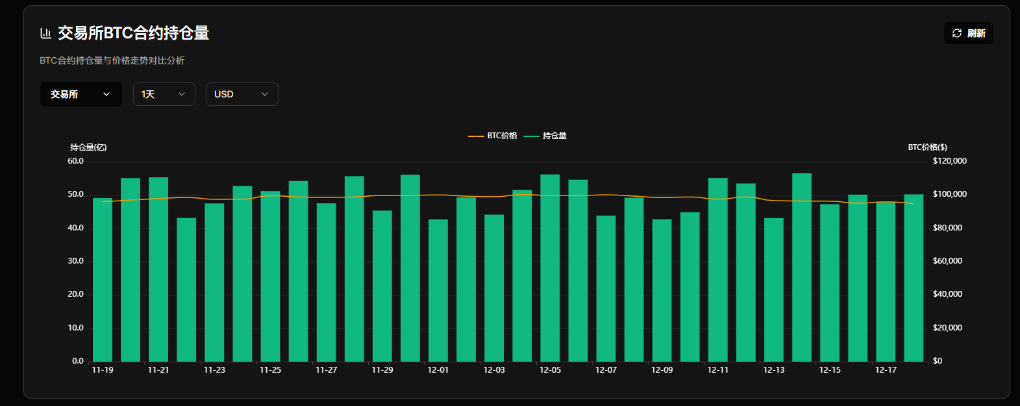
● On-chain data reveals profound changes occurring within the market. Net inflows of Bitcoin to exchanges reached 3,764 BTC (approximately $340 million) on December 15, marking a peak for the period. Binance alone saw net inflows of 2,285 BTC, an increase of about eight times compared to the previous period, clearly indicating behavior of large holders concentrating their deposits in preparation for selling.

● The behavior of long-term holders is also noteworthy. The selling behavior of Bitcoin holders who have not moved their assets in the past six months has persisted for several months, with a noticeable increase from late November to mid-February.

● Signs of pressure are also emerging from miners. The total network hash rate for Bitcoin is currently reported at 988.49 EH/s, down 17.25% from the same time last week. It is estimated that at least 400,000 Bitcoin mining machines have been shut down recently, based on an average of 250T hash power per machine.

● Changes in the positions of market makers constitute an important background factor. For example, Wintermute transferred over $1.5 billion in assets to trading platforms from late November to early December. The market reacted with panic to its large transfers, even though its BTC holdings saw a net increase of 271 coins between December 10 and 18.

5. Strengthening Linkages Between Cryptocurrency and Traditional Financial Markets

As the cryptocurrency market matures, its correlation with traditional financial markets has significantly increased. This linkage is particularly evident during times of stress.

● Cryptocurrency-related stocks are under pressure, with Strategy and Circle both experiencing declines of nearly 7% in a single day, Coinbase dropping over 5%, and mining companies CLSK, HUT, and WULF seeing declines exceeding 10%.

● Bitcoin spot ETFs saw a net outflow of approximately $350 million (about 4,000 BTC) in a single day, primarily from Fidelity's FBTC and Grayscale's GBTC/ETHE.

● Ethereum ETFs experienced a cumulative net outflow of about $65 million (approximately 21,000 ETH).

● An interesting phenomenon is that Bitcoin's performance during U.S. trading hours is relatively weaker. Data shows: "Since the launch of BlackRock's IBIT Bitcoin ETF, holding after market close has yielded a return of 222%, while holding only during market hours has resulted in a loss of 40.5%."

This cross-market, cross-asset class risk transmission reflects that cryptocurrencies are no longer an isolated asset class but are deeply integrated into the global financial system.

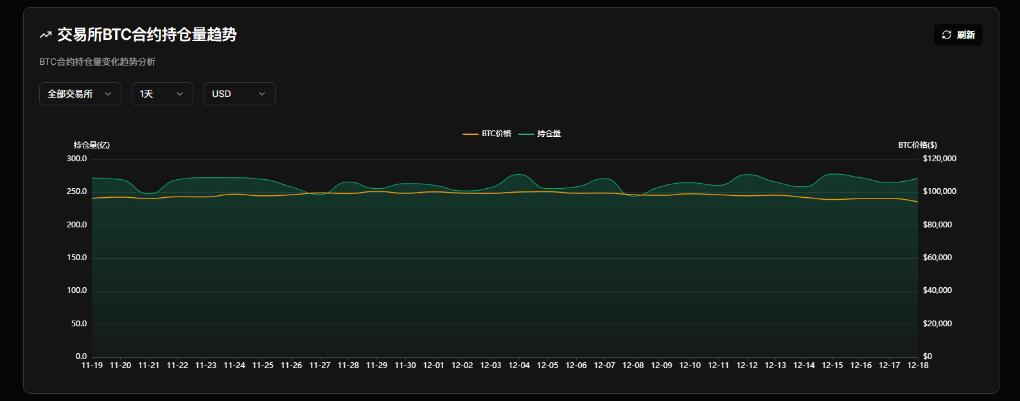
On the Bitcoin price chart, each mark of a Bank of Japan rate hike is followed by a steep downward curve. The tap of global cheap capital is slowly closing, and the foundation of the towering liquidity edifice in the crypto world is beginning to weaken.

Traders are buzzing on social media: "Every time the Bank of Japan raises rates, Bitcoin drops 20-25%." As the December 19 rate decision approaches, over 170,000 accounts have been wiped out in this anticipated storm.

Join our community to discuss and grow stronger together!

Official Telegram community: https://t.me/aicoincn
AiCoin Chinese Twitter: https://x.com/AiCoinzh

OKX benefits group: https://aicoin.com/link/chat?cid=l61eM4owQ
Binance benefits group: https://aicoin.com/link/chat?cid=ynr7d1P6Z

免责声明:本文章仅代表作者个人观点,不代表本平台的立场和观点。本文章仅供信息分享,不构成对任何人的任何投资建议。用户与作者之间的任何争议,与本平台无关。如网页中刊载的文章或图片涉及侵权,请提供相关的权利证明和身份证明发送邮件到support@aicoin.com,本平台相关工作人员将会进行核查。

Share To
APP

X

Telegram

Facebook

Reddit

CopyLink