Bitcoin prices fluctuate, but institutional investors and innovators still have confidence in its future.
Author: BITCOIN MAGAZINE PRO AND LANDO
Translation: Plain Blockchain

Despite several setbacks after the halving, the price of the first cryptocurrency has rebounded slightly after some suggest that the current cycle has bottomed out.
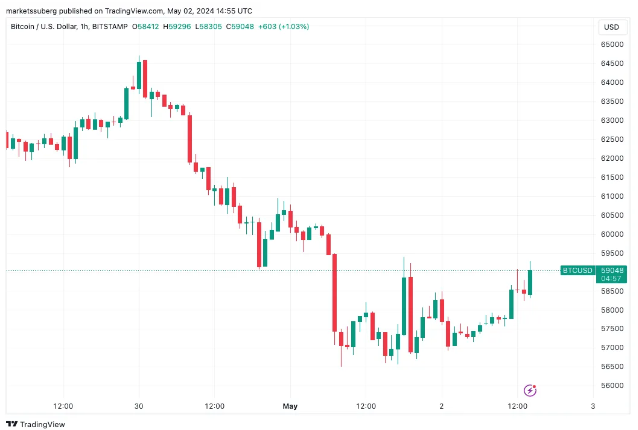
Bitcoin has experienced some chaos over the past month. In the days leading up to the halving on April 19, this leading decentralized currency reached an all-time high, breaking all pre-established trend lines for Bitcoin halving behavior. Along with the significant drop in the price of Bitcoin, several factors in the overall market, along with this unusual behavior and confidence, have contributed to the chaos. While some related industries still show a strong attitude and confidence in Bitcoin, the outflow of dollars from ETF products and the entire Bitcoin ecosystem continues. This particular cycle seems somewhat strange.
Typically, after the halving, the market experiences an immediate and sustained downturn, with prices hitting new all-time highs several months later. However, this time, the early high point clearly indicated a significant drop in the week before the halving. The price of Bitcoin slightly recovered after the halving, but further plummeted on the following Monday. However, by May 2, several signs indicated that the decline in Bitcoin had finally bottomed out. How certain are we about this? Why did the entire event occur, and what will the recovery of Bitcoin look like? All these questions remain unanswered at the time of the report.

An inevitable aspect of this price cycle is the disproportionate role that institutional investment plays in the fundamental dynamics of Bitcoin. For example, despite JPMorgan publicly maintaining a cautious stance on investing in Bitcoin, their analysts have come to an interesting conclusion: it is actually individual retail investors, not corporate actors, who are driving the decline in Bitcoin prices. While most institutional Bitcoin sales are taking place, JPMorgan's analysts claim that private individual investors are withdrawing significant amounts from Bitcoin and similar Bitcoin ETF derivatives.
The primary goal of Bitcoin spot ETFs is to allow new sources of investment that have not been able or inclined to purchase Bitcoin to profit directly from the appreciation of Bitcoin. It seems that this plan has indeed worked, as Blackstone Group reported on May 2 that some unusually new institutional investors have shown the most interest in their own ETF products. Robert Michnick, head of Blackstone's digital asset division, stated in an interview that various buyers, such as "pension funds, foundations, sovereign wealth funds, insurance companies, other asset management companies, family offices, etc., are conducting ongoing due diligence and research discussions, and we are playing a role from an educational perspective." Although he did not list specific sales figures, several of them certainly meet the criteria for investors who have never directly purchased Bitcoin. This is not just a statement of their possible dislike for Bitcoin, but a legal reality, as many entities simply cannot participate in the market.
However, through ETFs, doors have been opened. These doors involve institutions at all levels across the country, and even international participants on the stage, such as BNP Paribas, the second largest bank in Europe, has also been investing in Blackstone's ETF. These sales were discovered through the first-quarter 2024 filings with the U.S. Securities and Exchange Commission, and while their purchase scale is small, it is important that such significant institutions are investing funds while private clients are withdrawing. In a particularly meaningful event, Fidelity even predicted that Bitcoin has finally matured in its 15 years of operation and has reached a level of acceptance in the financial world that has led to a sustained decrease in its volatility. Analysts claim that Bitcoin is currently more stable than dozens of high-performing companies on the Nasdaq market, even proposing this view despite greater losses in Fidelity's own ETF!
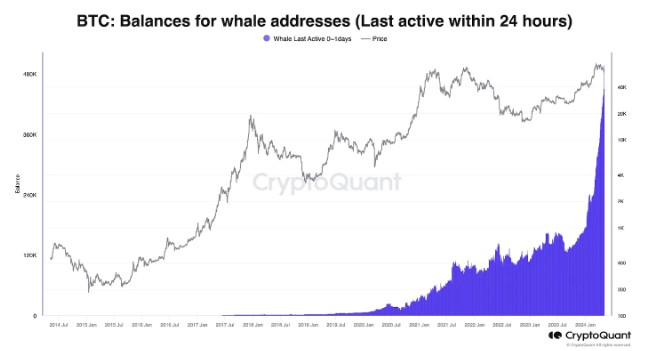
In this context, some factors that inspire confidence in individual actors have led to the flow of funds starting to return, which is reasonable. The Federal Reserve's announcement on May 2 that it would not adjust interest rates immediately caused the price of Bitcoin to rebound. The anonymous whale "Mr. 100" restored lost time at a rate of purchasing 100 Bitcoins per day, with an astonishing new acquisition of 4,100 Bitcoins, worth over $240 million. This bold purchase acted as a starting gun, triggering actions from some of Bitcoin's largest whales, and within the next 24 hours, the big buyers bought more than ten times the amount. Bitcoin has not fully recovered to its historical high, but it seems that the recovery has begun.

In fact, it may take quite a long time for Bitcoin to reach the soaring numbers that users expect. Arthur Hayes, former CEO of BitMEX and a well-known community member, warned Bitcoin holders that the recovery of Bitcoin in the coming months may experience a "slow climb." At least for now, this will be consistent with some of the trends related to Bitcoin halving. However, in the long run, some of these impacts seem unsettling, especially for Bitcoin supremacists. Over the years, Bitcoin has experienced several very serious setbacks, often triggering a domino effect due to the failure of an important leader. These events are seen as the pains of growth, but are we really ready to exchange this world in a way that dominates the global market for the complete centralization of our decentralized currency?
Some even believe that if institutional investment manages to tame a decentralized economic model aimed at completely changing the entire world, it would be a failure of the overall vision of Bitcoin. For those concerned that the new financial acceptance of Bitcoin may undermine it, I invite them to look at the scale of recent events. Yes, the performance of Bitcoin after this halving is indeed completely unprecedented, and it seems to be driven by corporate funds. However, despite these events, they are still relatively small in scale for something new. In the past few months, Bitcoin has lost half its value for about three months several times, and the price drop in 2024 is just a drop in the bucket. This chaos is completely normal for Bitcoin. It is premature to conclude that this unusual month heralds the complete centralization of our decentralized currency—a corporate control with irreversible effects.
Furthermore, although ETFs have indeed opened new doors for the Bitcoin world, the world itself is still full of entrepreneurs and innovators who have always relied on it. Developers are opening up new directions for the future of Bitcoin, and the actions of small-scale participants can also resonate. As we enter an apparently uncertain future, it seems certain that we can continue to rely on Bitcoin. The entire community will take Bitcoin to the moon, and the world must adapt with it.
Source: https://bmpro.substack.com/p/institutional-investors-propel-optimism?utm_source=%2Finbox&utm_medium=reader2
免责声明:本文章仅代表作者个人观点,不代表本平台的立场和观点。本文章仅供信息分享,不构成对任何人的任何投资建议。用户与作者之间的任何争议,与本平台无关。如网页中刊载的文章或图片涉及侵权,请提供相关的权利证明和身份证明发送邮件到support@aicoin.com,本平台相关工作人员将会进行核查。