In the field of cryptocurrency, regulatory issues have always been a focus of attention. Recently, the SEC (U.S. Securities and Exchange Commission) has once again stirred up a storm, this time targeting MetaMask, a subsidiary of Consensys. It is reported that the SEC has issued a Wells Notice to Consensys, accusing MetaMask of operating as an unlicensed broker. This news immediately sparked widespread attention and discussion in the cryptocurrency community.
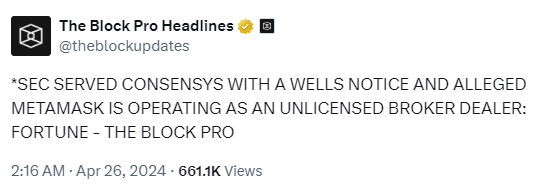
Since Uniswap received a Wells Notice on April 11, the regulatory situation in the cryptocurrency industry seems to have become more tense. As Consensys, a company specializing in Ethereum infrastructure development, has recently become embroiled in this storm, it has become the subject of SEC investigation. Consensys not only refuted the SEC's accusations but also proactively filed a lawsuit in federal court in an attempt to defend its rights. This move not only concerns the power struggle between Consensys and the SEC but may also affect the future development of the entire cryptocurrency industry.
In this context, it is necessary for us to gain an in-depth understanding of the accusations against MetaMask and Consensys' counterattitude. Next, we will analyze the specific accusations made by the SEC and discuss the potential impact of this event on the cryptocurrency market and regulatory environment.
SEC accuses ConsenSys of operating MetaMask as an unregistered broker based on MetaMask wallet's registration as a broker
In the current legal environment of the cryptocurrency industry, the legal dispute between the U.S. Securities and Exchange Commission (SEC) and Consensys stands out. The Wells Notice issued by the SEC to Consensys accuses its MetaMask wallet of operating as an unregistered broker. This has sparked widespread discussions about the compliance of cryptocurrency service providers and the legal definition of these services.
MetaMask is an interface for the Ethereum blockchain, providing a browser extension and mobile app that allows users to store and manage cryptocurrencies and interact with decentralized applications (DApps). The core functions of MetaMask include key management, allowing users to control their Ethereum and other ERC-20 token transactions through private keys, and a built-in transaction execution function that directly executes user transaction instructions through the blockchain network, without any intermediaries or agents.
The SEC's focus is on MetaMask's staking service, which allows users to lock tokens in smart contracts in exchange for rewards. The SEC believes that this operation may constitute broker activity and should therefore be subject to corresponding regulatory and licensing requirements. According to the SEC, any activity that facilitates or assists in securities trading must comply with relevant laws and rules, including the requirement for registered brokers.
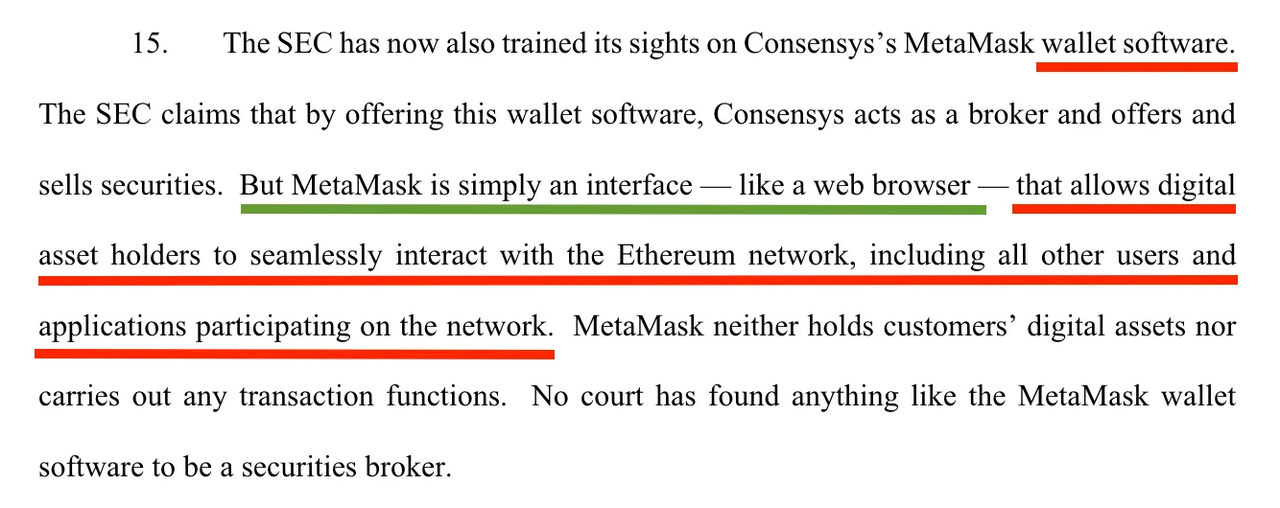
The core of the legal issue is whether MetaMask's operating mode meets the definition of a broker and whether certain aspects of its services violate securities laws. Although MetaMask does not directly hold customer assets or directly execute buy and sell orders on its platform, its staking service provided through smart contracts is suspected of crossing the boundary of merely providing technical services to users and entering into the financial services area that may require registration.
This case not only directly threatens the business operations of Consensys and MetaMask but may also affect the overall regulatory environment of cryptocurrency service providers, setting new standards for compliance requirements for the entire industry. As the case progresses, the legal and cryptocurrency communities are increasingly paying attention to this case, hoping to provide clearer guidance on the legal status of cryptocurrencies.
The severity of the lawsuit's outcome may have far-reaching implications for the industry, and many details need to be considered
Faced with the SEC's accusations, Consensys quickly took countermeasures. After receiving the SEC's Wells Notice on April 10, 2024, the company decided not to sit idly by but instead chose to take proactive action by filing a lawsuit in the Northern District of Texas on April 25. Consensys' lawsuit emphasizes that the SEC's attempt to classify Ethereum and its application MetaMask as securities is an illegal overreach of power.
In the lawsuit documents, Consensys points out that its MetaMask wallet only exists as a simple interface, neither holding customers' digital assets nor executing any transaction functions, and therefore should not be considered a broker. Furthermore, Consensys challenges the basis of the SEC's power, arguing that its oversight of Ethereum exceeds its statutory authority because Ethereum does not possess any characteristics of securities. In addition, the company also cites former SEC official Bill Hinman's statement in 2018, when he clearly stated that Ethereum is not a security but a commodity, emphasizing the contradiction between the SEC's current practices and previous statements.
This lawsuit not only attempts to prevent the SEC from including MetaMask's staking and exchange functions under the regulation of securities laws but also requests the court to confirm that MetaMask's operations do not violate federal securities laws. Consensys believes that classifying MetaMask as a securities broker will severely hinder Web3 developers from continuing to develop innovative applications, affecting the technological progress and development of the entire industry.
Another key point of this legal battle is Consensys' request to confirm that its Fifth Amendment rights and the Administrative Procedure Act have not been violated, meaning that any view that Ethereum is a security would violate these rights. Consensys' actions not only reflect the urgent need for regulatory clarity in the cryptocurrency industry but also demonstrate the industry's increasingly firm and proactive stance in the face of regulatory challenges.
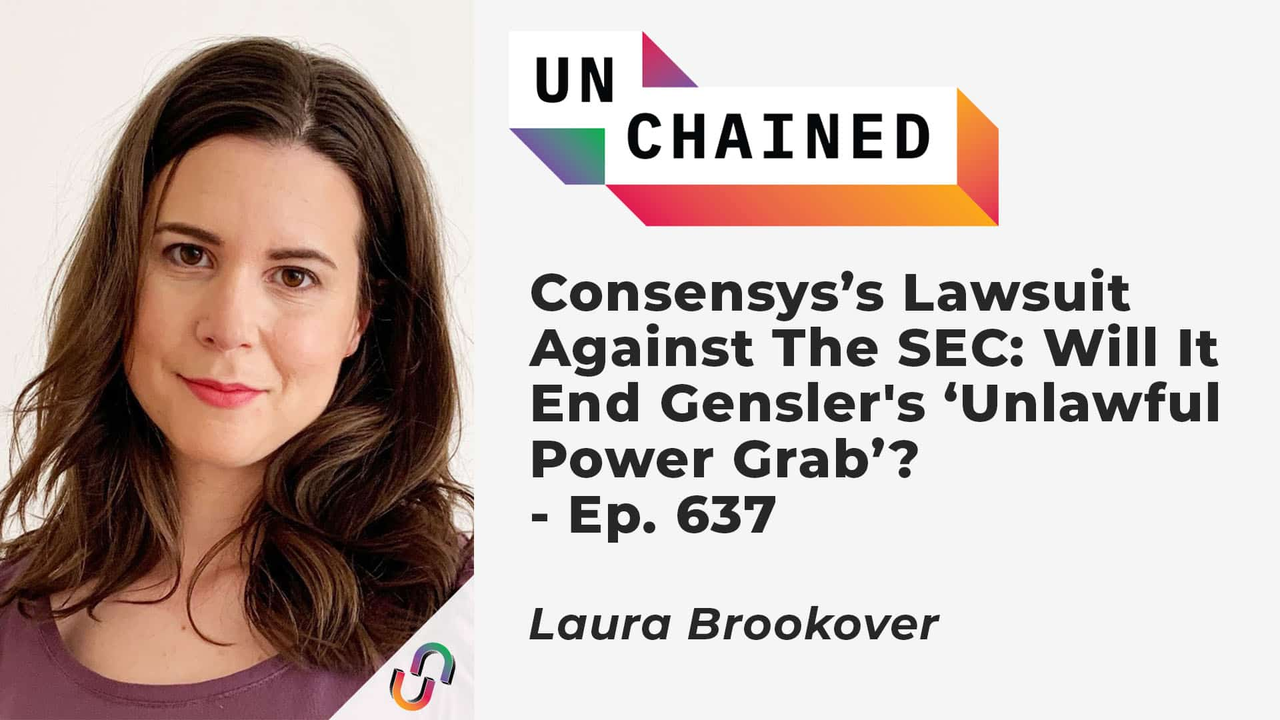
Ultimately, this lawsuit may have far-reaching implications for the legal environment of the entire cryptocurrency industry, especially for the determination of the legal status of Ethereum and its applications. As the case progresses, the cryptocurrency community and stakeholders continue to pay close attention to the potential impact of this case on the future industry regulation and operational models.
This lawsuit will be an important milestone in the industry's compliance process, and its subsequent developments are worth watching
Earlier this year, the U.S. Securities and Exchange Commission (SEC) approved the first physically-backed Bitcoin ETF in the United States, marking a significant step in digital asset regulation. With the existence of this precedent, many people predicted that the approval of an Ethereum physically-backed ETF was only a matter of time. However, the confrontation between Consensys and the SEC is not the first, and their relationship is becoming increasingly tense.
In a comment letter submitted to the SEC, Consensys strongly advocated for the approval of an Ethereum physically-backed ETF and refuted the SEC's concerns about potential fraud and manipulation. The letter detailed the advantages of Ethereum's PoS mechanism, including fast block confirmations, distributed verification processes, high attack costs, and lower environmental impact, emphasizing its security far surpassing Bitcoin's PoW mechanism.
Although the SEC approved an Ethereum futures ETF in October 2023, indicating an implicit recognition of Ethereum's non-securities attributes, its attitude towards the approval of a physically-backed ETF for Ethereum remains hesitant. SEC Chairman Gary Gensler has maintained an ambiguous stance on Ethereum's legal status, and political pressure, such as Senator Elizabeth Warren's harsh criticism of Bitcoin physically-backed ETFs, has added uncertainty to the approval process for an Ethereum ETF.
In addition, market fluctuations in the cryptocurrency market have also affected sentiment towards Ethereum. Despite Bitcoin's dominant position in the market, Ethereum and its so-called "Ethereum killers" such as Solana are in hot pursuit. There are doubts within the community about whether an Ethereum ETF can boost the price of ETH, reflecting the current instability of the cryptocurrency market and the desire for regulatory clarity.
Overall, the legal battle between Consensys and the SEC highlights the urgent need for a clear regulatory framework in the cryptocurrency industry. As these controversies and lawsuits develop, the future direction of the entire industry and the status of Ethereum will be closely watched. For cryptocurrency enthusiasts seeking the latest developments and in-depth analysis, it is particularly important to continue to follow industry developments and regulatory changes.
免责声明:本文章仅代表作者个人观点,不代表本平台的立场和观点。本文章仅供信息分享,不构成对任何人的任何投资建议。用户与作者之间的任何争议,与本平台无关。如网页中刊载的文章或图片涉及侵权,请提供相关的权利证明和身份证明发送邮件到support@aicoin.com,本平台相关工作人员将会进行核查。


