01. Introduction to NFT Staking in Web3 Games
Using The Sandbox as an example to explain. The Sandbox is a virtual game ecosystem developed based on blockchain technology, featuring a virtual world where players can build, own, and earn.
LAND is a piece of digital land in The Sandbox metaverse. Each LAND is a unique Ethereum (ERC-721) token on the Ethereum blockchain. After purchasing the land, players can create their own games and assets, such as games or 3D models, and add various ASSET (assets) NFTs, all of which are unique[1].
According to Binance's official website introduction[2], users who own LAND NFTs on The Sandbox on the Polygon network can participate in Binance's NFT staking plan for The Sandbox NFTs. Users can stake their LAND NFTs on The Sandbox to receive daily rewards in the form of SAND. Players can stake up to 30 LAND NFTs in The Sandbox NFT staking plan.
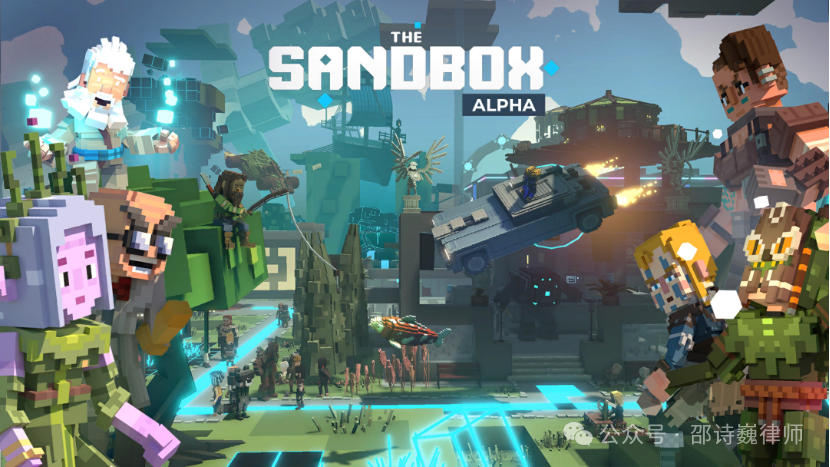
In simple terms, players stake their owned in-game NFTs on the platform to receive staking rewards provided by the platform.
02. Mechanism and Principle of NFT Staking
The reason for the platform to set up NFT staking gameplay is to ensure the balance of funds within its game system. If players approach the game with a mindset of earning money through gold farming, they would want to sell and cash out the NFTs obtained from the platform as soon as possible. Therefore, the platform needs to set up mechanisms to encourage players to stay longer.
However, if some thresholds are set in a blunt manner to prohibit or restrict users from transferring the NFTs they hold, it is highly likely to lead to user dissatisfaction, which would have a negative impact on the long-term operation of the project.
NFT staking mining gameplay is one of the mechanisms set up by the platform to increase user retention.
By staking the NFTs they hold, users will receive additional token rewards promised by the platform.
For the platform, when users stake their NFTs with the platform, the circulating NFTs in the market will decrease, increasing the scarcity of NFTs. With a reduced supply and increased demand, the price of NFTs will rise, leading to more users wanting to hold the token and participate in the platform's games. Therefore, the NFT staking method has a positive impact on the long-term stable development of the platform.
Therefore, this gameplay has certain positive implications for both the platform and users.
03. Legal Analysis of NFT Staking
In the Civil Code of China, the concept of pledge is divided into rights pledge and chattel pledge. Rights pledge uses property rights in debts, equities, and intellectual property rights as the subject matter, while chattel pledge uses tangible movable property as the subject matter. Obviously, NFTs do not belong to either of these concepts.
The principle of NFT staking is similar to DeFi liquidity mining. After users lock NFTs on the platform, they will receive rewards based on the staking market, the quantity of NFTs staked, and the promised return ratio by the platform.
Everything has its pros and cons, and the staking gameplay is no exception.
Most of the popular Web3 games in the market are still few, and the project tokens of most project parties are illiquid. Moreover, if these tokens can be infinitely issued by the project party, the value of the tokens obtained by users may also be of limited value.
In addition, if NFTs are locked, they cannot be sold. As mentioned earlier, if the tokens in the market decrease, the token price will rise. However, a short-term rise in token price does not mean that the token price can continue to rise steadily. If the NFT project is locked by the platform for a long period, the market price of the token may not be as high as before after the staking period ends.
The China Banking and Insurance Regulatory Commission and other departments have jointly issued the "Initiative to Prevent Financial Risks Related to NFTs," which mentions the need to resolutely curb the trend of financialization and securitization of NFTs and strictly prevent the risks of illegal financial activities. NFT staking is a form of financialized gameplay. Unless the tokens/props obtained from staking can only be consumed within the game and have no cash-out process, this model does not have development space in China. If users suffer losses due to such gameplay, their related property rights and interests are also difficult to be legally protected.
[1] Metaverse The Sandbox (1) | Blockchain game that earns while playing - Zhihu (zhihu.com)
[2] The Sandbox NFT Staking Plan FAQ | Binance (binance.com)
免责声明:本文章仅代表作者个人观点,不代表本平台的立场和观点。本文章仅供信息分享,不构成对任何人的任何投资建议。用户与作者之间的任何争议,与本平台无关。如网页中刊载的文章或图片涉及侵权,请提供相关的权利证明和身份证明发送邮件到support@aicoin.com,本平台相关工作人员将会进行核查。


