Researcher: E2MResearch, Steven
Doubts
What will be the future form of cross-chain?
CM: Centralization is the mainstream solution!! The security issue is not as serious as imagined.
Will the demand for cross-chain increase with the increase of chain changes?
In a sense, both cryptocurrencies and the US dollar are linked. Does this mean that stablecoins linked to the US dollar have the ability to control liquidity?
At present, the solutions for cross-chain are basically:
Liquidity swap, reserve liquidity pool
(Source chain) lock + (target chain) wrap/map assets
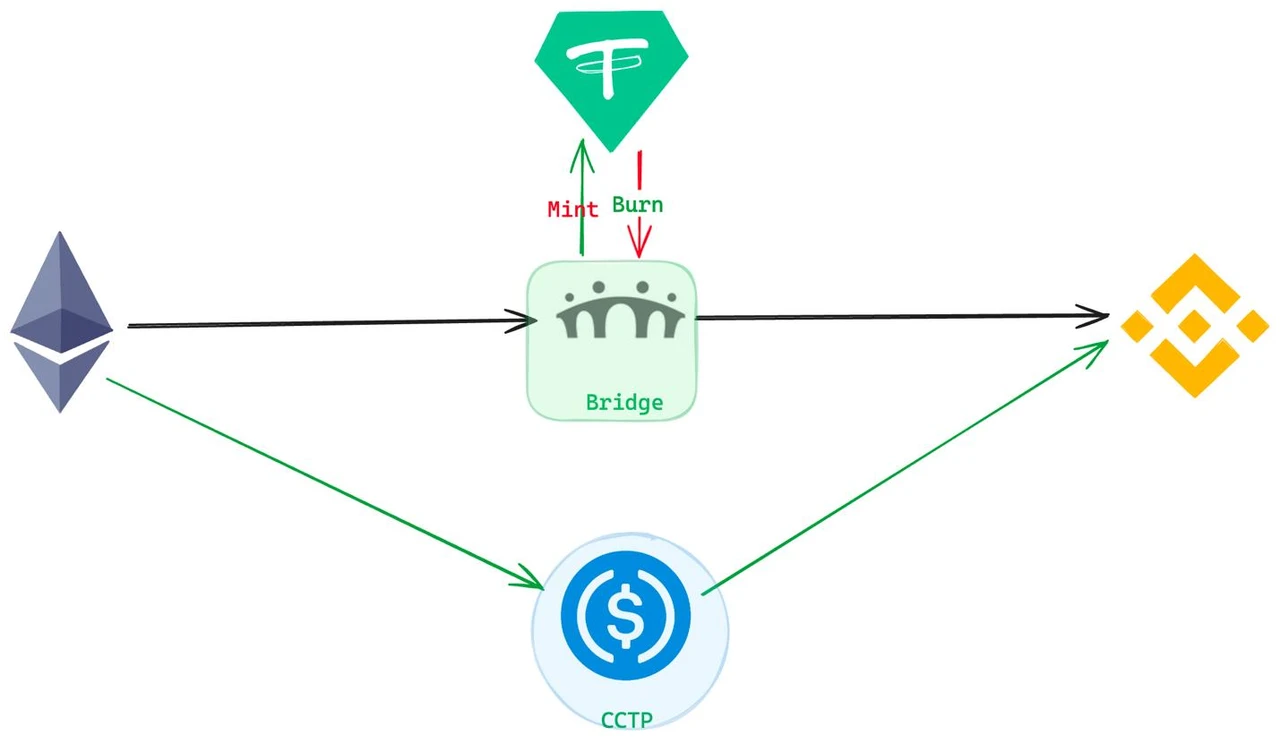
However, the destruction/minting of u essentially breaks the limitations of both.
Original Research Intent
Whether it's slightly earlier full-stack services like Op stack, Arbitrum Nova, or recent modular blockchains like Celestia, Dymension, Cosmos, etc., they have greatly reduced the threshold for creating a new chain, and it can be foreseen that the number of application chains will only increase in the foreseeable future. This trend brings a problem, which is the further decentralization of liquidity, linking data islands between chains through more efficient, cheaper, and secure cross-chain.
Essence of Fund Cross-Chain
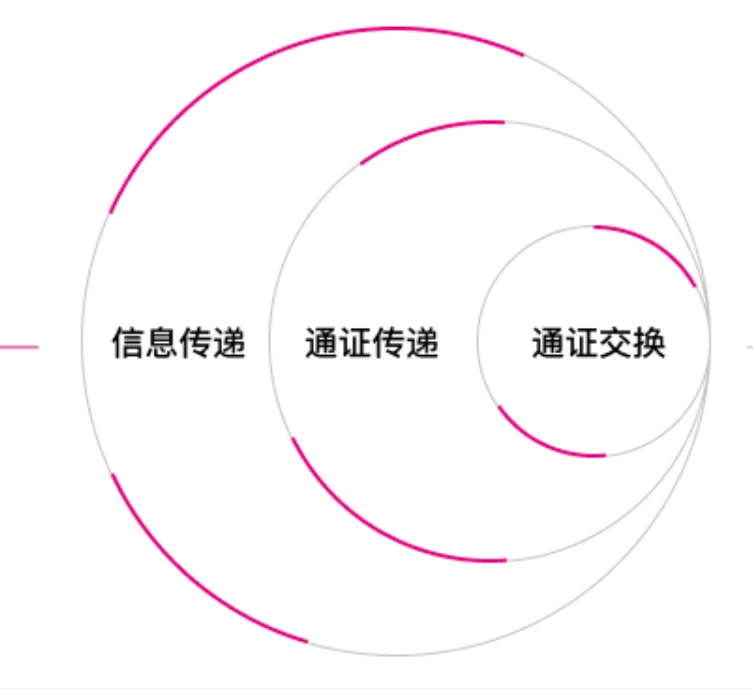
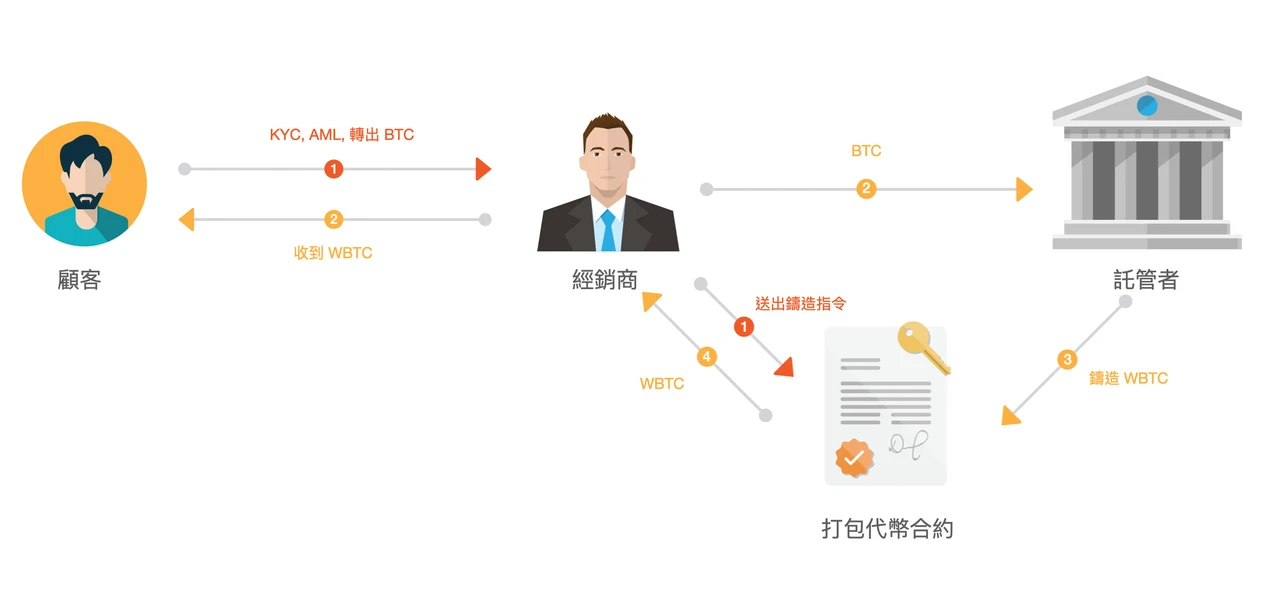
Token exchange: The simplest cross-chain is the exchange of tokens on different chains. For example, A and B reach an agreement, A uses 1 BTC on BTC to exchange for 10 ETH on B, to ensure that both parties abide by the contract, using "hash time lock" cross-chain technology to allow both parties to trade simultaneously. WBTC is the most typical example.
Token transfer: Native assets on one chain are circulated to another chain. For example, assets on chain A participate in DeFi applications on chain B (Aave V4 Portal, Compound V3), building a more inclusive open finance. It can also transfer tokens from an expensive chain to an economical chain, saving transaction fees, or from a slow chain to a fast chain, achieving scalability, or from a non-private chain to a private chain, achieving transaction privacy.
Information transfer: While native assets on one chain are circulated to another chain, smart contracts can also be executed, which leans towards the abstract concept of LayerZero, Zetachain, and other projects.
The three are inclusive, but not all Dapps necessarily need to be comprehensive according to the actual situation.

1. Cross-Chain Classification Comparison
1.1 Common Cross-Chain Bridge Fund Transfer Solutions
Currently, there are mainly two common cross-chain bridge fund transfer solutions in the market: "lock/mint + wrap" and "liquidity swap".
"Lock/mint + wrap" involves locking or minting native assets on the source chain, while simultaneously minting an equivalent amount of wrapped assets on the target chain to achieve fund cross-chain transfer. However, this solution does not truly achieve fund cross-chain. The wrapped assets on the target chain only represent proof of the user's funds on the source chain, and the native assets are not transferred.
Currently, cross-chain bridges using the "lock/mint + wrap" solution include WBTC, Multichain, and Wormhole.
The "liquidity swap" solution relies on smart contracts. The cross-chain bridge first needs to establish a liquidity pool on both the source chain and the target chain. When transferring assets, the user's funds will be deposited into the liquidity pool on the source chain, and then an equivalent amount of assets will be withdrawn from the target chain's pool. This solution truly achieves fund cross-chain, but it does not support non-smart contract platforms (Bitcoin) and assets not available within the target chain (XRP is not available on the Ethereum network).
Currently, cross-chain bridges using the "liquidity swap" solution include Synapse Protocol, Stargate Finance, Hop Protocol.
1.2 Classified by Cross-Chain Scope
Asset-specific cross-chain bridge: This type of bridge is mainly used for cross-chain transfer of specific assets, such as wrapping Bitcoin (BTC) into various xBitcoin assets on Ethereum (ETH). The wrapping process usually involves locking the assets on the source chain and creating equivalent wrapped assets on the target chain. Because these assets have good liquidity and the operation is relatively simple, they are relatively easy to deploy in the market.
The logic of wrapping needs to be re-implemented on each destination chain, which limits their scalability.
Examples include WBTC.

Chain-specific cross-chain bridge: This type of bridge focuses on the transfer of assets between two specific blockchains. Users can lock tokens on the source chain and mint wrapped assets on the target chain. Due to their relatively simple structure, chain-specific cross-chain bridges can usually be quickly brought to market.
They have poor scalability and usually only serve a limited blockchain ecosystem. For example, Polygon's PoS bridge allows users to transfer assets between Ethereum and Polygon.
Application-specific cross-chain bridge: This type of bridge serves a specific decentralized application (DApp), allowing users to use the application across multiple blockchains. Application-specific cross-chain bridges usually have a smaller codebase and deploy lightweight adapters on various blockchains, rather than the entire application. This allows users on different blockchains to share the services of the same application, creating network effects.
The functionality of this type of bridge is usually difficult to extend across applications. COMP Chain and Thorchain are examples of such bridges, targeting lending and trading markets, respectively.
Generalized cross-chain bridge: This type of bridge aims to support broad communication between multiple blockchains. They usually adopt efficient protocol designs, such as O(1) complexity, to handle a large number of cross-chain message transmissions. This design brings strong network effects, where the integration of a single project can give it access to the entire cross-chain ecosystem.
To achieve this scalability, trade-offs need to be made between security and decentralization, which may lead to some unforeseen complex consequences. Inter-Blockchain Communication Protocol (IBC) is a typical example of such bridges, used to send messages between heterogeneous chains with finality guarantees.
Examples include Zetachian, IBC.
2. What is CCTP
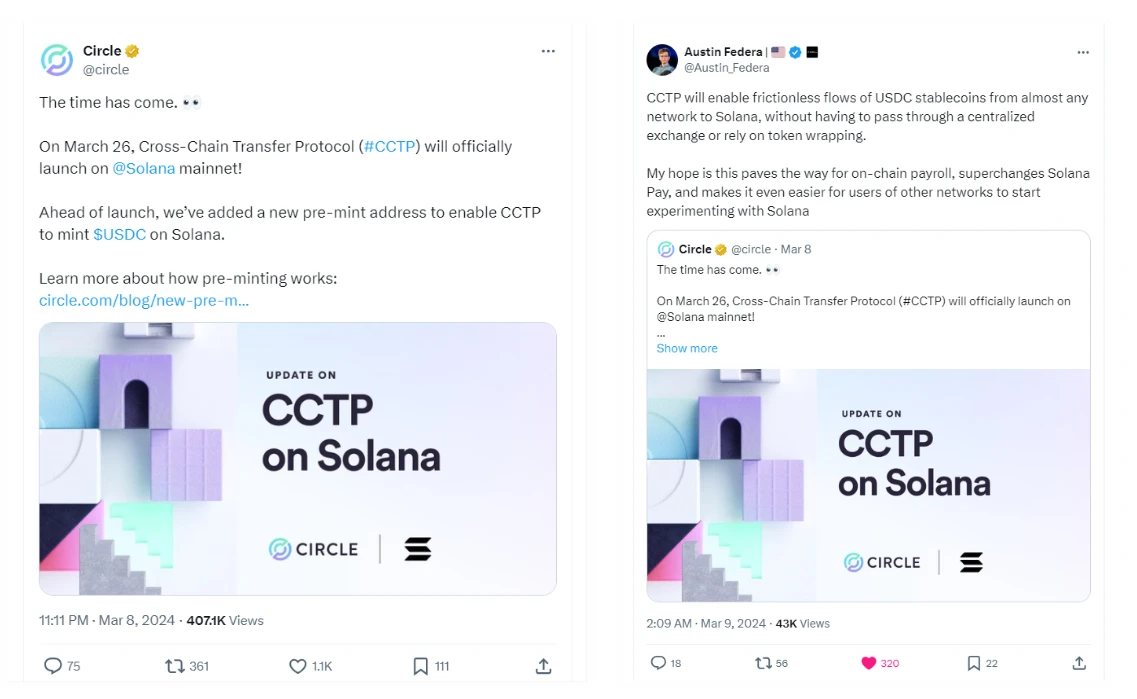
On March 8, 2024, CCTP announced that CCTP will be officially launched on the Solana mainnet on March 26; Austin Federa, strategic director of Solana, tweeted: "CCTP will enable frictionless flow of USDC stablecoin from almost any network to Solana, without the need for centralized exchanges or reliance on token wrapping."

Image source: Twitter
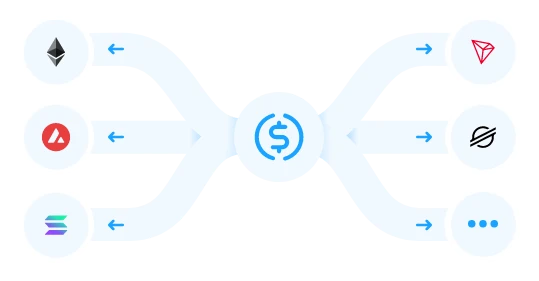
CCTP (Cross-Chain Transfer Protocol) is an on-chain tool from Circle that enables permissionless transfer of USDC between different blockchains. Circle does not require liquidity on the target chain, but simply mints native USDC after destroying USDC on the source chain.

Working Principle
- First, users initiate a USDC transfer through any integrated portal on the source chain. Users can also specify a wallet address on the target chain. From there, the portal/wallet/bridge (dApp) destroys USDC on the source chain.

- Circle then proves the destruction event on the source chain. Then, the dApp requests proof from Circle, which authorizes the minting of the burned amount of USDC on the target chain.

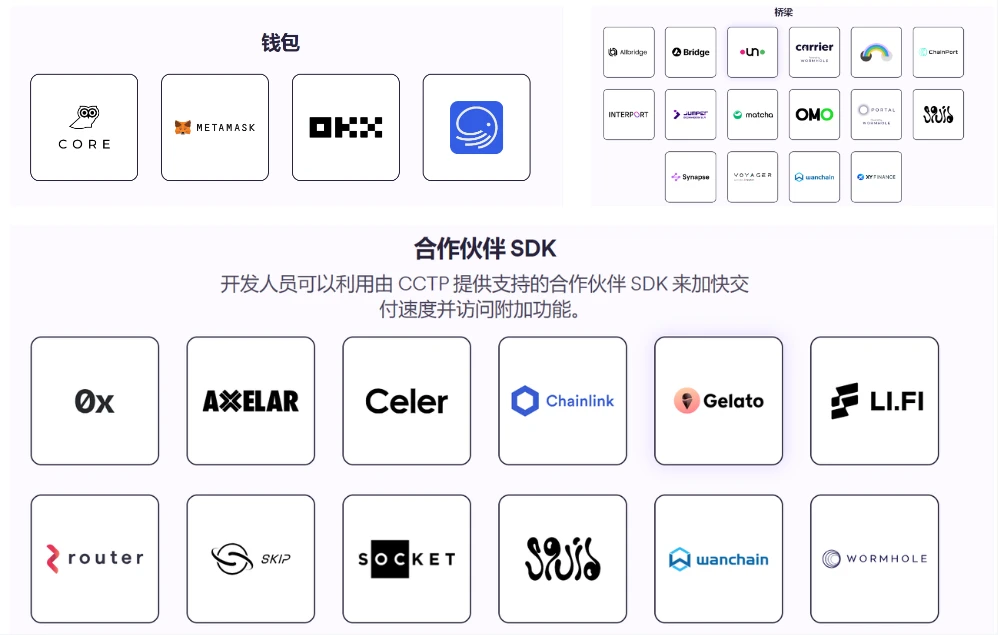
- Finally, the dApp uses the proof to mint USDC on the target chain and sends it to the recipient. As of now, 10 different partner SDKs, including Metamask, 5 Bridges, Layer Zero, and Wormhole, have integrated with CCTP.
3. CCTP Partners

4. Comparative Advantages
In addition to facilitating the circulation of USDC, CCTP's grander prospect is to become a generalized cross-chain bridge, with many advantages.
No need for wrapping, such as various xBTC, XETH, significantly reducing centralization and increasing security risks.
No need for reserve liquidity pools, eliminating liquidity requirements, real-time destruction and minting, significantly improving capital efficiency.
Low cross-chain costs, only using gas fees for destruction and minting, with minimal slippage.
Compatible with 55 blockchains, with programmability, providing more possibilities for better user experience in full-chain DApps.
USDC's stability + consensus, high barriers to replication.
- Limitations
High level of centralization, but Circle's scale is relatively trustworthy.
Retail investors cannot participate, it is a B2B business.
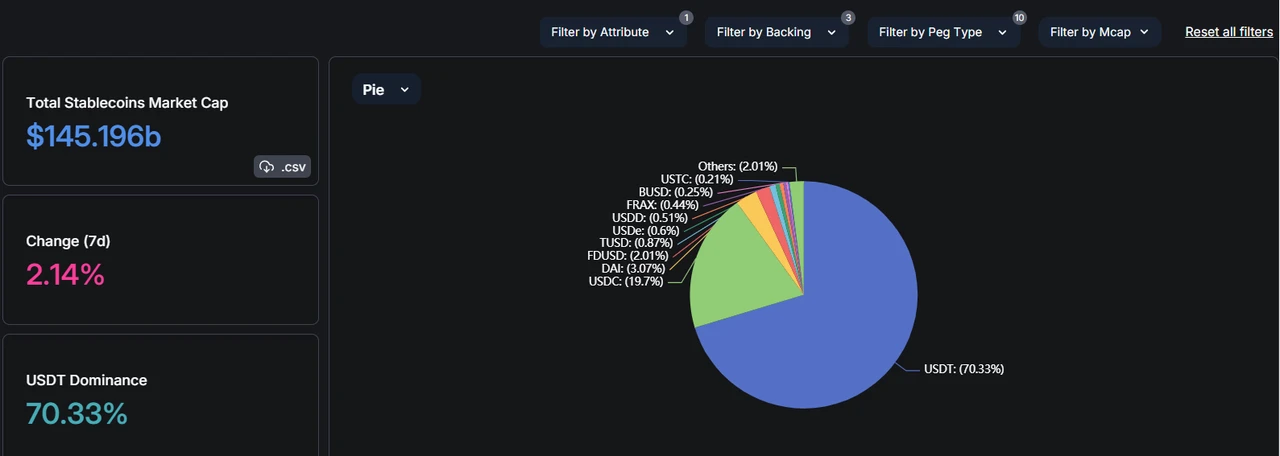
5. Stablecoin Market Share

Data source: https://defillama.com/stablecoins
Appendix
https://foresightnews.pro/article/detail/52378
https://www.odaily.news/post/5192646
https://mp.weixin.qq.com/s/k7hsTHPgTJG2uhxh0ry_ZQ
https://www.chaincatcher.com/article/2111830
https://weird3d.com/new/6668.html
In-depth Project》Omnichain Innovator ZetaChain: A New Type of Layer1 Public Chain for Native DVT
About E2M Research
From the Earth to the Moon
E2M Research focuses on research and learning in the investment and cryptocurrency fields.
Article collection: https://mirror.xyz/0x80894DE3D9110De7fd55885C83DeB3622503D13B
Follow on Twitter: https://twitter.com/E2mResearch
Audio podcast: https://e2m-research.castos.com/
Xiaoyuzhou link: https://www.xiaoyuzhoufm.com/podcast/6499969a932f350aae20ec6d
DC link: https://discord.gg/WSQBFmP772
免责声明:本文章仅代表作者个人观点,不代表本平台的立场和观点。本文章仅供信息分享,不构成对任何人的任何投资建议。用户与作者之间的任何争议,与本平台无关。如网页中刊载的文章或图片涉及侵权,请提供相关的权利证明和身份证明发送邮件到support@aicoin.com,本平台相关工作人员将会进行核查。