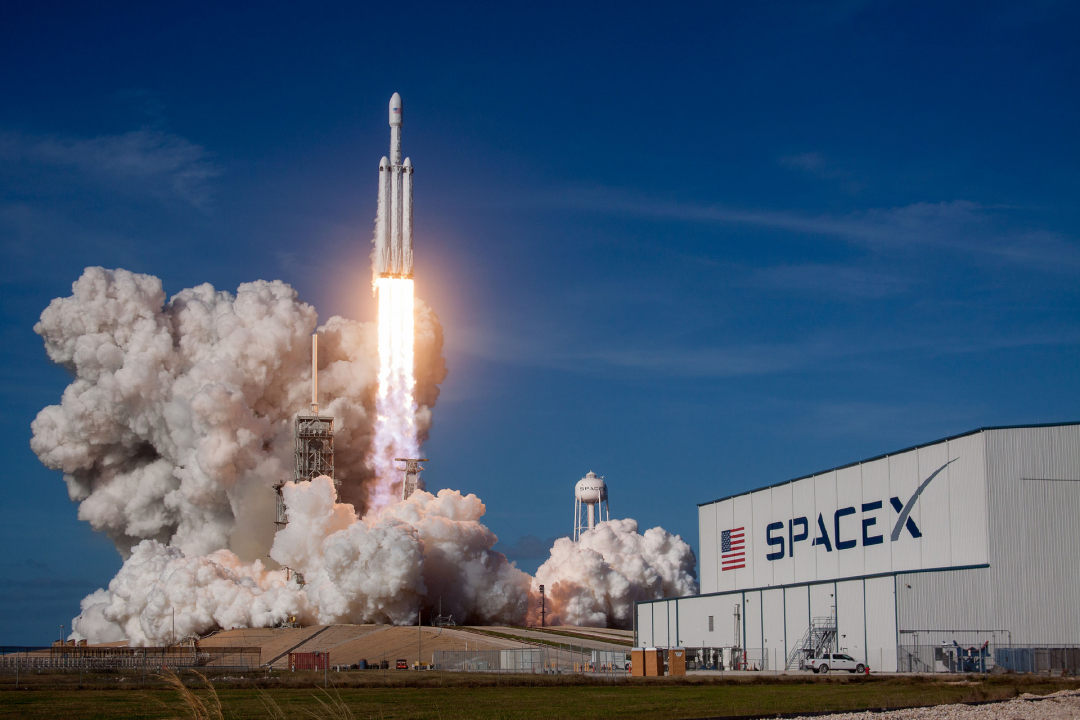
Author: Youth Wealth Development Association

Regardless, this week is destined to go down in history.
On June 12, the largest company IPO in human history is about to launch. SpaceX is a behemoth created by Musk, embodying the ultimate fantasy of this world's richest man about interstellar migration.
In the past decade, SpaceX's Falcon rockets have launched a total of 656 times.
Just in 2025 alone, there were 165 launches—almost half of all orbital launches worldwide.
The Dragon spacecraft has completed over twenty crewed missions, sending more than seventy people into orbit.
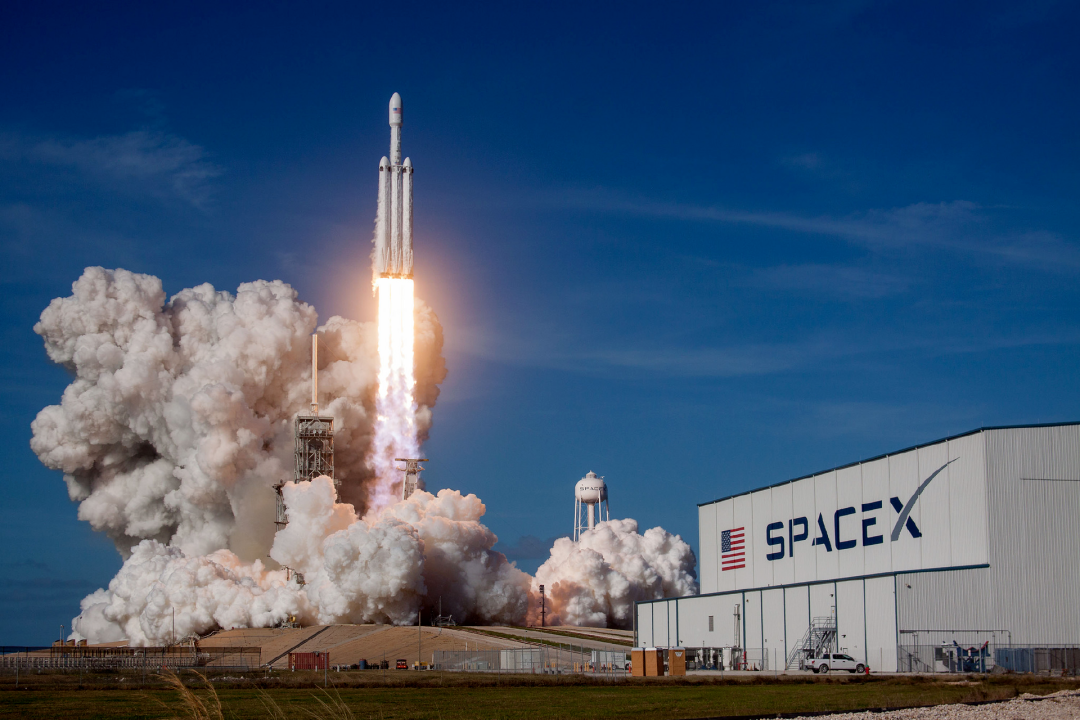
In SpaceX's prospectus, the word “Mars” appears 63 times. The “Mars Exploration Program” is also Musk’s top project on which he has staked his entire future.
But the protagonist of this article is neither SpaceX nor Musk, but the captain who will command humanity's first manned Mars spaceship—a Bitcoin billionaire from Tianjin, Wang Chun.
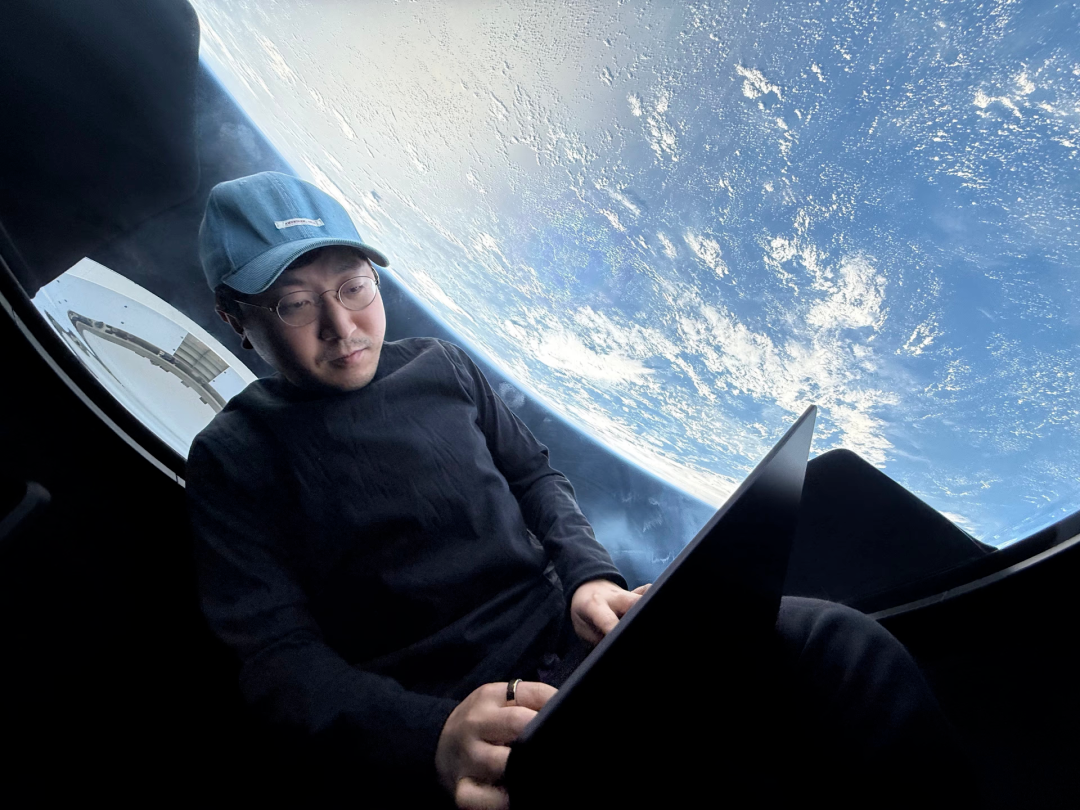

Wang Chun spent his childhood with his grandparents.
In 1987, when Wang Chun was five years old, his grandfather picked up a world map while out for a walk. From then on, that map became his favorite toy.
What fascinated him were not the named places, but the blank area at the bottom of the map—the polar regions. Five-year-old Wang Chun would often stare intently at those farthest, untouched corners of the Earth. He later said that from that moment, he was captivated by those distant and unknown places.
But in reality, he did not reach a place more than a hundred kilometers from home until he was eighteen and went to university.
At that time, Wang Chun was unaware of how vast the world he would explore in his life would be.
At the age of thirteen, Wang Chun received his first computer, which he used not only for playing games but also for writing a number of programs, the earliest of which was a gravity simulator that could visualize the movements of planets in the solar system.
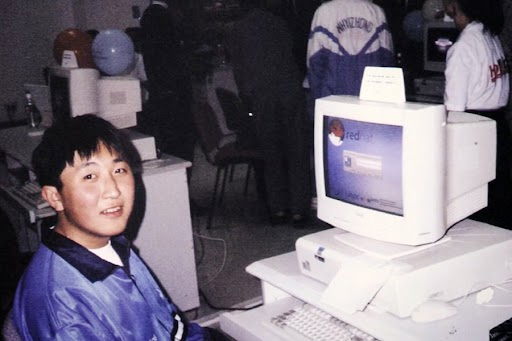
At school, Wang Chun participated in various programming competitions, including the International Olympiad in Informatics (IOI) and ACM-ICPC. Later, thanks to his performance in these competitions, he skipped the college entrance exams and was directly recommended to university.
After graduation, Wang Chun joined a software company in Beijing, and from that time on, he became infatuated with train travel.
In 2007, he utilized all of his weekends to travel 75,900 kilometers by train, documenting each journey down to the minute and second, and sharing it in forums.
That year, he spent a total of two months completely inside train carriages, heading straight to the train station every Friday after work and returning to work only the following Monday.
As a result, he became known online as “High-speed Rail Thousand Times Man.”

Over the years, he traveled by train to visit all of China's provinces.
In 2010, Wang Chun traveled abroad for the first time, first to Nepal, then to India. There, he boarded India’s longest direct train at the time—the 16317 Himalayan Express—traveling from the southernmost tip of the subcontinent, Kanyakumari, all the way to the northernmost region, Kashmir, effectively traversing India from south to north.
This journey cost about $1,000, which was all of Wang Chun's savings at that time.
In 2013, Wang Chun put his coding skills into a venture that few understood at the time—Bitcoin.
He partnered with “Godfish” to establish China's first Bitcoin mining pool at home, named F2Pool, specifically for mining Bitcoin.
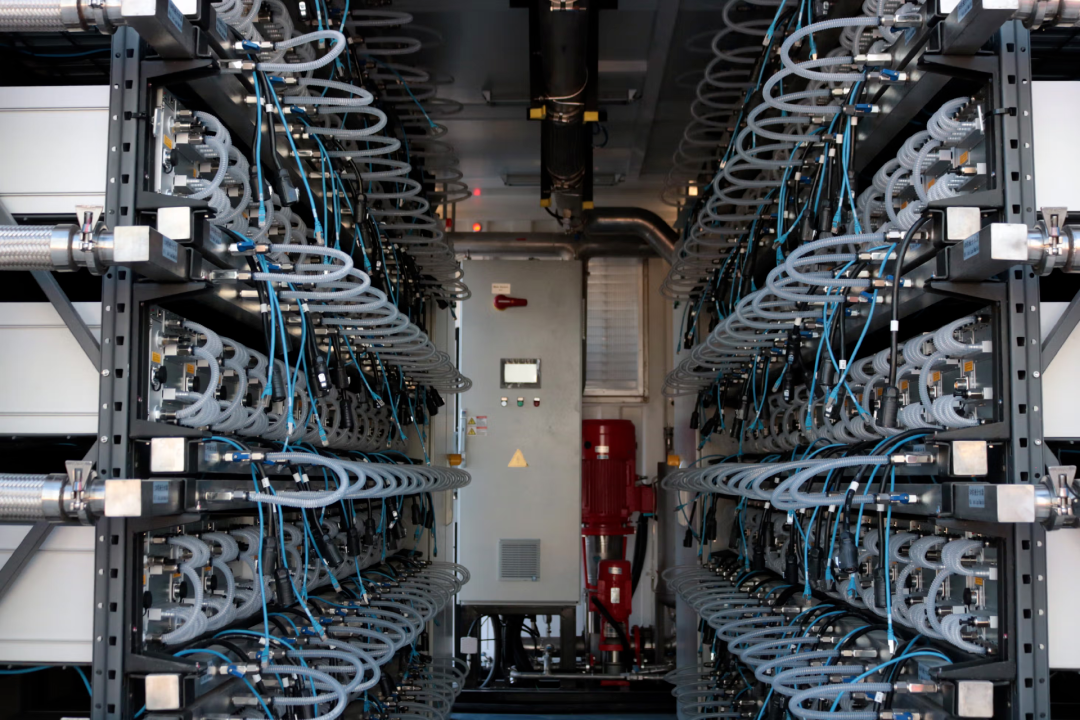
F2Pool grew astonishingly fast. Within just a year of its establishment, F2Pool became the world's largest Bitcoin mining pool; over the next decade, more than 1.3 million Bitcoins were mined from this pool.
At its peak, F2Pool held more than thirty percent of the total computing power of the entire network. In other words, during those years, for every three Bitcoins mined worldwide, nearly one came from Wang Chun's pool.
With this wave of prosperity, Wang Chun earned enough wealth to become a notable Bitcoin billionaire.
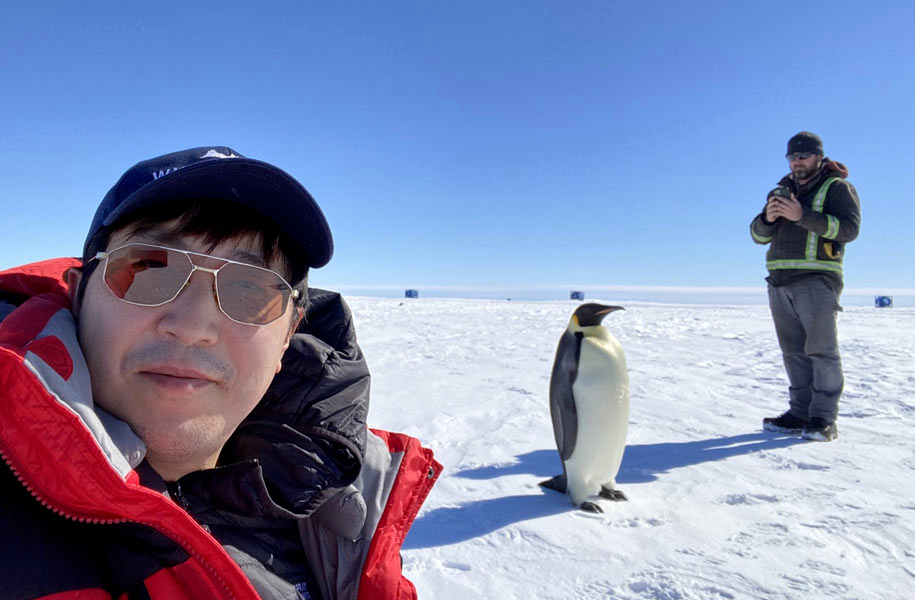
After making money, Wang Chun finally had the opportunity to realize his childhood dream of traveling the world and exploring the polar regions.
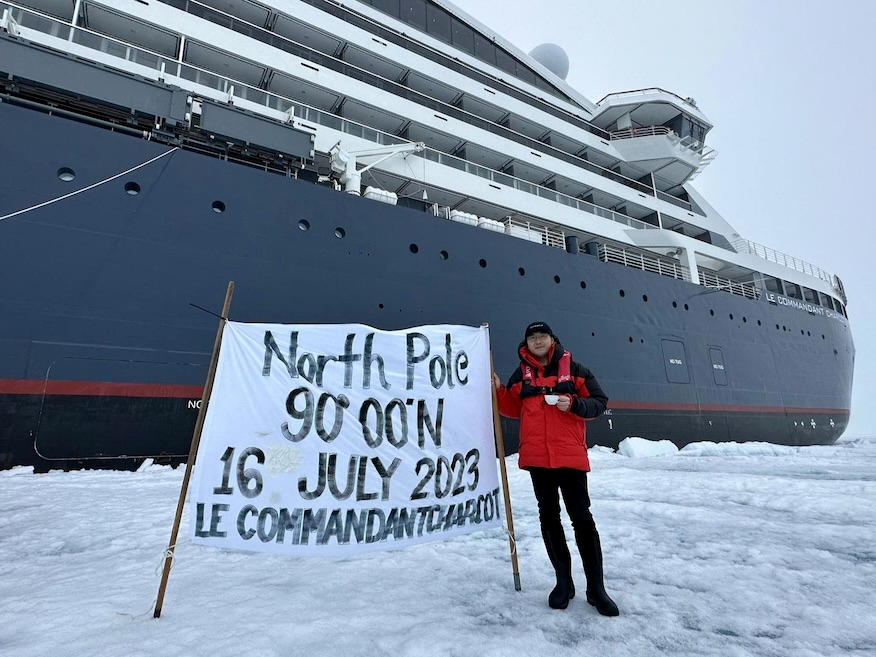

On April 1, 2025, Wang Chun took his 1000th flight, but this flight's destination was not any city, but the true distance—space.
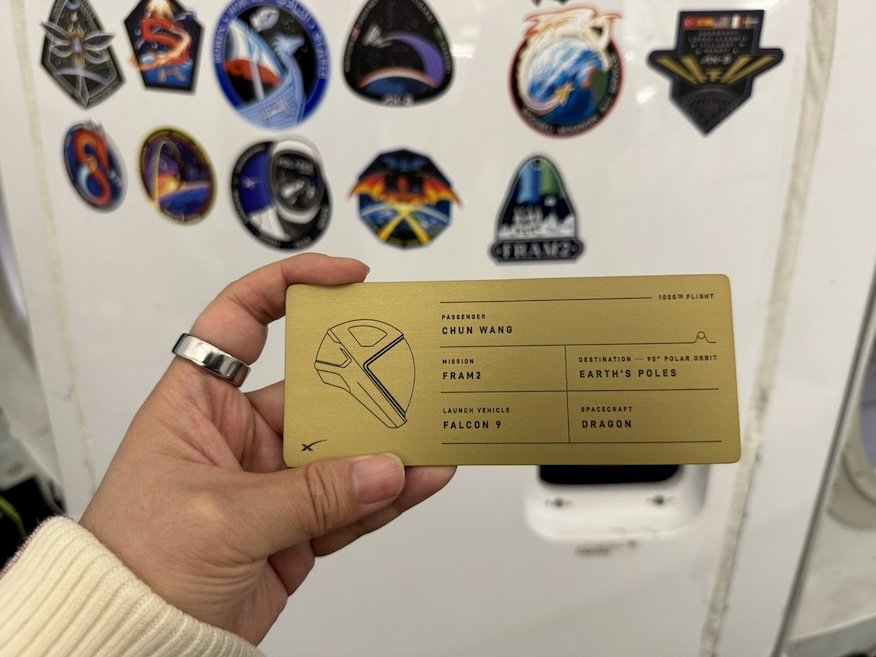
△This flight aboard SpaceX's Dragon spacecraft will be Wang Chun's 1000th flight so far
This mission, code-named Fram2, will be operated by SpaceX's most mature and frequently crewed spacecraft, the “Dragon.”
Its flight path is unique: launching south from Florida, it will enter a rare polar orbit, circling right above the North and South Poles, “standing up” to circle the entire Earth.
Wang Chun personally funded this voyage, renting all four seats on the Dragon spacecraft, costing approximately two hundred million dollars. He also personally selected three teammates for himself: a film photographer, a robotics expert, and a polar explorer.
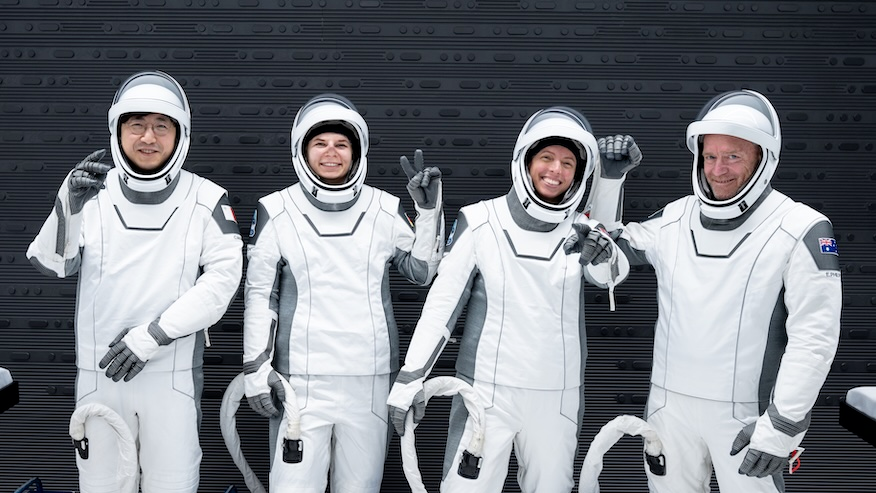
△The four astronauts of the Fram2 mission pose for a photo in the spacesuit dressing room near NASA's Kennedy Space Center Launch Complex 39A
The plan for this mission and this unique flight path were all designed by him. The goal is to fulfill the polar fantasy he planted in childhood.
In the next three and a half days, they orbited the Earth, capturing numerous photos of the polar regions and auroras from space, and also managed to take the first X-ray of a human in space.
After returning from space, people admired Wang Chun's extreme challenges while also envying that he had finally achieved the ultimate goal of his life.
But what everyone did not expect is that, for Wang Chun, this is still just a warm-up.
On May 21, 2026, SpaceX launched the new generation spacecraft “Starship.” In a live broadcast, SpaceX also announced that Wang Chun would serve as the commander of humanity's first manned mission to Mars.
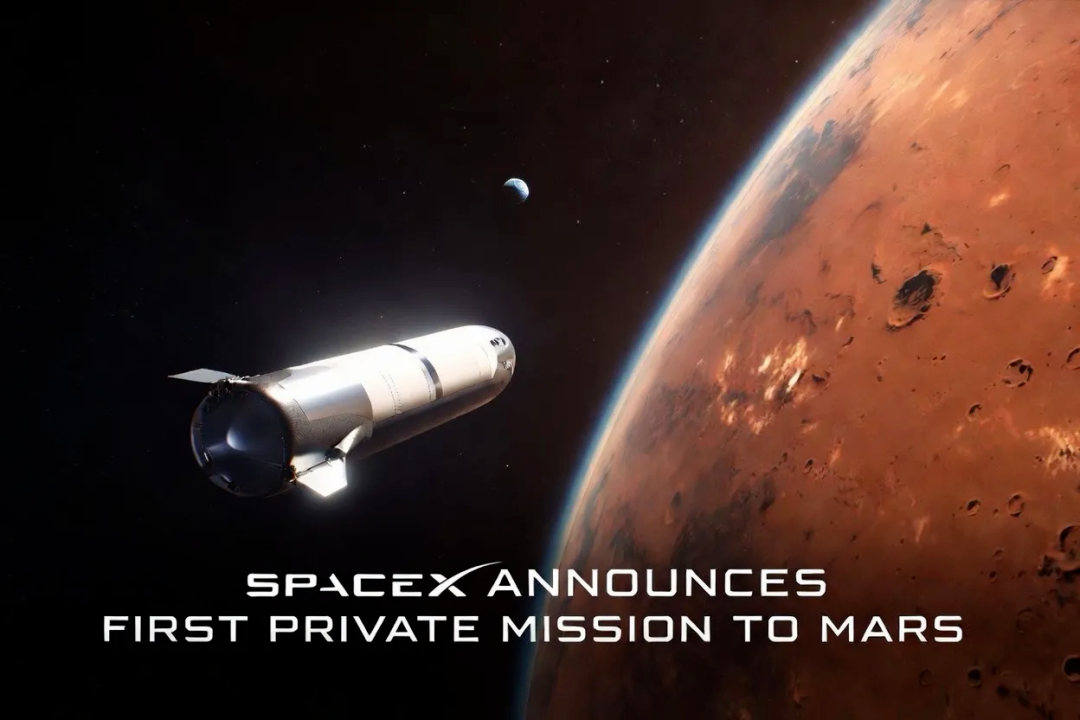
This will be a journey of nearly two years.
The spacecraft will take him out of the Earth-Moon system, heading for Mars, and then looping back to Earth, spanning several hundred million kilometers. For most of these two years, he will be confined to a small cabin, drifting through the dark void of space.
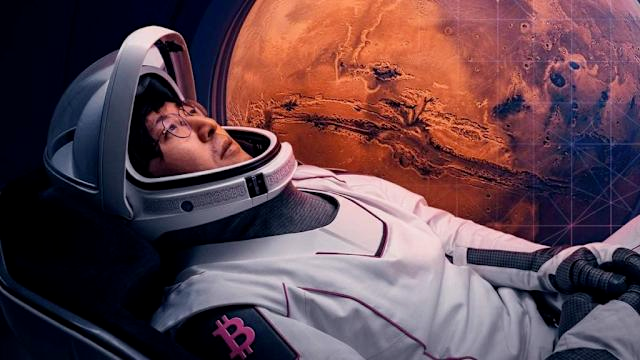
Before departing for Mars, Wang Chun will also conduct a week-long lunar orbit flight with the first self-funded space tourist in human history, Dennis Tito and his wife, within about two hundred kilometers of the lunar surface.
During the two years following the launch of the manned mission to Mars, Wang Chun and his team will complete a large amount of data collection work in deep space, aimed at obtaining critical operational data for humanity so that Mars exploration can evolve from a short-term novelty into a long-term inhabited, self-sustaining home.

For Musk and SpaceX, flying past Mars has never been the goal.
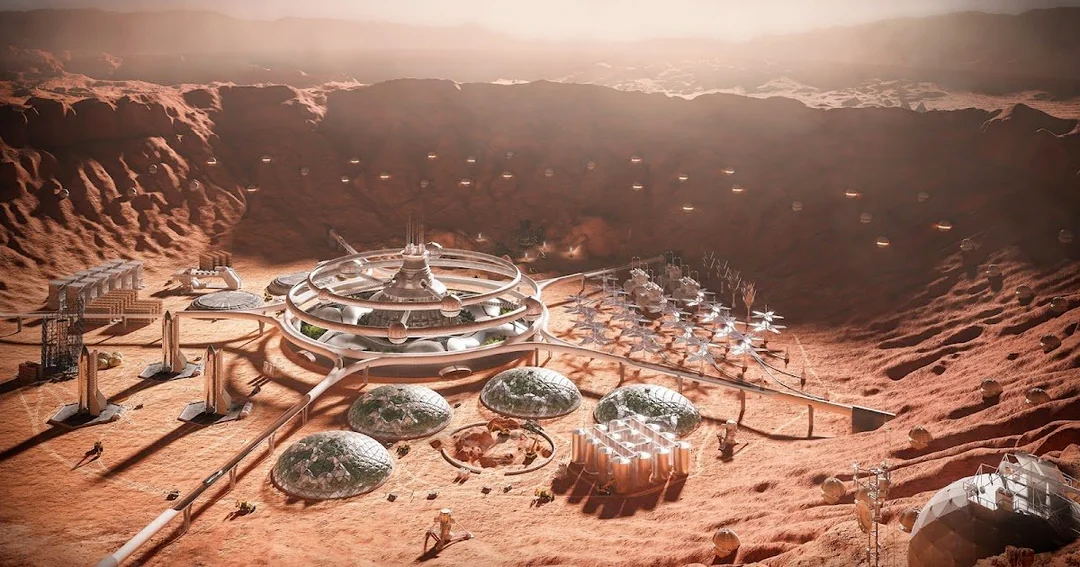
According to Musk's vision, a real city must be built on Mars in the future. To this end, thousands of Starships will be launched every twenty-six months, ferrying equipment and people up. The Martian city will initially be constructed by prioritizing the transport of millions of tons of equipment and supplies, with the final goal being to have one million people willing to live on Mars.
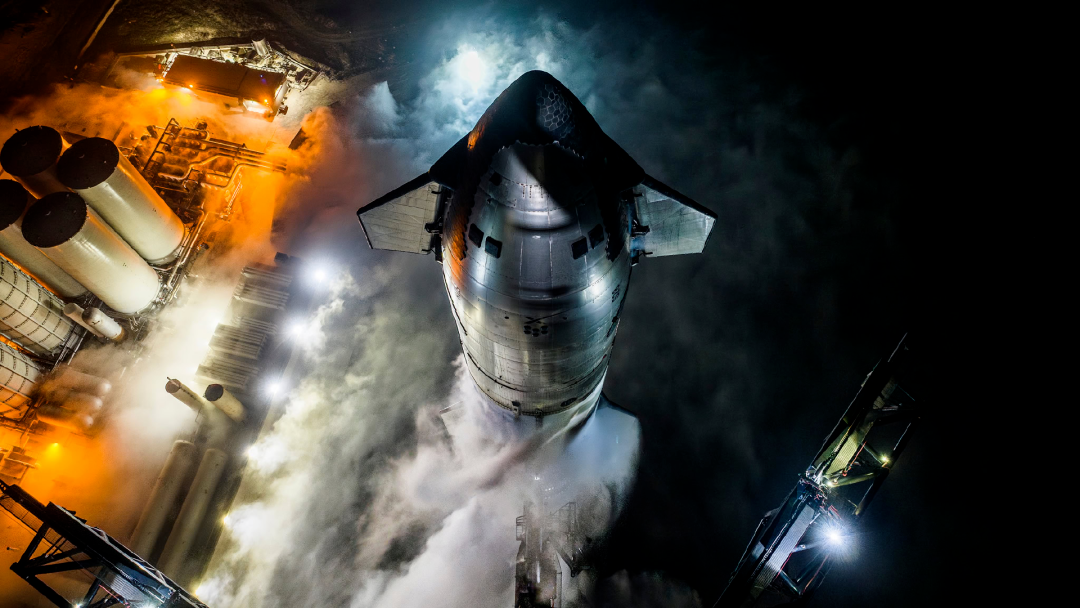
From then on, humanity will truly become a “multiplanetary species.”
The Mars mission that Wang Chun is about to undertake in the next two years is the first step towards this mad plan.
In the past, most people discussing commercial space ventures like SpaceX and Blue Origin would marvel at the frightening cost or avidly gossip about the extravagant spending of wealthy individuals.
It seems that when it comes to space, the conversation revolves solely around “money.”
And in terms of money, Wang Chun isn’t even the wealthiest billionaire. In this circle, tycoons like Zhao Changpeng and Sun Yuchen have fortunes hundreds of times his size.
In the Bitcoin realm, known for its wealth myths, he would only be considered upper-middle class.
But for Wang Chun, money has always been just a tool, not a goal.
The extravagance in the cryptocurrency circle often arises from rapidly growing wealth, stirring up greed in many and causing many to lose control.
But Wang Chun hardly resembles someone from the crypto circle.
When everyone else is busy counting their money, he is the only one looking up to count the stars.
During the Fram2 mission, his entire fortune was only a few hundred million dollars, yet he didn't blink as he pulled out a full two hundred million to fly his expedition team into space. Almost half of his fortune was staked on this three-and-a-half-day journey.
Compared to many colleagues who dive into indulgence after making money, Wang Chun's simplicity and purity are truly rare in today's era.
In an interview with CBS, he spoke about the significance of this mission: “It’s not just about going to space, but about pushing boundaries and sharing knowledge. We hope that stories like this can inspire more people to pursue their curiosity.”
Stefan Zweig said in “The Stars Shine in Humanity”: “The greatest luck in a person's life is to discover their mission at the midpoint of their life, particularly in their prime.”
Few people are willing to take risks to venture into those remote and harsh corners to explore our planet; even fewer are willing to exhaust their wealth to actively seek extreme environments.
Wang Chun is clearly one of those fortunate individuals.

免责声明:本文章仅代表作者个人观点,不代表本平台的立场和观点。本文章仅供信息分享,不构成对任何人的任何投资建议。用户与作者之间的任何争议,与本平台无关。如网页中刊载的文章或图片涉及侵权,请提供相关的权利证明和身份证明发送邮件到support@aicoin.com,本平台相关工作人员将会进行核查。


