
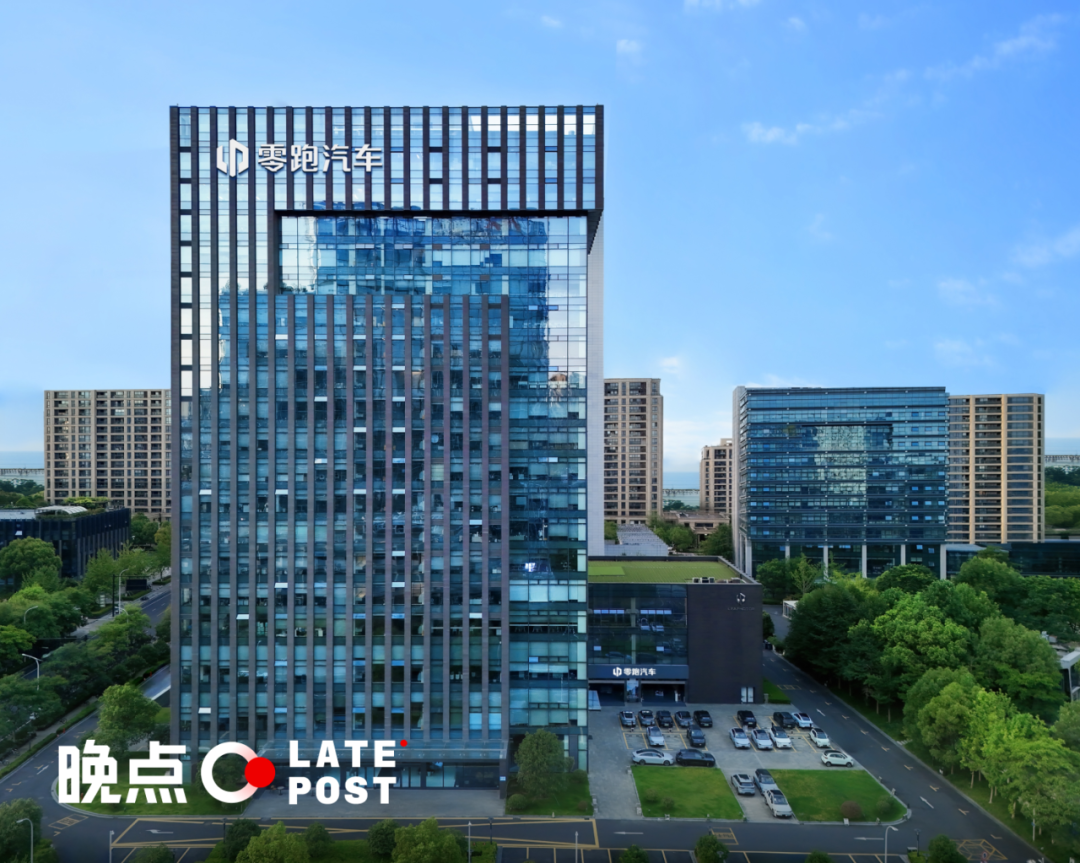
Leap Motor has risen to become the fourth largest brand in global new energy vehicles, backed by 18 self-built parts factories.
Written by丨Guo Ruichan
On August 24, Leap Motor announced its semi-annual performance for 2026. In the first half of this year, Leap’s revenue reached 38.11 billion yuan, a year-on-year increase of 57.2%; net profit stood at 210 million yuan, achieving profitability for three consecutive half-year periods.
This year, the automotive industry as a whole has faced unfavorable conditions such as weak downstream demand and rising upstream component costs, leading to an increase in loss-making car companies. Leap Motor also recorded a 390 million yuan loss in the first quarter due to these impacts, but there was a significant improvement in the second quarter, turning a profit. Leap has also become the only new force car company that has achieved profitability for three consecutive half-year periods recently.
In the past, Leap was often seen as a new force car company competing primarily on price-performance ratio. However, relying solely on price competition in a challenging external environment makes profitability harder to achieve. Leap’s ability to remain profitable against the odds is due to its unwavering commitment to the development strategy of "full self-research + deep self-manufacturing" since its inception.
If you walk into Leap's factories, it becomes easier to understand the role of self-research and self-manufacturing: control over core technologies enables Leap to design better-performing and higher-quality parts, improve production line automation rates and product yield, and reduce waste, ensuring product strength while maximizing cost control.
Three consecutive half-year periods of profitability, Leap gradually opens up the mid-to-high-end market
The significant increase in new car sales is the main driver of Leap’s revenue growth. In the first half of this year, despite a 20.2% year-on-year decline in overall retail volume of domestic passenger cars, Leap delivered a total of 356,500 new cars, a 60.8% increase compared to the same period last year.
In the second quarter, Leap’s A series first new car A10 began to be delivered in volume, providing the biggest sales increment for Leap. This model has brought advanced parking assistance features down to under 100,000 yuan, selling over 60,000 units in the second quarter.
Overseas markets also represent a significant new growth increment. In the first half of the year, Leap exported 96,000 vehicles overseas, contributing nearly 30% of its total sales, exceeding the total export volume for the entire last year. Currently, Leap is growing fastest in the European market; the financial report shows its revenue in Europe in the first half reached 8.875 billion yuan, accounting for over 20% of total revenue.
However, Leap faces a harsh external environment; selling more does not necessarily lead to higher profits. The rise in upstream costs this year has been comprehensive, including fluctuations in lithium carbonate and precious metal prices, as well as electronic components like storage chips, PCBs, and capacitors. Many car companies have publicly mentioned the pressure from costs.
Nevertheless, Leap’s ability to recover is becoming apparent, as its gross margin improved to 12.6% in the second quarter, an increase of 3.2 percentage points compared to the first quarter, leading to a turnaround and helping Leap achieve profitability for the third half-year period.
This is partly due to the improvement in Leap's product structure. In April, Leap launched the D series, aimed at the mid-to-high-end market priced above 200,000 yuan; following the release of the first model D19, it contributed nearly 20,000 units in the second quarter. Leap’s founder and CEO Zhu Jiangming revealed that the average price of the D19 is around 250,000 yuan, with low configurations making up a very small proportion.
On the other hand, it benefits from Leap’s development strategy of "full self-research + deep self-manufacturing". Leap’s platform generalization rate has now exceeded 88%, and the scale of sales significantly increased in the second quarter, bringing scale effects that partially offset the impact of rising upstream costs.
Considering Leap’s upcoming sales trends, there will still be room for improved operating quality in the second half of the year. In July, Leap globally delivered over 100,000 vehicles, becoming the first new force car company to cross the 100,000 monthly sales threshold. Among the comparable terminal license plate volumes in the first five months of this year, Leap ranked fourth among passenger car brands in the global new energy market.
Entering the second half of the year, Leap's product matrix has become richer. In the mass market, Leap continues to raise the configuration ceiling for each price segment with its idea of "good but not expensive." The A series has introduced the hatchback model A05, which shares the platform with the A10, and Leap expects combined monthly sales of the two A series models to exceed 30,000 units; the B and C series have launched annual facelift models, among which the B series has integrated four major features—800V and 3C fast charging, front-row double zero-gravity seats, AR-HUD, and 3K central control screen—into its 100,000-level models for the first time; the Lafa 5 series has also added an Ultra version.
In the mid-to-high-end market, Leap is beginning to establish its brand reputation. D19 delivered over 10,000 units in July, and its NPS (Net Promoter Score) for the first half of the year ranked first in the new cars market priced between 200,000 and 300,000 yuan. The second model of the D series, D99, was launched in June, positioned as a "scientific technology luxury flagship MPV," starting at 249,800 yuan, with a sales average exceeding 300,000 yuan.
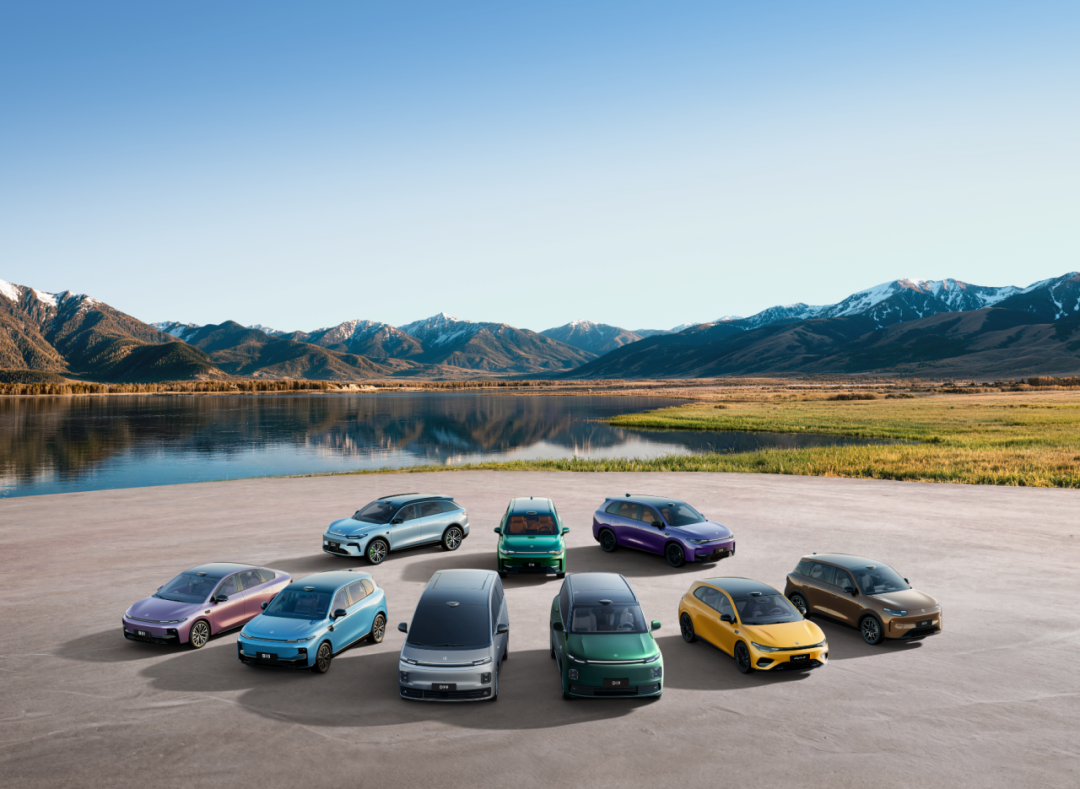
Leap Motor product matrix.
Leap's overseas expansion is also speeding up. In July, Leap's overseas sales exceeded 17,000 units, and in the first seven months of this year, it completed 75.9% of its annual sales target of 150,000 units; Leap expects to challenge the sales target of 200,000 units this year.
With the help of its cooperation with Stellantis, Leap has gained ready-made overseas channels and production capacity resources, establishing over 1,000 stores globally, most of which are located in Europe, and will focus on expanding into the South American market next. Leap’s management indicated that Leap will have adequate capacity to ensure the success of its localization strategy in both Europe and South America, with the official production launch of its factory in Spain scheduled for October this year. Currently, Leap holds over 25% market share in Italy’s pure electric market, with a registration volume of 23,000 units in the first half of the year, making it the best-selling pure electric brand locally; in June, Leap became the highest-selling Chinese electric vehicle brand in the German market.
Leap's CFO Li Tengfei also provided guidance for the year's net profit and gross margin during the conference call, estimating the annual net profit could reach about 3 billion yuan, with gross margin expected to recover to around 14% level.
Technology drives efficiency and scale, Leap enters a positive cycle
The larger the sales scale, the more apparent Leap’s advantages of self-research and self-manufacturing become. Leap’s choice to pursue the self-research and self-manufacturing path is deeply rooted in its genes, with 90% of the 51-member startup team being R&D personnel. However, it has not been easy to maintain this path; Leap's gross margin was negative for a long time, but long-term perseverance eventually led to competitive product capabilities and platform capabilities, driving sales growth and forming scale effects.
Currently, Leap has 18 factories covering three electric systems, three smart systems, and high-value-added components, with a self-research and self-manufacturing rate of 65%, second only to BYD among Chinese car companies. At the end of May this year, Leap opened its five component factories in Huzhou for widespread, close-range visits for the first time, including battery, electric drive, domain control, headlights, and electronics.
The five factories are not far apart, and many upstream suppliers are clustered around them, shortening the supply radius to save on logistics, packaging, and losses. For instance, in electric drives, Leap completes the assembly of the stator, rotor, controllers, and overall assembly at the same base, eliminating at least three packaging, three inter-factory transports, and three storage movements compared to assembling purchased components. The manufacturing cost of a single electric drive can save 50 yuan. Based on an annual production capacity of 1 million sets at the Huzhou electric drive base, the annual savings could be around 50 million yuan.
Leap prioritizes which components are worth investing in self-research and self-manufacturing based on two dimensions: one is a high cost proportion, and the second is significant impact on overall vehicle performance. The three electrical systems meet both criteria and represent the most important capability in the early stages of electric vehicles; Leap’s initial investments in self-research and self-manufacturing also began with the three electrical systems.
Taking electric motors as an example. The performance, quality, and lifespan of electric motors are closely related to cooling technology. Oil cooling can remove heat from the motor faster than water cooling, but electronic oil pumps—the key components of oil-cooled electric drives—were long monopolized by foreign suppliers. Before 2023, the more mainstream application domestically was still water cooling. A factory manager shared this history during a factory visit: it was precisely because early electronic oil pumps were not only expensive, but also frequently unavailable, leading to supply bottlenecks, that Leap was determined to invest in self-research and self-manufacturing for oil-cooled electric drives and electronic oil pumps.
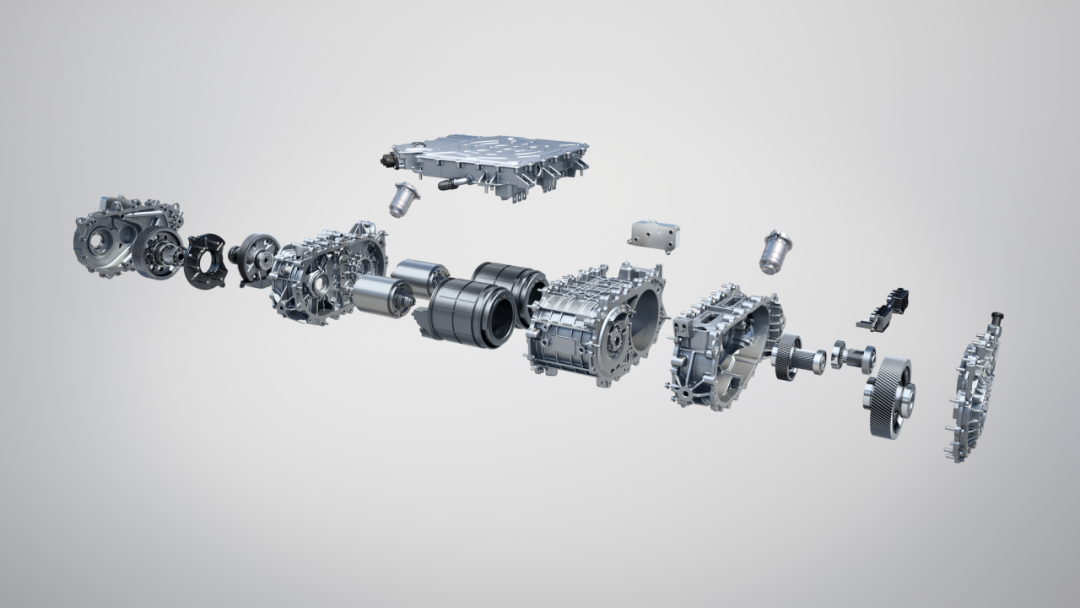
Leap D platform electric drive.
In 2021, Leap launched its self-designed variable architecture oil-cooled electric drive, initially mass-produced in the Leap C11; at that time, it still had to rely on contract manufacturers. Today, Leap can supply oil-cooled electric drives externally, with integration levels continuing to increase. In the field of three electrical systems, Leap is also the first domestic car company to launch and mass-produce battery-less CTC technology.
This self-research and self-manufacturing system now supports not only “good but not expensive” products for the mass market but also the technical labels needed for Leap's advancement into mid-to-high-end markets. The D19 debuted with Leap LEAP4.0 central domain control architecture, integrating two major systems—assisted driving and cockpit—on either a single Qualcomm 8797 chip or dual 8797 chips, with two-way data intercommunication. This "brain" is also manufactured by Leap’s own domain control factory, where a domain control board for a D19 must complete the mounting of over 8,000 components in a short time. Additionally, the dual-vector electric drive equipped on the D19 is also self-researched and self-manufactured by Leap, and the DLP projection headlights and AR-HUD for the D series also come from Leap's own lighting factory.
The premise of self-manufacturing is self-research and mastery of core technologies; otherwise, even if savings of about 15% gross margin from suppliers are achieved, it will not lead to improvements in product strength, quality, and efficiency.
This is reflected in Leap's emphasis on quality. Leap has established multiple error correction mechanisms on the production line; there are no sample inspections, and every component that comes off the line must pass inspection. These steps ensure quality and increase costs, but a higher yield can prevent larger losses later.
Cost savings primarily come from technological and process innovations. Only by thoroughly understanding technology and processes can the production line achieve higher efficiency. For example, Leap employs a block process in its battery factory: the industry previously commonly welded over 100 cells into a battery pack at once, which was time-consuming and had a higher waste rate. Leap disassembled this process, first welding the cells into block units of 4 to 8 cells each, then assembling them into the battery pack and welding several connecting strips, compressing the time taken for each pack from about 10 minutes to around 3 minutes. The automation rates of Leap’s other components production lines are also at the industry-leading level, with the electronic oil pump production line achieving 100% full automation and the onboard power supply production line achieving a 90% automation rate.
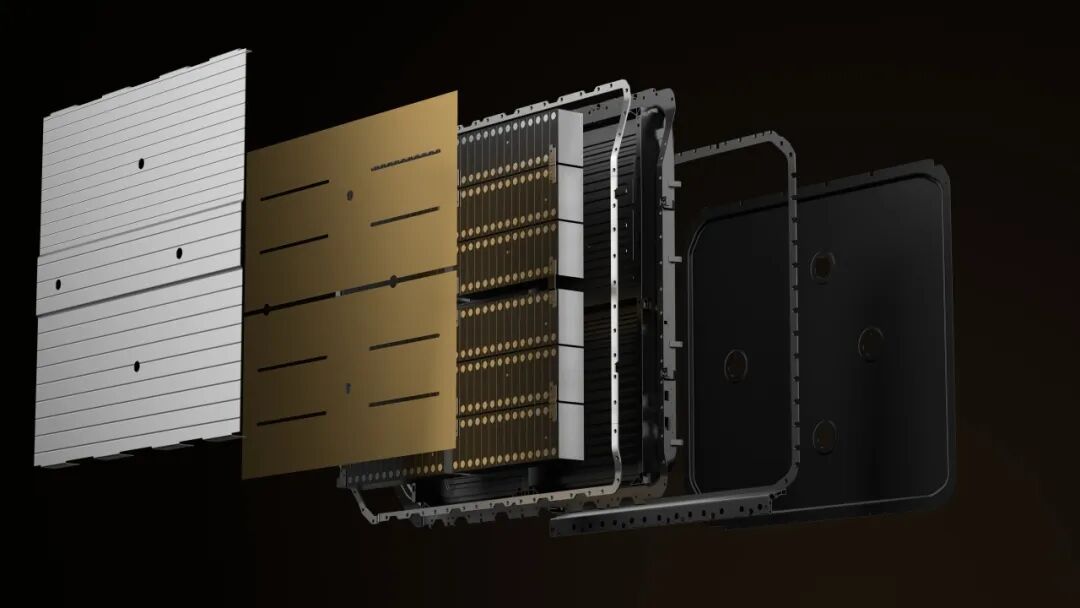
Leap's extended-range CTC battery technology.
Leap is also continuing to expand the scale of its self-manufactured components. Production lines for compressors, onboard power supplies, and electronic oil pumps only started production last year and are still in the capacity ramp-up phase, with further room for manufacturing cost reductions as production scales up.
Through self-research and self-manufacturing, some components possess better quality and lower costs than those from external suppliers, giving them competitive viability for external supply. Based on the installation data from May this year, Leap's battery PACK, BMS, electric drive, electric control, and assisted driving domain control are all among the top five in the industry; Leap has currently secured collaboration points with over ten domestic and foreign automotive companies for whole vehicle and component-level cooperation, and both Stellantis and China FAW, its two shareholders, will adopt Leap's whole vehicle technology architecture to develop brand new electric products.
This collaboration is also deepening. On August 25, Leap signed a deepened strategic cooperation agreement with China FAW, expanding the collaboration scope from whole vehicles to assisted driving, powertrains, power batteries, intelligent chassis, body process equipment, lightweight components, and embodied intelligent robots. According to Leap’s management, technological cooperation and external supply revenue are expected to form a certain scale next year.
In addition to the self-research accumulation in three electrical systems and electronic and electrical architecture, Leap is also advancing self-research in assisted driving technology. Leap adopts a latecomer approach for assisted driving, which minimizes the trial-and-error costs associated with earlier technology route changes. Leap’s co-president Wu Qiang stated during the conference call that Leap began to increase its overall investment in assisted driving starting in the second half of last year, including talent acquisition. The assisted driving models launched last year have accumulated a large amount of data for the new plan set to be released in September.
According to the financial report, Leap's R&D expenditure in the first half of this year increased by 22.8% year-on-year to 2.32 billion yuan, with available funds reaching 38.59 billion yuan, providing ample financial support for Leap's subsequent technological research and global expansion.
Cover image source: Leap Motor
免责声明:本文章仅代表作者个人观点,不代表本平台的立场和观点。本文章仅供信息分享,不构成对任何人的任何投资建议。用户与作者之间的任何争议,与本平台无关。如网页中刊载的文章或图片涉及侵权,请提供相关的权利证明和身份证明发送邮件到support@aicoin.com,本平台相关工作人员将会进行核查。


