Original | Odaily Planet Daily (@OdailyChina)
Author | Planet Little Flower
The World Cup is about to kick off, and aside from the prediction market eagerly anticipating it, there is another industry quietly heating up.
Recently, FIFA announced a new rule: all players participating in the World Cup for the first time must wear a "World Cup Debut Patch" on their jerseys. This means that even if you are a world-renowned superstar, if you have never stepped onto the World Cup stage before, such as Erling Haaland or Lamine Yamal, you must wear this special badge. Some national teams returning to the World Cup after many years may even have to have the entire team wear it.
This is not just to give a sense of "ceremony" to World Cup newcomers; those who understand the sports card industry know that this patch will be removed, certified, cut, and then embedded into sports cards after the game. Ultimately, it may transform into a 1/1 debut autographed card, rated, auctioned, and traded, possibly exceeding the price of a supercar in the future.
In May of this year, FIFA announced a long-term exclusive collectibles licensing partnership with Fanatics. In the future, the World Cup-related sports cards, stickers, and collectibles systems will officially enter the Fanatics/Topps era.
You may not be into sports cards, but it is worth noting that behind these little cards, a world of alternative assets with a scale exceeding one hundred billion dollars, a massive secondary market, and long-term bull and bear cycles has already formed.
At the same time, the entire sports world is entering a new era of "fragmented finance".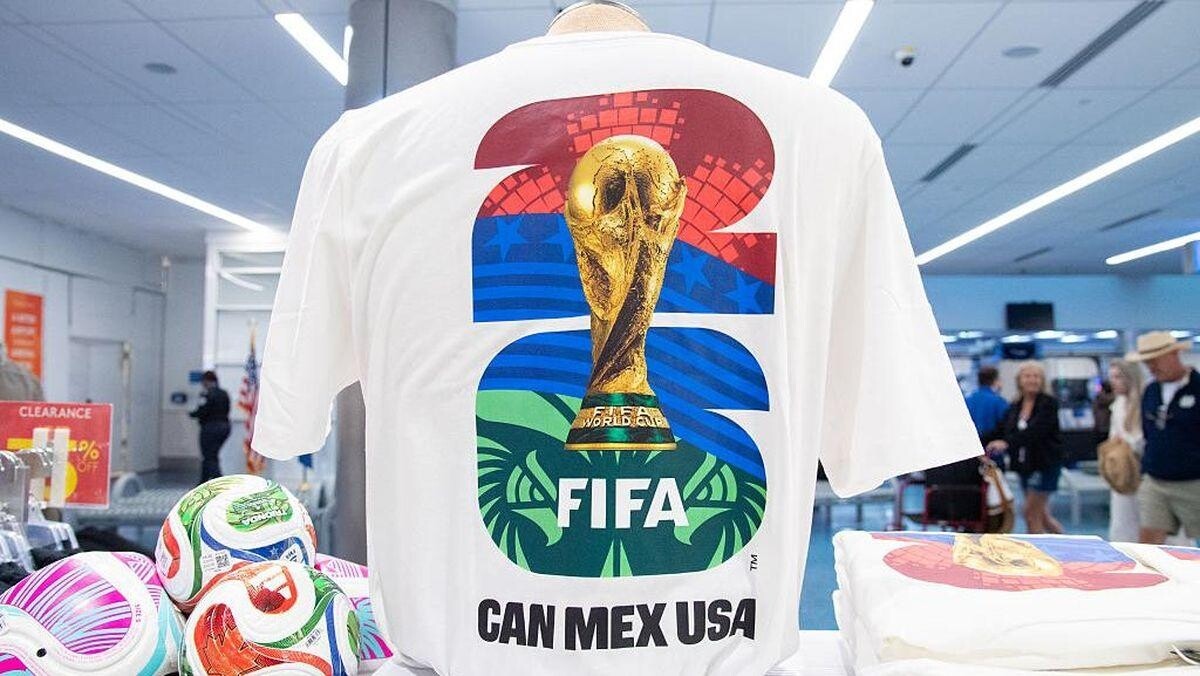
Sports Leagues "Sell History for Money"
Fans used to care about the "historical moments witnessed by a jersey"; now people may care about "how many pieces of history this jersey can be divided into."
After all, one jersey can belong to dozens of cards, hundreds of buyers, and can be resold countless times in the future, even forming a price curve that continuously rises or fluctuates significantly.
A piece of fabric may enter a card manufacturer from the player's chest, enter a blind box, then enter a grading agency, go to an auction house, and finally become an alternative asset in an investment portfolio.
Football trading cards are not a new thing. Since the 1970 World Cup, Panini has established a system of World Cup stickers and trading cards. Many fans' childhoods began with a World Cup sticker album.
However, it has never established a mature and highly liquid "sports financial asset system" like the NBA.
Those who have not encountered this phenomenon may find it strange: football has the largest fan base globally, and the commercial value of superstars is high, but the prices, liquidity, and depth of the secondary market for football cards have long struggled to compare with the NBA.
The reason behind this is that the NBA is inherently more suitable for "assetization," while football lacks such a highly unified, continuously generating emotions and scarcity commercial operation system.
Basketball is a sport characterized by individual heroism, where superstar players can clinch games, the statistical system is standardized, the league narrative is unified, and the American industry excels at star-making. From draft nights, debuts, all-stars, MVPs, playoffs to championships, every node can be packaged as an asset.
In contrast, the football world is far too fragmented. National teams, leagues, clubs, the Champions League, sponsors, and copyright systems are disjointed, making it difficult to form a unified and continuous financial narrative like the NBA.
It is not hard to understand that the World Cup patch mentioned at the beginning is FIFA actively trying to create "financial raw materials" for high-priced sports cards in the future.
NBA Turns Paper into Financial Assets Over 70 Years
Many people in the cryptocurrency space may have come to know sports cards during the NFT boom, but, in fact, the NBA trading card market has been trading for over 70 years.
In 1948, Bowman released the first batch of NBA player cards; in 1986, Fleer launched the Michael Jordan rookie card that later changed the entire industry; in the 1990s, with the Jordan era and the globalization of the NBA, the sports card market entered a national frenzy for the first time. At that time, almost every mall, convenience store, and toy store in the U.S. was selling cards.
But soon, the industry faced its first major crash.
In the late 1990s, numerous publishers crazily overproduced cards, and the printing volume spiraled out of control, leading to a major bear market. This period later became known in the collectibles circle as the "Junk Wax Era."
The change in the industry came from the "scarcity revolution" after 2000.
In 2003, LeBron James entered the NBA. That same year, Upper Deck launched the Exquisite series, thoroughly introducing concepts like autographs, jersey patches, limited numbering, and 1/1 into the high-end card market.
Since then, sports cards have started to become an alternative financial asset.
They began to have explicit numbering, scarcity tiers, long-term price curves, grading systems, auction platforms, professional market makers, and a vast secondary market.
During the pandemic, grading agencies like PSA and BGS rose, while auction platforms like eBay, Goldin, and PWCC matured, and breakers began live-streaming card openings, gradually forming a complete ecosystem in the entire industry.
The scale of this market far exceeds expectations. According to data from 2025, the global sports trading card market has reached approximately 11.5 billion dollars, and basketball cards remain the most profitable core category in the industry, while autographed cards and patch cards are the highest growth high-end assets.
Meanwhile, grading companies have even transformed into real "platform businesses."
In 2025, Collectors, the parent company of PSA, completed the acquisition of Beckett (the parent company of BGS), and the entire industry is moving towards a more highly financialized and centralized development.
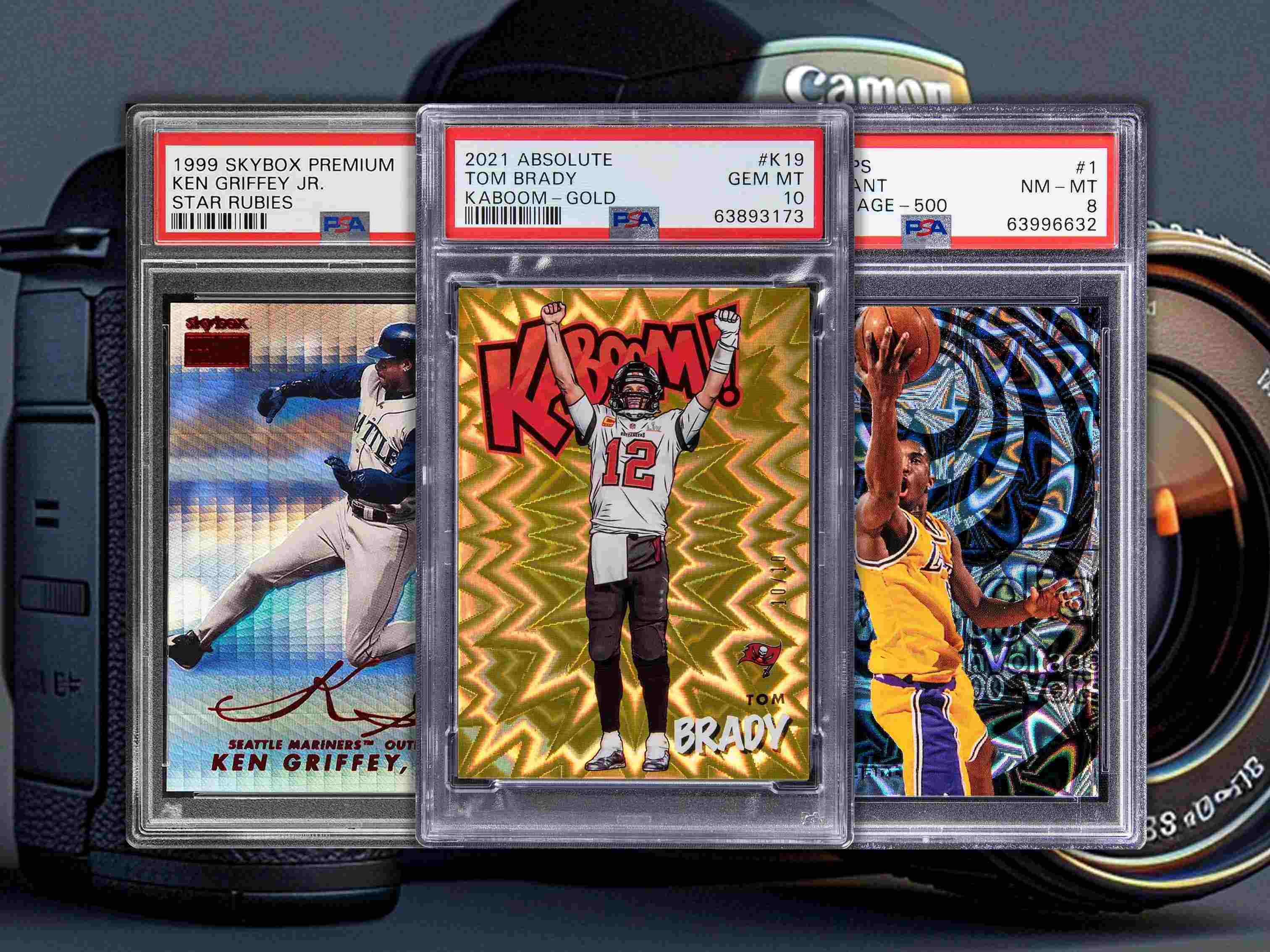
In recent years, grading companies have essentially become very close to the "asset issuance layer" in crypto, with PSA's annual revenue in 2024 exceeding 300 million dollars; in today's sports card world, whether a piece of paper can go from 500 dollars to 5,000 dollars often merely depends on whether it is ultimately encapsulated in a PSA plastic case.
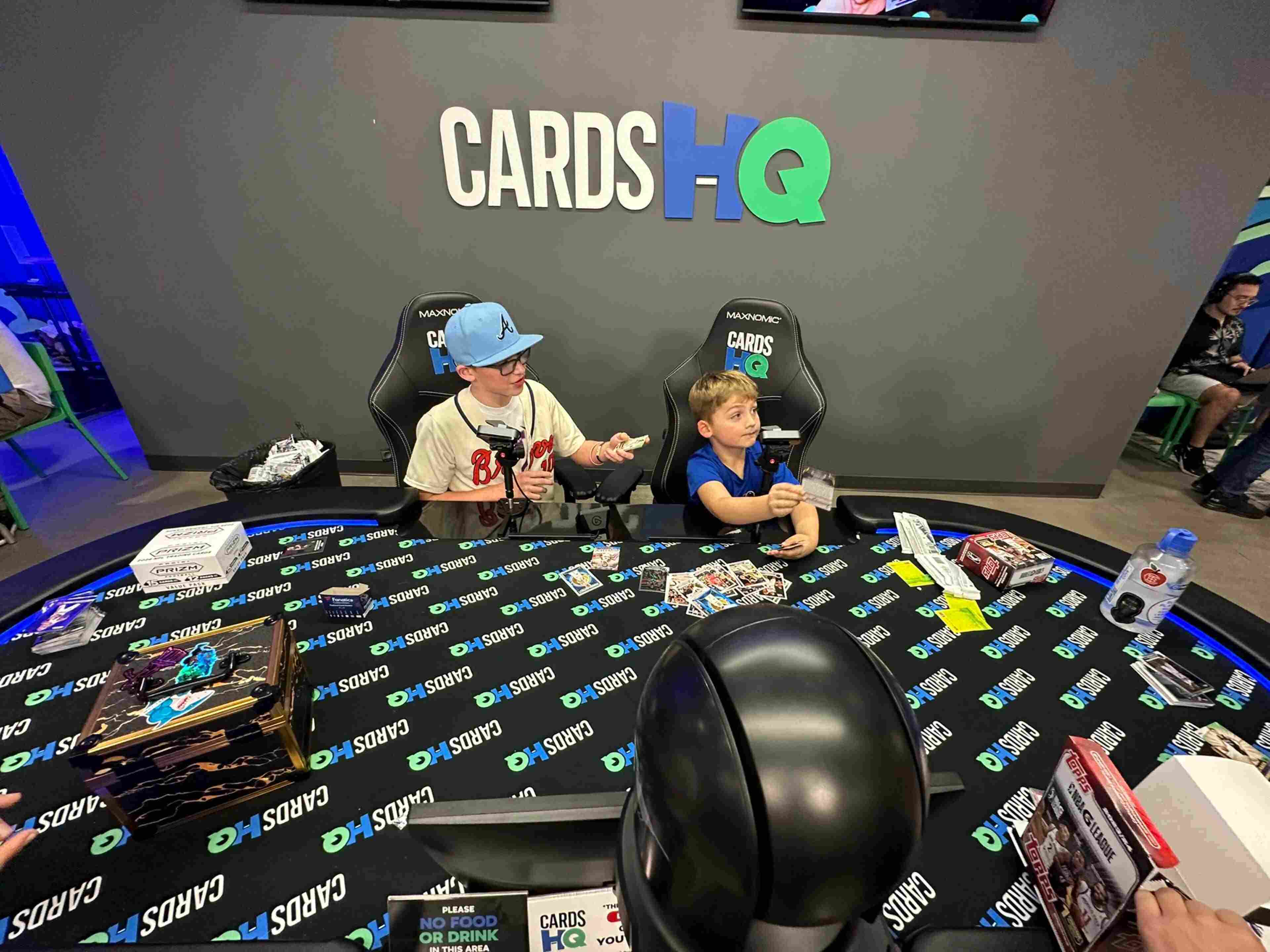
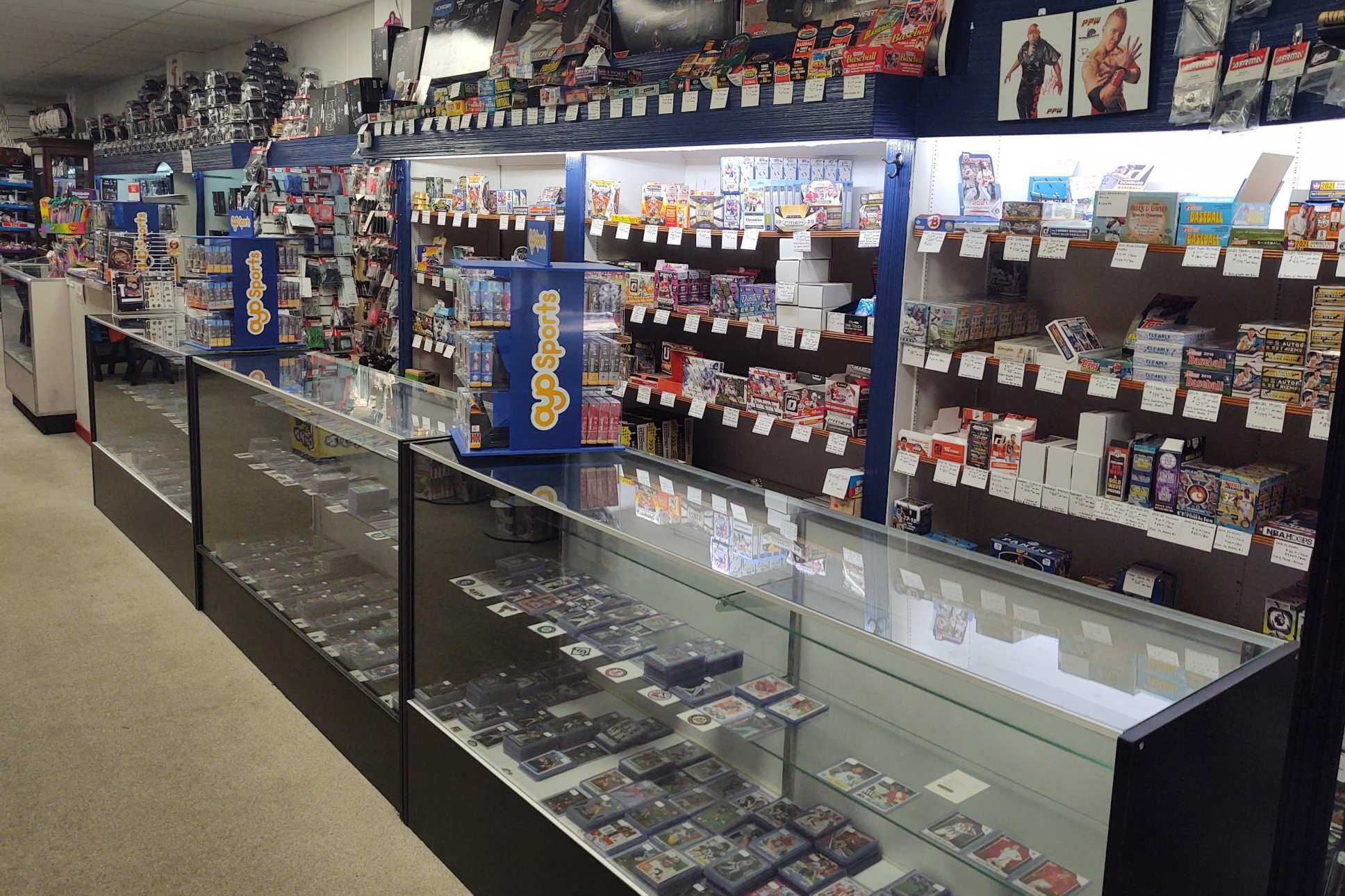
Moreover, many offline "exchanges" centered around sports cards have appeared globally, with CardsHQ in Atlanta being called "the world's largest sports card store" by several media. It not only sells cards but also integrates live card breaking, auctions, KOLs, communities, and trading into a large financial entertainment venue.
Today's NBA trading card market is quite similar to the world of crypto.
It has stood the test of time, has long-term bull and bear cycles, substantial secondary liquidity, long-term "diamond hands," has KOLs boosting trends, and speculative trading on future GOATs.
Many trading card break communities are akin to meme communities, where hosts set the pace, communities make calls, gamble on rookies, hype scarcity narratives, and FOMO opens boxes...
Collective Emotion Can Become an Asset
What gives this market sustained liquidity and the potential for financialization, just like other assets, relies on "narratives."
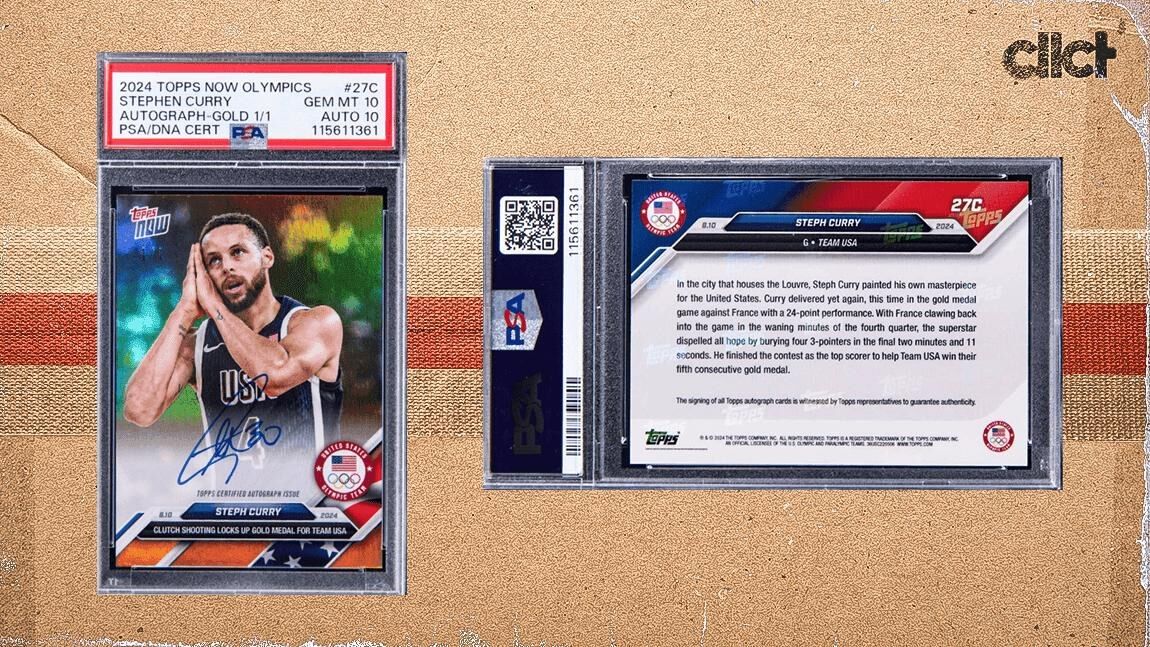
In June last year, a Stephen Curry 2024 Topps Now Paris Olympics 1/1 autographed card was auctioned at Goldin Auctions for 518,500 dollars.
This card is valuable because it is tied to a moment. In the 2024 Paris Olympic men's basketball final, Curry hit key three-pointers continuously and made that classic "night-night" gesture to France.
Thus, the price of a card is deeply bound to the "narrative moment" that is hyped behind it: that shot, that game, that cheer, the emotion of "I witnessed history."
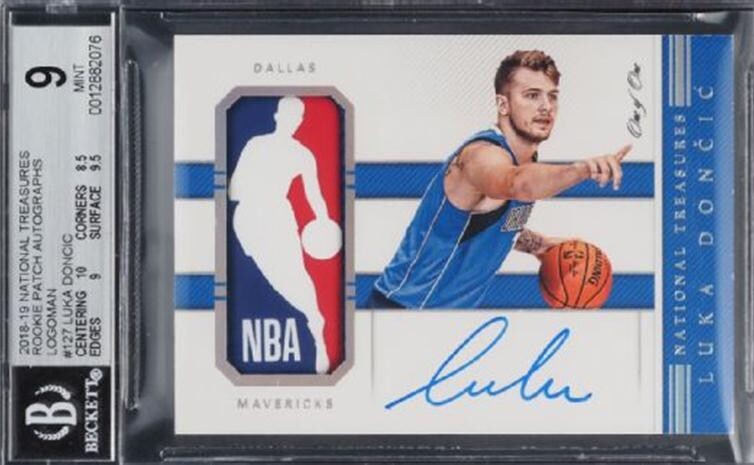
However, this price is not exaggerated in the top sports card market; in 2021, Curry's Rookie Logoman Autograph 1/1 was sold for 5.9 million dollars.
This is the most profound change in the sports collecting market in recent years: prices are no longer bound by absolute time or scarcity but defined by various "story hype."
This follows the same logic as the explosive prediction markets; on Polymarket, we trade on whether Trump will be elected, if Bitcoin can reach new highs, or if a movie will win an Oscar.
In the trading card market, they trade on whether Yamal will become the next generation's king, if Haaland can win the World Cup, or if a rookie will become the future GOAT.
Prediction markets sell "probability of results," while trading cards sell "historical ownership"; they are essentially both about the advance pricing of collective emotions.
What NFTs Can't Achieve
Cryptocurrency players who have been hurt by NFTs may find this "emotions turning into assets" chain of logic very familiar.
However, NFT projects all face the same unsolvable problem: a lack of the ability to continuously produce "new stories."
A little image can be hot for a period after minting, but once the heat fades, project teams can only create new roadmaps, airdrops, collaborations, and empowering efforts to struggle to maintain market consensus.
After an infinite loop, they can only launch new projects until there are no buyers left.
But sports are different; sports are the world's eternal "emotion production machines."
They automatically update the narrative every day and never come to an end. Some clinch games, some get injured, some take revenge, some retire, some become legends overnight, and some turn from benchwarmers into stars.
Its narrative is not something project teams fabricate; it is what continuously occurs in the real world.
I have always enjoyed watching UFC; Dana White is one of the sports operators who understands "attention finance" best in the past decade.
UFC doesn't sell tickets for fighting matches; it sells rivalries, trash talk, revenge plots, underdog triumphs, and dynasties falling, all while yielding ever-fresh emotions and dramatic stories.
People won't pay for "technical stats," but they will always pay for "narratives."
In reality, the NBA has also followed this logic in recent years.
On one hand, long-time fans are constantly complaining about the league's "entertainment." Referee controversies, star alliances, drama, league hype, and an increasing sense of scripted elements. But on the other hand, the undeniable fact is that the NBA's reach and commercial value among young people are growing stronger.
Financialization of Sports Leagues
Today, the logic of sports consumption, as well as the entire entertainment industry, has changed.
Many young people might not watch complete games, but they will watch trash talk, memes, short video clips, star personas, social media drama, and post-match interviews.
Sports increasingly resemble a never-ending reality show IP. And trading cards have become the most direct financial outlet for these emotions.
During the NFT bull market, project teams also loudly declared that Web3 would redefine sports collecting. But now it seems that those who truly completed "assetization" first are traditional sports leagues. Because they possess what Web3 lacks: real people, real matches, and genuine collective emotional consensus.
In today's world of financialization, sports are not only manufacturing the "future history" perpetual motion machine but are also becoming a platform for issuing financial assets.
免责声明:本文章仅代表作者个人观点,不代表本平台的立场和观点。本文章仅供信息分享,不构成对任何人的任何投资建议。用户与作者之间的任何争议,与本平台无关。如网页中刊载的文章或图片涉及侵权,请提供相关的权利证明和身份证明发送邮件到support@aicoin.com,本平台相关工作人员将会进行核查。


