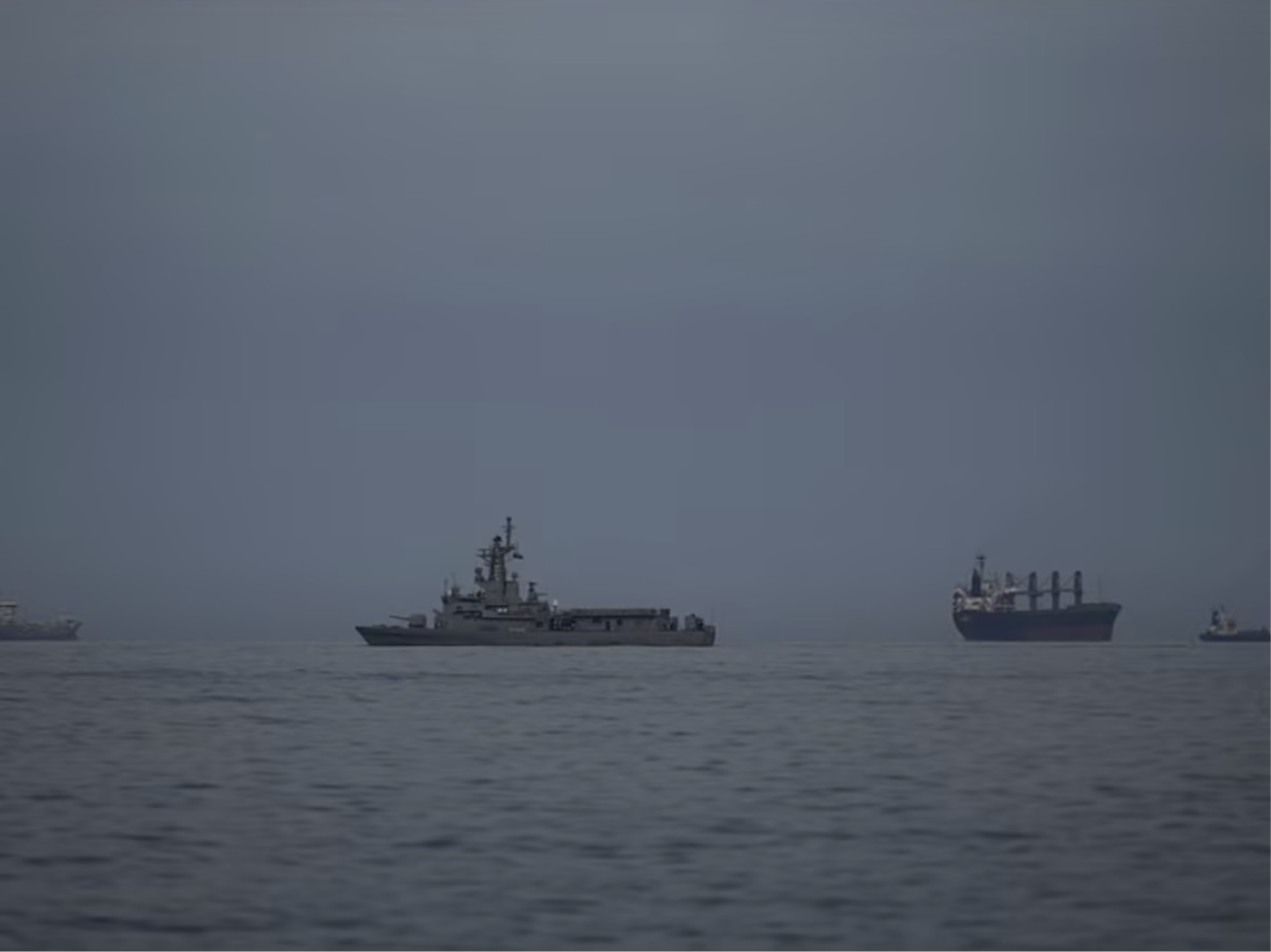
The conflict in the Middle East has escalated once again, pulling global attention back to the narrow yet crucial Strait of Hormuz. This key waterway has seen varying degrees of shipping disruptions under the conflict, directly igniting a collective surge in freight rates and war risk insurance premiums. Public information from sources like Techflow and Planet Daily indicates that some shipping rates related to Hormuz have risen to more than ten times their original rates in a short time, while insurance surcharges have also rapidly increased, leading to a complete repricing of the "tickets" for vessels passing through these waters. The sudden increase in shipping costs is bleeding from the balance sheets of tankers and cargo ships into global trade terms and inflation expectations, becoming a significant source of new price pressures.
The key choke point is jammed: The global cost of an expensive strait
The Strait of Hormuz itself is not wide, yet it is one of the lifelines for global energy and commodity flows. As the essential route for oil-producing regions to external markets, this maritime "throat" carries large amounts of crude oil, refined oil, and other bulk materials, and any disruption immediately chokes the upstream global supply chain. As such, any military tension or geopolitical friction around this waterway quickly transforms into a source of systemic risk for the global market.
Following the outbreak of the conflict and the escalation of tensions, vessels near Hormuz have had to slow down to navigate around, wait for escorts, adjust routes, or even delay departure, leading to a simultaneous rise in shipping delays and uncertainty. Market sentiment has tightened sharply, with quoting parties embedding higher risk compensations into freight rates, while insurance companies adjust terms and increase premiums, with some transactions being postponed or renegotiated due to difficulties in assessing costs and risks. The panic is evident not only in price curves but also in the concerns of trading participants over future delivery capabilities and cash flow stability.
Voices from the market, such as from Rhythm, point out that "the cumulative impact of freight rates and insurance and other ancillary costs is continuously impacting global trade." This statement encapsulates the current consensus: it is not a single cost item that is independently driving prices higher, but rather a combination of pressures from shipping delays, risk premiums, insurance surcharges, and capital occupation that are simultaneously stacking up, gradually squeezing the profit margins of trade operations. For those heavily reliant on maritime transport for energy and goods, a jammed Hormuz throat raises costs not just for a single journey, but for the operational logic of the entire global trade system.
Freight rates surge 11 times: The cost of a ship setting sail is rewritten
Public reports indicate that some shipping rates related to the Strait of Hormuz have seen a rise of 11-12 times, a figure repeatedly cited by multiple channels including Techflow and Planet Daily. The already high shipping quotes, when overlaying geopolitical risks, have been directly "pulled up to a new dimension," completely rewriting the cost structure of a single journey. For the global shipping industry that relies on economies of scale and low-cost turnover, such a change is not a mere price fluctuation but a shock close to an "asset rule reset."
At the same time, the war risk insurance premiums for vessels are also rising quickly. According to analyses from Techflow, this once relatively marginal cost item is becoming one of the important driving forces for the increase in shipping costs. Insurance companies must reassess maritime risks in an opaque and rapidly evolving conflict environment, incorporating potential losses into the insurance rate. Although there is currently a lack of unified percentage data, the market generally agrees that rising premiums are a reality and resonate with freight rate hikes.
On the cost structure level, this "skyrocketing" can be understood through a simplified illustration. For ship owners, the original costs were mainly composed of fuel, labor, maintenance, and baseline insurance. Now, under the same journey and cargo volume, freight and war risk premiums have become the new "big tickets," lengthening cash flow fluctuations and capital occupation cycles. For traders, the rising costs of ship leasing and insurance surcharges compress the price range that can be tolerated in transaction terms, forcing them to hedge risks either by lowering purchase prices or raising sales prices. Ultimately, end buyers bear the final link in this chain of cost transmission at supermarket shelves, gas stations, and electricity bills.
Chain reactions spread: From oil prices to supermarket shelves
When critical waterways like Hormuz come under pressure, the cost structure of energy and bulk raw materials is immediately impacted. Crude oil and natural gas, as fundamental inputs for industrial society, will see price pressures rapidly transmitted to multiple sectors such as refining, chemicals, electricity, and manufacturing if transportation costs surge. This transmission does not always immediately reflect in end pricing, but will ferment in corporate pricing strategies, inventory management, and hedging arrangements, gradually landing in the daily expenditures of consumers across countries.
The continued rise in freight and war risk insurance premiums is also subtly changing the background color of global inflation expectations. Central banks around the world were already struggling to balance high inflation with weak growth post-pandemic, and now they must also take "geopolitical risk premiums" into account as an external variable. Once energy and bulk prices form a new center under the push of high freight rates, passively imported inflation will compress the space for monetary policy operations, making the trade-off between "cutting interest rates to support growth" and "maintaining price stability" more challenging.
Several market commentators point out the current reality — global trade is being forced to pay a "war premium" for the geopolitical conflict. This is evident not only in the transportation costs of crude oil and natural gas but also in the shipping quotes of a wide range of commodities, including grains, fertilizers, and industrial metals. More concerning is that once this war premium is seen by the market as the "new normal," it may become embedded in long-term contracts and forward pricing, forming a factor for sustained price increases rather than a one-time short-term shock.
Who pays and who benefits: The reshaping of global competition
Behind the sharp fluctuations in shipping costs is a redefinition of the interests map of different countries and regions. Economies that heavily rely on energy imports from the Middle East and lack diversified alternative channels are often the direct victims of rising costs. They face not only higher energy bills but also the cost push on industrial chains and inflationary pressures that come with it. In contrast, those countries that possess relatively diverse energy sources or are driven by domestic demand have a degree of buffering ability and may even gain some premium returns through export advantages during high energy price cycles.
For oil-producing countries, the tension in the Strait of Hormuz is a double-edged sword. On one hand, increased transport risks may lead to delays or discounts on certain goods, complicating practical operations. On the other hand, global concerns about supply disruptions drive up the geopolitical premium contained in oil prices, bringing them higher nominal revenue and bargaining chips at the negotiation table. For countries and ports that can provide alternative routes or transshipment services, there is an opportunity to gain a new node status in the restructuring of some cargo flows, earning higher service fees and corridor income.
From the perspective of "geopolitical risk premiums," this conflict is gradually becoming embedded in the underlying logic of future trade and pricing games. Whether in long-term energy supply contracts, cross-border infrastructure investments, or currency settlement arrangements and security cooperation, all will be repriced in the next round of risk assessments. Those who can diversify routes, master key channels, or provide security guarantees will be able to capture a larger share of利益分配 under this new framework; while those who are heavily dependent on a single channel and lack bargaining chips can only passively "foot the bill" in the global pricing system.
Risk aversion sentiment heats up: Funds seeking new anchor points
A typical consequence of geopolitical conflicts is the resurgence of risk aversion sentiment in global asset allocation. When uncertainties arise at critical nodes like the Strait of Hormuz, risk-sensitive assets tend to be the first to come under pressure, causing funds to cluster towards assets deemed "safe." In traditional financial systems, commodities, especially energy goods, as well as bonds from countries with strong sovereign credit and certain currencies, typically gain more attention during such events, becoming preferred tools for hedging and risk aversion.
In this context, the price volatility paths of commodities start to diverge: on one end are energy and certain raw materials supported by both supply and freight, while on the other are industrial goods more sensitive to global demand, coming under pressure amid economic downturn concerns. Traditional safe-haven assets like gold and some high-rated bonds may benefit from the risk of capital repricing, while high-beta risk assets face challenges of valuation compression and amplified volatility.
Emerging asset classes, including cryptocurrency, find themselves at a more complex crossroads. Some funds view them as potential hedging tools against risks in traditional financial systems and sovereign currencies, increasing allocations in times of heightened geopolitical and inflation expectations; meanwhile, as assets driven by high market sentiment, the crypto market itself will also be constrained by tightening global liquidity and declining risk appetite. Overall, cryptocurrencies in this round of shocks are viewed more as one of the multifarious allocation options rather than a singular "safe haven," and judgment on their role needs to remain neutral and prudent.
After the expensive strait: The uncertain future of shipping and inflation
The obstruction of shipping in the Strait of Hormuz has triggered a collective surge in freight and war risk insurance premiums, transferring the costs of the "expensive strait" to global prices through energy and commodity prices. This process not only reshapes the cost structure of a single journey but also exacerbates the pressures of globally-imported inflation, making it even more challenging for central banks and real enterprises to navigate complex macro environments in their decision-making and strategies.
However, there exists high uncertainty regarding both the duration of the conflict and the pace of restoring shipping order. Estimates concerning the reduction in throughput and the time for supply chain recovery have been marked as "to be validated," reminding us that restraint and caution must be exercised with any specific timelines or precise forecasts. What the market can truly grasp is the fact that the conflict is not yet over, and risk premiums continue to play a role in the pricing system, rather than an exact date for "returning to normal."
In an era where geopolitical volatility is gradually normalizing, both investors and multinational corporations need to reassess their supply chain configurations and risk hedging frameworks. More diversified routes and supply sources, more flexible inventory and hedging strategies, and an asset allocation system that is more sensitive to geopolitical events and macro variables will no longer be "icing on the cake" but essential for survival. The waves of the Strait of Hormuz are sending a global reminder of a question that should have been faced long ago: the costly dependence is not only on this waterway, but also on a long-term reliance on a single security assumption.
Join our community, let's discuss and grow stronger together!
Official Telegram community: https://t.me/aicoincn
AiCoin Chinese Twitter: https://x.com/AiCoinzh
OKX benefits group: https://aicoin.com/link/chat?cid=l61eM4owQ
Binance benefits group: https://aicoin.com/link/chat?cid=ynr7d1P6Z
免责声明:本文章仅代表作者个人观点,不代表本平台的立场和观点。本文章仅供信息分享,不构成对任何人的任何投资建议。用户与作者之间的任何争议,与本平台无关。如网页中刊载的文章或图片涉及侵权,请提供相关的权利证明和身份证明发送邮件到support@aicoin.com,本平台相关工作人员将会进行核查。