Original | Odaily Planet Daily (@OdailyChina)
Author | Qin Xiaofeng (@QinXiaofeng888)
Introduction: The "Evolution" of Sui DeFi
In the world of blockchain, every technological leap is accompanied by a deep restructuring of the ecosystem.
When the core members of the Meta stablecoin team engaged in building high-performance public chains, they created one of the most vibrant ecosystems in the cryptocurrency space. From underlying infrastructure to support over $17 billion in on-chain transaction volume for the DeFi ecosystem, Sui has achieved a perfect evolution.
However, behind the growth lies a crucial question: How can the liquidity on Sui continue to develop sustainably with the acceleration of ecosystem activities to become more capital efficient and vibrant? What is the next step for Sui DeFi?
An answer is starting to take shape. At the beginning of 2026, Sui DeFi entered a new growth phase driven by three key elements: new capabilities, new assets, and new plans. DeepBook Margin reconstructs the underlying architecture, eSui Dollar injects institutional-level liquidity, and the Moonshots plan provides momentum for continuous innovation. Together, they transform Sui’s liquidity from a "static pool" into a genuine "self-sustaining liquidity engine"—achieving self-enhancement through shared primitives, composable assets, and ecosystem acceleration.
1. New Capabilities: DeepBook Margin, Establishing Sui's "Financial Baseline"
(1) A Transformative Change from "Trading Engine" to "Financial Layer"
Traditionally, DeepBook, as the core order book of the Sui ecosystem, primarily serves as a matching service for spot trading, providing efficiency and transparency. Its success is beyond doubt—as an invisible infrastructure, DeepBook has already provided robust support for the entire ecosystem's trading stack, processing over $17 billion in on-chain transaction volume.
However, the launch of DeepBook Margin marks a significant upgrade of this infrastructure from a mere "trading engine" to a complete "financial layer." This transformation is reflected in the fundamental expansion of its core capabilities: DeepBook is no longer just a spot order book, but rather through shared infrastructure, allows any application to natively embed margin, rewards, and settlement logic.
The deeper significance of this shift lies in its provision of vital impetus for the scalable development of the entire Sui ecosystem. As the DeepBook team emphasizes, "Liquidity on Sui has transformed from a static pool into an active system supporting borrowing, risk management, and execution." This dynamic liquidity management model not only improves capital utilization efficiency but also lays a solid foundation for the innovation of complex financial products.
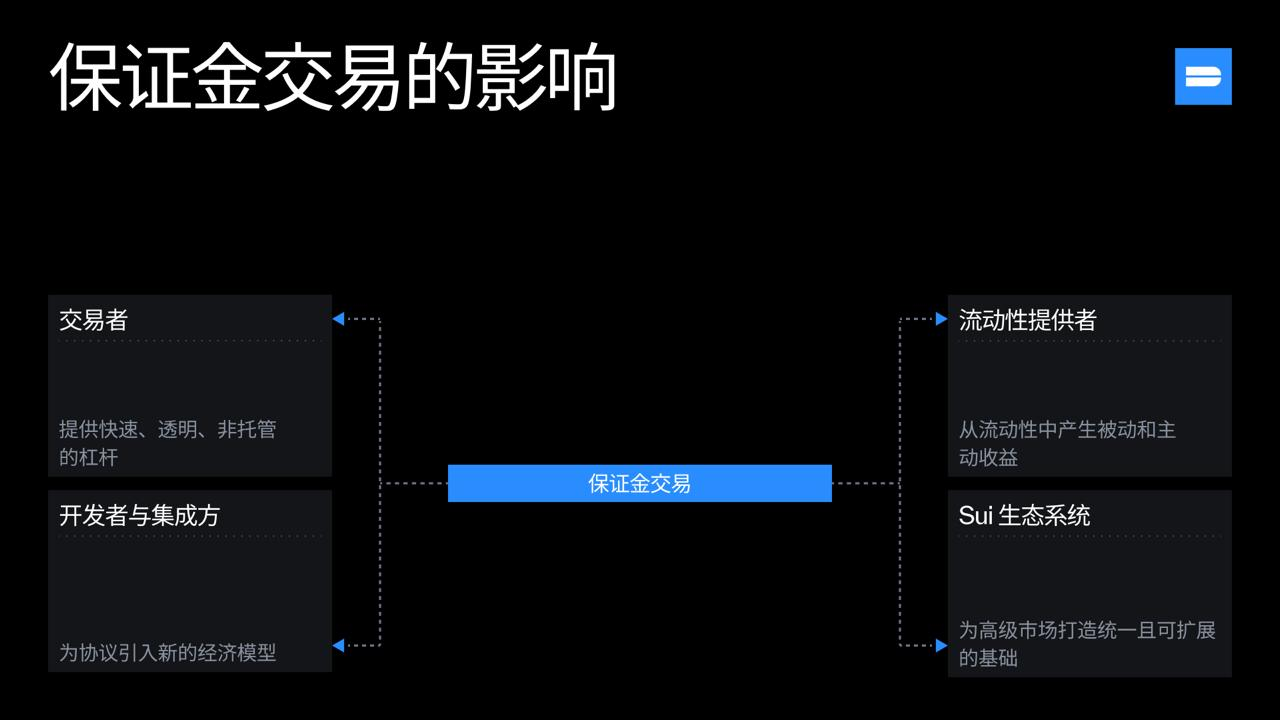
More importantly, DeepBook Margin adopts a "Infrastructure as a Service" design philosophy. Any development team can directly utilize this shared financial infrastructure without having to build complex margin trading, risk control, and settlement mechanisms from scratch. The advantages of this model are evident: developers can focus more on optimizing product experience and business logic, while users can benefit from a more unified and integrated liquidity service.
(2) The Power of Infrastructure: Born for Large Traders
From a technical architecture perspective, the upgrade of DeepBook Margin directly addresses the core demands of large traders for high-performance financial infrastructure. In traditional DeFi environments, liquidity is often fragmented across various independent protocols, leading to inefficiencies in price discovery and limiting the execution depth of large trades.
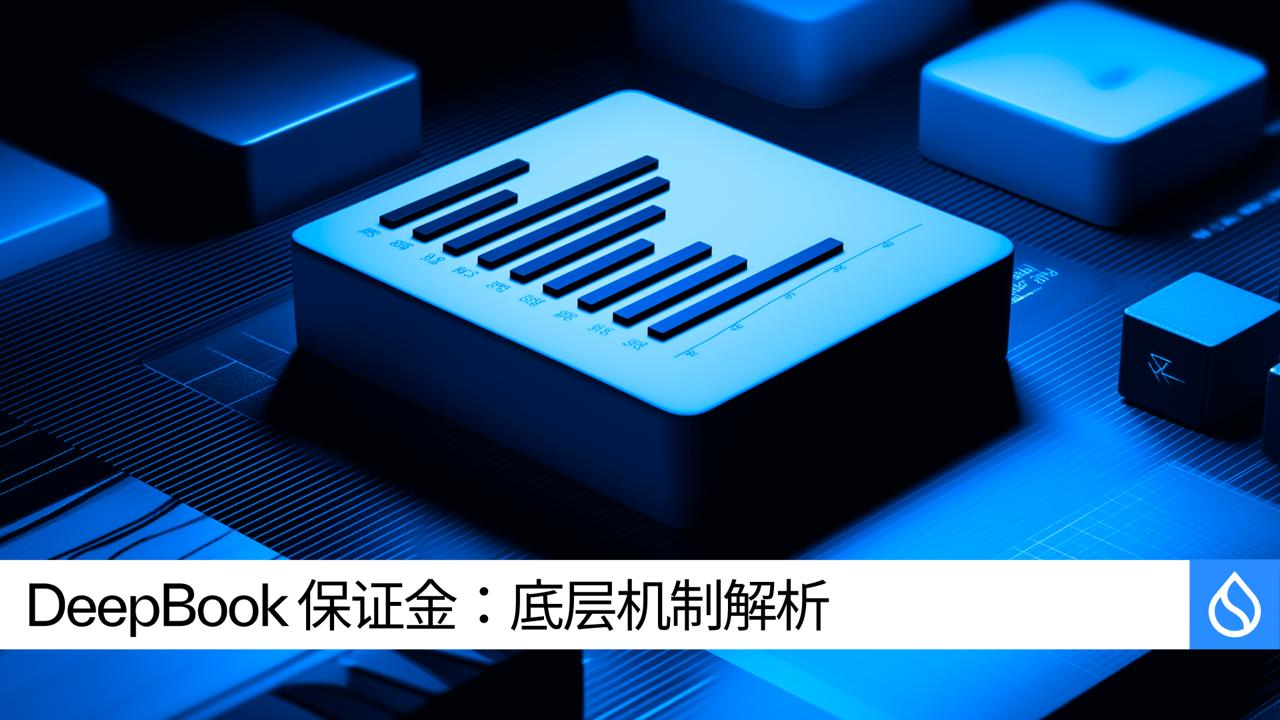
DeepBook Margin fundamentally solves this problem through a unified liquidity pool design. All margin trades are matched through the same shared execution engine, which means users can benefit from unified liquidity and tighter execution. For large traders seeking optimal execution prices, the deeper order book and narrower spreads provided by this unified liquidity are of irreplaceable value.
From a performance perspective, the advantages of Sui's underlying architecture are fully reflected in DeepBook Margin. Thanks to Sui's high-performance environment, this system not only includes a real-time clearing engine but also supports advanced features like independent margin pools, ensuring the safety and efficiency of large-scale trades. This performance advantage is particularly important for institutional users—they require not only fully functional financial tools but also a stable infrastructure capable of handling large trades.
It is also worth emphasizing that the margin trading mechanism of DeepBook Margin provides greater leverage and operational flexibility for advanced traders. By isolating margin pools and implementing flexible fee mechanisms, traders can manage their risk exposure more precisely while achieving higher capital utilization. The native integration of these advanced features provides Sui with a distinct competitive advantage in attracting professional traders and institutional funds.
(3) Ability as a Foundation: Strategic Significance of Programmable Financial Baseline
From a broader strategic perspective, the launch of DeepBook Margin has built a truly "programmable" financial baseline for Sui. This "ability" itself is a neutral technological infrastructure, but it offers unprecedented possibilities for upper-layer applications and innovations.
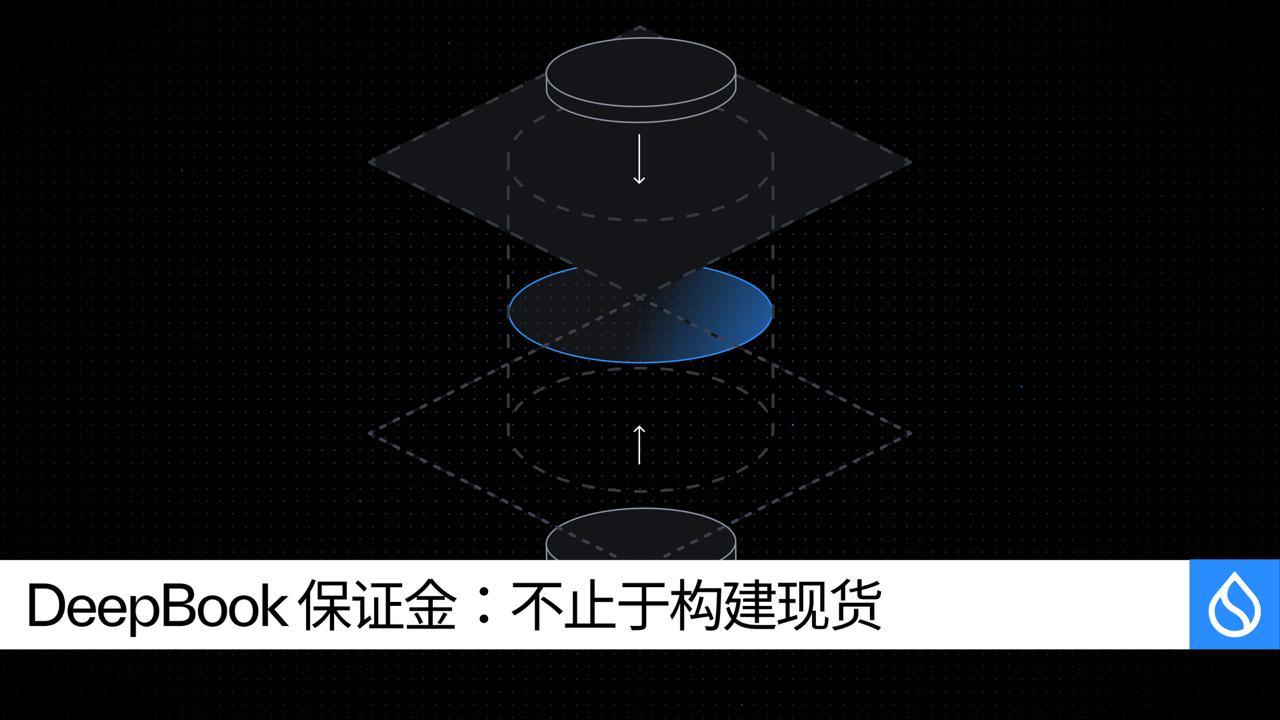
The value of this programmability lies in its composability potential. Whenever a new asset type is issued on Sui, it can immediately acquire complete leverage trading, borrowing, and risk management functionalities without needing to re-establish the underlying financial logic. This significantly lowers the entry barriers for new projects and provides richer building blocks for innovative applications.
As demonstrated by the native integration of eSui Dollar with DeepBook Margin, this composability is not merely a theoretical concept but a proven architectural advantage in practice. When new financial primitives and asset types can seamlessly integrate with existing infrastructure, the innovation speed and quality of the entire ecosystem will significantly improve.
2. New Assets: eSui Dollar Leading the Charge, Injecting "High-Energy Fuel" into the Financial Engine
(1) eSui Dollar: Not Just a Stablecoin, but a "Programmable Asset"
Throughout the development of the DeFi ecosystem, stablecoins have played a dual role of "value anchoring" and "liquidity carrier." However, the launch of eSui Dollar (suiUSDe) has pushed the concept of stablecoins to a whole new dimension. This synthetic dollar issued in collaboration with Ethena Labs is not merely another stablecoin option within the Sui ecosystem but the first truly "programmable asset."

The uniqueness of eSui Dollar is first reflected in its native integration with DeepBook Margin. As the first synthetic dollar integrated with DeepBook Margin, eSui Dollar can be used directly for margin trading, leveraged borrowing, and other complex DeFi workflows—capabilities that traditional stablecoins lack.
This implementation of native integration showcases the forward-looking design of the Sui architecture. eSui Dollar does not need to execute leverage functionality through complex cross-protocol calls but instead directly gains comprehensive financial capabilities within the underlying protocol. This design not only enhances execution efficiency but also greatly reduces smart contract risks and gas fee consumption.
More importantly, the launch of eSui Dollar verifies the actual value of DeepBook Margin as a programmable financial baseline. When a new asset type can receive full margin trading support from day one, it signifies that the Sui ecosystem already possesses the core characteristics of mature financial infrastructure.
(2) The "Ecological Panorama" of Assets: Full Coverage from Institutional to Retail
The application scenarios of eSui Dollar within the Sui ecosystem demonstrate both breadth and depth. From a technical integration perspective, the margin trading functionality of eSui Dollar has already been launched in multiple ecosystem projects, including Abyss, Cetus, and Deeptrade, while other projects can quickly integrate DeepBook Margin trading support, offering participants more choices and helping to drive the development of Sui DeFi.
This broad ecological support reflects not only the technical compatibility of eSui Dollar but also the maturity of the internal collaboration mechanisms within the Sui ecosystem. Developers do not need to negotiate integrations with each protocol separately but can obtain all functionalities of eSui Dollar through standardized interfaces. This "one-time integration, full-stack available" model greatly enhances the collaboration efficiency of the ecosystem.
From the user experience aspect, eSui Dollar offers differentiated value creation pathways for different types of market participants. For liquidity providers, they can earn dual returns of "passive income (borrowing income)" and "active income (transaction fee sharing)" by using eSui Dollar through DeepBook Margin. This dual income model significantly improves the efficiency of capital utilization.
It is particularly noteworthy that numerous ecosystem projects, including Aftermath, AlphaLend, Bluefin, Ember, Navi, Pyth, Scallop, and Suilend, have announced support for eSui Dollar. The breadth of this ecological support indicates that eSui Dollar has become one of the indispensable core assets in the Sui DeFi ecosystem.
Moreover, from a strategic standpoint, eSui Dollar has received significant backing from institutional participants. Marius Barnett, Chairman of SUI Group Holdings, clearly stated: "SUI Group is deeply embedded in the Sui ecosystem, valuing the systemic thinking framework behind it and the institutional-level on-chain market infrastructure that creates long-term value. The launch of eSui Dollar and DeepBook Margin lays a solid foundation for us to build efficient capital trading and liquidity provision functions based on Sui. This is precisely the programmable market infrastructure type we look forward to participating in as the on-chain system matures."
This institutional recognition not only proves the technological maturity of eSui Dollar but also establishes an important foundation for its application in traditional financial markets. As institutional investors start viewing Sui as a reliable financial infrastructure, the capital capacity and application scenarios of the entire ecosystem will qualitatively improve.
(3) Outlook for Q1 2026: More "Fuel" on the Way
The successful launch of eSui Dollar is only the first step in Sui's asset diversification strategy. According to related planning, more new assets are expected to be launched on Sui in the first quarter of 2026, further enriching the categories of assets and application scenarios within the ecosystem.
Recently, 21Shares, Canary Capital, and Grayscale have successively launched Sui's spot and staking ETFs, which have been listed and traded on NASDAQ and NYSE Arca, further verifying that Sui's new asset schemes are being fully implemented.
This forward-looking asset expansion strategy is supported by the logic of "new capabilities" like DeepBook Margin. With a mature programmable financial baseline, any new asset (whether stablecoins, synthetic assets, or other innovative tokens) launched in the future can immediately gain advanced financial functionalities such as leverage trading and borrowing, significantly reducing the cold start challenges for new assets.
This "plug-and-play" asset launch model will accelerate the prosperity of asset diversity on Sui and create more trading pairs and liquidity depth for the entire ecosystem. When the number of asset types reaches a critical mass, network effects will begin to emerge, attracting more traders, developers, and liquidity providers to join the ecosystem.
More importantly, a diverse asset structure will provide Sui DeFi with stronger risk resistance and richer arbitrage opportunities. When different types of assets operate on the same efficient financial infrastructure, their combinations and interactions will generate innovative potential far beyond that of any single asset.
3. New Plans: Moonshots, Accelerating the Search for the Next "Killer App"
(1) Positioning of Moonshots: Seeking "Category Definers"
In the history of blockchain industry development, what truly drives industry progress are often not incremental optimizations, but breakthrough innovations that can "redefine the rules of the game." Based on this understanding, Sui has launched the DeFi Moonshots program—an accelerator focused on identifying and nurturing "category definers."
The core idea of the Moonshots program can be summarized in one sentence: pursue transformation, not iteration. Unlike traditional incubators or accelerator programs, Moonshots selects only about 10 teams each year, reflecting its extremely high standards for project quality. The program explicitly states that it does not seek projects that merely fine-tune existing models, but focuses on teams "developing new financial primitives and achieving breakthroughs in capital efficiency."
This highly selective strategy encapsulates a deep understanding of the development laws of DeFi. In the current market environment, simple liquidity mining or yield farming can no longer create sustained value. Meaningful innovation must be able to expand the design space of DeFi, introducing mechanisms or interaction modes that do not currently exist on-chain.
The evaluation criteria for applicant teams in the Moonshots program clearly reflect this philosophy:
First is the evaluation of product ambition, including whether they can introduce new financial primitives, achieve substantial improvements in capital efficiency through technological innovation, attract previously untapped user groups or asset flows, and devise products that encourage sustained participation beyond short-term liquidity accumulation.
Second is the consideration of the team's execution capability, including mature delivery speed and track records of actual adoption, profound expertise in the financial systems they build, meaningful open-source contributions, evidence of market validation or credible funding, as well as experience in constructing or facilitating successful protocols.
This dual screening mechanism ensures that the Moonshots program can identify both transformative potential innovations and find capable teams that can turn these ideas into real products.
(2) Synergistic Effects: Innovating on the Shoulders of Giants
An additional core advantage of the Moonshots program lies in its deep synergistic effects with the "new capabilities" and "new assets" of the Sui ecosystem. Teams selected for Moonshots will become the biggest beneficiaries of the infrastructures like DeepBook Margin and eSui Dollar, allowing them to truly innovate while standing on the shoulders of giants.
The actual value of this synergistic effect is evident. In traditional DeFi development processes, teams often need to invest significant time and resources into constructing basic financial logic—from simple token swaps to complex clearing mechanisms; each component needs to be designed and implemented from scratch. This both extends the product development cycle and increases the risk of project failure.
However, for Moonshots projects, the situation is entirely different. They do not have to build complex clearing and lending logic from the ground up but can directly leverage DeepBook Margin as infrastructure and use quality assets like eSui Dollar as building materials, allowing them to focus their main efforts on innovating product logic and user experience.
This "infrastructure-first" innovation model greatly lowers the innovation threshold for top teams and accelerates the process from idea to product launch. More importantly, it enables innovative teams to concentrate their attention on developing features with genuinely differentiated value rather than reinventing existing foundational components.
From a longer-term perspective, the success of Moonshots projects will create positive cyclical effects for the Sui ecosystem. These supported teams are likely to issue their own innovative assets in the future, further enriching the asset categories within Sui. All the trading traffic generated by these innovative products will ultimately feed back into DeepBook, bringing in more usage and fee income, forming a healthy cycle of value creation.
(3) Substantive Support: All-Around Empowerment Beyond Funding
The value of the Moonshots program lies not only in the strictness of its selection mechanism but also in the substantive support it provides to selected teams. According to official information, selected teams will receive up to $500,000 in cumulative incentive funds, but more importantly, they will gain resources for technical collaboration, security assurance, and market promotion.
In terms of technical collaboration, selected teams will communicate directly with DeFi engineering experts regarding architecture, performance, and integration considerations. This practical collaboration model focuses on resolving complex implementation challenges in the scaling process of the system. For innovation teams pursuing technological breakthroughs, this technical guidance from the core development team of Sui often has far greater value than funding support.
In terms of security assurance, the Moonshots program provides audit quotas through Sui's ecological security partners to enhance the robustness of the protocols before deployment and expansion. In the DeFi field, security audits are often one of the key factors for project success; high-quality security audits can not only identify and rectify potential vulnerabilities but are also essential for gaining user and institutional trust.
Regarding market promotion, Moonshots assists in coordinating visibility and milestone promotions during the launch, ensuring that products reach the relevant audience at critical growth moments. In the fiercely competitive DeFi market, even the best products require effective marketing to gain the attention they deserve. The marketing support from the Moonshots program can help innovative products reach the right user groups at the right times.
This all-encompassing support system reflects Sui’s strategic thinking for the long-term development of the ecosystem. By providing comprehensive resource support to the most promising innovative teams, Moonshots can not only improve the success probabilities of individual projects but also offer continuous momentum for the ongoing innovation of the entire ecosystem.
4. Conclusion: Three Pillars Together Build Sui's "Self-Sustaining Liquidity Engine"
When we view the "new capabilities" of DeepBook Margin, the "new assets" of eSui Dollar, and the "new plans" of Moonshots as an integrated whole, a clear strategic picture emerges: Sui is building a truly "self-sustaining liquidity engine."
In this meticulously designed system, each part plays an irreplaceable role. DeepBook Margin, as the core "engine," provides programmable underlying power for the entire system. It not only enhances liquidity utilization efficiency but also constructs a unified and efficient financial infrastructure for upper layer applications. This upgrade to infrastructure is the fundamental guarantee for the system's efficient operation.
New assets like eSui Dollar play the role of "high-performance fuel," injecting necessary resources into the engine. As the first synthetic stablecoin with integrated margin functionality, eSui Dollar not only adds liquidity to the system but is more crucially, validates the actual value of the programmable financial infrastructure. As more quality assets join in, this "fuel system" will become more diverse and sustainable.
The Moonshots program acts as the "innovation engine," continuously attracting visionary developers and entrepreneurs to design better-performing "new models" using existing infrastructure. These innovative applications explore new market opportunities and also bring new trading traffic and usage scenarios to the entire system.
More importantly, these three elements form a deep mutual reinforcement relationship: the technical capabilities of DeepBook Margin provide a solid foundation for assets and innovative applications; high-quality assets like eSui Dollar enhance the depth of system liquidity; while innovative projects from Moonshots inject new growth momentum into the system.
This interconnected design allows Sui DeFi to form an endogenous and self-reinforcing positive cycle. More asset choices are issued on Sui, further enhancing DeepBook’s liquidity depth; more innovative applications are built on Sui, continually increasing the ecosystem's activity and attractiveness; and all these factors together will attract more users, funds, and developers to join, creating a continuously expanding growth flywheel.
From a broader perspective, this "self-sustaining liquidity engine" model not only signifies the maturity of the Sui ecosystem but also points the way for the next stage of development in the DeFi industry.
After experiencing the early liquidity mining boom and mid-term protocol competition, DeFi is now entering a new stage that emphasizes infrastructure development and sustainable growth. In this new phase, simple high yields are no longer the only focus; true value comes from system stability, composability, and innovation capabilities.
Through its "three pillars" strategy, Sui is constructing a comprehensive financial infrastructure that meets the needs of both institutional and retail users. This will not only bring greater value to the Sui ecosystem but also contribute significantly to the mainstreaming process of the entire cryptocurrency industry.
免责声明:本文章仅代表作者个人观点,不代表本平台的立场和观点。本文章仅供信息分享,不构成对任何人的任何投资建议。用户与作者之间的任何争议,与本平台无关。如网页中刊载的文章或图片涉及侵权,请提供相关的权利证明和身份证明发送邮件到support@aicoin.com,本平台相关工作人员将会进行核查。


