Author: Liang Yu
Editor: Zhao Yidan
The groundbreaking experiment by the Norwegian central bank to build a CBDC sandbox on Ethereum, combined with the continuously growing virtual currency market, is creating a dual drive that opens up a unique path for real-world asset tokenization in this Nordic country.
Norway, a Nordic country with the world's largest sovereign wealth fund, is making key arrangements at the intersection of central bank digital currency and real-world asset tokenization. In September 2025, the Norwegian central bank announced that it is building a central bank digital currency sandbox on Ethereum and has developed a prototype infrastructure based on Ethereum technology. This technological decision signifies that Norway's financial infrastructure is preparing for the future of digital assets. Norway's virtual asset market is showing vibrant growth. According to a 2025 survey by the Norwegian Blockchain Association, the adoption rate of virtual currencies in Norway has increased by 25% since 2021, with a 30% annual growth rate in trading volume on virtual currency trading platforms. Legal recognition and a sound regulatory framework have laid the foundation for this development.
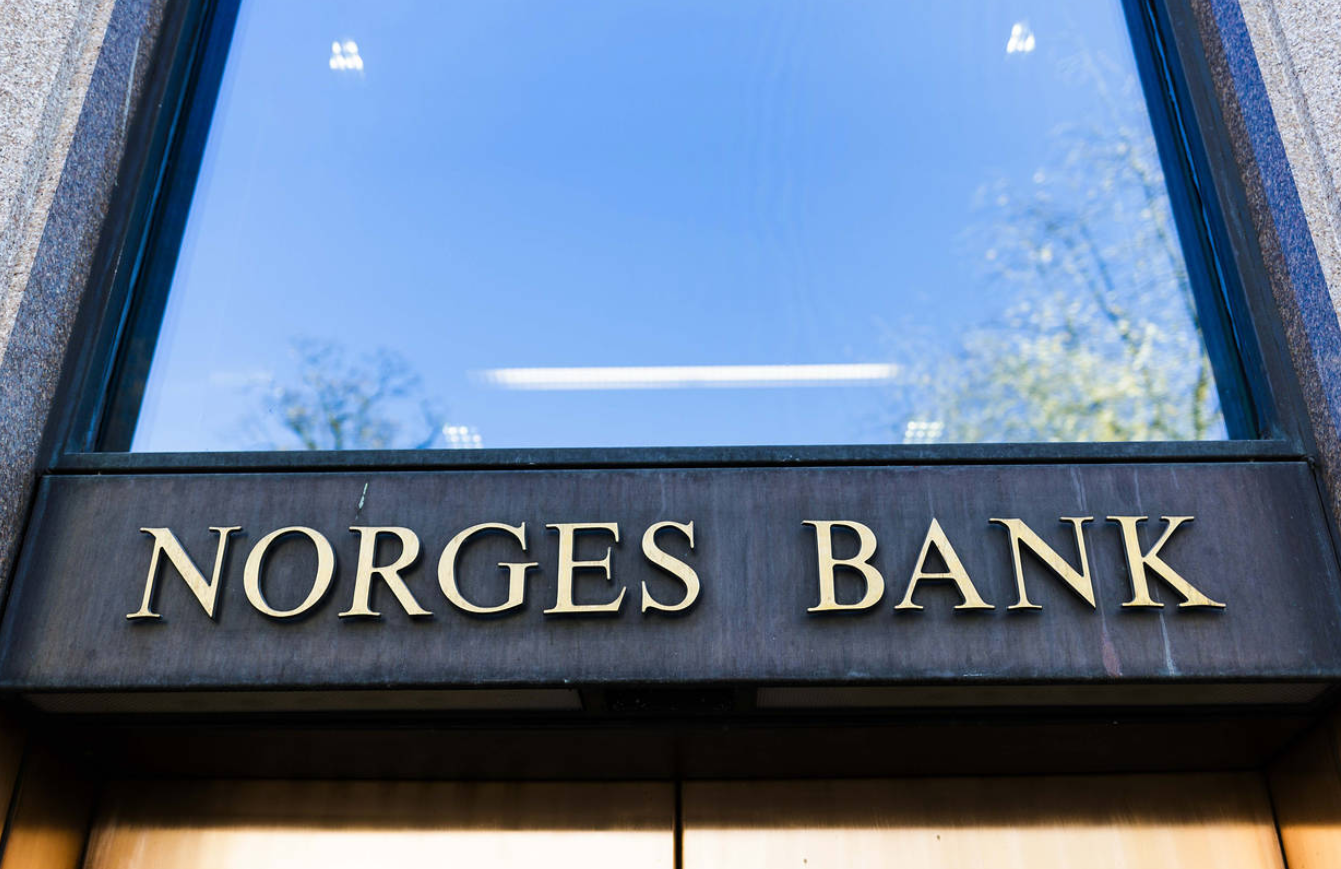
Like the long winter nights of Nordic light, Norway's RWA path does not win by dazzling brilliance but by depth and durability. In the global RWA competition, Norway may not be the most radical testing ground, but its prudence and balance may help it secure a solid position in long-term development.
1. Legal Positioning and Regulatory Logic: Prudent Inclusiveness Under Clear Definitions
Norway has established a clear legal status for virtual assets through its existing legal framework. Although it does not recognize virtual currencies as legal tender, the Norwegian tax authorities have explicitly classified them as assets, applying corresponding tax rules. This legal positioning provides foundational certainty for the development of RWA, enabling market participants to operate under clear rules.
The Norwegian Financial Supervisory Authority implements comprehensive regulation on cryptocurrency trading platforms and wallet providers, with core requirements being strict compliance with anti-money laundering and counter-terrorism financing standards. All virtual asset service providers must register with regulatory authorities and establish comprehensive customer due diligence procedures. This regulatory approach reflects the Norwegian authorities' high regard for financial stability and consumer protection, laying a systemic foundation for the broader application of RWA in the future.
In terms of the evolution of the regulatory framework, Norway continuously adjusts its regulatory framework to adapt to the development of the virtual asset market. The government has formulated clear tax guidelines, incorporating virtual asset trading into the existing tax system while requiring trading platforms to comply with increasingly stringent compliance standards. These measures ensure both market vitality and regulatory effectiveness.
Research by the Norwegian Blockchain Association shows that the significant increase in the adoption rate of virtual currencies in Norway since 2021 is closely related to legal recognition and the improvement of the regulatory framework. Market participants demonstrate a stronger willingness to innovate and invest in a clearly defined regulatory environment.
2. Current Status of RWA Regulation: Adaptive Regulation Based on Existing Legal Framework
Norway has not yet introduced a dedicated regulatory framework for RWA, but regulatory authorities provide corresponding regulatory basis for various tokenized assets through flexible interpretations of existing laws. This pragmatic approach avoids the hindrance to innovation caused by legislative lag while ensuring necessary regulatory coverage.
According to relevant provisions of Norway's Securities Fund Act, if RWA tokens meet the definition of securities, they automatically fall under the regulatory scope of traditional securities issuance and trading rules. For tokens that are more payment-oriented, regulatory authorities tend to apply relevant rules for virtual currencies. This substance-over-form classification method provides a relatively clear compliance path for different types of RWA projects.

Norwegian regulatory authorities follow a use-oriented principle in asset classification, applying different regulatory rules for payment-type and security-type tokens. For tokenized assets with mixed characteristics, regulatory authorities adopt a case-by-case analysis approach, focusing on their economic substance and primary functions to determine the applicable regulatory framework.
This flexible and pragmatic regulatory attitude leaves room for innovation. In 2024, a venture capital fund based in Bergen successfully raised over 100 million Norwegian kroner specifically for investing in blockchain startups. This case indicates that under a supportive legal framework, Norwegian investors' confidence in the digital asset field is increasing.
3. Market Practice and Innovative Exploration: From Experimental Attempts to Scaled Applications
The acceptance of cryptocurrencies and RWA in the Norwegian market is steadily increasing. Some forward-looking companies have begun to accept virtual currencies as a means of payment. A tech company in Oslo started accepting Bitcoin for its software service fees in 2023, publicly stating that crypto payments have significant advantages in transaction speed and cost.
In terms of asset tokenization, the Norwegian market is showing signs of active exploration. Tokenization experimental projects in the real estate sector have been launched, and although limited in scale, they provide valuable exploration for the integration of traditional assets and blockchain technology. These early projects demonstrate the potential of RWA in enhancing asset liquidity and reducing transaction costs, accumulating experience for broader promotion.
According to industry data, by the end of 2024, the trading volume of Norwegian cryptocurrency exchanges achieved a 30% annual growth rate, reflecting the continuous increase in market interest and trust in digital assets. Notably, the participation of institutional investors is also gradually increasing, indicating that RWA is transitioning from a phase dominated by individual investors to a more mature institutional phase.
In terms of investment and innovation ecology, Norway's clear legal framework has stimulated market innovation vitality. In addition to active participation from venture capital, traditional financial institutions are also beginning to pay attention to this field. Several Norwegian banks have initiated research projects on blockchain technology, exploring how to integrate tokenization technology into existing financial services.
4. Policy Shift of the Sovereign Wealth Fund and the Internal Logic of RWA Development
Recently, discussions about the potential adjustment of Norway's sovereign wealth fund's ethical investment guidelines have attracted widespread attention. According to sources from the Norwegian Ministry of Finance cited by the Financial Times and other media, the government is internally discussing optimizing the investment framework of the sovereign wealth fund, which may mark a significant evolution in Norway's investment strategy.
Finance Minister Jan Tore Sanner hinted in a recent parliamentary speech: "Since the introduction of ethical guidelines, the global investment environment has undergone profound changes, and our investment rules need to be optimized and adjusted in line with the times." This statement has been interpreted by the market as a signal that Norway's investment strategy will place greater emphasis on pragmatism and efficiency.
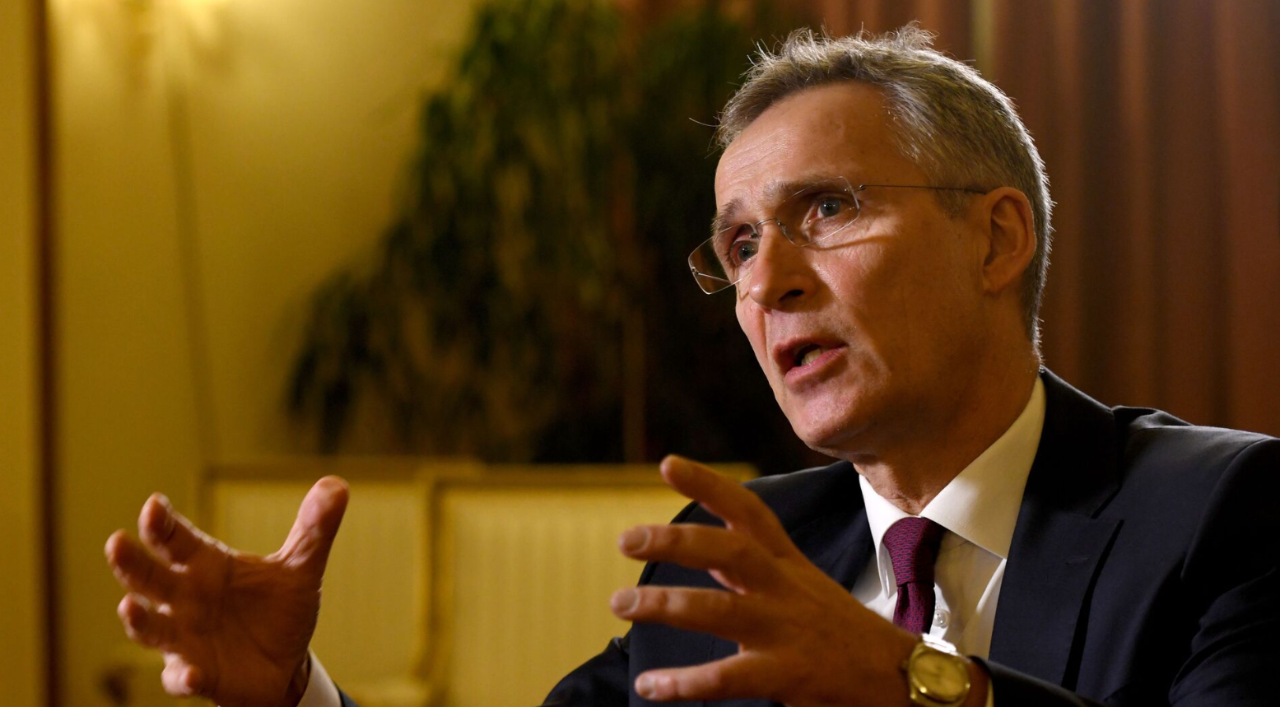
This potential optimization of ethical rules stems from Norway's pragmatic response to changes in the global geopolitical and economic environment. The Ethical Council—an independent supervisory body established in 2004—has faced increasingly complex challenges in investment reviews in recent years. In some investment decisions involving multiple ethical dimensions, overly simplified ethical standards have proven inadequate to address the complexities of the real world.
This policy shift from ethics to pragmatism, while seemingly unrelated to digital assets, resonates with the core logic of balancing returns and risks in RWA regulation. Norway appears to be undergoing a phased transformation from "ethical finance" to "efficient finance," which will provide a more suitable development environment for financial innovations such as RWA.
5. Ecosystem Synergy: Institutional Collaboration Among Diverse Entities
Norway's RWA ecosystem is forming an organically synergistic development trend, with various participants playing different roles while cooperating in promoting the development of tokenized assets. The Norwegian central bank and the Financial Supervisory Authority constitute the regulatory core, responsible not only for formulating rules and supervising implementation but also for actively participating in international regulatory dialogue to ensure effective alignment of Norwegian standards with international practices.
Trading platforms, as a key component of market infrastructure, strictly enforce registration and compliance requirements, establishing standardized processes for anti-money laundering and customer due diligence. These platforms are not only venues for market transactions but also important channels for the implementation of regulatory policies.
The Blockchain Association, as an industry representative organization, plays a bridging role in promoting technological innovation and policy advocacy. By organizing industry discussions, publishing research reports, and participating in policy formulation, the association effectively facilitates communication and understanding between regulatory authorities and market participants.
The active participation of venture capital funds injects vitality into the ecosystem. For example, a single investment case that raised over 100 million Norwegian kroner demonstrates the confidence of professional investment institutions in Norway's digital asset field. This funding not only supports technological innovation but also helps cultivate more mature business models.
Technology companies, as the application side of technology, are driving the iteration and improvement of RWA technology through the exploration of practical business scenarios. From payment systems to asset management, Norwegian tech companies are exploring the application potential of blockchain technology in multiple fields.
Although Norway's RWA ecosystem is still in the development stage compared to global fintech centers like Singapore and Hong Kong, its robust financial system and highly digitalized social foundation provide favorable conditions for the rapid evolution of the ecosystem. Effective collaboration among various entities accelerates technological diffusion and institutional improvement.
6. Development Challenges and Future Pathways: Seeking Balance Between Innovation and Stability
Norway faces multiple challenges in developing its RWA ecosystem, needing to find a delicate balance between these challenges and opportunities. Regulatory certainty is currently the primary concern. Although the Norwegian central bank recognizes the necessity of formulating a national strategy, market participants still face challenges of unclear policy expectations before specific regulations are implemented. Particularly, the gradual implementation of the EU MiCA regulations may somewhat limit Norway's space for independently formulating differentiated policies.
The completeness of technological infrastructure directly affects the quality and speed of RWA development. Scaled development requires strong technological support, including reliable blockchain networks, efficient asset tokenization platforms, and secure digital identity systems. Norway's investment and construction progress in these infrastructures will determine whether the RWA ecosystem can support large-scale applications.
In terms of market acceptance, although the adoption rate of virtual currencies in Norway has increased, the general acceptance of RWA by traditional financial institutions and enterprises still requires time to cultivate. Investor education, risk management, and market cultivation are important prerequisites for promoting the healthy development of the industry, requiring all market participants to invest resources together.
Looking ahead, Norway's development in the RWA field may present several obvious trends. On the regulatory front, there is an attempt to accept tokenized assets through gradual legislative amendments, with discussions on how to embed digital asset clauses into existing securities and tax law frameworks. This incremental reform ensures stability while leaving room for innovation.

The types of assets will gradually diversify, expanding from current virtual currencies and real estate to more asset categories such as financial securities, commodities, and intellectual property. This diversification not only disperses risks but also provides investors with richer choices.
As regulatory clarity improves, traditional financial institutions in Norway are expected to participate more actively in the RWA market. The entry of traditional participants such as banks, insurance companies, and asset management firms will bring more professional risk management capabilities and more stable funding sources, driving the market towards a more mature direction.
7. Norway's Positioning in an International Comparative Perspective: A Pragmatic Middle Path
Placing Norway within the global RWA regulatory landscape allows for a clearer identification of its positioning and development direction. According to the RWA policy analysis framework constructed by international authoritative institutions, countries' regulatory strategies can generally be divided into two typical paths: "safety-first" and "innovation-oriented."
The European Union promotes standardized regulation through MiCA and the DLT pilot regime, emphasizing regulatory consistency within the region. The United States, the United Kingdom, and Japan represent the "strong regulation, safety-first" path, maintaining high institutional thresholds in aspects such as rights confirmation, licensing, and trading circulation. Singapore, the UAE, and South Korea embody the "innovation-oriented" regulatory philosophy, focusing on regulatory sandboxes, optimized access mechanisms, and tax-friendly policies.
Hong Kong adopts a supportive attitude towards innovation in terms of tax systems, rights confirmation, and stablecoin pathways, but maintains high-intensity control over licensing thresholds and circulation restrictions, reflecting a unique model that combines openness with strict entry requirements.
In contrast, Norway has chosen a pragmatic middle path—fully recognizing the value of innovation while maintaining a strong focus on financial stability. Compared to innovation-oriented countries like Singapore, Norway's regulatory attitude is more cautious; compared to the strongly regulated United States, Norway demonstrates greater policy flexibility.
This balanced approach is rooted in Norway's characteristics as a small open economy—it needs to find the most suitable balance between encouraging innovation and preventing risks. Norwegian regulatory authorities consider international trends while fully assessing the uniqueness and capacity of the domestic market when formulating policies.
From the perspective of regulatory objectives, Norway's RWA regulation clearly focuses on systemic risk control, contrasting with the United States' emphasis on investor protection and Singapore's focus on industry orientation. The Norwegian Financial Supervisory Authority has repeatedly emphasized in public documents that financial stability is the primary criterion for evaluating any financial innovation, a principle that is also implemented in RWA regulatory practices.
Norway's RWA development trajectory resembles its long Arctic winter nights—pursuing not momentary brilliance but enduring stability. This Nordic country, with its deep financial traditions, highly digitalized economic foundation, and pragmatic regulatory philosophy, is forging a unique path for real-world asset tokenization.
Sources of some materials:
· "Norwegian Central Bank is Building a CBDC Sandbox on Ethereum, and has Developed a Prototype Infrastructure"
· "Analysis of Norwegian Virtual Currency Regulations: Legal Framework and Compliance Points"
· "Is Cryptocurrency Legal in Norway?"
免责声明:本文章仅代表作者个人观点,不代表本平台的立场和观点。本文章仅供信息分享,不构成对任何人的任何投资建议。用户与作者之间的任何争议,与本平台无关。如网页中刊载的文章或图片涉及侵权,请提供相关的权利证明和身份证明发送邮件到support@aicoin.com,本平台相关工作人员将会进行核查。


